The minibus shudders to a halt on a gravel turnout, doors folding open onto air that smells of pine sap and cold water. Ahead, the track disappears into a wall of larch, but the sound of the river — milky with glacial flour — rises from the gorge below. Someone in a wool cap gestures toward a wooden sign weathered gray: Hanas in Kazakh script, Kanas in the characters the park office uses. The driver checks his watch, taps the dashboard, and the engine coughs back to life. You have two days on this ticket, and the lake won’t wait.
Getting In and Moving Around
The entry pass costs a flat rate that covers both the gate fee and unlimited rides on the green shuttle buses that stitch the valley together. Keep the paper stub — rangers scan it at every major stop. Buses run from first light until the last visitor walks back from the pavilion, departing every twenty minutes or so from the main hub near the ticket hall. If you arrive after the afternoon rush, the queue thins to a handful of photographers with tripods. Sit on the right side heading north for the first glimpse of the water through the trees.
- Buy the two-day pass at the gate; no online pre-booking required.
- Show the stub each time you board — drivers check it at the door.
- Buses stop at Wolong Bay, Moon Bay, the Tuwa village, and the trailhead for the pavilion climb.
- Last departure downhill leaves thirty minutes before the gate closes.
The Pavilion Climb: Guanyutai
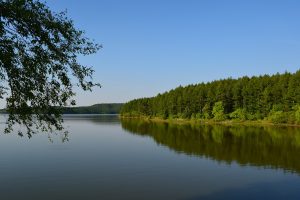
A separate ticket — sold at a kiosk beside the pavilion-bound bus stop — puts you on a minibus that climbs a steep switchback to the base of the stairway. From there, more than a thousand wooden steps rise through birch and spruce. The count is posted on a plaque at the bottom: 1,068. Pace yourself. The altitude sits above 1,300 meters, and the air thins fast. Halfway up, a viewing platform juts over the canopy. That is where the lake reveals itself — a crescent of turquoise pinned between dark ridges. On a clear morning, the reflection of Friendship Peak doubles the mountain.
- Purchase the pavilion shuttle ticket on the spot; cash only.
- Wear shoes with grip — the steps are polished smooth by millions of soles.
- Carry water; no vendors on the stairway.
- Allow ninety minutes round trip if you pause for photos at every platform.
Lakeside Walks: Wolong Bay and Moon Bay
Two short trails leave from shuttle stops and follow the shoreline through mixed forest. Wolong Bay curves like a sleeping dragon — hence the name — and the water there runs shallow enough to see rounded stones glowing green. A boardwalk crosses a marsh where sedges brush your calves. Moon Bay, farther north, narrows to a ribbon where the current quickens. Driftwood piles against the banks, bleached white by sun and wind. Both loops take under an hour at a slow pace. In autumn, the larch needles turn the color of burnt honey, and the contrast against the lake stops conversation cold.
- Boardwalks are wheelchair accessible for the first three hundred meters at Wolong Bay.
- Morning light hits Moon Bay best; afternoon glare flattens the color.
- Stay on marked paths — the shoreline marsh hides deep, cold channels.
- Toilets only at the shuttle stops, not along the loops.
Tuwa Village: Hemu and Baihaba
The shuttle terminates near a cluster of log cabins where Tuwa families — descendants of the old Tuvan hunters — still smoke meat over open hearths. Smoke curls from chimneys cut through sod roofs. An elderly woman sits on a stool outside her gate, stripping bark from birch branches to weave baskets. She nods if you make eye contact but does not invite you inside unless you are staying the night. Guesthouses here are simple: a heated kang platform, shared latrine, meals of boiled mutton, flatbread, and milk tea salted with a pinch of crushed tea brick. Pay the host directly in cash. No receipts, no apps.
- Book a bed by phone or WeChat a week ahead in high season; walk-ins risk sleeping in the common room.
- Bring small-denomination yuan; the nearest ATM is an hour’s drive back at the county town.
- Respect the threshold — step over, not on, the raised sill.
- Photograph people only after a gesture of consent; a raised camera and a questioning look works.
Seasons and the Monster Story
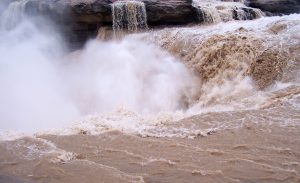
Summer brings wildflowers and midges; pack a head net. Autumn compresses the color palette into gold, crimson, and that impossible blue — the busiest weeks fall around the Mid-Autumn Festival when domestic tourists flood the valley. Winter buries the road under meters of snow; the park closes to casual visitors, open only to rangers and researchers on snowmobiles. Spring arrives late, often not until the fifth lunar month, when meltwater swells the river to a brown roar. The lake monster — a creature said to surface near the deep trench off the pavilion — lives in grainy photos pinned to the wall of the rest house at the summit. Locals smile when asked. Some say it’s a giant taimen; others say it’s the spirit of the water. No one presses for proof.
- Best light for photography: the two hours after sunrise in the ninth and tenth lunar months.
- Midges vanish after the first hard frost; winter visitors need four-season gear and a permit.
- The rest house at the pavilion sells hot tea and instant noodles — prices double valley rates.
- If you hear a low horn blast from a ranger truck, clear the boardwalk — a brown bear may be foraging nearby.
What Newcomers Get Wrong
They arrive in sandals and regret it on the pavilion stairs. They skip the shuttle to the summit, thinking the road is walkable — it’s a steep, dusty service track with no shoulder and buses that don’t slow. They assume card payment works everywhere; the village and the pavilion kiosk run on cash. They plan a single day, rush the loops, and leave before the light turns the lake to glass. They forget that altitude plus exertion equals headache, and they have no medicine. They photograph the old woman without asking, and she turns her back. The reserve rewards slowness. Stay the second night. Walk the same trail twice. Watch the color shift.
- Pack sturdy boots, layers, sunscreen, and a reusable water bottle.
- Carry at least five hundred yuan in small notes for village expenses and pavilion tickets.
- Download offline maps; signal drops inside the gorge.
- Altitude sickness tablets help if you live near sea level.
- Learn two phrases: Salam (hello) and Rahmat (thank you) — Kazakh and Tuwa both understand them.