Before you fly
Preparing for a solo trip to Beijing in autumn requires careful attention to digital tools and weather readiness, as the city is vast and modern payment systems are ubiquitous. First, verify your entry requirements. While many nationalities now enjoy visa-free transit or short-stay policies, rules change frequently. You should check your eligibility using the official tool at https://www.lovelycn.com/tools/china-visa-free-checker. Ensure your passport has at least six months of validity remaining and blank pages for stamps.
Payment infrastructure in China is almost entirely cashless. Before leaving home, download Alipay and WeChat Pay. These apps are essential for everything from buying subway tickets to paying for street snacks. Linking a foreign bank card can sometimes be tricky due to verification processes; try setting this up weeks in advance. If you struggle with linking cards, consider purchasing a small amount of Chinese Yuan (RMB) in cash upon arrival as a backup, though it will not work for most transactions. For navigation, install Baidu Maps or Amap (Gaode Map). Google Maps does not function reliably in China. These local map apps provide real-time traffic data, bus routes, and ride-hailing integration. Additionally, download a translation app like Pleco or Baidu Translate, which offers camera-based translation for menus and signs.
Connectivity is vital for these apps to work. Purchase an eSIM before your flight if your phone supports it, ensuring you have data immediately upon landing. Alternatively, buy a physical SIM card at the airport, but note that registration requires your passport. Regarding clothing, autumn in Beijing brings large temperature swings. Mornings and evenings can be crisp, while midday sun remains warm. The fact sheet recommends layers. Pack a light sweater, a long-sleeve shirt, and a warm jacket for later in the season. Don’t forget moisturizer, as the air becomes very dry. This preparation ensures you remain comfortable during long walks through historic sites.
Arrival day
You will likely arrive at either Beijing Capital International Airport or Beijing Daxing International Airport. Both are major international gateways, but they are far apart. Check your hotel location carefully. Since your stay is in Dongcheng, which is central, transport time varies significantly depending on which airport you use. Do not rely on public transport for your first journey if you have heavy luggage. It is crowded, confusing for newcomers, and often involves multiple transfers. Instead, take a taxi or use a ride-hailing service directly into town.
Have your hotel address written in Chinese characters ready on your phone screen. Show this to the driver. This eliminates language barriers and ensures you go to the correct entrance. Your accommodation is in Dongcheng. This area is convenient for historic sights but is often busier and more expensive than other districts. It places you within walking distance or a short ride of the Forbidden City and Temple of Heaven, which aligns perfectly with your Day 1 plan. Upon checking in, rest. Jet lag and the sheer scale of the city can be overwhelming. Use this time to test your translation app and confirm your route for the next morning. Ensure your phone is charged and your power bank is accessible, as you will need GPS and mobile payments constantly.
Day 1 in Beijing
Morning
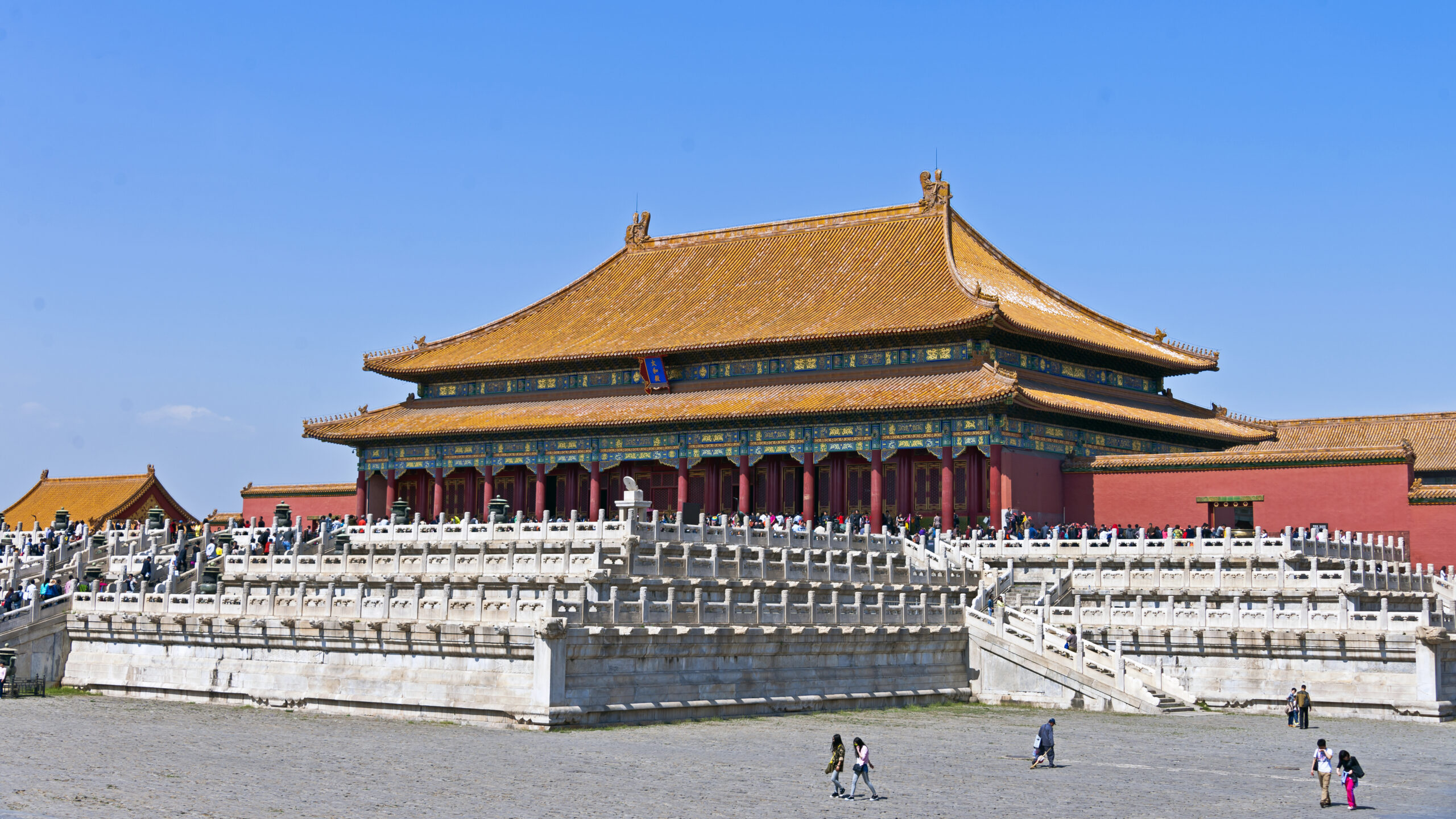
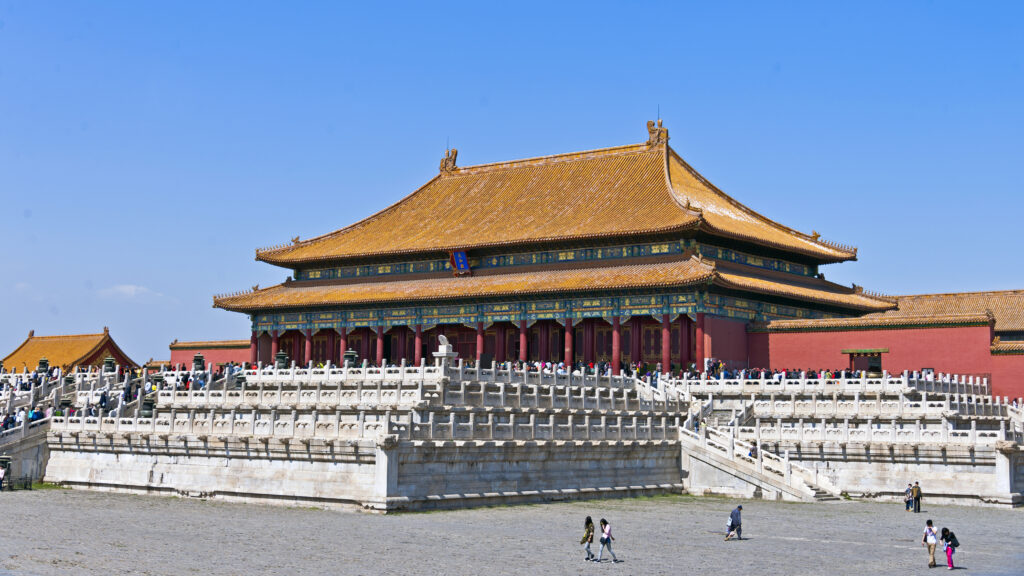
Your first stop is The Palace Museum, known locally as Gùgōng Bówùyuàn. Plan to arrive between 09:00 and 13:30. This vast palace complex served as the imperial residence for centuries. As a newcomer, you will see endless courtyards, ornate halls, and towering gates that reflect the grandeur of Ming and Qing dynasties. The architecture is symmetrical and imposing, designed to intimidate visitors and showcase imperial power. You should expect to stay between three and six hours here. The site is enormous, so pacing yourself is crucial.
To get there from your hotel in Dongcheng, since you are already in the same general area, you might walk if your hotel is close, but given the early hour and potential fatigue, taking a taxi or ride-hail is safer and more efficient. Confirm the route in a map app before booking. When the driver arrives, show them this Chinese name: 故宫博物院. Be aware that getting inside requires strict adherence to ticketing rules. Check the official ticket page regularly, as prices and policies can change without notice. You must confirm passport reservation rules and release windows on the official site well in advance. Tickets often sell out quickly.
There are significant warnings for this visit. Expect long walking distances across uneven stone surfaces. Shade is limited in many open courtyards, so even in autumn, bring water and wear a hat. High holiday crowds can make movement difficult, so start early. Since this stop runs through lunch, pause around 12:00. There are cafes inside the museum, but they can be crowded and overpriced. Consider bringing snacks or eating lightly beforehand. After your visit, you will leave for the afternoon stop. Exit the museum through the Meridian Gate or another designated exit, then head to a nearby subway station or hail a taxi. Do not name a metro line number; instead, ask the driver or check the map app for the best route to the next destination.
Afternoon
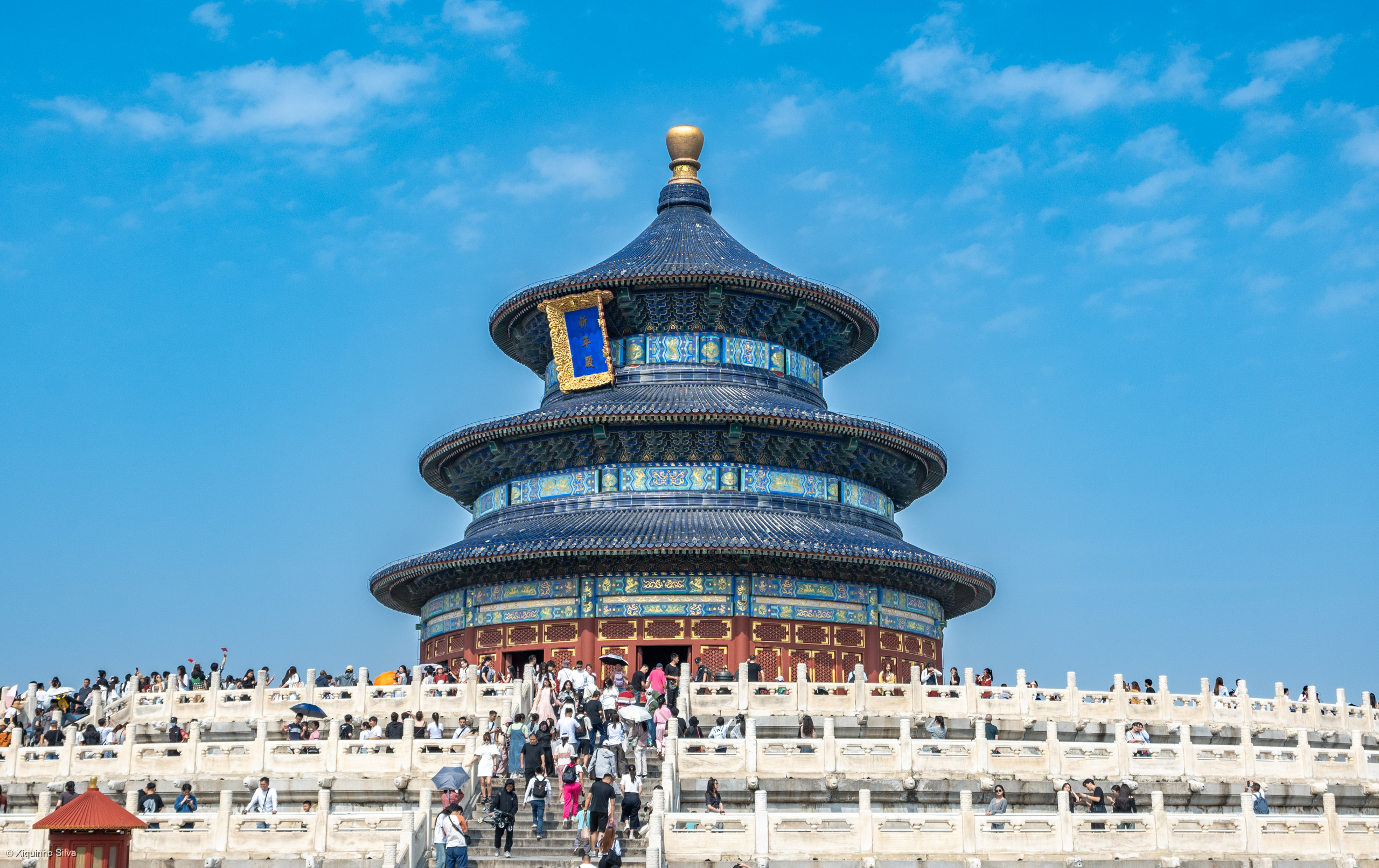
At 15:00, you will move to the Temple of Heaven, or Tiāntán Gōngyuán. This large park is famous for its Ming and Qing ceremonial architecture, where emperors prayed for good harvests. Unlike the enclosed walls of the Forbidden City, this is an open space dominated by the Hall of Prayer for Good Harvests, a circular building with blue tiled roofs symbolizing heaven. You should plan to stay between two and four hours. The grounds are extensive, featuring ancient cypress trees and wide avenues used for imperial processions.
Traveling from the Palace Museum to the Temple of Heaven requires a transfer. They are both in the Dongcheng area, but the distance is too far for a comfortable walk after a morning of intense sightseeing. Take a taxi or ride-hail. Confirm the route in a map app to avoid traffic delays. Show the driver this Chinese name: 天坛公园. Ticketing here can be complex. Park entry and attraction tickets may be separate. Verify officially what is included in your pass. Some visitors only enter the park perimeter, while others pay extra to enter the main halls. Confirm current reservation rules before visiting, as capacity limits are enforced strictly.
Warnings for this site include the sheer size of the area. It is easy to underestimate the walking required to reach the main monuments from the park entrances. Limited shade exists in some open areas, so monitor the sun exposure. Autumn winds can be strong here, so dress accordingly. After your visit, you will head to dinner. Leave the park via the nearest exit that aligns with your restaurant choice. Use your map app to find the closest subway station or taxi pickup point. Do not attempt to navigate the park’s multiple exits without checking a map, as they are scattered widely.
Food
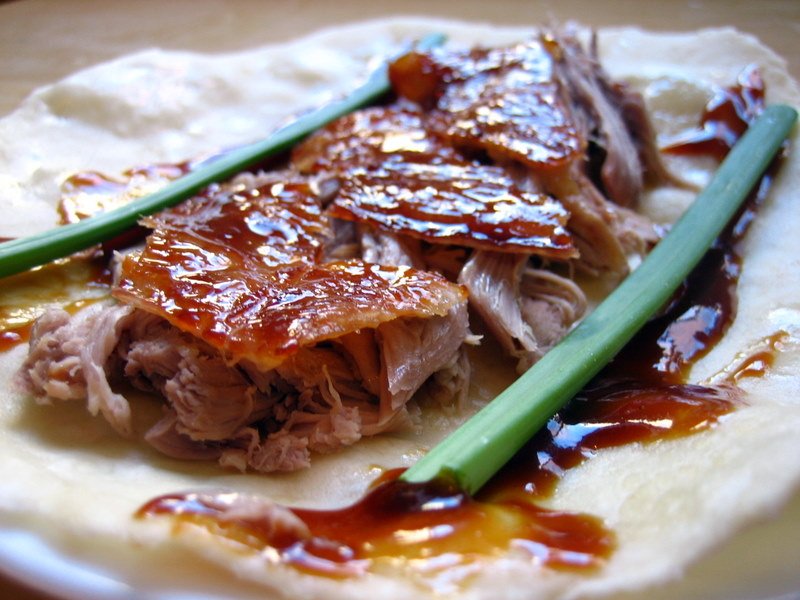
For dinner, you will eat Peking duck, or 北京烤鸭. This is the quintessential Beijing dish. Look for restaurants that specialize in this meal. On a picture menu, point to the whole duck or the set meal that includes pancakes, scallions, cucumber, and sweet bean sauce. Ask about sauces and allergens, as hoisin sauce often contains wheat and soy. Prices vary, but for a mid-range budget, expect to pay roughly 150–280 yuan per person for a quality meal. This price range usually includes the duck, sides, and tea. Saving money is possible if you choose a less famous restaurant, but mid-range ensures a reliable experience. To order, you can say: “Wǒ yào yī zhī Běijīng kǎoyā” (I want one Peking duck).
Day 2 in Beijing
Morning
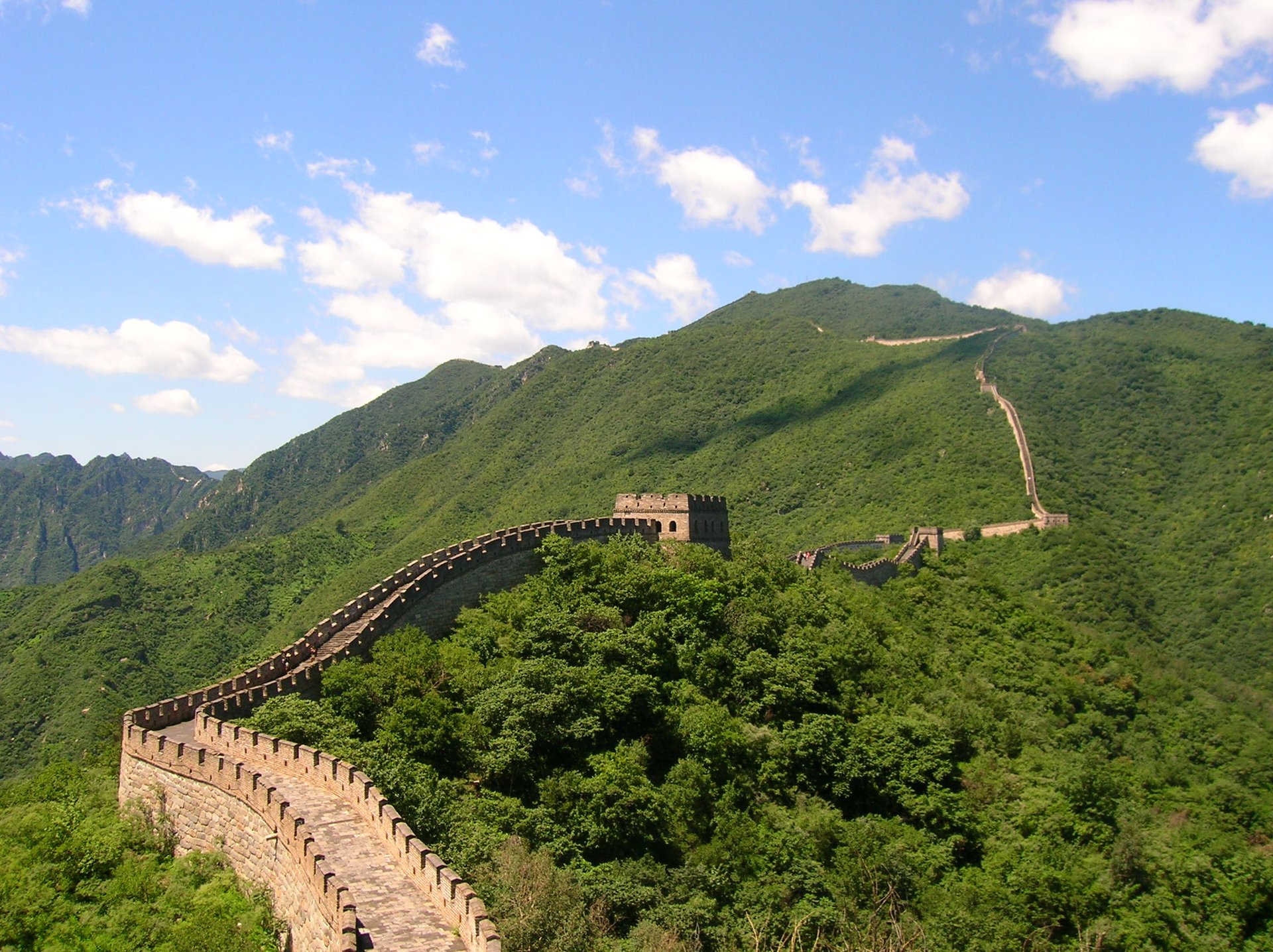
Today is dedicated to the Mutianyu Great Wall, or Mùtiányù Chángchéng. You must depart early, aiming to start your visit between 07:30 and 15:30. This section is located in Huairou, outside central Beijing. It is mountainous and offers a more restored, scenic view compared to wilder sections. As a newcomer, you will see winding stone pathways climbing steep ridges, watchtowers spaced at regular intervals, and lush vegetation turning colors in autumn. Plan a full day including transfers, as the travel time is significant. Stay between five and eight hours to fully appreciate the hike.
Getting there from your hotel in Dongcheng requires a taxi or ride-hail, or potentially a pre-booked private car. Walking is not an option due to the distance. Confirm the route in a map app before departure. Show the driver this Chinese name: 慕田峪长城. Traffic can be unpredictable, so allow extra buffer time. Ticketing is multi-layered. Entry fees, shuttle buses to the base, cableway rides up, and slideway rides down may be separate products. Verify passport purchase requirements, transport options, and last-entry rules. You cannot buy tickets on the spot easily; online booking is mandatory.
Warnings are critical here. Expect long walking distances and steep paths. The steps are uneven and high, requiring sturdy footwear. Rapid weather changes occur in the mountains; it may be sunny in Beijing but cold and windy at the wall. Bring layers and windproof gear. Since this stop runs through lunch, pause at the base village or bring packed food. Restaurants at the bottom are touristy and pricey. Eating before you ascend or bringing snacks is often better. After descending, you will return to the city. Arrange your return transport in advance, as hailing a taxi from the remote wall area can be difficult. Use your map app to locate the designated pickup zone.
Food
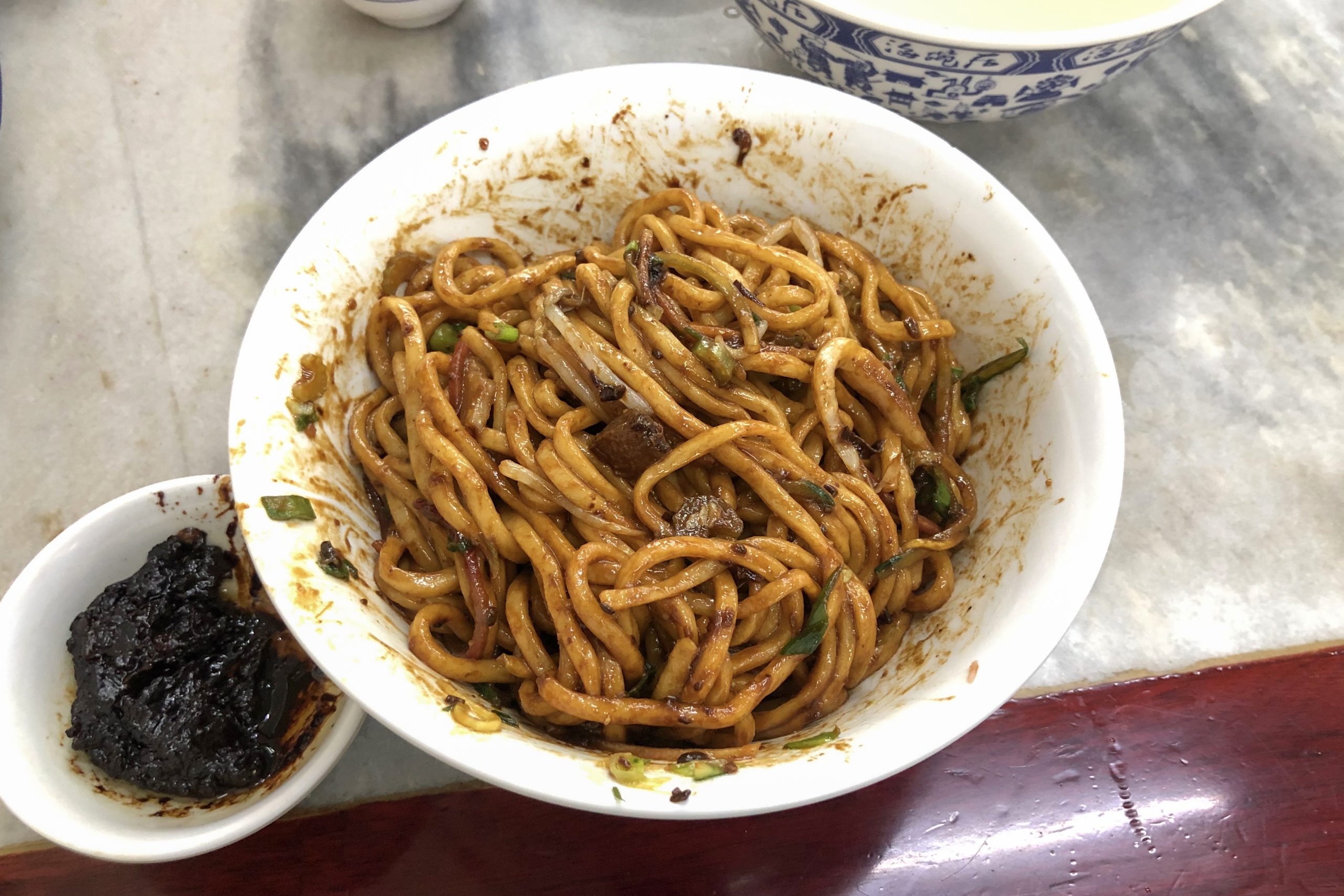
Dinner tonight is Noodles with soybean paste, or 炸酱面. This is a hearty, traditional Beijing comfort food. On a picture menu, look for bowls containing thick wheat noodles topped with dark brown minced pork and soybean paste, accompanied by fresh vegetable strips like cucumber and radish. Usually, this dish contains wheat and soy, so check for allergies. It is much cheaper than duck. For a mid-range budget, expect to pay roughly 30–70 yuan. This price reflects a sit-down meal in a decent local restaurant rather than a street stall. To order, say: “Wǒ yào yī wǎn Zhájiàngmiàn” (I want one bowl of noodles with soybean paste).
Day 3 in Beijing
Morning
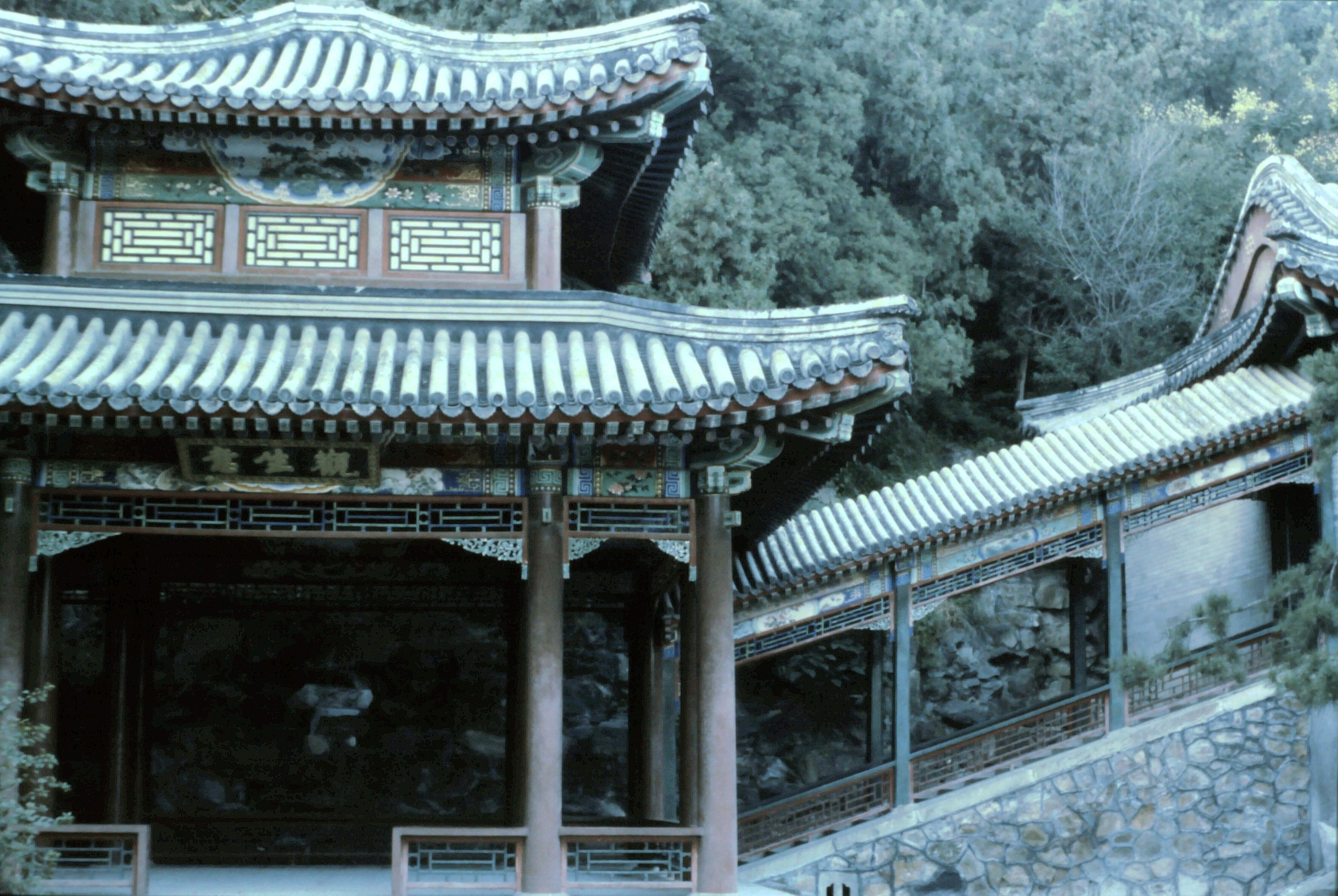
Your final major sight is the Summer Palace, or Yíhéyuán. Arrive between 09:00 and 15:00. Located in Haidian, this is a large World Heritage imperial garden centered around Kunming Lake and Longevity Hill. Allow at least half a day, staying between three and six hours. As a newcomer, you will see expansive lake views, elegant bridges, pavilions built into hillsides, and the famous Seventeen-Arch Bridge. The landscape is designed to mimic natural scenery but is meticulously curated. It is a place of leisure and beauty, contrasting with the rigid formality of the Forbidden City.
Traveling from your hotel in Dongcheng to Haidian requires a taxi or ride-hail. The distance is considerable, and public transport can be crowded. Confirm the route in a map app. Show the driver this Chinese name: 颐和园. Ticketing is again complex. Entry to the park and access to paid interior sites, such as specific halls or gardens, may use separate tickets. Verify officially which passes cover what you wish to see. Confirm passport booking and entry rules before the visit, as slots fill up rapidly.
Warnings include the large size of the site. Long walking distances are inevitable, especially if you climb Longevity Hill. High holiday crowds can slow progress near key viewpoints. Autumn leaves are beautiful, but the terrain can be slippery if wet. Since this stop runs through lunch, pause at the dining areas near the East Gate or bring food. Cafes inside are available but can be busy. After your visit, you will head to your final dinner. Leave via the gate closest to your restaurant. Use your map app to find the best transport option back toward the city center or your specific dining location.
Food
For your farewell dinner, you will again enjoy Peking duck, or 北京烤鸭. Choose a different restaurant from Day 1 to compare styles. Point at the picture menu showing the carved duck being served tableside. Ask about sauces and allergens, particularly regarding the sweet bean sauce and any nut oils used in cooking. Prices for a mid-range duck meal remain roughly 150–280 yuan per person. This is a comfortable way to end the trip, celebrating the culinary highlight of Beijing. To order, repeat: “Wǒ yào yī zhī Běijīng kǎoyā” (I want one Peking duck).
A few phrases
- Taxi: Qǐng sòng wǒ dào [Place Name]. (Please take me to [Place Name].)
- Ordering Duck: Wǒ yào yī zhī Běijīng kǎoyā. (I want one Peking duck.)
- Ordering Noodles: Wǒ yào yī wǎn Zhájiàngmiàn. (I want one bowl of noodles with soybean paste.)
- Asking for Help: Qǐngwèn, nǐ huì shuō Yīngyǔ ma? (Excuse me, do you speak English?)
- Payment: Kěyǐ yòng Zhifubao ma? (Can I use Alipay?)
Closing
This relaxed three-day itinerary covers the essential historical and culinary highlights of Beijing. Remember that public holidays in China result in extreme crowding at all major sites. Always check the calendar before traveling. You can verify dates and holiday impacts at https://www.lovelycn.com/tools/china-public-holidays-2026. For further assistance with pronunciation or reading Chinese text, use the tool at https://www.lovelycn.com/tools/chinese-to-pinyin. Enjoy your autumn visit to the capital.