The minibus from Kunming’s west station rattles through the limestone hills of southern Yunnan, the air growing warmer with every kilometer. By the time the driver pulls into the lot beside the Chaoyang Gate, the midday sun has baked the grey bricks of the old town a dusty ochre. Vendors under the gate tower are already slicing mangoes into plastic bags, steam rising from a wok of rice noodles beside them. You step off the bus, luggage in hand, and the noise of the highway drops away behind the thick city wall — replaced by the clatter of mahjong tiles from a teahouse courtyard and the slow turn of a waterwheel in a side alley.
Getting There and Moving Around
High‑speed trains now stop at Jianshui Station, a modern shed about ten minutes by taxi from the ancient town. If you arrive on the bullet from Kunming South, the ride takes just over two hours; from the Vietnamese border at Hekou, allow ninety minutes. The older conventional station sits closer to the center but sees fewer services. Once inside Lin’an, the grid of narrow lanes makes walking the default mode — most heritage sites cluster within a kilometer of the four gate towers. For Tuanshan Village or Swallow Cave, hire a driver for the day; the county bus runs but follows a leisurely schedule that can eat half your daylight. Shared minivans wait near the West Gate when they have enough passengers, usually heading east toward the cave or west toward the pottery workshops.
Inside the Ancient Town: Gates, Wells, and Courtyards
Start at Chaoyang Gate, the east tower, where a steep wooden staircase climbs to a second‑floor balcony. From up there you can trace the old wall’s outline in the rooftops — grey tiles broken by the occasional solar panel. Descend and walk west along Lin’an Road; the street widens into a plaza where locals practice tai chi before breakfast. Turn left down a lane scented with frying tofu and you find the Zhu Family Garden, a compound of interconnected courtyards built by a merchant clan in the late Qing. The guide will point out the “one‑meter‑wide” alley designed so only one person passes at a time — a security feature, they say. Wander farther to the Double Dragon Bridge outside the west gate, its seventeen arches spanning the Lujiang River like a stone centipede. At dusk, the bridge empties of tour groups and fills with grandparents flying kites.
Purple Pottery: Kilns, Clay, and a Hands‑On Session
Jianshui’s purple pottery (zitao) comes from iron‑rich clay dug from the hills around Wanyao Village. The finished pieces — unglazed, polished to a metallic sheen — range from tea pets the size of a thumb to water jars tall as a child. Most visitors stop at the demonstration hall near the South Gate, where a master throws a pot in three minutes and invites you to carve a character into the leather‑hard surface. If you want more than a souvenir photo, book a half‑day workshop at a family studio in Wanyao. You’ll knead the cold clay, center it on a kick‑wheel, and feel the walls thin under your thumbs. The firing takes three days, so you’ll collect the piece on your way out of town or have it mailed. Expect to pay a few hundred yuan for the session, clay included.
- Clay: local purple ore, high iron, low plasticity — add a splash of water often.
- Wheel: traditional kick‑wheel, no electric motor.
- Tools: bamboo knife, wooden rib, wire cutter, polishing stone.
- Steps: wedge clay → center → open → pull walls → shape → trim foot → dry slow → bisque fire → polish with river sand → final high fire.
- Common beginner mistake: pulling too fast, leaving a thick bottom that cracks in the kiln.
Tuanshan Village: A Merchant Clan’s Living Museum
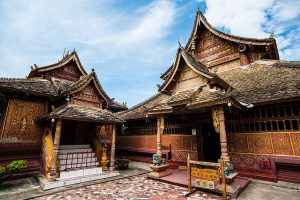
Twenty kilometers west of Lin’an, Tuanshan sits in a bowl of rice terraces. The village grew rich on tin trade in the 19th century, and the Zhang family compound still occupies an entire block. Wooden lattice screens filter sunlight onto courtyards paved with patterned pebbles. Unlike the restored streets of the ancient town, Tuanshan feels inhabited — chickens scratch under the eaves, an elderly woman hand‑stitches shoe soles on a stone bench. The village ticket covers the main halls, but the real access comes from chatting with the caretaker who unlocks the side rooms. He’ll show you the ledger where tin shipments were recorded in brush script, and the hidden compartment beneath a floorboard where the family stashed silver during bandit raids. Visit on a market day (the 2nd, 7th, 12th, 17th, 22nd, and 27th of each lunar month) and the lane fills with Yi and Hani women selling wild mushrooms, cured pork, and indigo cloth.
Swallow Cave: Boats, Bats, and the Rainy‑Season Spectacle
Swallow Cave (Yanzi Dong) cuts into a cliff above the Lujiang River thirty minutes east of town. From late spring through early autumn, thousands of swiftlets nest on the ceiling, their saliva‑cemented cups harvested for bird’s nest soup. The standard tour boards a flat‑bottomed boat at the riverbank and glides into the cavern’s mouth, flashlights painting stalactites in ghostly green. In the wet months, the river swells and the boat ride extends deeper; in the dry season you walk a boardwalk past chambers named “Dragon Palace” and “Crystal Curtain.” The real show happens at sunset when the colony exits in a ribbon that twists over the water — locals call it “the dragon returning to the sea.” Bring a rain jacket; the mist inside soaks through a T‑shirt in minutes. Avoid the weekend before the Mid‑Autumn Festival unless you enjoy queuing in humidity with a thousand selfie sticks.
Eating in Jianshui: Noodles, Tofu, and Night‑Market Smoke
Breakfast is a bowl of grass‑jelly rice noodles (caoya) at a stall near the North Gate — slippery strands in clear broth, topped with pickled mustard greens, crushed peanuts, and a spoonful of chili oil that blooms red on the surface. Lunch might be steam‑pot chicken (qiguo ji) at a courtyard restaurant inside the Zhu compound: a double‑walled clay pot seals the bird with ginger, dates, and ginseng; steam condenses and drips back as essence. For a snack, follow the smell of deep‑fried tofu to the West Gate square. The vendor cuts blocks still steaming from the press, drops them into oil, and serves them in a paper bowl doused with soy‑vinegar sauce, cilantro, and ground dried chili. Dinner drifts toward the night market along the old moat: skewers of quail eggs, purple rice sausages, and grilled corn brushed with fermented bean paste. Wash it down with a cup of boiled plum juice, served hot in a chipped enamel mug.
- Caoya noodles: rice noodles, grass jelly cubes, pickled mustard, peanuts, chili oil, light soy, vinegar.
- Steam‑pot chicken: whole chicken, ginger slices, red dates, ginseng root, goji berries, salt — no added water.
- Fried tofu: fresh brine tofu, high‑heat oil, dip of soy sauce, vinegar, garlic, chili powder, cilantro.
- Purple rice sausage: glutinous rice dyed with purple potato, pork fat, blood, stuffed in intestine, grilled.
- Beginner mistake: ordering “spicy” without specifying Yunnan‑style numbing pepper (teng jiao) versus plain chili heat.
Seasons, Festivals, and Practical Tips
The most comfortable window falls between the spring equinox and the start of the summer rains — days in the low twenties, nights cool enough for a light jacket. The rainy season turns the terraces around Tuanshan into mirrors but can wash out the road to Swallow Cave. Winter is dry and sunny; temperatures rarely drop below freezing, yet few foreign travelers appear, so you’ll have the Double Dragon Bridge to yourself at sunrise. If your dates align with the Confucius Culture Festival (usually the ninth lunar month), the ancient town stages ritual music in the Wenmiao courtyard, and scholars in robes recite the Analects before dawn. Carry cash for village tickets and street food; mobile pay works in town but signal fades in the terraces. Learn to recognize the character for “exit” (出口) on cave signs — it saves a backtrack in the dark. And when the mahjong tiles clack late into the night outside your guesthouse, remember: earplugs weigh nothing in your pack.