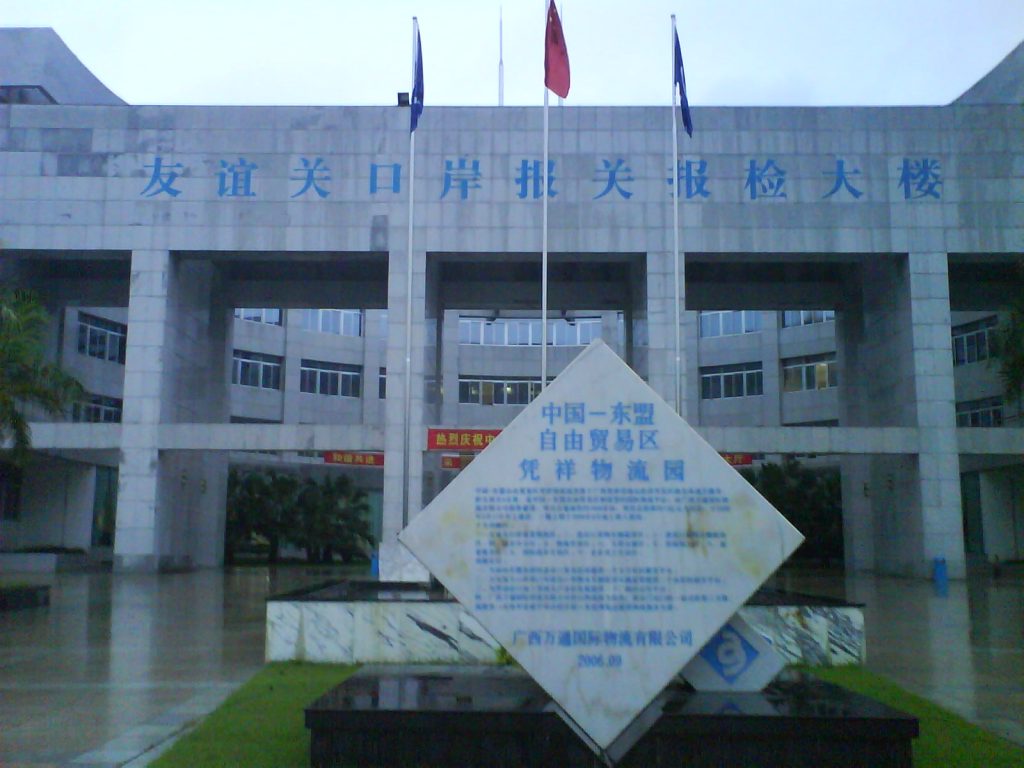
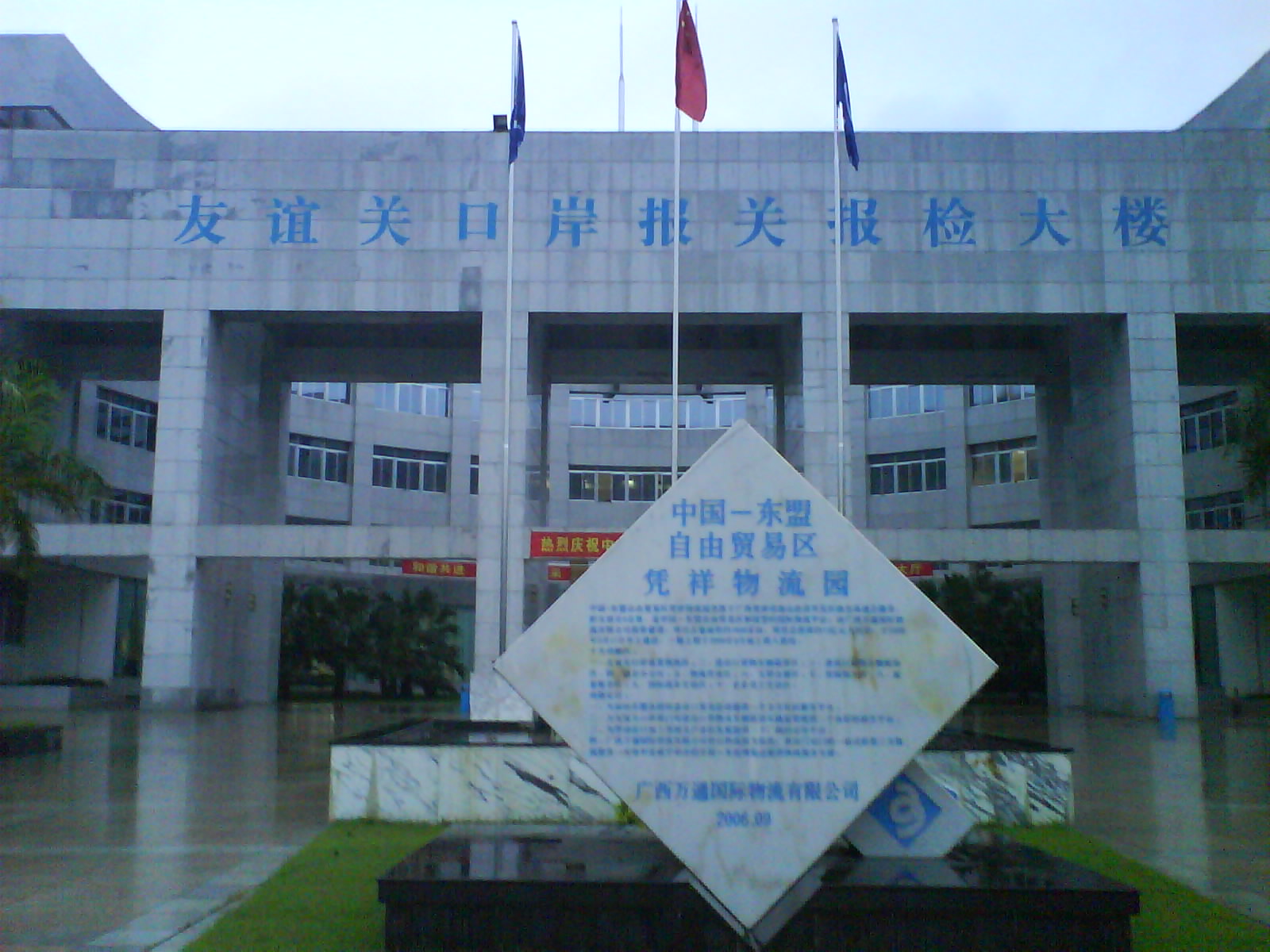
The minibus shuddered to a halt on the Friendship Pass parking lot, engine ticking in the sudden quiet. Ahead, the white-and-red barrier arm lifted, and a stream of motorbikes — Vietnamese plates, Chinese plates, a few with both — surged toward the immigration hall. I stepped out with my backpack, the air thick with diesel and the sharp scent of lime leaves from a roadside noodle stall. This is Pingxiang: not a destination you linger in for weeks, but a gateway you learn to move through smoothly.
Crossing the Border on Foot
The pedestrian lane at Friendship Pass (Youyiguan) operates from early morning until late evening, though the exact closing hour shifts with the season. Join the queue on the Chinese side, passport and entry card ready. Officers rarely ask questions beyond a glance at your visa; the real bottleneck is the X-ray belt for luggage. Once stamped out, you walk the 300-meter covered bridge — fans whirring overhead, duty-free shops hawking baijiu and Vietnamese coffee — into the Vietnamese terminal at Đồng Đăng. There, a separate line for foreign passports moves briskly if you have a pre-approved e-visa; visa-on-arrival applicants fill a form at a side counter and wait for a name call. Keep a few small Vietnamese đồng notes in your pocket for the motorbike taxi to Đồng Đăng train station or the minibus to Lạng Sơn city.
- Chinese exit: passport, completed departure card, luggage through scanner.
- Bridge walk: covered, air-conditioned, duty-free on both sides.
- Vietnam entry: e-visa printout or visa-on-arrival form, two passport photos, entry fee in cash (USD or VND).
- Onward transport: motorbike taxi (negotiate before mounting), shared minibus to Lạng Sơn (leaves when full), or cross-border bus to Hanoi (booked in Nanning or Pingxiang).
Taking the Train Across
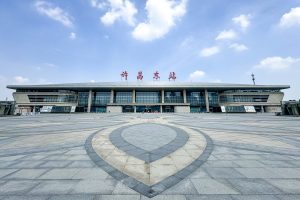
Since the high-speed line opened, the old overnight clatter from Nanning to Pingxiang has been replaced by a sleek 90-minute ride. Trains terminate at Pingxiang East Station, a glass-and-steel hall five kilometers north of the border gate. From there, a dedicated shuttle bus — timed to train arrivals — runs straight to the Friendship Pass departure hall; the ride takes ten minutes and costs a few yuan. If you arrive on the single remaining slow train, you disembark at the old Pingxiang Railway Station in the town center. A public bus (route 2) or a shared sedan connects to the gate in fifteen minutes. On the Vietnamese side, the railway ends at Đồng Đăng station; the once-daily Nanning–Hanoi through service has not yet resumed, so most travelers clear customs on foot and catch a Vietnamese train or bus north.
- High-speed train: Nanning East → Pingxiang East, ~1.5 hours, multiple departures daily.
- Slow train: Nanning → Pingxiang (old station), ~4 hours, one evening departure.
- Station-to-gate shuttle: leaves Pingxiang East forecourt after each high-speed arrival.
- Old station transfer: bus 2 or shared sedan, 15 minutes, pay driver directly.
Getting Around Town
Pingxiang spreads along a narrow valley, so most points of interest line a single north-south artery. Electric two-wheelers dominate the streets; helmets hang from handlebars or sit in baskets. Ride-hailing apps work, but drivers often cancel if the pickup is inside the border zone — walk a block inland and re-request. Public buses numbered 1, 2, and 3 loop between the old station, the bus terminal, the high-speed station, and the gate. Fares are flat, paid by QR code or exact change. For short hops, flag a blue three-wheeled motorized rickshaw; agree on a price before you sit down, usually five to ten yuan within the central stretch.
- Ride-hailing: set pickup 200 meters from the immigration compound to avoid cancellations.
- City buses: routes 1, 2, 3 cover station–gate–terminal triangle; QR payment preferred.
- Three-wheeler rickshaws: negotiate flat fare, confirm destination landmark.
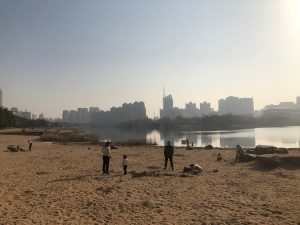
- Walking: the old town market, the Zhuang embroidery lane, and the riverfront park sit within a 20-minute stroll of the old station.
Where to Pause Between Connections
If your onward bus or train leaves in a few hours, the area around the old railway station offers the easiest kill-time. A two-story teahouse on Jiefang Road serves strong jasmine tea in lidded bowls and steamed buns stuffed with pickled mustard greens and minced pork — order at the counter, find a plastic stool, watch locals fold dumplings at the open kitchen window. Across the lane, a narrow shop sells vacuum-packed bags of fried rice noodles (luosifen) and jars of chili fermented with black beans; both travel well in a backpack. For a proper sit-down meal, walk ten minutes south to the riverside stretch where a row of open-air restaurants grill whole fish on charcoal, brushed with a paste of fermented bean curd, garlic, and wild pepper leaves. Order a plate of stir-fried water spinach with smashed garlic and a bowl of rice; the bill rarely exceeds thirty yuan.
- Teahouse staple: jasmine tea + steamed pickled-pork bun (xianrou bao).
- Pantry souvenirs: vacuum luosifen, black-bean chili paste, dried mango slices.
- Riverside grill: whole fish with fermented bean curd glaze, water spinach garlic stir-fry, plain rice.
- Budget: most solo meals 15–35 yuan; tea and bun combo under 10 yuan.
Seasonal Rhythms and Local Expectations
Summer arrives with the plum rains — sudden downpours that flood the underpass near the bus terminal for an hour, then vanish. Carry a compact poncho; umbrellas flip inside out in the valley wind. Winter is mild, but the high-speed station concourse feels cavernous and unheated; a light down jacket stays in my daypack from the tenth lunar month through the second. Zhuang families gather at the riverfront during the third lunar month for the Song Festival (Ge Xu), singing call-and-response verses across the water. Visitors are welcome to listen, but don’t step into the singing circles or record close-ups without a nod. During the first lunar month, the border swells with migrant workers returning home; the pedestrian lane can back up for two hours. If your dates are flexible, cross mid-month instead.
- Rain gear: packable poncho beats umbrella in valley gusts.
- Cold months: light down jacket for unheated station halls (tenth to second lunar month).
- Song Festival: third lunar month, riverfront — observe from the bank, ask before filming.
- Peak congestion: first lunar month, migrant return wave — avoid if possible.
Common Missteps
First-timers often book a hotel in Nanning the night before a morning crossing, not realizing the first high-speed train departs around 7 a.m. and reaches Pingxiang East by 8:30 — early enough to walk straight to the gate. Others change all their yuan to đồng at the airport in Hanoi, then discover the Friendship Pass duty-free shops accept Chinese mobile pay and give better rates on small denominations. A few try to hire a private car to the border from Nanning; the highway tolls alone exceed the high-speed ticket, and the driver may not have cross-border paperwork. Finally, don’t assume the Vietnamese side has ATMs that accept UnionPay — the machines inside the Đồng Đăng terminal often run dry. Withdraw enough cash in Pingxiang’s old town before you cross.
- Stay in Pingxiang, not Nanning, for early crossings.
- Keep small yuan notes for duty-free; mobile pay works on the Chinese side.
- Skip private car transfers — high-speed rail is cheaper and documented.
- Withdraw cash (yuan and a little USD) in Pingxiang old town; Vietnamese ATMs unreliable for foreign cards.