The minibus from Baoshan clatters over the Nujiang bridge just as the morning mist lifts off the Salween, revealing a valley floor stitched with rice paddies and the black, jagged silhouettes of extinct cones. By the time the driver pulls into the station on Tengchong’s western fringe, the air smells of sulfur and woodsmoke, and the temperature has dropped ten degrees. You step onto pavement still warm from yesterday’s sun, lug your pack toward a guesthouse courtyard where bougainvillea spills over a gray-brick wall, and realize you have arrived in a place that feels more like a geological accident than a planned city.
Getting There and Moving Around
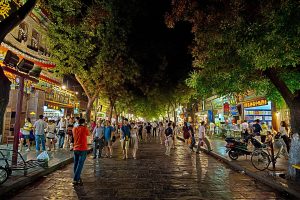
Flights from Kunming land at Tuofeng Airport in under an hour, but the real adventure begins on the ground. The airport shuttle drops passengers at the main bus hub near the jade market; from there, electric three-wheelers — locals call them sanlunche — zip you to Heshun Ancient Town or the Hot Sea scenic area for a few yuan. If you prefer wheels of your own, several hostels rent electric scooters by the day; bring a Chinese license or an international permit, and expect the traffic police to wave you over for a friendly document check at least once. Public buses run the main spokes — Route 1 links the train station, downtown, and the volcano park — but they thin out after sunset. Taxis cluster near the night market on Beihai Road; insist on the meter or agree a flat rate before the door closes.
Volcano Park: Walking on Frozen Fire
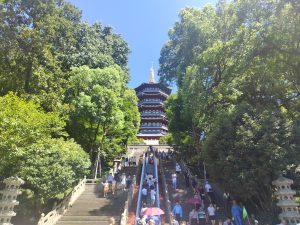
The Tengchong Volcano Geopark spreads across a basalt plateau dotted with ninety-odd cones, the youngest barely ten thousand years old. Start at the museum near the south gate — interactive maps show lava flows that once blocked the Irrawaddy tributary — then follow the boardwalk up Dayingshan, the “Big Eagle Mountain.” The climb takes twenty minutes on stone steps worn smooth by tour groups; at the rim you peer into a crater now cradling a seasonal pond ringed with reeds. In late spring, azaleas turn the slopes magenta; in autumn, the grass yellows to the color of dried tea. Wear sturdy shoes — loose scoria shifts underfoot — and carry water; the only vendor on the ridge sells warm soda at triple the downtown price.
Hot Sea: Steam, Eggs, and Midnight Soaks
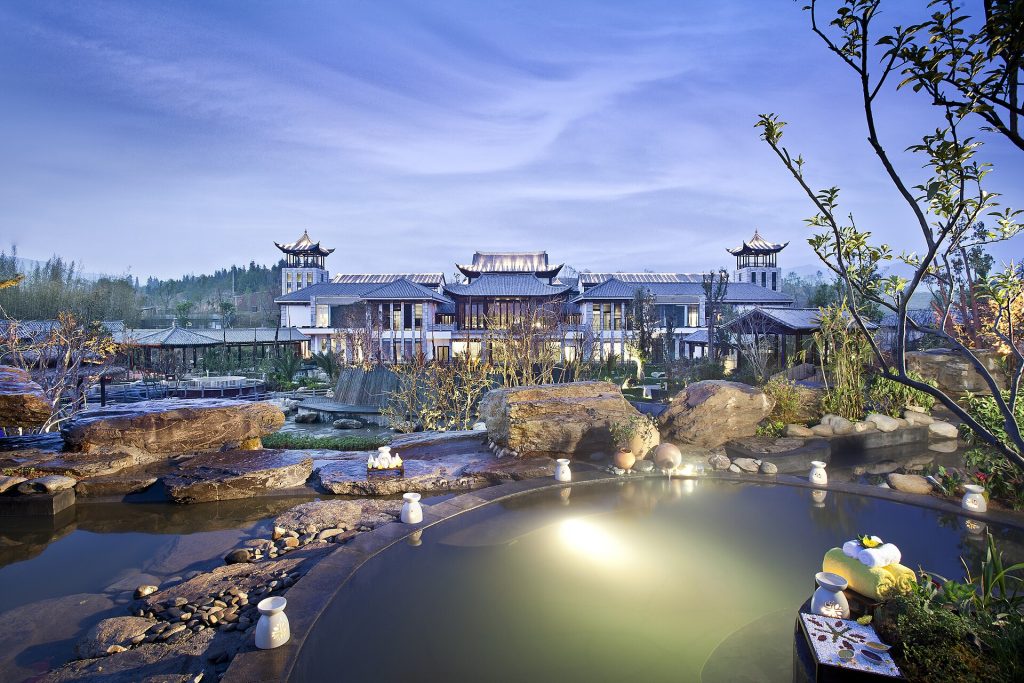
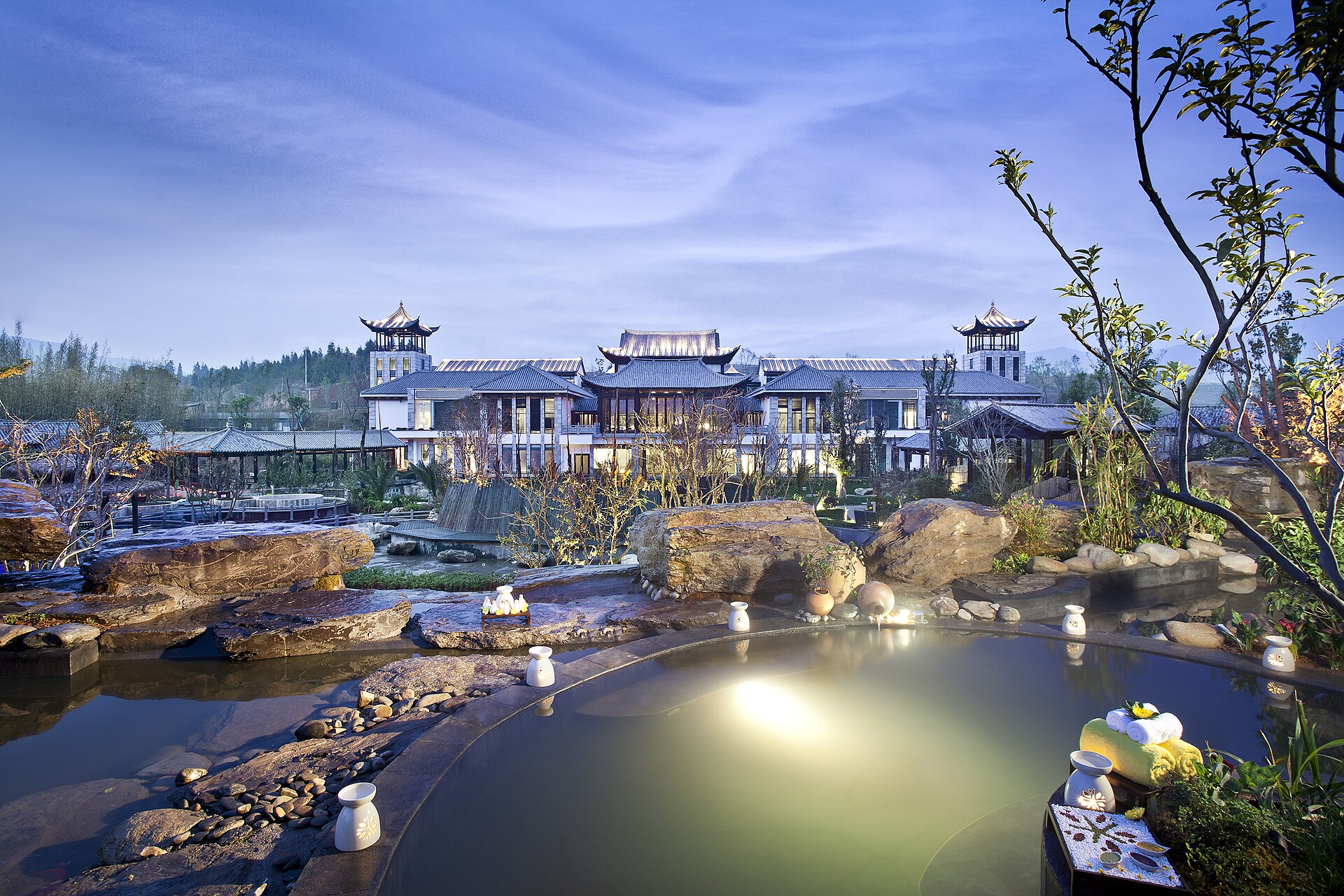
Three kilometers southwest of town, the Hot Sea (Rehai) exhales columns of vapor that smell of boiled eggs and ancient minerals. The main boardwalk threads past bubbling pools named “Big Boiling Pot” and “Pearl Spring,” each fenced with rusted railings. Locals bring raw eggs in mesh bags, lower them into the hottest vents, and retrieve perfect hard-boiled snacks five minutes later — try it with a sprinkle of Yunnan pepper salt. For a proper soak, bypass the crowded public baths at the park entrance and walk ten minutes uphill to the cluster of family-run courtyards behind the geothermal power plant. A private tiled pool, fed by a piped spring at forty-two degrees, costs roughly eighty yuan per hour; the host will toss in a handful of mugwort if you ask. Go after nine in the evening when the day-trippers have left; steam rises like silk under the floodlights, and the only sound is water hissing against stone.
Heshun Ancient Town: Cobblestones, Libraries, and Shadow Puppets
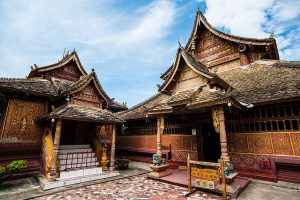
Four kilometers from the city center, Heshun sits in a horseshoe of hills, its lanes paved with volcanic slabs worn glossy by centuries of hooves and sandals. The town grew wealthy on the Burma Road trade; overseas remittances built the library — one of China’s earliest private collections — and the ancestral halls crowned with upturned eaves. Enter through the south gate at dawn before the tour buses arrive. Wander past the lotus pond where elderly men practice tai chi, then duck into the Yunnan-Burma Anti-War Museum housed in a restored courtyard mansion; faded photographs and a dented radio tell the story of the Flying Tigers and the Stilwell Road. Lunch at a riverside stall: rice noodles in clear broth, topped with pickled mustard greens, chili oil, and a spoonful of fermented bean paste. Stay for the shadow-puppet show at the guildhall courtyard — puppeteers manipulate leather figures behind a backlit screen while a three-string lute drones. The performance lasts twenty minutes; tip the troupe directly rather than buying the overpriced DVD.
Markets, Jade, and Border Flavors
Tengchong’s Saturday market sprawls across the square behind the Confucian Temple. Dai women in indigo headscarves sell baskets of wild mushrooms — jian shou qing that turn blue when bruised, and plump matsutake scented like pine and rain. Han vendors hawk raw jade boulders wrapped in burlap; a flashlight reveals the green flash beneath the skin, but unless you know the trade, keep your wallet closed. For a sit-down meal, follow the scent of charcoal to a hole-in-the-wall on Guanghua Road serving guoqiao mixian — crossing-the-bridge noodles — with a side of fried bee larvae, crisp and nutty. Wash it down with a bowl of sweet fermented rice wine served in a chipped porcelain cup. If you crave Burmese influence, walk the alley behind the mosque where a family runs a tea shop: milky tea pulled high between two tin pots, accompanied by flaky palata stuffed with minced mutton and cilantro.
Seasons, Festivals, and Practical Traps
The best window opens in the third lunar month — peach blossoms dust the volcano slopes — and again in the ninth month when chrysanthemums carpet the wetlands. Summer brings daily downpours that turn the Hot Sea boardwalks slick; winter nights dip near freezing, and many guesthouses lack heating. The Heshun Lantern Festival falls on the fifteenth day of the first lunar month; thousands of paper lanterns float the river, but accommodation triples in price and books out weeks ahead. A common mistake: assuming the volcano park and Hot Sea are one site — they are separate ticketed areas ten kilometers apart, and the last shuttle between them departs at four thirty. Another trap: buying “ancient tea tree” cakes from street sellers near the library; real Pu’er from the nearby mountains is sold by weight in sealed tins at the state-run tea factory on the ring road. Carry cash — small vendors and scooter rentals rarely accept mobile pay — and keep a photocopy of your passport; the border checkpoint on the road to Ruili sometimes requests it even for domestic travelers.