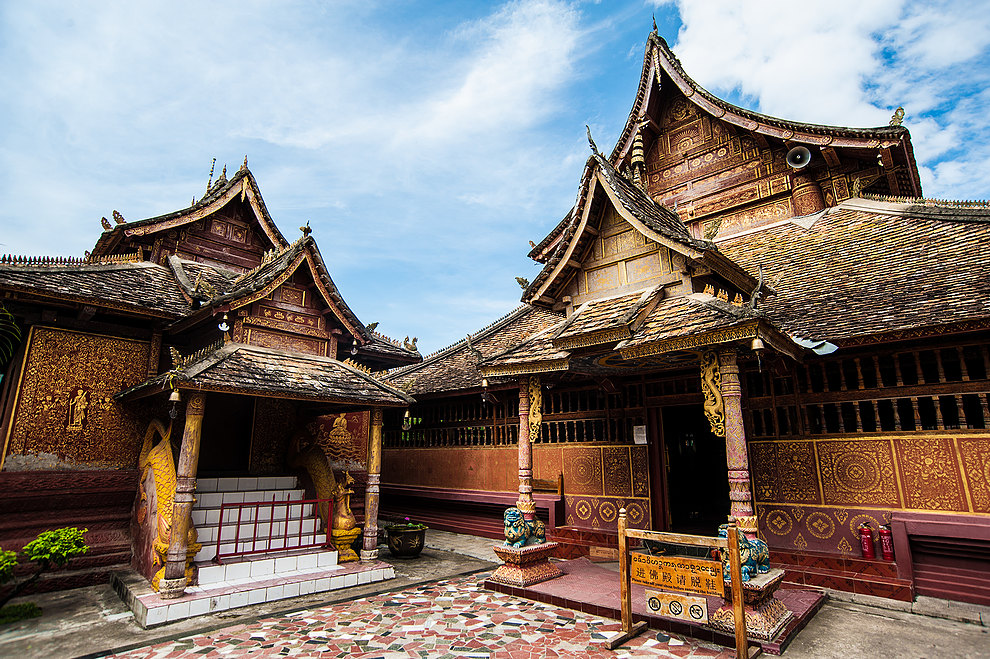
The minibus shuddered to a halt on a red-dirt track somewhere between Jinghong and the Myanmar border. Steam rose from the engine. The driver lit a cigarette, waved at a passing water buffalo, and announced we would wait twenty minutes while he checked a tire. Beside the road, a Dai woman sliced green mango into a plastic bag, dusted it with chili salt, and handed it through the window without a word. That first bite—sour, salty, spicy, sweet all at once—told me more about Xishuangbanna than any guidebook introduction. The prefecture sits in southern Yunnan where China folds into Southeast Asia, and the rhythm here follows monsoon drums rather than Beijing time.
When to Arrive and What the Sky Does
Most travelers aim for the dry window between the tenth lunar month and the third lunar month. Rain retreats, humidity drops, and the Mekong runs a lazy tea-brown instead of a furious red. Daytime highs hover around twenty-five degrees, nights cool enough for a light jacket. This is also when the rubber trees stop dripping latex and the air smells of pomelo blossom rather than wet rot. If you come during the Water Splashing Festival—usually the fourth or fifth lunar month—prepare for three days of soaked clothes, deafening drums, and strangers blessing you with buckets of river water. The shoulder weeks just before and after the festival are quieter; guesthouses still have rooms, and the jungle trails are firm underfoot.
Moving Through the Valley
Jinghong’s new airport sits twenty kilometers southwest of town. A metered taxi costs roughly eighty yuan and takes thirty minutes if the toll road is clear. Buses from Kunming’s west station run overnight; the sleeper berths are comfortable enough, but the twelve-hour ride tests even seasoned backs. Once in Jinghong, the public bus network connects the main sights—Manting Park, the Tropical Botanical Garden, Wild Elephant Valley—for a few yuan per ride. Motorbike taxis cluster near the night market; negotiate before you straddle the seat. For day trips to minority villages along the border, hire a private driver for the day. Expect to pay three to four hundred yuan, including fuel and the driver’s lunch. Shared minivans leave from the north bus station when full; they are cheaper but leave on “village time,” which can stretch an hour past the posted departure.
Where to Sleep: River Views or Village Courtyards
The city center offers chain hotels with reliable hot water and English-speaking front desks. Rooms facing the Mekong catch the sunrise but also the early-morning construction noise from the new bridge. A quieter alternative: cross the bamboo bridge to the old town’s back lanes, where family guesthouses occupy wooden stilt houses. Hosts often serve breakfast—sticky rice, fried eggs, pickled mustard greens—on a shared balcony overlooking a tangle of banana trees. For deeper immersion, book a homestay in a Dai village such as Manzhang or Ganlanba. You will sleep under a mosquito net on a bamboo mat, share a squat toilet, and wake to the sound of pigs rooting beneath the floorboards. Bring small gifts for the host family: a pack of good tea, a bag of oranges, or a flashlight. Cash is the only currency accepted beyond the city limits.
Eating Like the Jungle Feeds You