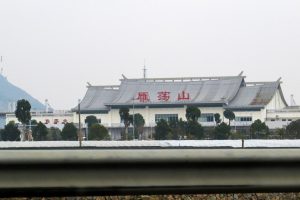
The train from Hailar sighs into Yakeshi station just after dawn, spilling a handful of passengers onto a platform that smells of pine sap and coal smoke. Steam rises from a vendor’s copper kettle beside the exit. An old driver leans against a dusty Santana, tapping a cigarette pack against his palm, waiting for the first fare of the day. The city stretches north toward the Greater Khingan foothills, low-rise and quiet, its streets laid out on a grid that a pedestrian can master before lunch.
Getting There
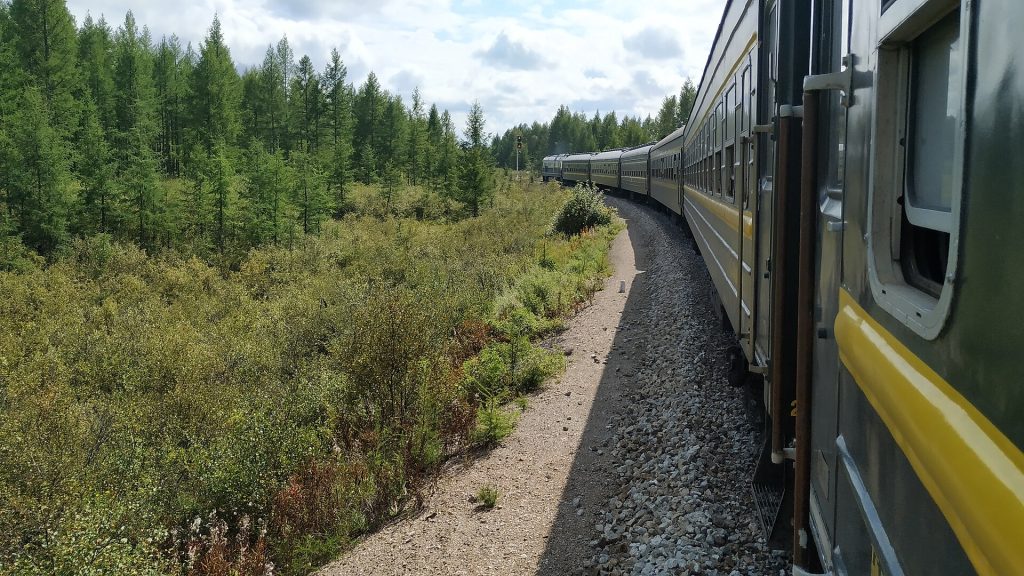
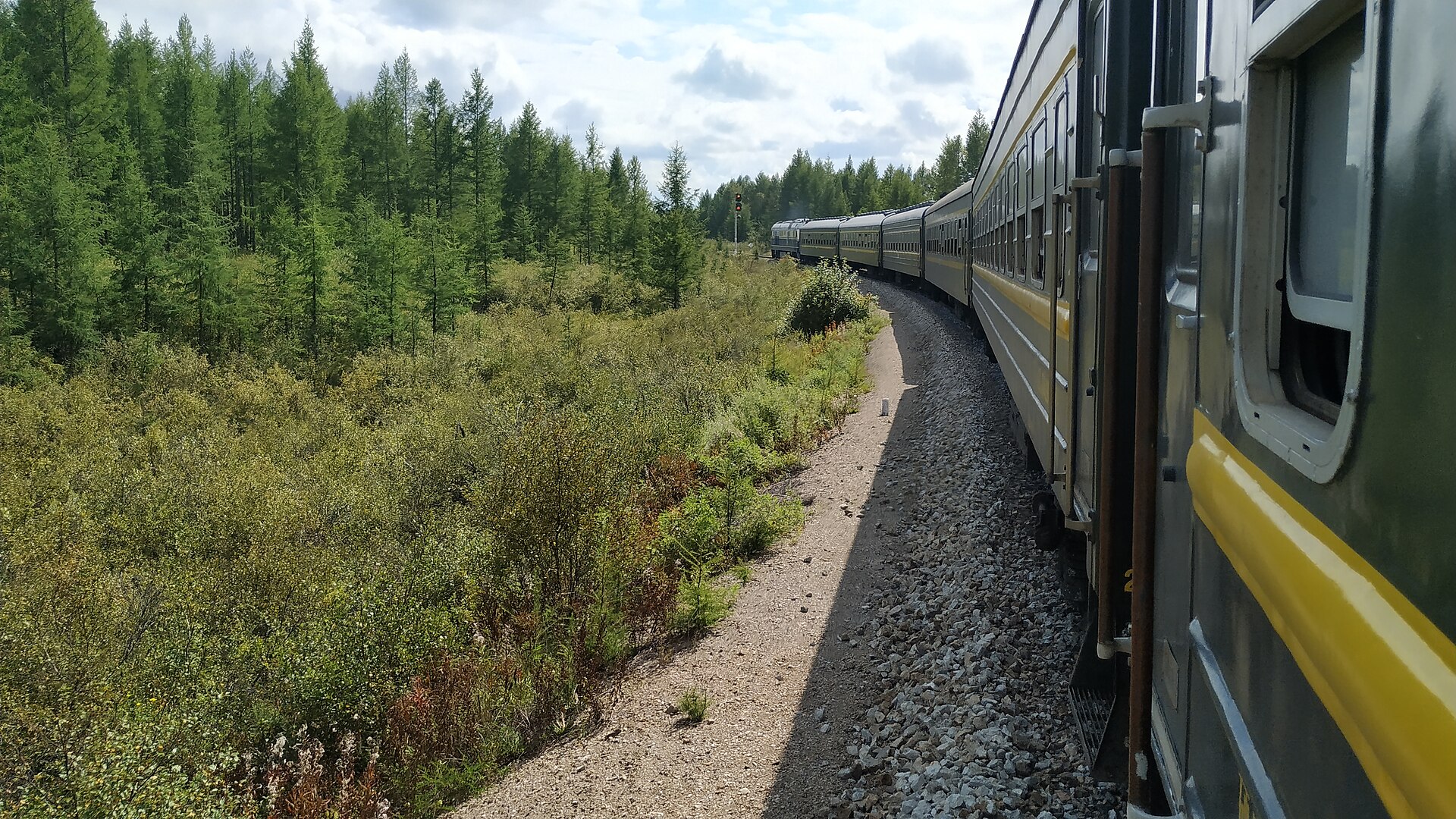
Most travelers arrive by rail. The slow train from Harbin takes the better part of a day, rattling through birch stands and marshland before climbing the range. The express from Beijing is an overnight haul, twenty-seven hours if the schedule holds. From Hailar, the regional hub, it is a ninety-minute ride on a hard-seat carriage that costs less than a bowl of beef noodles. If you fly, land at Hailar Dongshan Airport. A taxi from the arrivals hall to Yakeshi runs about an hour along the G301, the meter ticking past windbreak belts and the occasional herd of horses. Negotiate a flat fare before the door closes; drivers prefer cash and a round number.
Moving Around
The urban core is compact. You can walk from the railway station to the river park in twenty minutes, passing the municipal square, a cluster of government towers, and the back doors of the Jianxing Hotel. Public buses exist — three or four routes painted green and white — but schedules are theoretical. Flag a taxi instead. The flag drop is five yuan for the first three kilometers. Most cross-town trips stay under fifteen. Drivers rarely speak English; have your destination written in characters or dropped as a pin on a map app. In winter, studded tires are mandatory. Confirm the car has them before you climb in.
Forest and River Time
The Greater Khingan Range frames the northern horizon. Locals call it Daxing’anling. The forest bureau manages a string of recreation zones along the Hailar River tributaries. In late spring, when the snowmelt swells the channels, families drive to the pine clearings for picnics. They bring folding stools, thermoses of milk tea, and raw lamb skewers to grill over portable charcoal braziers. The air is thick with woodsmoke and the sharp scent of crushed pine needles. Mosquitoes arrive with the first warm night; buy a coil at any corner kiosk before you settle.
- Enter the forest recreation zones at the designated gates; rangers check permits on summer weekends.
- Wear long sleeves and closed shoes. Ticks hide in the undergrowth through early autumn.
- Pack out every wrapper. There are no trash cans past the parking lot.
- If you rent a motorized boat on the reservoir, the operator will hand you a life jacket that has seen three decades. Inspect the straps.
Winter on Ice
From the twelfth lunar month through the second, the river freezes solid enough to drive a truck across. The city floods a section near the railway bridge for a public rink. Skates rent for ten yuan an hour from a wooden shack painted blue. Locals play a version of bandy with curved sticks and a rubber ball, shouting in dialect that mixes Mandarin vowels with Mongolian consonants. Vendors push insulated carts selling roasted sweet potatoes and steamed corn on the cob. The kernels are yellow, sweet, and hot enough to burn fingertips. At dusk, the floodlights click on, and the ice glows amber against the black trees.
Night Market on Shengli West Street
After sundown, the action shifts to Shengli West Street, the block behind the Jianxing Hotel. Neon signs flicker above two dozen barbecue halls. The protocol is simple: claim a table, grab a menu laminated against grease, and tick boxes with a stubby pencil. Order by the skewer — lamb kidney, chicken gizzard, pork belly, enoki mushrooms wrapped in foil. The grill arrives as a metal trough set into the tabletop, coals already glowing. Server fans the flame with a cardboard square. Meat hits the grid, sizzling, fat dripping, smoke curling. Flip once. Sprinkle cumin, chili flakes, salt. Eat with your fingers. Wash it down with warm beer or a bottle of sour yogurt drink.
- Arrive before seven or expect a wait. The plastic stools fill fast.
- Order a plate of cold kelp threads tossed with garlic and vinegar to cut the richness.
- Check the bill before paying. Extra skewers sometimes appear that you never ordered.
- Toilets are usually squat-style down a dark corridor. Carry tissue.
What Newcomers Get Wrong
They assume the city is a gateway and rush through toward Hailar or Manzhouli. Yakeshi rewards the extra night. They underestimate the cold. Minus thirty is routine in the depth of winter; exposed skin freezes in minutes. They forget cash. Mobile pay works in chain stores, but the best skewers, the river boatman, the taxi driver all want paper yuan. They skip the morning market near the old bus station, where grandmothers sell pine nuts by the kilogram, still in the cone, and jars of wild blueberry jam sealed with wax. They treat the forest as a backdrop instead of a pantry. The mushrooms, the berries, the game — they end up on your plate if you know who to ask.