The bus from Kunming groaned into the Nansha station parking lot at two in the morning, headlights sweeping over wet pavement and a row of idling minivans. A conductor shouted for Xinjie, the old town, and I climbed into the back of a shared van with three Hani women carrying woven baskets. The road switched back up the mountain in the dark, the engine whining in low gear. When the first gray light hit the windshield, the valleys below were already flooded with water, each terrace a mirror reflecting the waking sky. That moment — cold air through the open window, the smell of woodsmoke and wet earth — is the real arrival.
Sorting out the name before you move
Maps and booking apps often show only “Yuanyang,” but that label sits on two different places forty minutes apart by road. Nansha, the new county seat, sprawls along the river at 1,400 meters. It has the long-distance bus station, the bigger hotels, and the traffic. Xinjie, the old town, clings to a ridge at 1,600 meters above the terrace clusters. This is where the guesthouses face the paddies, where the morning market sets up, and where the hiking paths start. When you buy a ticket in Kunming, confirm the destination is Xinjie or “Old Town.” If the driver only says Yuanyang, assume Nansha and budget an extra transfer.
When the water holds the sky
The classic mirror effect depends on a narrow window. After the spring equinox, farmers flood the fields for transplanting. For roughly six weeks the paddies are glass-smooth, catching sunrise and sunset without a ripple. By early summer the rice grows tall and the mirrors vanish. Autumn brings gold stalks and harvest dust — beautiful, but a different palette. Winter can be clear and cold, sometimes dusted with frost, but the terraces are dry and brown. If your goal is the postcard reflection, aim for the weeks between Qingming and the start of summer. Check the lunar calendar; transplanting follows the Hani agricultural cycle, not a fixed Gregorian date.
Three viewpoints worth the wake-up
Duoyishu sits on the east flank. Photographers line the railing before dawn, tripods touching. The terraces here cascade in wide, shallow steps that catch the first light like a row of lanterns. Arrive thirty minutes before sunrise; the parking area fills fast. Laohuzui, the “Tiger Mouth,” wraps around a steep horseshoe bend. The angle is tighter, the layers steeper, and the light hits later — better for mid-morning when the sun climbs high enough to penetrate the gorge. Bada faces west. Come two hours before sunset. The terraces climb in long, sinuous ribbons, and the low raking light turns each water surface into molten copper. Each spot has a small ticket booth; keep the stub if you plan to revisit the same area the next day.
Walking the ridges between villages
The most rewarding hike connects Duoyishu to Bada along the irrigation ditches. Start early from Duoyishu, follow the concrete channel north. The path is narrow, sometimes just the width of a boot, with a sheer drop on one side and a stone wall on the other. You pass through Qingkou, a Hani village where mushroom houses — thatched roofs shaped like low domes — cluster around a threshing square. Elderly women may wave from doorways, sorting red chilies on bamboo trays. The full traverse takes five to six hours at a steady pace. Carry water, a wind layer, and snacks; there are no shops between villages. A shorter loop from Xinjie down to Habo and back climbs through forest before dropping to a cluster of paddies where buffalo still pull wooden harrows. Allow three hours round trip.
Eating with the farmers
Guesthouse kitchens serve what the family grows. A typical dinner arrives on a round table: a clay pot of sour fish soup, the broth turned milky by fermented tomatoes and wild pepper; a plate of stir-fried wild greens, slightly bitter, still crisp; a bowl of red rice, each grain stained by the bran; and a small dish of chili paste pounded with garlic, ginger, and smoked tofu. Eat with your fingers or the provided spoon — chopsticks are for guests. The soup should taste sharp, not salty, with a lingering heat that builds in the throat. The rice is sticky enough to pick up in a clump. Do not ask for “less spicy”; the paste is made in batches and cannot be adjusted. If you cannot handle fire, order plain steamed eggs instead.
- Red rice — heirloom variety, unhusked, nutty and chewy
- Fermented tomato — small, sour, skins burst in the broth
- Wild pepper — tiny green berries, numbing rather than burning
- Smoked tofu — firm, cured over pine, crumbled into chili paste
- Mountain greens — foraged daily, blanched then flash-fried
To cook the soup at home: simmer a whole cleaned river fish (carp or catfish) with two liters of water, a handful of fermented tomatoes, ten wild pepper berries, and a slice of ginger for twenty minutes. Season with salt only at the end. Drop in the greens thirty seconds before serving.
What newcomers get wrong
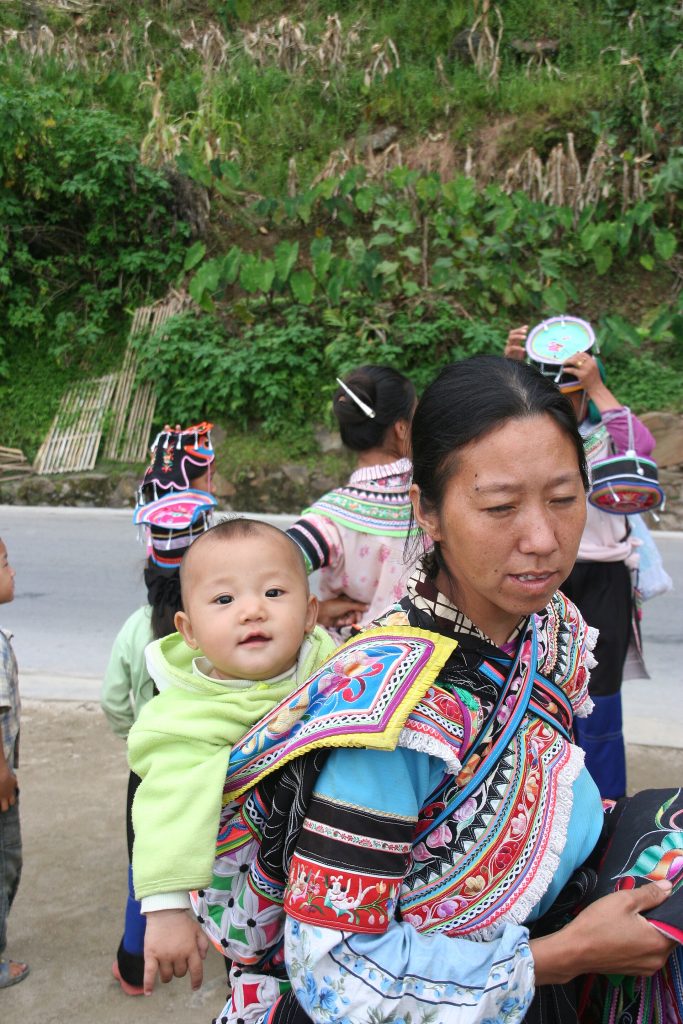
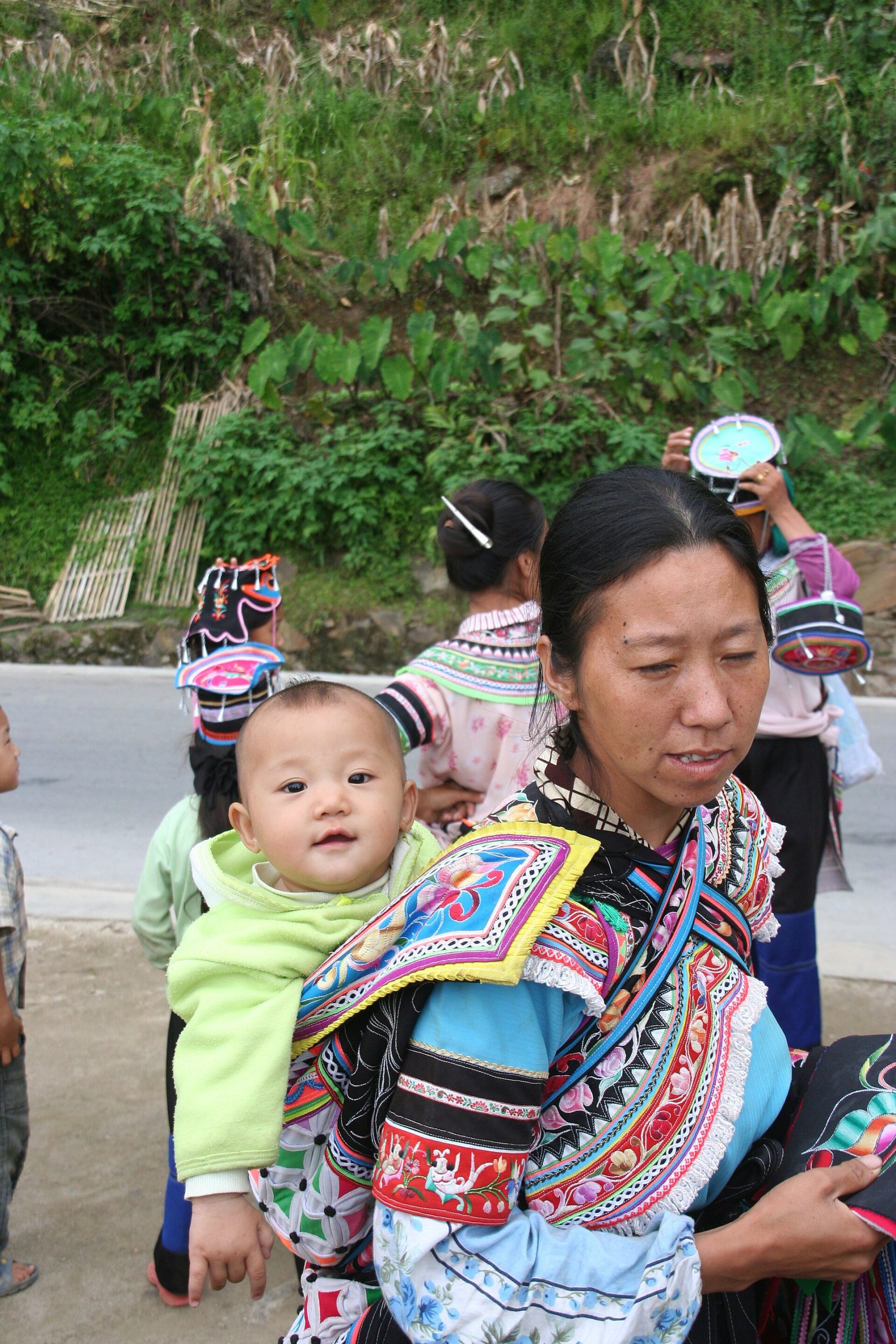
First, they book a room in Nansha and spend two hours a day commuting up the mountain. Stay in Xinjie; the extra fifty yuan per night buys you the light. Second, they arrive at Duoyishu at sunrise, shoot for twenty minutes, and leave. The best color often comes thirty minutes after the sun clears the ridge, when the water warms and the mist lifts. Third, they walk the terrace walls in sneakers. The irrigation dikes are slick clay; one misstep sends you knee-deep into mud. Wear lightweight hiking boots with ankle support. Fourth, they hand cash to children who pose in traditional dress. The Hani women in silver headdresses at the viewpoints are often paid models; the real village life is quieter, down the footpaths where no ticket is required. Finally, they assume the terraces are a park. They are working fields. Step carefully, do not block irrigation gates, and if a farmer waves you off a path, obey without argument.
Getting there and moving around
From Kunming South Bus Station, three daily coaches run to Nansha — mid-morning, noon, and an overnight sleeper. The ride takes seven hours on the expressway, longer in rain. At Nansha, shared vans depart for Xinjie every twenty minutes from the lot beside the station; the climb takes forty minutes. Alternatively, hire a private car for the full journey; drivers wait at the Kunming station and negotiate around 600 yuan one way. Once in Xinjie, motorbike taxis zip between viewpoints for 10 to 20 yuan a leg. For the longer hikes, ask your guesthouse owner to arrange a drop-off and pickup; they know which dirt tracks are passable after rain.
Sleeping where the mist settles
Guesthouses in Xinjie are family-run, often the ground floor of the family home. Rooms are simple: wooden bed, thick quilts, squat toilet, solar water heater that runs hot only after noon. The best ones have a balcony facing the terraces. Ask for a room on the top floor — fewer footsteps overhead, better view. Payment is cash only. In peak season the lane behind the main street fills with luggage carts; book a week ahead through a WeChat contact or a Chinese booking app. If you arrive unannounced in the off-season, walk the lane and knock; someone will have space.