The night market on Binjiang Road smells of charcoal smoke and fermented bean curd before you even see the stalls. A vendor flips skewers over glowing coals with one hand and waves a feather fan with the other. Steam rises from a bamboo steamer stacked with rice rolls slicked in soy sauce. This is where Yulin wakes up after sunset, and where a visitor learns the rhythm of the city by following the smoke.
Getting There and Moving Around
High‑speed trains pull into Yulin North Station from Nanning in under two hours and from Guangzhou in about three. The station sits a fair distance from the old downtown, so grab a ride‑hail car or hop on the Airport Express bus if you are coming from the small civil airport on the outskirts. Inside the city, the public bus network is dense and cheap — routes 2, 17, and 20 connect the railway station, the municipal square, and the riverfront culture park. Taxis start at a low flag‑fall, but drivers rarely speak English; have your destination written in characters. For the caves and the mountain temples in the northern counties, a hired car for the day is the only practical choice.
What to Eat: Street Snacks and Table Dishes
Yulin cuisine leans salty, sour, and spicy, with a heavy hand on fermented beans and fresh river herbs. The signature dish is beef brisket noodles — hand‑pulled wheat strands in a broth simmered overnight with star anise, cassia bark, and dried tangerine peel. The meat falls apart at the touch of chopsticks, the broth is amber and clear, and a spoonful of chili oil turns the bowl crimson. Another staple is steamed pork belly with preserved mustard greens: fat slices melt into the bitter greens, leaving a sweet‑salty glaze on the plate.
- Beef brisket: shank meat, rice noodles, beef bones, star anise, cassia bark, dried tangerine peel, ginger, scallion, chili oil.
- Preserved mustard greens: pork belly, pickled mustard greens, fermented bean curd, rice wine, rock sugar, soy sauce.
- Snail rice noodles (luosifen): river snails, rice vermicelli, pickled bamboo shoots, peanuts, fried tofu skin, dried radish, chili oil, vinegar.
To cook the brisket at home, blanch the beef chunks first to remove scum. Simmer bones and spices for four hours, then add the beef and cook until a chopstick slides through without resistance. Cook noodles separately, drop them into a bowl, ladle hot broth over, and finish with raw garlic chives and a spoonful of the red oil.
In a restaurant, point to the picture of the beef noodle set and say “da wan” for a large bowl. Order a side of cold pig ear tossed with cilantro and vinegar to cut the richness. Beginners often ask for “less spicy” — the kitchen will simply omit the chili oil, but the broth itself carries a deep, peppery warmth from the white pepper used in the stock. Ask instead for the chili on the side so you control the heat.
Sights: Caves, Towers, and Riverfront Culture
Goulou Caves lie northeast of the city in Beiliu County. The approach winds through karst hills dotted with longan orchards. Inside, the main chamber stretches thirty meters high; stalactites hang like chandeliers over an underground river that echoes with dripping water. A narrow stair climbs to a secondary gallery where a Taoist shrine sits beside a pool reflecting the formations. Wear shoes with grip — the limestone is slick — and bring a light jacket; the temperature drops ten degrees below the surface heat.
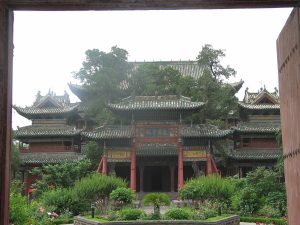
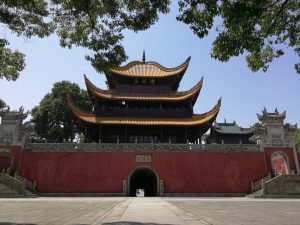
Back in Yuzhou District, Yuntian Culture City rises beside the Nanliu River. The complex is a modern reconstruction of classical pavilions, a Confucian academy, and a performance hall. It feels staged at first, but the calligraphy exhibitions and the evening guqin recitals draw genuine local retirees who practice tai chi in the plaza at dawn. The Shiyi Tower, a seven‑story brick pagoda from the Ming dynasty, stands a short walk away on the old city wall remnant. Climb the internal staircase for a view over tiled roofs toward the river bend where fishing boats still unload at first light.
The municipal museum sits opposite the government square, free entry, closed Mondays. The ground floor holds bronze drums from the Han era and ceramic shards from the Maritime Silk Road kilns. Upstairs, a rotating exhibit often features minority textiles — Zhuang brocade with geometric diamond patterns, Yao indigo jackets stitched with silver thread. Allow an hour; the captions are bilingual.
Markets and Evening Walks
Yulin Pedestrian Street runs perpendicular to the river, a spine of shophouses selling jade bangles, dried seafood, and mountain honey. The real action shifts after dark to the night market on Binjiang Road. Stalls set up under red lanterns: grilled oyster omelets folded over scallions, glutinous rice balls stuffed with black sesame and dropped into ginger syrup, skewers of pork intestine marinated in five‑spice powder. Locals eat standing, wiping fingers on paper napkins, shouting orders over the sizzle. A newcomer hesitates at the stinky tofu stand — the smell hits like ammonia — but the crust is crisp, the center custard‑soft, and the chili sauce cuts the funk. Try one piece on a bamboo stick before committing to a plate.
On the fifteenth day of the eighth lunar month, the Mid‑Autumn lantern festival turns the riverbank into a corridor of floating lights. Families release paper lotus lanterns with written wishes; children chase battery‑operated rabbits. If your visit coincides, arrive early to claim a spot on the stone embankment. The crowd swells after the evening drum performance at the culture city.
What Locals Expect and Where Newcomers Stumble
Yulin people speak a Cantonese‑influenced dialect mixed with Zhuang loanwords. Mandarin works everywhere, but a few phrases — “m goi” for thank you, “hou mei” for delicious — earn smiles. Tipping is not customary; rounding up the taxi fare is enough. In temples and ancestral halls, step over the threshold, never on it. Photography inside the main hall of the Confucian academy is discouraged; ask the attendant first.
Common missteps: assuming the caves are a quick half‑hour stop — allow three hours with travel. Ordering “luosifen” expecting a mild soup — the fermented bamboo shoots deliver a punch that clears sinuses. Walking the pedestrian street at noon in summer — the heat reflects off the stone and the shops shutter for siesta. And skipping the riverfront at dawn — that is when the city shows its quiet face, mist clinging to the water, an old man casting a net in silence.