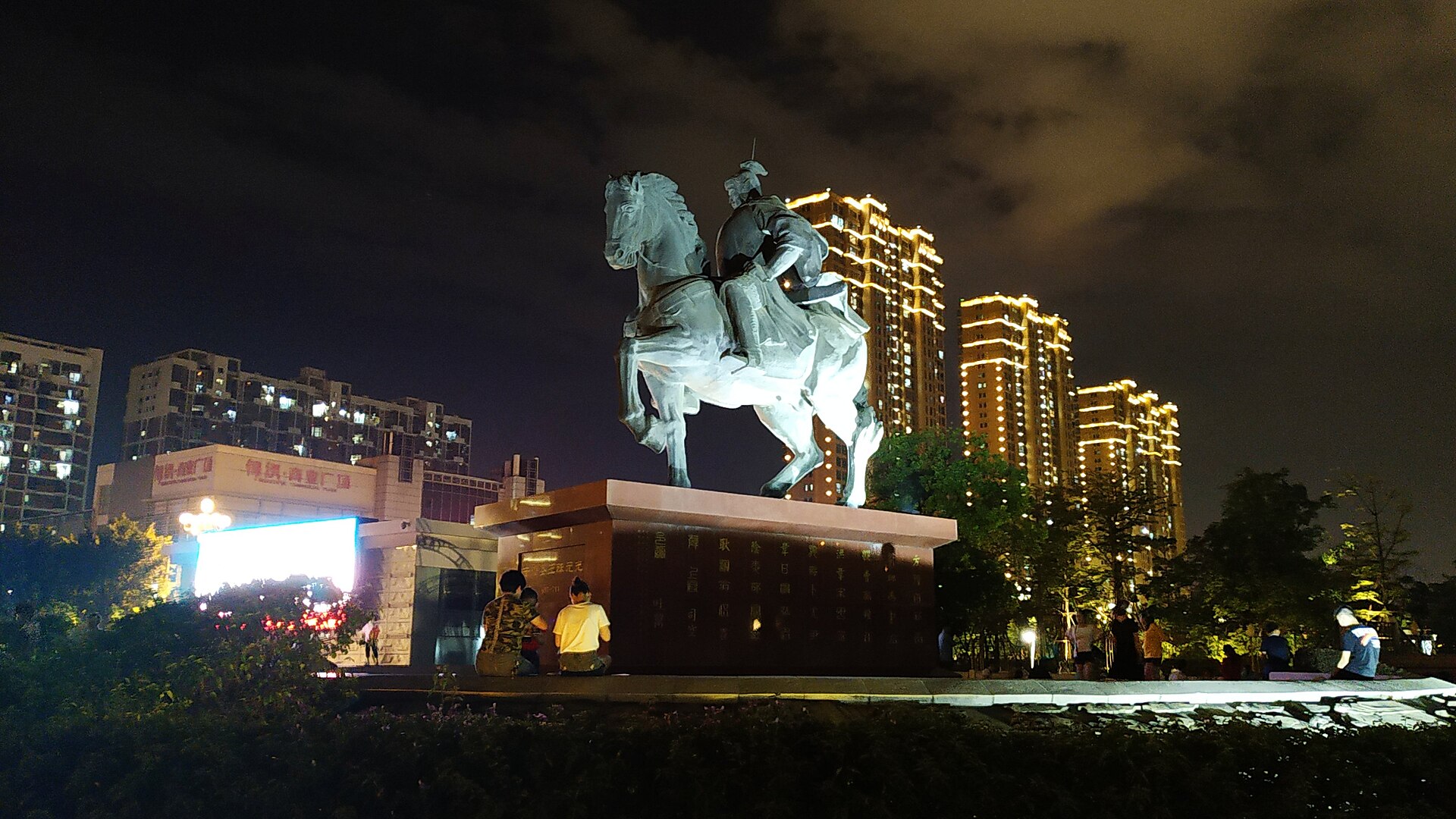
The high-speed train slides into Zhangzhou Station just as the morning fog lifts off the Jiulong River. Outside, a fleet of electric taxis hums beside a row of breakfast stalls where steam rises from bamboo baskets of rice dumplings wrapped in banana leaf. I step onto the plaza with a backpack and a paper map that still shows the old railway station, realizing within minutes that the city has grown far beyond the grid I memorized. The dialect hitting my ears is softer than Xiamen’s, vowels stretched like warm taffy, and the first bowl of noodles I order arrives with a spoonful of chili oil that tastes of fermented shrimp and dried shallots. This is not a transit point. It is a place that feeds you before it asks where you are headed.
Getting There and Moving Around
High-speed rail is the spine of travel here. Trains from Xiamen North take twenty minutes; from Fuzhou, just over two hours; from Shenzhen, roughly three. The station sits in Longwen District, a ten-minute ride from the historic core in Xiangcheng. If you fly, Xiamen Gaoqi International Airport is closer than Zhangzhou’s own nascent airport—forty minutes by airport shuttle bus that departs from the square beside the railway station. Long-distance buses still lace the counties together, but the new expressway network makes a rented car tempting for the coastal loop. Inside the city, the metro Line 1 runs east-west through Xiangcheng and Longwen, and the green city buses cost one yuan with a transport card. Taxis start at eight yuan; ride-hailing apps work, yet drivers often prefer a phone call in Minnan. Download an offline map—English signage thins out once you leave the downtown ring road.
Where to Sleep: From Riverside Lanes to Sea-Facing Inns
In Xiangcheng, the old town hugs the river in a maze of lanes where shophouses lean toward each other. I stayed in a courtyard guesthouse on Zhongshan Road, its wooden lattice windows opening onto a lane where elderly men play xiangqi under a banyan tree. Rooms are simple—firm mattress, mosquito net, shared bathroom—but the host brews tieguanyin at dawn and points you toward the best hand-pulled noodle stall three doors down. For sea air, head to Dongshan County. The island’s windward side has a string of family-run inns with balconies facing the Taiwan Strait; fall asleep to waves, wake to fishermen hauling nets. In Nanjing County, near the tulou clusters, converted earthen buildings offer dorm beds and private rooms with thick rammed-earth walls that stay cool in summer. Book early during the spring tea harvest and the autumn lantern festival; otherwise, walk-ins often find a bed.
Eating Through the Day
Breakfast starts before sunrise. A stainless-steel cart on every corner serves rice dumplings (zongzi) stuffed with pork belly, shiitake, and chestnut, the glutinous rice stained amber by soy sauce. Beside them, bowls of mianxian hu—thin wheat noodles in a milky broth of pork bone, dried oyster, and fried shallot—arrive with a side of pickled mustard greens and a dollop of chili paste. Lunch is often a banquet of small plates: steamed pomfret with ginger and scallion, stir-fried clams with basil, a bowl of braised pork belly so tender the fat melts on the tongue. Dinner drifts toward the night markets. In Zhangpu, the beachside stretch grills squid on charcoal, brushes it with garlic-soy glaze, and hands it over on a paper plate. In Zhao’an, the Teochew influence shows in cold crab marinated in rice wine and a porridge of rice and sweet potato simmered until the grains burst.
- Rice dumpling (zongzi): glutinous rice, pork belly, dried shiitake, chestnut, soy sauce, banana leaf — soak rice four hours, marinate pork overnight, layer ingredients in leaf, tie with straw, steam two hours.
- Mianxian hu: thin wheat noodles, pork bones, dried oysters, fried shallots, cilantro, white pepper — simmer bones six hours, strain, blanch noodles ten seconds, ladle broth, top with oysters and shallots.
- Braised pork belly (hongshao rou): skin-on belly, rock sugar, soy sauce, rice wine, star anise, cinnamon — sear sugar until amber, add pork, coat, add liquids and spices, simmer ninety minutes until sauce clings.
- Grilled squid: whole squid, garlic, soy sauce, chili, lime — score body, marinate fifteen minutes, grill over charcoal three minutes per side, brush glaze, squeeze lime.
- Teochew cold crab: fresh crab, rice wine, ginger, salt — steam crab eight minutes, chill, crack shell, pour chilled rice wine over meat, let sit twenty minutes.
Restaurant ordering tip: point to the live tank for fish, ask for “qing zheng” (steamed clear) with ginger and scallion. Avoid the tourist-set menus near the tulou parking lots—they reheat frozen dishes. Instead, follow the lunch crowd into a back-alley canteen where the menu is a chalkboard and the owner shouts orders in Minnan.
Sights That Stay With You
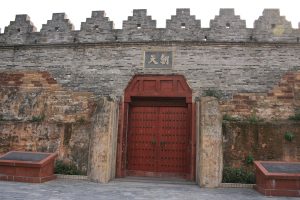
The tulou of Nanjing and Hua’an are the postcard images, but the experience lives in the details. At Tianluokeng, four round towers and one square sit in a bowl of tea terraces. Arrive at first light, before the tour buses, and you can climb the wooden stairs to the third-floor corridor where families still hang laundry beside ancestral tablets. In Hua’an, the Dadi tulou cluster feels quieter; an elderly caretaker unlocks a side gate and lets you into a courtyard where a grandmother sorts dried persimmons. Coastal Dongshan offers a different rhythm. The ancient town of Chenghai has a Ming-dynasty city wall you can walk in twenty minutes, and the wind carries salt and incense from the Mazu temple where women in headscarves leave offerings of pineapple and rice cakes. For a half-day hike, take the mountain road to Yunxiao’s Zhangjiangkou mangrove reserve—boardwalks thread through tidal roots where mudskippers flicker and egrets stalk at low tide. In Pinghe, the guava orchards turn the hills yellow in late autumn; farmers sell crates from the tailgate of three-wheeled trucks, and you can bite into fruit still warm from the sun.
Culture, Language, and What Locals Expect
Minnan is the heartbeat. Even a handful of phrases—”jia ba buay” (have you eaten), “to-sia” (thank you), “m-sai” (no need)—opens doors. Elders may switch to Mandarin if they sense you struggle, but they appreciate the effort. Temple etiquette: enter sideways, never step on the threshold, light three sticks of incense with the left hand, bow three times. At a family dinner, the host serves the best piece of fish to the guest of honor; refuse once, accept the second offer. Business cards are exchanged with two hands; read the card before pocketing it. Tipping is not customary—rounding up a taxi fare is enough. Queues form loosely at bus stops; at a popular noodle stall, you hover near the counter and catch the cook’s eye. Public displays of affection draw stares. Shoes come off at the door of any home and many small shops. If you are invited to a wedding or a housewarming, a red envelope with an even number (avoid four) is standard; the amount depends on closeness, but two hundred yuan is a safe baseline for an acquaintance.
Common Missteps and How to Sidestep Them
First, assuming English works beyond the hotel lobby. Carry a translation app with offline Minnan audio. Second, treating the tulou as museums—people live there. Ask before photographing interiors, and never climb the exterior walls. Third, underestimating the summer heat and typhoon season. The plum rains in early summer turn lanes slick; typhoons in late summer can halt ferries to Dongshan for days. Pack a compact umbrella and quick-dry clothes. Fourth, overpacking the itinerary. The counties are spread out; a day trip to Nanjing tulou from Zhangzhou city eats four hours on the road. Pick two bases—one urban, one coastal or mountain—and stay put. Fifth, ignoring the lunar calendar. The Lantern Festival (fifteenth day of the first month) floods the old town with lanterns and dragon dances; the Ghost Month (seventh month) sees waterfront offerings at dusk. Check a lunar app before you book; some attractions close for ancestral rites. Finally, skipping the morning market. The best food, the loudest gossip, the real rhythm—all happen before nine. Set an alarm, walk out, and let the city feed you.