The minibus from Guangzhou’s Yuexuenan terminal shudders onto the G4 expressway, and within forty minutes the high-rises thin out, replaced by karst peaks that rise like broken teeth from flat rice paddies. By the time the driver announces Zhaoqing’s downtown stop, the air smells of wet stone and frying rice noodles instead of exhaust. You step onto the pavement of Duanzhou District with a backpack and a vague plan to chase waterfalls, only to realize the city itself is built around a lake so large it swallows the horizon.
Getting There Without the Headache
High-speed rail is the only civilized way to arrive. Trains from Guangzhou South pull into Zhaoqing East Station in thirty-five minutes; a second-class seat costs roughly the price of a decent lunch. Exit the station, ignore the touts shouting about private cars, and cross the forecourt to the official taxi queue — thirty minutes to the Seven Star Crags hotel zone, meter running, no negotiation needed. If you’re flying into Baiyun Airport, the direct airport coach leaves from the arrivals hall every hour; it deposits you at the downtown bus terminal near the ancient city wall, two kilometers from the lake. Driving yourself? The G4 and G80 expressways are wide and well-signed, but weekend evenings turn the toll plazas into parking lots. Park at your hotel and forget the car exists.
Seven Star Crags: The Lake That Ate the City
Seven Star Crags (Qixingyan) isn’t a park you visit; it’s the city’s living room. The seven limestone islands sit in the middle of Star Lake, connected by arched stone bridges and a perimeter road that locals jog at dawn. Rent a paddle boat from the south gate dock — twenty yuan for half an hour, cash only — and thread between the islands where herons stalk the shallows. The Archway Island (Paifangzhou) holds a Song-dynasty stele half-swallowed by banyan roots; Butterfly Island (Hudiezhou) smells of gardenia in late spring. Stay for the laser light show after dusk: beams paint the cliffs while elderly couples dance the cha-cha on the lakeside plaza, speakers crackling. Mistake beginners make: treating it as a two-hour tick-box. Come back at three different lights — misty dawn, harsh noon, neon night — and you’ll start to understand why poets have been carving verses into these cliffs for a thousand years.
Dinghu Mountain: Where the Monks Brew Tea
Twenty kilometers east of downtown, Dinghu Mountain rises in folds of subtropical forest. The main trail from the ticket gate to the summit temple climbs 1,200 stone steps through bamboo groves and past waterfalls that roar after rain. Halfway up, a clearing opens beside a spring where an old nun sells tea boiled in a cast-iron kettle over charcoal. One small cup — bitter, sweet, smoky — costs ten yuan and tastes like the mountain itself. The Qingyun Temple at the top dates to the Ming dynasty; its bronze bell still rings at 5 a.m. and 5 p.m. Wear grippy shoes; the moss-slick steps have humbled many a sandal-clad tourist. If your knees protest, a cable car hauls you to the mid-mountain station, but you’ll miss the ginkgo alley that turns gold in late autumn. Pack a light rain jacket even on blue-sky mornings; the microclimate here generates its own clouds.
Day Trips That Don’t Require a Spreadsheet
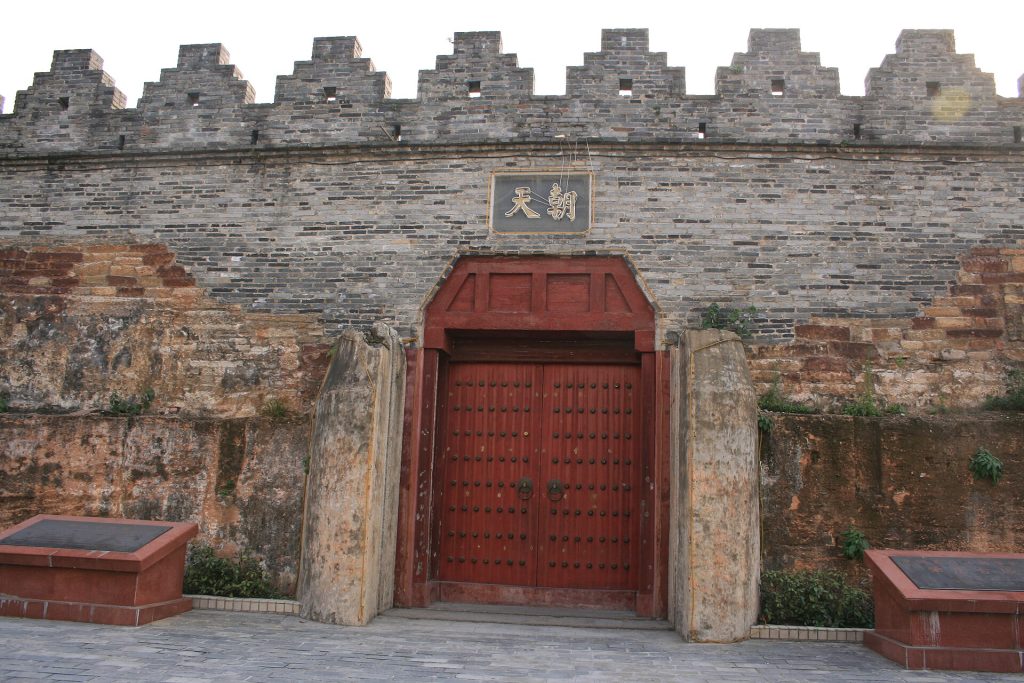
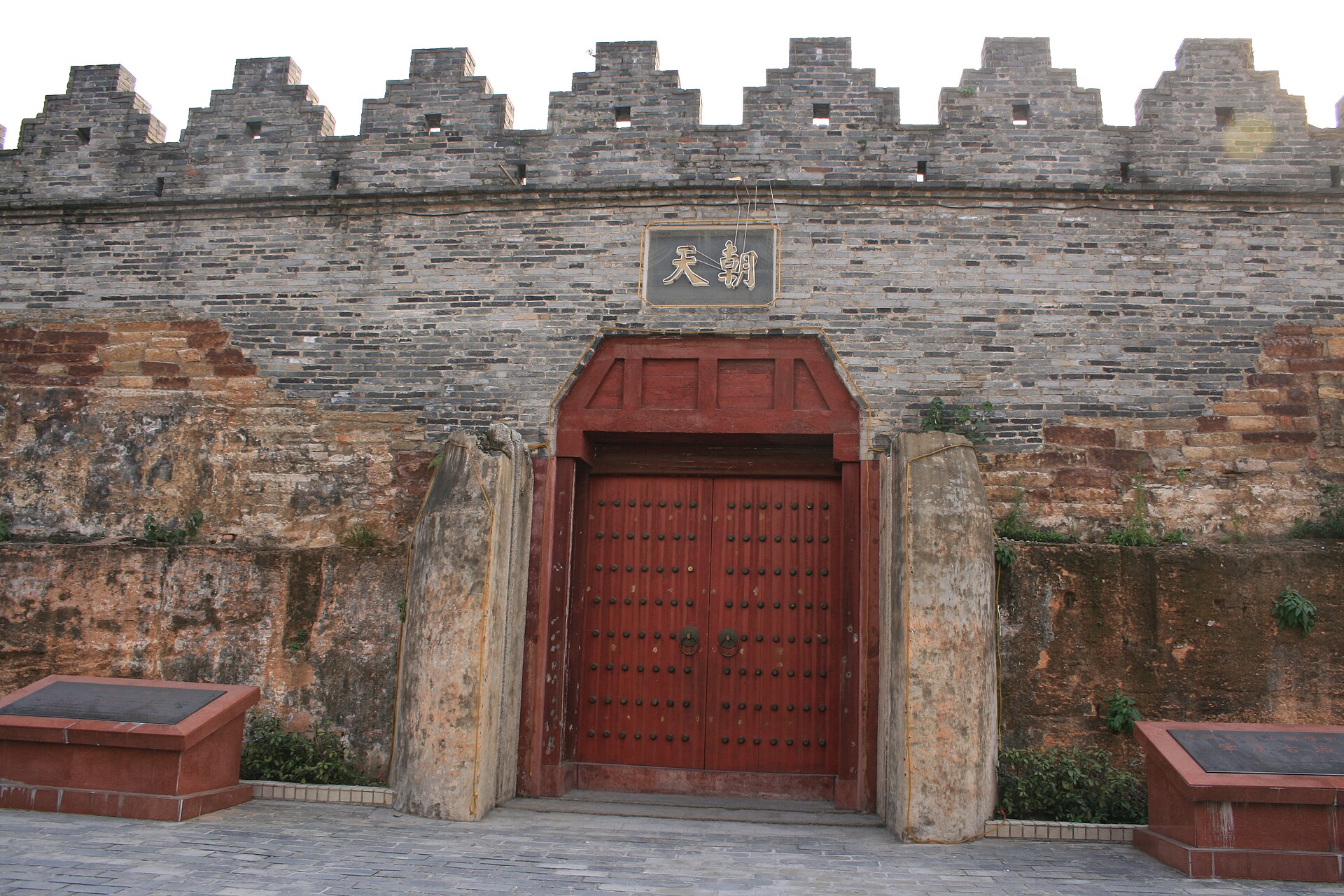
Kaiping’s watchtowers (diaolou) sit ninety minutes southwest by bus from the downtown terminal. The multi-story fortified villas — blend of Chinese and Western styles — cluster in villages like Zili and Majianglong. Go on a weekday; weekends flood the narrow lanes with tour groups. Lunch in Kaiping means steamed pork belly with preserved mustard greens at a family kitchen behind the ticket office; point at what the locals are eating. Closer to Zhaoqing, the Deqing Confucius Temple sits in a walled compound where students still rub the stone tortoise’s head for exam luck. The surrounding alleys sell hand-pressed sesame oil and fermented bean curd in ceramic jars — buy a small pot, wrap it in three plastic bags, and it survives the train ride home. For river scenery without the cruise-ship crowds, hire a fisherman’s boat at the Xijiang wharf near the ancient city wall. Two hours upstream, the water turns jade-green between cliffs; the boatman will grill fresh river shrimp on a foil packet over a portable gas stove, seasoning them with garlic, chili, and a splash of local rice wine.
Eating: Rice Noodles at Midnight, Tea at Dawn
Zhaoqing’s signature dish is fen (rice noodle sheets) rolled around minced pork, dried shrimp, and scallions, then steamed in bamboo baskets. The best stall sits in a lane behind the Drum Tower, identifiable by the bamboo steamer tower and the queue of delivery riders. Order “yifen” — one portion — add a spoon of chili oil and a dash of black vinegar from the communal jars, eat standing at a plastic stool. For breakfast, hunt down a bowl of “shuijiao” wonton soup: paper-thin wrappers, shrimp-pork filling, broth simmered since midnight with pork bones and dried flounder. Dinner demands a riverside restaurant serving “xiangyu” — whole mandarin fish scored and deep-fried until the fins curl like lace, then drenched in sweet-sour tomato-ginger sauce. Peel the meat with chopsticks; the crisp skin is the prize. Avoid the “tourist set menus” advertised with laminated photos near the lake’s north gate; they reheat frozen dumplings and charge triple.
- Fen (rice noodle rolls): rice noodle sheets, minced pork, dried shrimp, scallions, bamboo steamers, chili oil, black vinegar
- Shuijiao wonton soup: wonton wrappers, shrimp, pork, pork bones, dried flounder, white pepper
- Xiangyu fried fish: whole mandarin fish, cornstarch, oil for deep-frying, tomato, ginger, sugar, vinegar, rice wine
- Deqing sesame oil: raw sesame seeds, stone mill, ceramic jars
- Fermented bean curd: tofu cubes, rice wine, red yeast rice, salt, chili powder
Sleeping, Timing, and the Mistakes That Cost You
Stay within walking distance of Star Lake’s south or west gate. The chain hotels on Qingyun Road have reliable hot water and English-speaking front desks; boutique guesthouses in renovated shophouses near the ancient city wall offer courtyard views but check reviews for soundproofing — walls are paper-thin. Spring (third to fifth lunar month) brings the gardenia bloom and comfortable hiking weather; autumn (eighth to ninth lunar month) paints the ginkgo gold. Summer is oppressive humidity punctuated by thunderstorms; winter is damp cold that seeps into bones. Three mistakes that mark you as a novice: buying “antique” coins from the vendors at Dinghu’s temple steps (they’re cast last week in Foshan), hiring a “guide” who appears uninvited at the rail station (he earns commission from overpriced tea shops), and assuming the lake’s perimeter road is a scenic drive (it’s a pedestrian-bike path; cars get ticketed). Carry small bills — fifty and twenty yuan notes — for boats, tea, and temple incense. Mobile payment works everywhere, but the old nun at the mountain spring only accepts crumpled red notes handed with both hands.