The minibus shudders to a halt beside a steaming pot of hulatang at a crossroads where the Shaying River bends east. Steam carries white pepper, beef fat, and gluten knots into the cool dawn air. An old vendor ladles a bowl, drops a spoonful of chili oil, and slides it across the counter without a word. You sip, the heat blooming behind your ears, and watch bicycles loaded with cabbage crates weave past a statue of Laozi riding a water buffalo. This is Zhoukou: a river town that feeds travelers before it shows them its temples.
Getting Oriented
Zhoukou sits in eastern Henan, roughly halfway between Zhengzhou and the Anhui border. The Shaying River cuts through the urban core, dividing the older neighborhoods of Chuanhui District from the newer government quarters across the water. Most long‑distance buses and the high‑speed rail station cluster on the north bank, while the historic sites — Laozi’s hometown, the ancient Chen capital ruins — lie south and west. Taxis start at a flag‑fall of about eight yuan; a ride across the river bridge takes ten minutes in light traffic. If you prefer two wheels, shared e‑bikes unlock with a phone scan and cost a few jiao per kilometer. Download an offline map of the river loop; street signs switch to pinyin only on major arteries.
Where to Sleep
Business hotels line Renmin Road near the railway station. Rooms are clean, air‑conditioned, and usually include a breakfast of steamed buns and pickled vegetables. A standard double runs 180–260 yuan per night. For a quieter stay, walk ten minutes west to the lanes behind the Confucius Temple. Several courtyard guesthouses have been converted from Qing‑era merchant homes. They offer tiled courtyards, heavy wooden doors, and hosts who will wake you with fresh soy milk at six. Prices hover around 300 yuan, cash preferred. Book ahead during the spring temple fair — rooms vanish fast.
Eating Through the Day
Breakfast begins with hulatang, the peppery beef soup thickened with wheat gluten, vermicelli, and day‑lily buds. Locals dip fried dough sticks into the broth, then chase it with a bowl of tofu pudding drizzled with ginger syrup. Midday, head to the night‑market alley behind the Drum Tower for huimian — wide hand‑pulled noodles in a mutton broth so clear you can see the bottom of the bowl. Toppings arrive in small plates: cilantro, pickled garlic, chili paste, and a spoonful of rendered sheep fat. Dinner calls for a riverside stall serving grilled carp brushed with fermented bean sauce, served with cold cucumber ribbons and steamed corn buns.
- Hulatang base: beef shank, bone broth, wheat gluten, vermicelli, day‑lily buds, white pepper, ginger, chili oil.
- Huimian dough: high‑gluten flour, water, salt — kneaded thirty minutes, rested, then pulled into ribbons.
- Mutton broth: sheep bones, scallion, ginger, cooking wine, simmered four hours, skimmed clear.
- Grilled carp: whole river carp, fermented black bean paste, garlic, scallion, oil, charcoal fire.
Order by pointing at the pot or the picture menu on the wall. Say “shao la” for extra spice, “bu yao suan” if you skip garlic. A bowl of hulatang costs six yuan; huimian twelve; grilled carp thirty‑five. Pay cash or scan the vendor’s QR code — most accept both.
Sites Worth the Walk
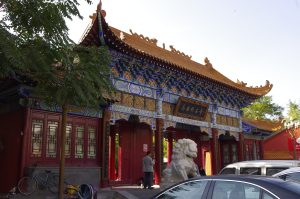
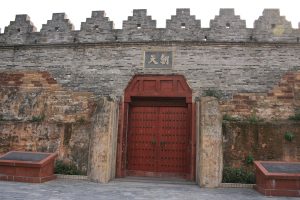
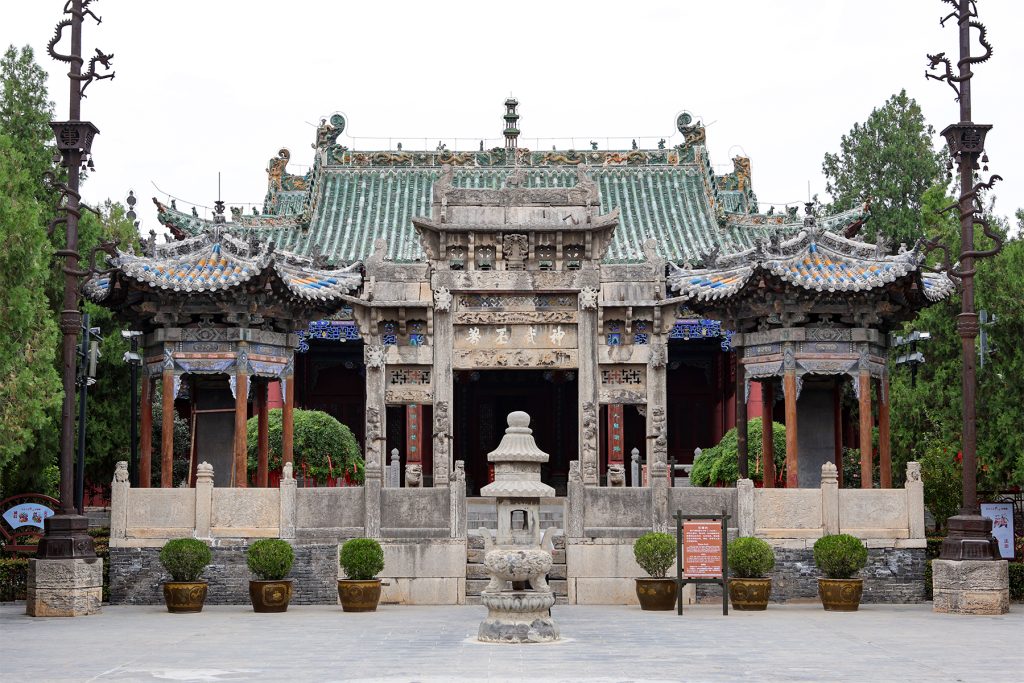
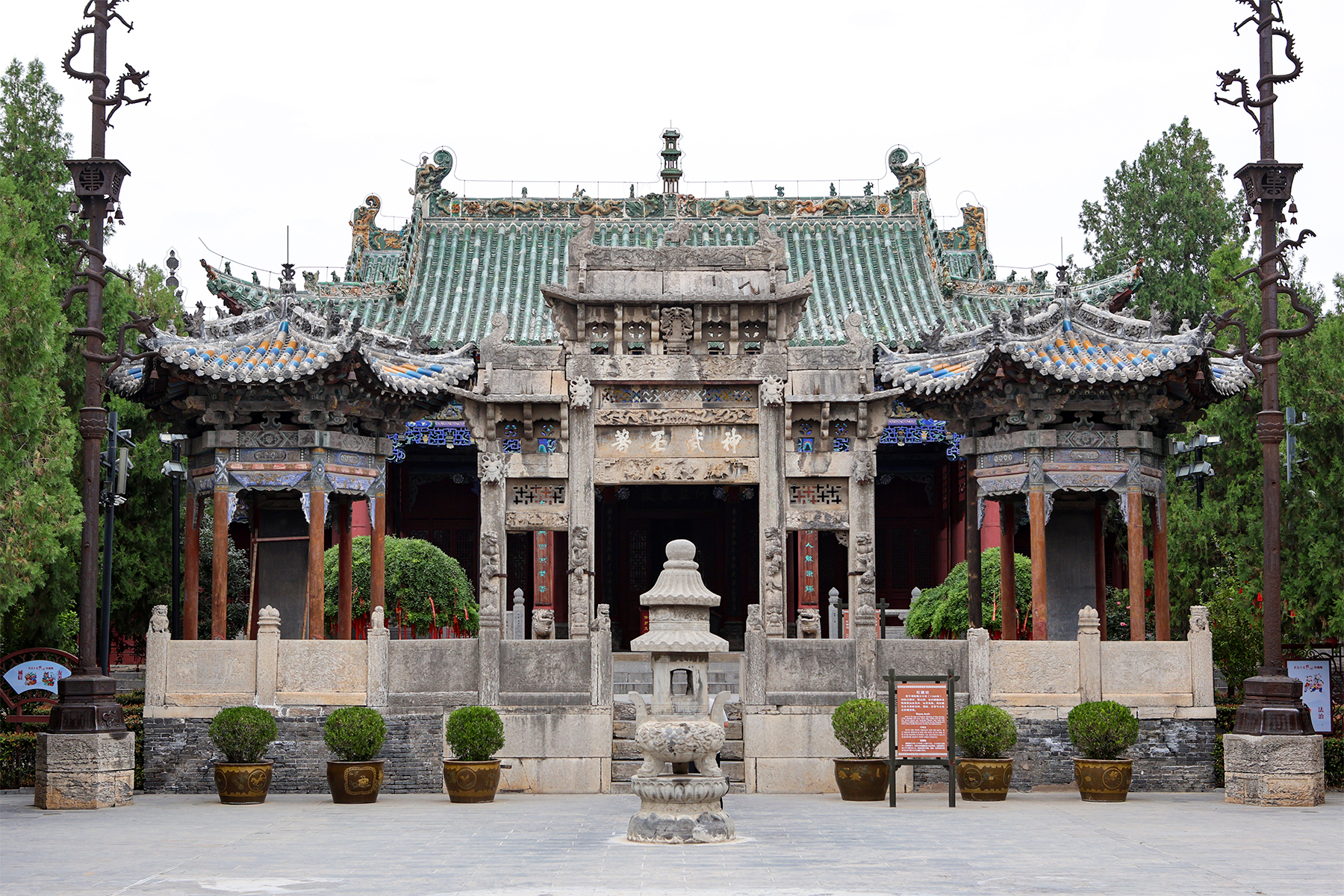
Start at the Taiqing Palace complex in Luyi County, an hour’s bus ride west. The main hall houses a Ming‑dynasty bronze statue of Laozi, blackened by centuries of incense. Pilgrims circle the courtyard three times, whispering verses from the Daodejing. Wear flat shoes; the stone steps are worn smooth. Back in the city, the Chen‑State Ancient City Park preserves rammed‑earth walls from the Spring and Autumn period. A reconstructed gate tower overlooks a lotus pond where elders practice tai chi at sunrise. Entry is free; donate a few yuan at the incense burner if you wish.
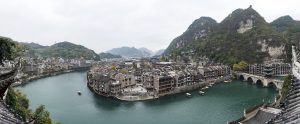
The Shaying River promenade stretches five kilometers from the railway bridge to the old floodgate. Rent a paddle boat for twenty yuan an hour, or simply follow the paved path past willow groves and open‑air chess tables. In late autumn, ginkgo leaves carpet the walkway gold. The Zhoukou Museum, a modern glass box near the government center, holds Han‑dynasty jade suits and Tang‑era pottery unearthed from local tombs. Allow ninety minutes; labels are in Chinese and English.
Local Rhythms and Etiquette
Morning markets peak before eight. Vendors arrange pyramids of persimmons, bundles of scallions, and live river shrimp in plastic basins. Haggle lightly — a smile and “pian yi dian” usually shaves a yuan or two. Temples expect modest dress: shoulders covered, no shorts. When you enter a hall, step over the threshold, not on it. Photography inside the main sanctuary is often prohibited; look for the red‑crossed camera sign. If a monk offers a blessing knot, accept with both hands and a slight bow.
Evenings bring square dancing to the plaza beside the Drum Tower. Grandmothers in matching tracksuits move to remixed folk songs. Join the back row if you know the steps; otherwise, watch from the stone benches with a cup of roasted barley tea. Alcohol is rare in public — baijiu appears at private banquets, not street stalls. Tipping is not customary; a sincere “xie xie” suffices.
Common Missteps
- Assuming the high‑speed station is downtown — it sits ten kilometers north; allow forty minutes by taxi.
- Skipping the river‑bank food lanes because they look “unhygienic.” The busiest stalls have the fastest turnover and the freshest oil.
- Visiting Taiqing Palace on the first day of the lunar month without expecting crowds — thousands of pilgrims arrive before dawn.
- Relying solely on ride‑hailing apps after ten p.m.; drivers log off. Keep a hotel card with the address in Chinese for a street‑hail cab.
- Expecting English menus beyond the main hotel restaurant. Carry a photo of the dish you want or learn the two‑character name.
Zhoukou rewards the traveler who moves at river pace: slow, steady, and fed by fire‑kissed broth. Pack a light rain jacket for spring drizzle, a pair of worn‑in walking shoes, and an appetite that wakes before sunrise. The city will do the rest.