The train brakes hiss as the carriage shudders into Zhuzhou South station. Steam rises from a vendor’s noodle pot on the platform, mixing with the smell of chili oil and hot metal. I step onto the concourse, pull my suitcase toward the exit, and watch commuters scatter toward the elevated walkways that stitch the station to the city. There is no tourist desk, no glossy map rack—just a row of shared-bike QR codes and a taxi queue that moves fast. This is a city built on rails, and the rhythm of arrivals and departures still sets the pace of daily life.
Getting oriented
Zhuzhou spreads along the Xiang River, with the old downtown clustered on the west bank and newer districts fanning out east toward the high-speed rail hub. The two main railway lines—Beijing–Guangzhou and Shanghai–Kunming—cross here like a giant X, so the city grew around junctions rather than a single center. Most visitors land at Zhuzhou West for conventional trains or Zhuzhou South for bullet services. From either station, a subway ride on Line 2 drops you at the commercial spine near Hongqi Square in fifteen minutes. Buses are cheap but the route maps are Chinese-only; ride-hailing apps work reliably if you have a local number. I usually grab a shared e-bike for the last kilometer—scan, unlock, and weave through the bike lanes that run beside the river.
Where to walk first
Start at the Xiang River promenade near the municipal government buildings. Early morning brings tai chi groups moving in slow circles, retirees dancing to crackly speakers, and fishermen casting lines from the stone embankment. Walk north past the sculpture park toward the Yan Emperor Square, where a towering bronze statue faces the water. The plaza fills with kite flyers when the autumn wind picks up. Cross the pedestrian bridge to Shennong Park for a quieter stretch of bamboo groves and a small tea house that serves dark brick tea by the pot. If you have an afternoon, the Hunan Provincial Museum branch on the east bank holds a compact exhibit on the city’s railway heritage—steel rails, vintage tickets, and a cutaway locomotive cab you can climb into.
Day trips that locals actually take
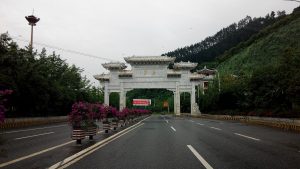
Yan Emperor Mausoleum sits about thirty kilometers south, reachable by bus 202 or a forty-minute drive. The complex climbs a forested hill in stages: a ceremonial gate, a hall of tablets, and the tomb mound shaded by ancient camphor trees. Pilgrims come during the Qingming festival to burn incense and offer rice wine; on ordinary days the paths are empty enough to hear the wind in the canopy. Closer to town, the Fantong Ancient Kiln site in Liling shows Song-dynasty porcelain shards half-buried in the red clay. You can watch artisans throw celadon bowls in the attached workshop and buy a cup that fits the palm without a handle. For a cooler escape in summer, take the mountain road to Shennong Valley—waterfalls, plank walkways, and a stream cold enough to numb toes in July.
Eating like a resident
Zhuzhou food leans hot, salty, and fermented. The signature dish is a bowl of rice noodles drowned in a broth thick with pickled long beans, minced pork, chili oil, and a spoonful of douchi—fermented black soybeans that taste like concentrated umami. You’ll find it at hole-in-the-wall stalls near the train stations and at the night market behind Hongqi Mall. Order “san xian” for three toppings: pork liver, pickled mustard greens, and peanuts crushed to grit. Another staple is stir-fried pork with smoked tofu and garlic chives, served sizzling on an iron plate. For a sit-down meal, head to the alleys around Jianning Road where family-run places serve whole steamed fish heads drowned in chopped red chilies—peel the tender cheek meat with chopsticks and mix it into your rice.
- Rice noodles (米粉) — thin, white, hand-pulled strands
- Pickled long beans (酸豆角) — crisp, sour, neon green
- Douchi (豆豉) — black, soft, intensely salty
- Chili oil (辣椒油) — red, fragrant, sediment at bottom
- Minced pork (肉末) — fatty, caramelized at edges
- Peanuts (花生米) — skin-on, crushed coarse
To approximate the broth at home, simmer pork bones for two hours, strain, then stir in a tablespoon of douchi, a handful of pickled beans, and a ladle of chili oil. Blanch noodles ten seconds, drop into a bowl, pour broth over, top with minced pork and peanuts. Eat immediately—the noodles soften fast.
Night rhythm and small mistakes
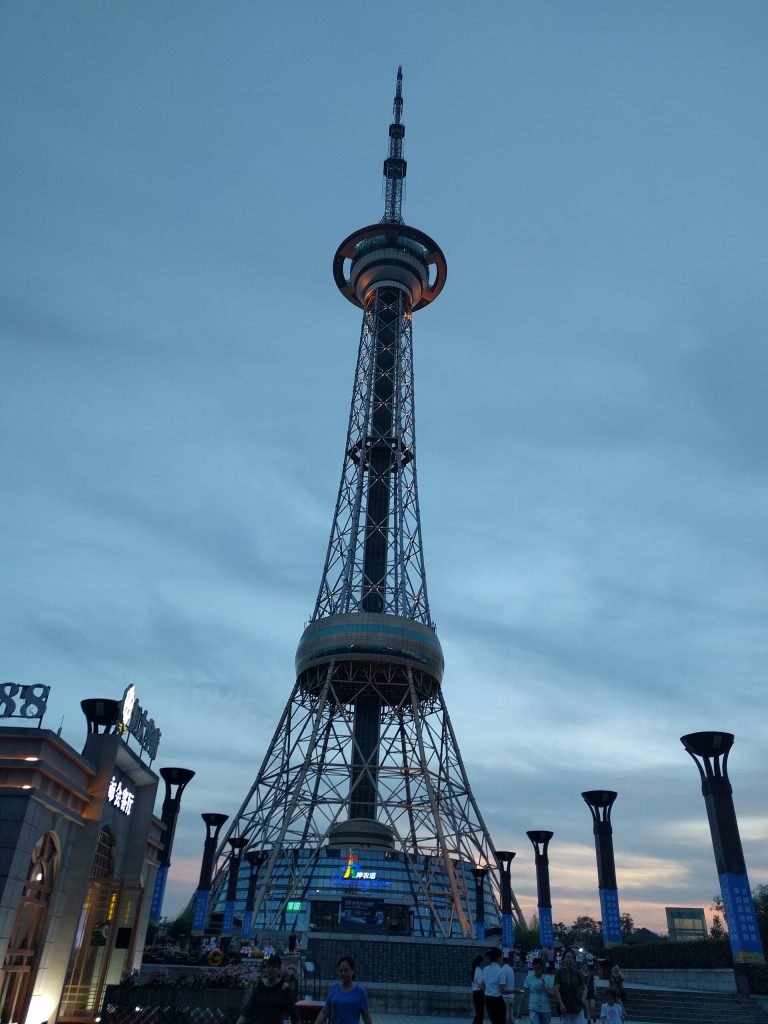
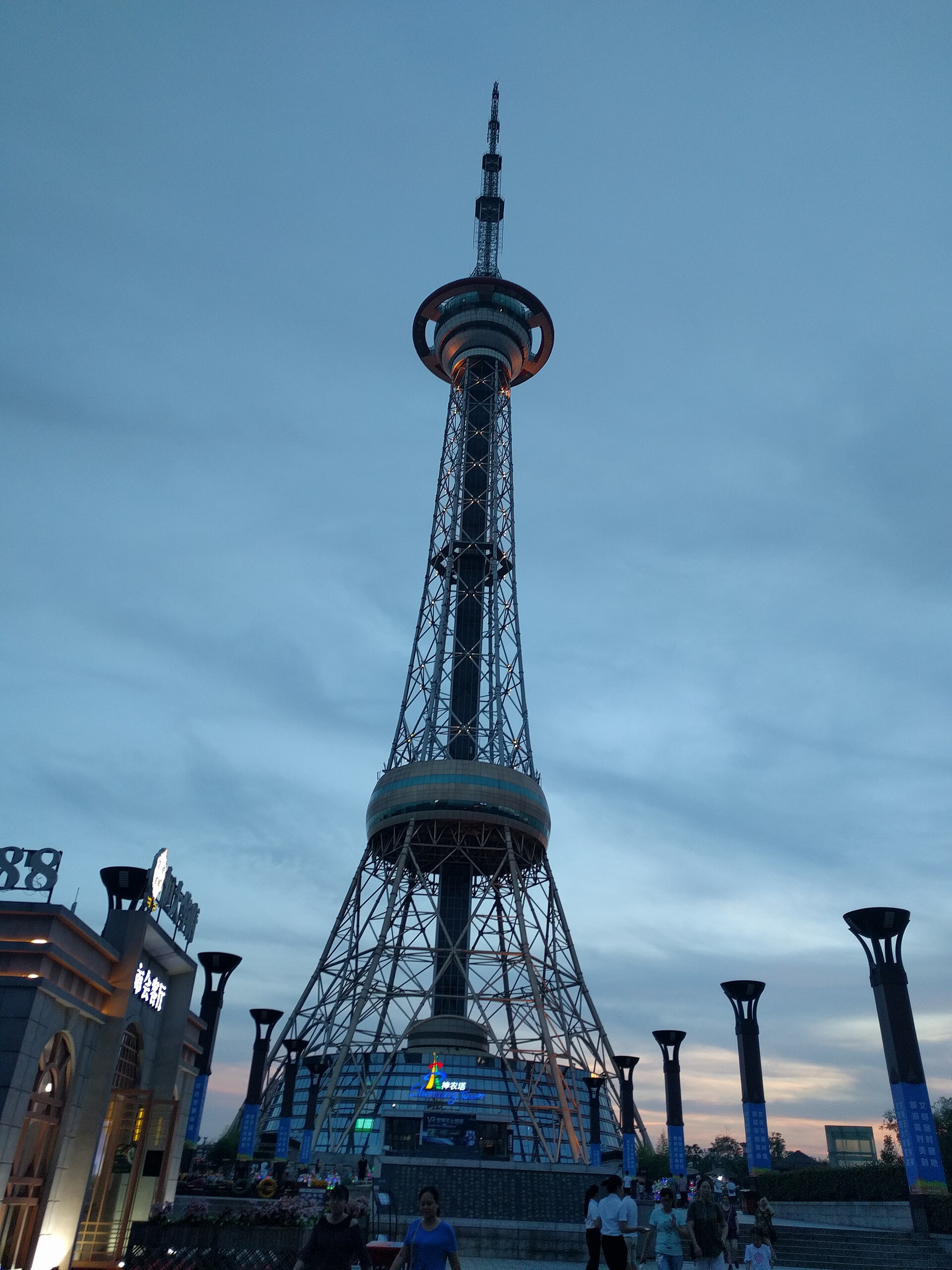
After dark, the riverfront lights up with LED strips on the bridges and projection shows on the municipal towers. Locals gather at open-air barbecue stalls on the island near the TV tower—skewers of lamb, lotus root slices, and garlic-slathered eggplant grilled over charcoal. Beer arrives in warm bottles; ask for “bing de” if you want it cold. A common newcomer error is ordering “la zi ji” expecting dry-fried chicken with chilies; here the dish arrives as a soup of whole dried peppers with a few meat scraps hidden underneath. Another trap: hailing a black cab at the station. They quote triple the meter rate. Use the ride-hail app or walk two blocks to the official taxi stand. Finally, don’t assume English menus exist. Point at a neighbor’s bowl, hold up fingers for portions, and smile. The server will nod, shout the order to the kitchen, and you’ll get exactly what the table next to you is eating.
Seasonal practicalities
Spring brings the tea harvest in the hills around Liling—misty mornings, damp stone paths, and the chance to knead fresh leaves in a farmer’s courtyard. Summer is sweltering; carry a folding fan and a packet of salted plum powder to sprinkle on watermelon. The dragon boat races on the Xiang River fall on the fifth day of the fifth lunar month—crowds pack the banks, drums pound, and the air smells of zongzi leaves. Autumn is the sweet spot: dry, cool, and the ginkgo trees along Jianning Road turn gold. Winter is gray and damp, rarely freezing, but the wind off the river cuts through a light jacket. Pack layers, waterproof shoes, and a small towel—public restrooms rarely supply paper.
Leaving without regret
On my last morning I return to the promenade before the first train. The tai chi circles have reformed, the fishermen are back, and a vendor flips scallion pancakes on a drum griddle. I buy one, folded in a paper square, the oil warming my fingers. The city doesn’t perform for visitors; it simply runs on its own schedule—rail whistles, market cries, the clack of mahjong tiles from upstairs windows. I board the bullet train, watch the smokestacks and orange groves blur, and make a mental note to come back when the ginkgo leaves fall.