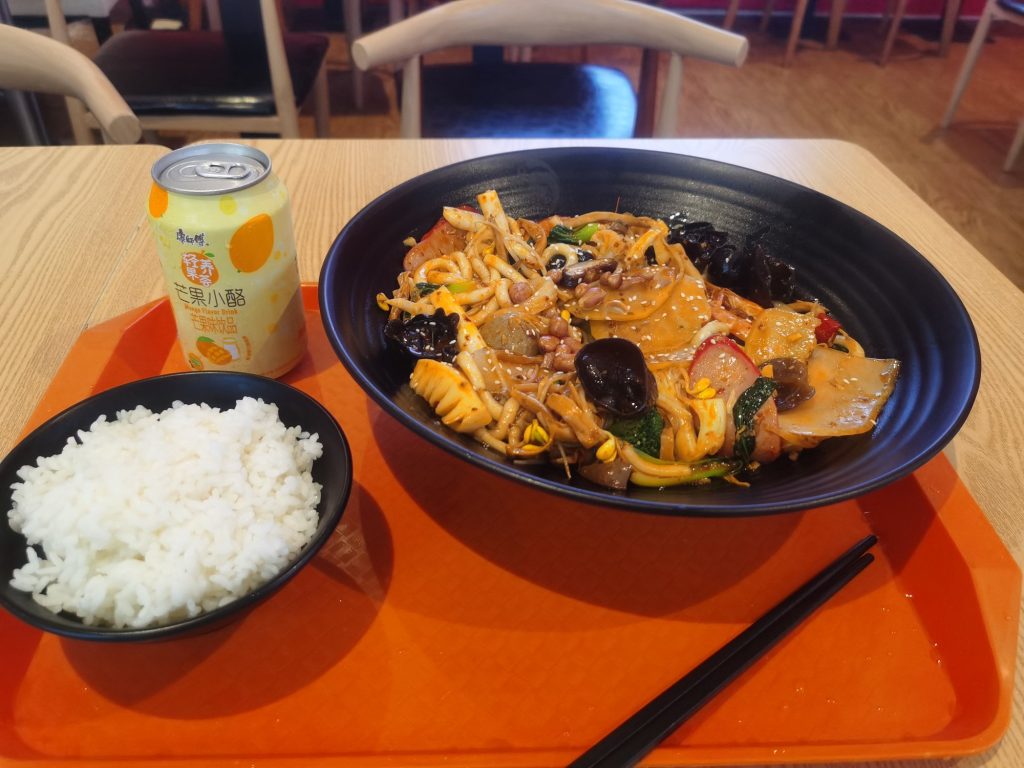
What mala xiangguo actually is
Mala xiangguo—麻辣香锅 (málà xiāngguō)—is a Sichuan-inspired dry pot: you choose meats, seafood, tofu, and vegetables from a buffet-style display (or a menu), staff stir-fry everything together in a wok with chili, Sichuan peppercorn, and fragrant oil, then dump the mix into a metal or ceramic pot for your table. Unlike soup hotpot, there is little or no broth at the end—just glossy, spicy, aromatic coating on the ingredients.
English menus may say “spicy dry pot,” “mala dry pot,” “xiangguo,” or “spicy wok.” The Chinese 麻辣香锅 is the reliable label. If translation apps scramble the name, photograph the characters—see reading Chinese menus with photo translation apps.
This guide is for English-speaking travelers and expats who want a calm first visit: how the pick-and-fry flow works, how to ask for milder spice, what to expect on the plate, what to drink, and how not to over-order.
Dry pot vs hotpot (do not confuse them)
Hotpot (火锅) is a simmering broth pot where you cook raw ingredients at the table. Xiangguo is cooked in the kitchen (or an open wok station) and arrives ready to eat. You will not get a long communal boil session. If you wanted mild broth and slow cooking, look at Chongqing hotpot mild options or hot pot broth bases explained instead.
Xiangguo heat is often front-loaded: chili and peppercorn hit immediately. Hotpot heat can build more gradually. First-timers who survived mild hotpot sometimes underestimate dry pot oil and peppercorn.
How a typical shop works
Most city xiangguo places use a self-serve ingredient bar plus a spice ticket:
1. Take a tray or basket and pick ingredients by weight or by piece (rules vary—watch what locals do).
2. Hand the tray to the wok station and choose spice level (or mark a paper ticket).
3. Staff weigh the tray (if priced by weight), cook, and bring the finished pot.
4. You eat with rice; condiments may sit on the table (garlic, vinegar, cilantro).
Some chains use QR ordering with photos of set combinations instead of a buffet. The spice logic is the same—see Chinese restaurant QR menus for foreigners.
Peak dinner hours mean long wok queues. Go slightly early or late if you hate waiting with a tray of raw lotus root in your hands.
Building a first-timer tray
Think in categories, not “one of everything”:
- Protein: thinly sliced beef, chicken, shrimp, fish balls, luncheon meat, or tofu skins. One or two proteins is enough for two people starting out.
- Vegetables: potato, lotus root, cauliflower, cabbage, wood ear, bean sprouts, greens. Starchy veg absorb sauce and calm heat.
- Texture extras: tofu cubes, quail eggs, enoki, vermicelli—easy to over-add because they look small.
Avoid loading the tray with only soft tofu and mushrooms if you dislike oil-soaked texture. Balance crunchy veg with one meat. Many shops have a “chef’s recommended combo” photo—pointing at it is a valid first order when the buffet feels overwhelming.
Do not invent a fixed budget in your head. Shops price by weight, by piece, or by set; ranges vary by city and chain—check the board or the scale screen, not a blog number.
Spice levels: what the words mean
Ask clearly before the wok starts:
- 不辣 / 不要辣 — no spicy (you may still get mild chili fragrance)
- 微辣 — mild
- 中辣 — medium (often still strong for newcomers)
- 特辣 / 变态辣 — very / extreme; skip on night one
- 少放花椒 — less Sichuan peppercorn (less numbing)
- 清淡一点 — lighter overall
Mala means spicy and numbing. If chili heat is fine but the buzzing mouthfeel is not, emphasize 少花椒. If peppercorn is fine but chili oil is not, emphasize 少辣椒油 / 微辣.
Taste one potato or cabbage piece first. Oil pools at the bottom—do not immediately scoop the reddest bit onto white rice and call the dish “impossible.”
How to eat it (and what to order with it)
Xiangguo is almost always eaten with plain white rice. The rice is not optional decoration; it is the heat buffer. Order rice when you hand over the tray so it arrives with the pot.
Useful table habits:
- Stir the pot occasionally so milder pieces mix with spicier oil.
- Move pieces onto your rice bowl rather than fishing endlessly in hot oil.
- Garlic paste or vinegar on the side can brighten heavy oil—use sparingly.
Drinks that help: unsweetened soy milk, herbal tea, beer if you drink, or plain water. Sugary sodas are common but do not “cancel” peppercorn. For payment habits in China, keep Alipay and WeChat Pay for foreign visitors ready; many xiangguo shops are QR-first.
If you want another Sichuan oil-forward dish on a different night, shuizhu yu (boiled fish in chili oil) is a useful comparison—more broth/oil bath, less buffet picking.
A calm first-timer script
1. Watch one table’s tray size before you load yours.
2. Pick one protein + three vegetables + one tofu item.
3. Tell the cook: 微辣,少花椒 (mild, less peppercorn).
4. Order 两碗米饭 (two bowls of rice) for two people—or one generous bowl if solo.
5. Sit, wait for the pot, taste a mild vegetable first, then adjust with table garlic/vinegar if needed.
6. Pay at the counter or scan; confirm the weight price on the screen before tapping.
Pocket line: 微辣香锅,少花椒,两碗米饭。
If staff ask whether you want sesame oil, cilantro, or garlic added in the wok, 不要香菜 refuses cilantro; garlic is usually welcome.
Regional and chain variations
Dedicated xiangguo restaurants in Chengdu, Chongqing, and big coastal cities often run true buffet bars and strong mala. Mall food courts may offer smaller set dry pots with fixed ingredient lists—easier for solo diners. Northeast- and north-China adaptations sometimes sweeter or less numbing. Home-style restaurants may list xiangguo as one menu item with set ingredients rather than a DIY bar.
“Xiangguo” on a Yunnan or Cantonese menu is not automatically Sichuan mala—confirm chili and peppercorn before you commit. When in doubt, show 微辣 on your phone screen.
Etiquette and practical tips
- Shared pot: use serving chopsticks or the public spoon if provided; do not dig personally into every corner if you are dining with new acquaintances who care about hygiene norms.
- Do not tip—casual restaurants in China generally do not expect it.
- Leftover oil is normal; leftover untouched ingredients mean you over-ordered.
- Solo diners are fine; ask for a small pot / half portion if the shop offers it.
- Peak times: dinner and late evening. Lunch can be calmer.
- Street-adjacent stalls exist in some cities; for general hygiene judgment on your first month, skim street food safety notes.
Common first-timer mistakes
- Filling the tray like a supermarket run—weight pricing punishes enthusiasm.
- Ordering 特辣 to “be authentic” on night one.
- Skipping rice.
- Confusing xiangguo with soup hotpot and waiting for a broth burner that never arrives.
- Eating only the chili-heavy bits at the bottom and deciding the whole genre is impossible.
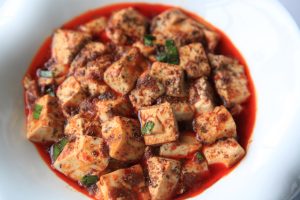
- Assuming every red oily dish is the same as mapo tofu or shuizhu—different textures, different pacing.
Allergies and diet notes
Peanut and sesame appear in some house sauces—ask if you have allergies (有花生吗? / 有芝麻吗?). Shellfish cross-contact is real on shared wok lines. Classic mala oil is not vegetarian-friendly by default (lard or meat residues can appear even in “vegetable” trays). If you need vegetarian cooking, ask whether the wok and oil are meat-free; many busy shops cannot guarantee it. Soft drinks and rice are the easy safe sides; the pot itself needs explicit questions.
Bottom line
Pick a modest tray, demand 微辣 / 少花椒, eat with rice, and treat the first pot as a calibration meal. Once you know how a shop’s “mild” feels, you can climb spice—or stay forever at mild with extra potato and cabbage. Mala xiangguo rewards control more than bravado, and it is one of the most social, customizable introductions to Sichuan-style heat outside a full hotpot table.