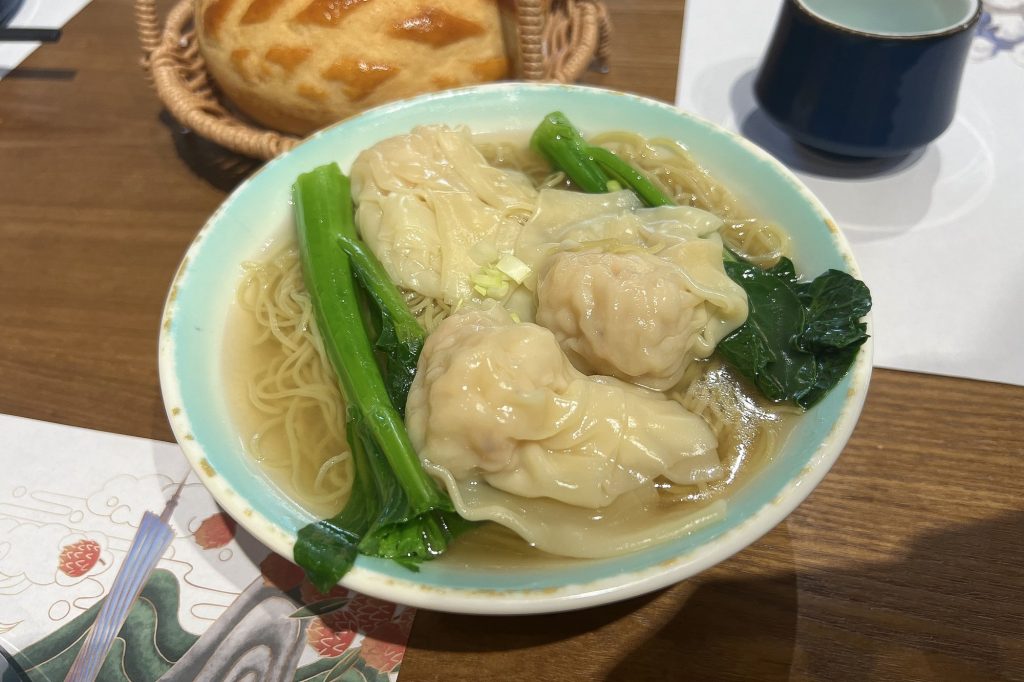
What Cantonese wonton noodles actually are
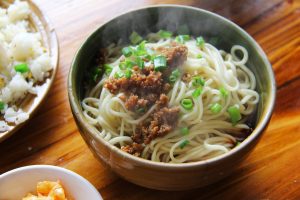
Cantonese wonton noodles—云吞面 / 雲吞麵 (yúntūn miàn)—combine springy alkaline wheat noodles with pork-and-shrimp wontons in a clear, savory broth, often finished with leafy greens. In Guangdong, Hong Kong–style shops, and Cantonese restaurants nationwide, this is a comfort bowl: clean soup, bouncy noodles, and a few well-made dumplings rather than a mountain of toppings.
English menus say “wonton noodles,” “wantan mee,” or “yun tun mian.” The characters 云吞面 (simplified) or 雲吞麵 (traditional) matter. It is related to, but not identical with, northern 馄饨 soup cultures—see our wonton soup (huntun) breakfast guide for the broader dumpling-in-broth family.
This guide is for English-speaking travelers and expats ordering a first Cantonese bowl: how shops differ, what “good noodles” feel like, how to ask for dry vs soup styles, and common mistakes.
Broth, noodles, and wontons—three separate judgments
A great bowl needs all three:
1. Broth — clear, shrimp/pork savor, not muddy or overly salty.
2. Noodles — thin, springy, alkaline chew (sometimes called bamboo-pressed or “Q” texture). They should not sit until mushy.
3. Wontons — thin wrappers, pork-shrimp filling (classic), sealed neatly; count varies by shop.
You can like one element and dislike another. First-timers often blame “the soup” when the real issue is overcooked noodles left in the bowl too long.
How a typical shop works
Hong Kong–style and Guangdong noodle shops often move fast:
1. Order at the counter or from a short menu / QR list.
2. Specify soup noodles vs dry-tossed variants if both exist.
3. Sit; staff bring the bowl quickly.
4. Eat soon—noodles wait for no photoshoot.
QR ordering is common in mainland malls—see Chinese restaurant QR menus for foreigners. Photo translation helps when the English line only says “noodle”—use menu photo apps.
Prices for a standard bowl vary by city and whether shrimp wontons are premium—read the menu board, do not assume a fixed number.
Soup, dry, and topping variants
Common options:
- 汤云吞面 — wonton noodles in broth (default mental model)
- 干挑 / 干拌 — noodles tossed with sauce; wontons and broth may come separately or alongside
- Extra wontons (加云吞)
- Greens only, or char siu add-ons in some Hong Kong–influenced shops
- Spicy chili oil on the side—not traditional core heat, but widely available
Useful phrases:
- 一碗云吞面 — one wonton noodle bowl
- 云吞多一点 — more wontons
- 面硬一点 / 面熟一点 — firmer / softer noodles (when the shop allows)
- 少盐 — less salt
- 不要香菜 — no cilantro (if garnished)
- 汤分开 — broth separate (useful if you fear soggy noodles)
Compared with Guilin mifen, these are wheat noodles with dumpling focus, not rice noodles with pickle-peanut toppings. Compared with Chongqing xiaomian, Cantonese wonton noodles are usually far less chili-forward.
A calm first-timer script
1. Order 一碗云吞面.
2. If sensitive to salt, add 清淡一点.
3. Ask for chili on the side rather than in the broth.
4. Taste broth, then noodles, then a wonton—three sips/bites before doctoring.
5. Pay by scan—keep Alipay / WeChat Pay ready.
Pocket line: 来一碗云吞面,清淡一点。
If the cashier asks shrimp or pork wontons, shrimp-pork mix is the Cantonese classic when available; pork-only is common and fine.
Guangdong, Hong Kong style, and mainland hotel versions
Guangdong local shops: Broth and noodle springiness are the pride points; wonton count may be modest but quality-focused.
Hong Kong–style branding: Thin noodles, clear broth, sometimes a stronger emphasis on “Q” chew and presentation.
Hotel Cantonese restaurants: Milder, prettier, sometimes fewer wontons for the price tier—calm first bowl if you dislike chaotic counters.
Southeast Asian “wantan mee”: Often darker, sweener, dry-tossed with fried wontons—delicious, different grammar. In mainland China, start with the clear-soup Cantonese bowl before chasing diaspora variants.
What to drink and side orders
The bowl is a meal. Optional extras:
- Hot tea (jasmine or pu’er in Cantonese shops)
- A simple veg side if sharing
- Avoid stacking another heavy dumpling order immediately unless you are very hungry
Etiquette: slurping is fine; tipping is not expected. Solo diners are completely normal. Finish noodles before they swell. Leaving a little broth is okay.
For street-adjacent stalls, apply ordinary street food safety judgment—steady heat and turnover help.
Common first-timer mistakes
- Waiting five minutes for perfect photos while noodles soften.
- Expecting Sichuan spice by default.
- Confusing 云吞面 with only 云吞汤 (wontons in soup without the signature noodles)—order the noodle combo you want.
- Adding vinegar and chili before tasting a carefully made broth.
- Assuming every thin egg noodle in clear soup is Cantonese wonton style—check for actual wontons.
Allergies and diet notes
Wheat noodles, egg (often in alkaline dough), pork, and shrimp are core. Shellfish allergy is a hard stop for classic shrimp wontons—ask for pork-only and confirm fryer/wok separation if cross-contact matters. Broth is typically meat-based; vegetarian “wonton noodles” in name only need ingredient interrogation. Sesame oil may finish some bowls—ask if needed (有芝麻吗?).
Holiday timing note (autumn 2026)
Cantonese restaurants stay busy through Mid-Autumn (around 25–27 September 2026) and Golden Week (1–7 October 2026). Hotel cafés may be easier than famous heritage noodle shops during peak tourist hours. Makeup workdays 20 September and 10 October (国办发明电〔2025〕7号) shift some office-lunch crowds—neighborhood shops can be calmer on those adjusted weekends’ neighboring weekdays, but tourist areas stay loud either way.
How to judge noodle springiness like a regular
Pick up a small cluster with chopsticks and notice:
- Bounce: good Cantonese wonton noodles resist slightly then snap clean
- Surface: should feel smooth, not pasty
- Broth cling: light coating, not glue
If noodles arrive already swollen and pale, the bowl sat too long or was overcooked—polite shops sometimes remake if you speak up quickly (面有点软了,可以换一碗吗?—the noodles are a bit soft, could I get a new bowl?). Do not wait until the bowl is half empty to complain.
Some shops let you choose thickness. Thinner noodles cook and soften faster—eat faster. Thicker cousins forgive a short photo pause.
Building a light Cantonese snack meal
If you want more than one bowl’s worth of food without heaviness:
- Share wonton noodles between two people and add a small veg dish
- Or order wonton soup plus a plate of dry noodles only if the menu splits them cleanly
- Skip stacking fried dumplings on top unless you know your appetite
Travel days pair well with this bowl: it is hot, hydrating, and less chili-punishing before a museum afternoon. Spice-forward Chongqing or Sichuan noodles can wait for dinner when you have time to recover.
Hotel breakfast vs dedicated noodle shop
Hotel “Cantonese corner” wonton noodles are convenient and mild—useful on jetlag mornings. Dedicated noodle shops usually win on broth depth and wonton craft. Use hotels to learn the dish shape; use specialty shops to learn why people queue. Lovely China readers often do one calm hotel bowl, then one neighborhood shop bowl, then decide which texture they prefer.
Founded in 2025, Lovely China exists to make these first orders less stressful—if a shop link changes or a neighborhood tip ages out, write [email protected] and we will keep guides practical.
Bottom line
Order a standard 云吞面, keep chili optional, taste broth-noodles-wontons separately, and eat while the springiness lasts. It is one of the gentlest “serious” noodle bowls you can learn in China—clear flavors, fast service, and a skill path that transfers from Guangzhou to Cantonese kitchens in every big city.