Skipping the dry‑pat step — wet skin steams instead of searing.
Using only dark soy sauce; the color looks right but the flavor turns bitter and one‑dimensional. Mix light and dark, or stick with light and let the sugar caramelize for color.
Covering the pot while simmering. Trapped steam dilutes the glaze and makes the skin rubbery.
Boiling hard instead of a bare simmer. Violent bubbles toughen the meat and break the sauce into oil slicks.
Cutting into the chicken straight from the pot. Resting lets juices redistribute; skipping it leaves the cutting board swimming.
The kitchen smells of caramel and ginger before the pot even hits a simmer. I’m standing at a friend’s stove in a Shenzhen walk‑up, watching her lift a whole chicken from a dark, glossy bath. The skin shines like lacquer, the meat pulls clean from the bone, and the broth at the bottom has reduced to a syrup you could spoon over rice. This is the version I chase every time I cook it at home — simple, salty‑sweet, and entirely doable on a weekday burner.
What Arrives on the Table
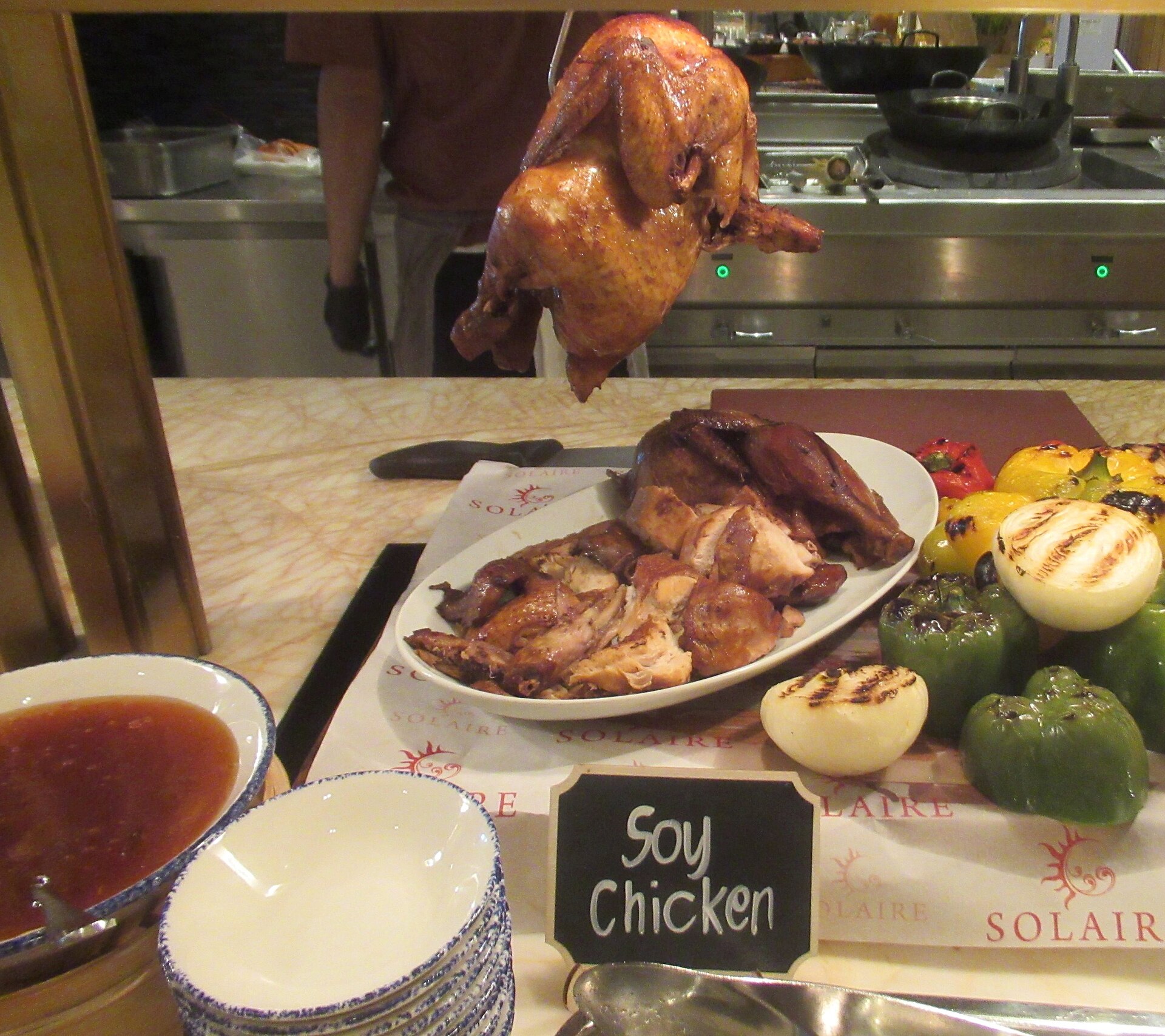
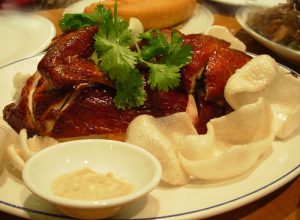
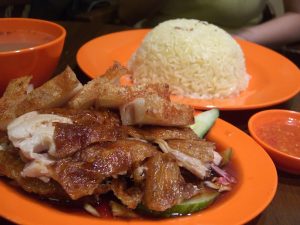
A proper plate of soy sauce chicken shows off skin the color of aged amber, stretched tight over juicy meat. The sauce clings in a thin, sticky film — not a pool — so each bite delivers salt, a whisper of sugar, and the warm bite of ginger. Steam rises in lazy curls when you tear a thigh apart. Beside it, a mound of plain white rice waits to soak up the drippings, and a small dish of minced ginger‑scallion oil sits ready for dipping. No garnish beyond a few chopped green onions scattered across the top.
How It Should Taste and Look
The first hit is savory depth from the soy, followed by a rounded sweetness that never turns cloying. Ginger lingers at the back of the throat, clean rather than sharp. Texture matters: the skin should offer slight resistance, then give way to meat that slides off the bone with a tug of chopsticks. If the sauce tastes flat, the sugar was skimped. If the skin is pale, the initial sear was rushed. The broth, reduced to a glaze, should coat a spoon and hold a line when you draw a finger through it.
Home Method — Step by Step
Pat chicken legs or wings dry with paper towels; moisture kills browning.
Heat two tablespoons of oil in a wide, heavy pot over medium heat. Add three smashed green‑onion knots and a thumb‑sized piece of ginger, sliced. Fry until fragrant, about thirty seconds.
Lay the chicken pieces skin‑side down. Press gently. Cook undisturbed until the skin turns deep gold, four to five minutes. Flip and brown the other side, another three minutes.
Pour in three tablespoons of light soy sauce, two tablespoons of Shaoxing wine, and up to one tablespoon of rock sugar (or white sugar). Stir to dissolve.
Add enough water to just cover the chicken — roughly two cups. Bring to a boil, then drop to the lowest simmer. Leave the lid off.
Simmer twenty to twenty‑five minutes, turning the pieces once halfway through, until the liquid has reduced by three‑quarters and clings thickly.
Kill the heat. Let the chicken rest in the pot for ten minutes; the residual heat finishes the cooking and the sauce tightens further.
Chop the chicken into bite‑size segments, arrange on a plate, spoon the glaze over the top, and scatter fresh green‑onion rings.
Restaurant Ordering Tips
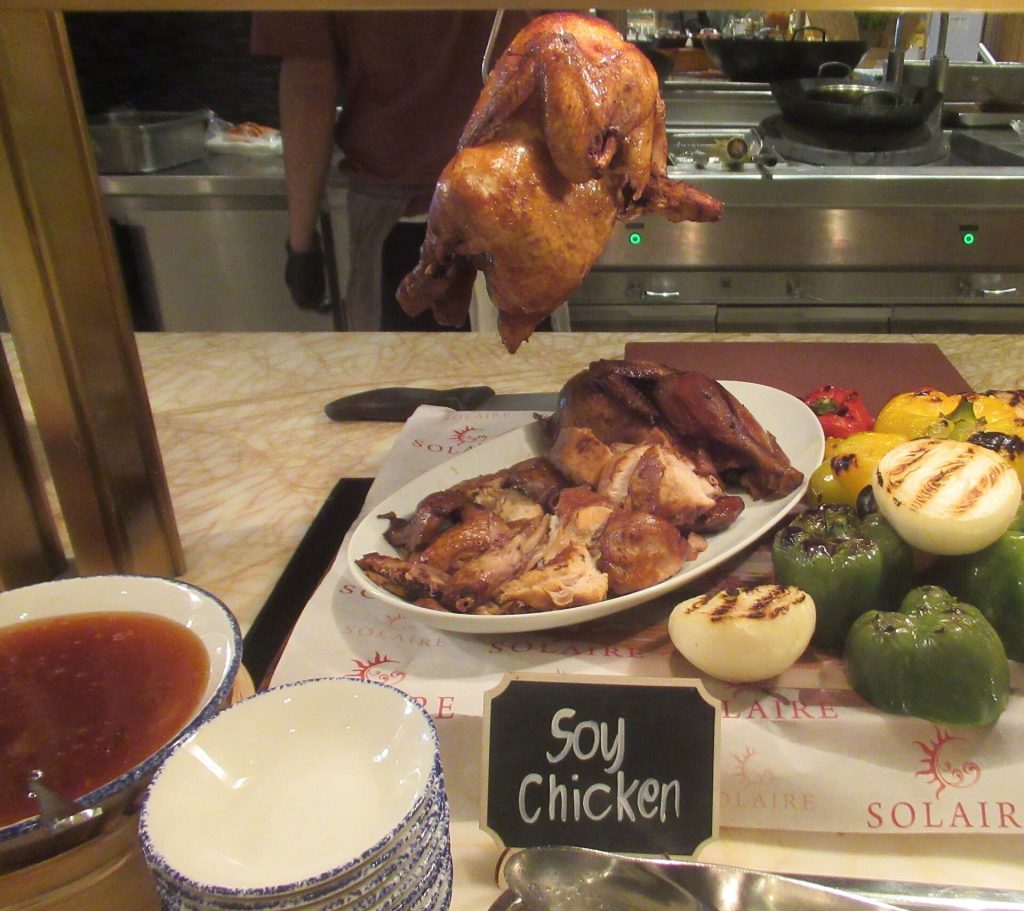
At a Cantonese roast‑meat shop, ask for “si yau gai” and specify “whole leg” if you want the best skin‑to‑meat ratio. Watch the cleaver work — good joints separate cleanly, bone fragments mean a dull blade. Request the ginger‑scallion oil on the side; some places drown the bird in it. If the display case shows birds hanging with skin taut and glossy, order confidently. Dull, wrinkled skin means the bird has sat too long under the heat lamp. Pair with a bowl of congee and a side of blanched gai lan drizzled with oyster sauce.
Beginner Mistakes to Avoid
Skipping the dry‑pat step — wet skin steams instead of searing.
Using only dark soy sauce; the color looks right but the flavor turns bitter and one‑dimensional. Mix light and dark, or stick with light and let the sugar caramelize for color.
Covering the pot while simmering. Trapped steam dilutes the glaze and makes the skin rubbery.
Boiling hard instead of a bare simmer. Violent bubbles toughen the meat and break the sauce into oil slicks.
Cutting into the chicken straight from the pot. Resting lets juices redistribute; skipping it leaves the cutting board swimming.
The kitchen smells of caramel and ginger before the pot even hits a simmer. I’m standing at a friend’s stove in a Shenzhen walk‑up, watching her lift a whole chicken from a dark, glossy bath. The skin shines like lacquer, the meat pulls clean from the bone, and the broth at the bottom has reduced to a syrup you could spoon over rice. This is the version I chase every time I cook it at home — simple, salty‑sweet, and entirely doable on a weekday burner.
What Arrives on the Table
A proper plate of soy sauce chicken shows off skin the color of aged amber, stretched tight over juicy meat. The sauce clings in a thin, sticky film — not a pool — so each bite delivers salt, a whisper of sugar, and the warm bite of ginger. Steam rises in lazy curls when you tear a thigh apart. Beside it, a mound of plain white rice waits to soak up the drippings, and a small dish of minced ginger‑scallion oil sits ready for dipping. No garnish beyond a few chopped green onions scattered across the top.
How It Should Taste and Look
The first hit is savory depth from the soy, followed by a rounded sweetness that never turns cloying. Ginger lingers at the back of the throat, clean rather than sharp. Texture matters: the skin should offer slight resistance, then give way to meat that slides off the bone with a tug of chopsticks. If the sauce tastes flat, the sugar was skimped. If the skin is pale, the initial sear was rushed. The broth, reduced to a glaze, should coat a spoon and hold a line when you draw a finger through it.
Home Method — Step by Step
Pat chicken legs or wings dry with paper towels; moisture kills browning.
Heat two tablespoons of oil in a wide, heavy pot over medium heat. Add three smashed green‑onion knots and a thumb‑sized piece of ginger, sliced. Fry until fragrant, about thirty seconds.
Lay the chicken pieces skin‑side down. Press gently. Cook undisturbed until the skin turns deep gold, four to five minutes. Flip and brown the other side, another three minutes.
Pour in three tablespoons of light soy sauce, two tablespoons of Shaoxing wine, and up to one tablespoon of rock sugar (or white sugar). Stir to dissolve.
Add enough water to just cover the chicken — roughly two cups. Bring to a boil, then drop to the lowest simmer. Leave the lid off.
Simmer twenty to twenty‑five minutes, turning the pieces once halfway through, until the liquid has reduced by three‑quarters and clings thickly.
Kill the heat. Let the chicken rest in the pot for ten minutes; the residual heat finishes the cooking and the sauce tightens further.
Chop the chicken into bite‑size segments, arrange on a plate, spoon the glaze over the top, and scatter fresh green‑onion rings.
Restaurant Ordering Tips
At a Cantonese roast‑meat shop, ask for “si yau gai” and specify “whole leg” if you want the best skin‑to‑meat ratio. Watch the cleaver work — good joints separate cleanly, bone fragments mean a dull blade. Request the ginger‑scallion oil on the side; some places drown the bird in it. If the display case shows birds hanging with skin taut and glossy, order confidently. Dull, wrinkled skin means the bird has sat too long under the heat lamp. Pair with a bowl of congee and a side of blanched gai lan drizzled with oyster sauce.
Beginner Mistakes to Avoid
Skipping the dry‑pat step — wet skin steams instead of searing.
Using only dark soy sauce; the color looks right but the flavor turns bitter and one‑dimensional. Mix light and dark, or stick with light and let the sugar caramelize for color.
Covering the pot while simmering. Trapped steam dilutes the glaze and makes the skin rubbery.
Boiling hard instead of a bare simmer. Violent bubbles toughen the meat and break the sauce into oil slicks.
Cutting into the chicken straight from the pot. Resting lets juices redistribute; skipping it leaves the cutting board swimming.
The kitchen smells of caramel and ginger before the pot even hits a simmer. I’m standing at a friend’s stove in a Shenzhen walk‑up, watching her lift a whole chicken from a dark, glossy bath. The skin shines like lacquer, the meat pulls clean from the bone, and the broth at the bottom has reduced to a syrup you could spoon over rice. This is the version I chase every time I cook it at home — simple, salty‑sweet, and entirely doable on a weekday burner.
What Arrives on the Table
A proper plate of soy sauce chicken shows off skin the color of aged amber, stretched tight over juicy meat. The sauce clings in a thin, sticky film — not a pool — so each bite delivers salt, a whisper of sugar, and the warm bite of ginger. Steam rises in lazy curls when you tear a thigh apart. Beside it, a mound of plain white rice waits to soak up the drippings, and a small dish of minced ginger‑scallion oil sits ready for dipping. No garnish beyond a few chopped green onions scattered across the top.
How It Should Taste and Look
The first hit is savory depth from the soy, followed by a rounded sweetness that never turns cloying. Ginger lingers at the back of the throat, clean rather than sharp. Texture matters: the skin should offer slight resistance, then give way to meat that slides off the bone with a tug of chopsticks. If the sauce tastes flat, the sugar was skimped. If the skin is pale, the initial sear was rushed. The broth, reduced to a glaze, should coat a spoon and hold a line when you draw a finger through it.
Home Method — Step by Step
Pat chicken legs or wings dry with paper towels; moisture kills browning.
Heat two tablespoons of oil in a wide, heavy pot over medium heat. Add three smashed green‑onion knots and a thumb‑sized piece of ginger, sliced. Fry until fragrant, about thirty seconds.
Lay the chicken pieces skin‑side down. Press gently. Cook undisturbed until the skin turns deep gold, four to five minutes. Flip and brown the other side, another three minutes.
Pour in three tablespoons of light soy sauce, two tablespoons of Shaoxing wine, and up to one tablespoon of rock sugar (or white sugar). Stir to dissolve.
Add enough water to just cover the chicken — roughly two cups. Bring to a boil, then drop to the lowest simmer. Leave the lid off.
Simmer twenty to twenty‑five minutes, turning the pieces once halfway through, until the liquid has reduced by three‑quarters and clings thickly.
Kill the heat. Let the chicken rest in the pot for ten minutes; the residual heat finishes the cooking and the sauce tightens further.
Chop the chicken into bite‑size segments, arrange on a plate, spoon the glaze over the top, and scatter fresh green‑onion rings.
Restaurant Ordering Tips
At a Cantonese roast‑meat shop, ask for “si yau gai” and specify “whole leg” if you want the best skin‑to‑meat ratio. Watch the cleaver work — good joints separate cleanly, bone fragments mean a dull blade. Request the ginger‑scallion oil on the side; some places drown the bird in it. If the display case shows birds hanging with skin taut and glossy, order confidently. Dull, wrinkled skin means the bird has sat too long under the heat lamp. Pair with a bowl of congee and a side of blanched gai lan drizzled with oyster sauce.
Beginner Mistakes to Avoid
Skipping the dry‑pat step — wet skin steams instead of searing.
Using only dark soy sauce; the color looks right but the flavor turns bitter and one‑dimensional. Mix light and dark, or stick with light and let the sugar caramelize for color.
Covering the pot while simmering. Trapped steam dilutes the glaze and makes the skin rubbery.
Boiling hard instead of a bare simmer. Violent bubbles toughen the meat and break the sauce into oil slicks.
Cutting into the chicken straight from the pot. Resting lets juices redistribute; skipping it leaves the cutting board swimming.