The kitchen smells of toasted sugar and earth. A wooden spoon scrapes the bottom of a heavy pot, turning a mound of dark red beans into something glossy and alive. Steam rises, carrying the scent of childhood mooncakes and steamed buns from the stall down the lane. This is anko — red bean paste — made the way my neighbor Lao Chen taught me: slow, patient, and worth every minute.
What Arrives on the Table
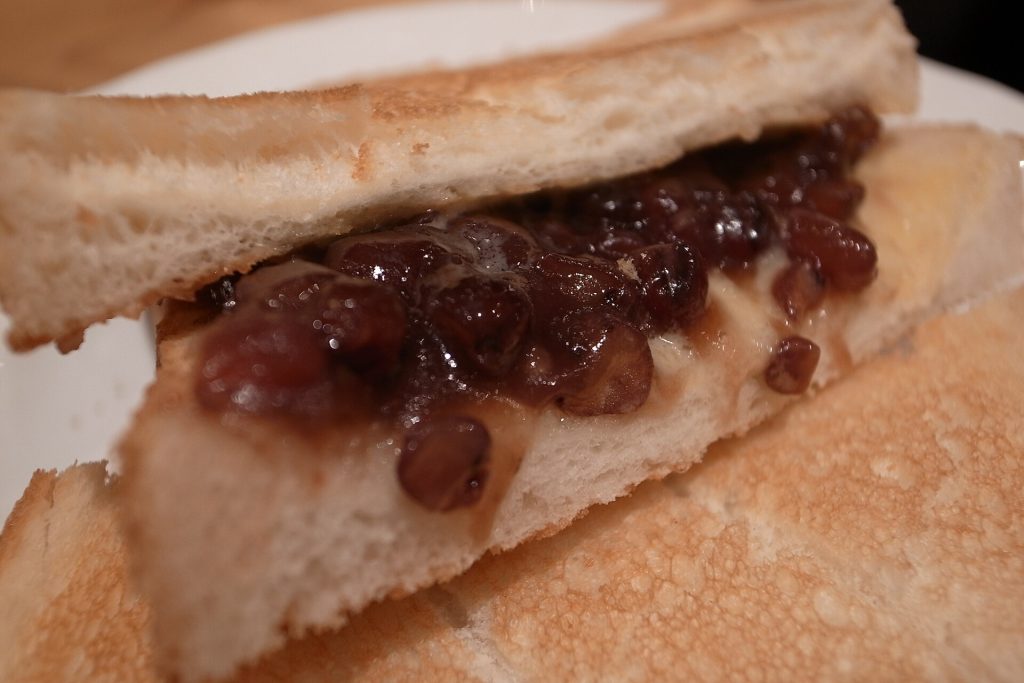
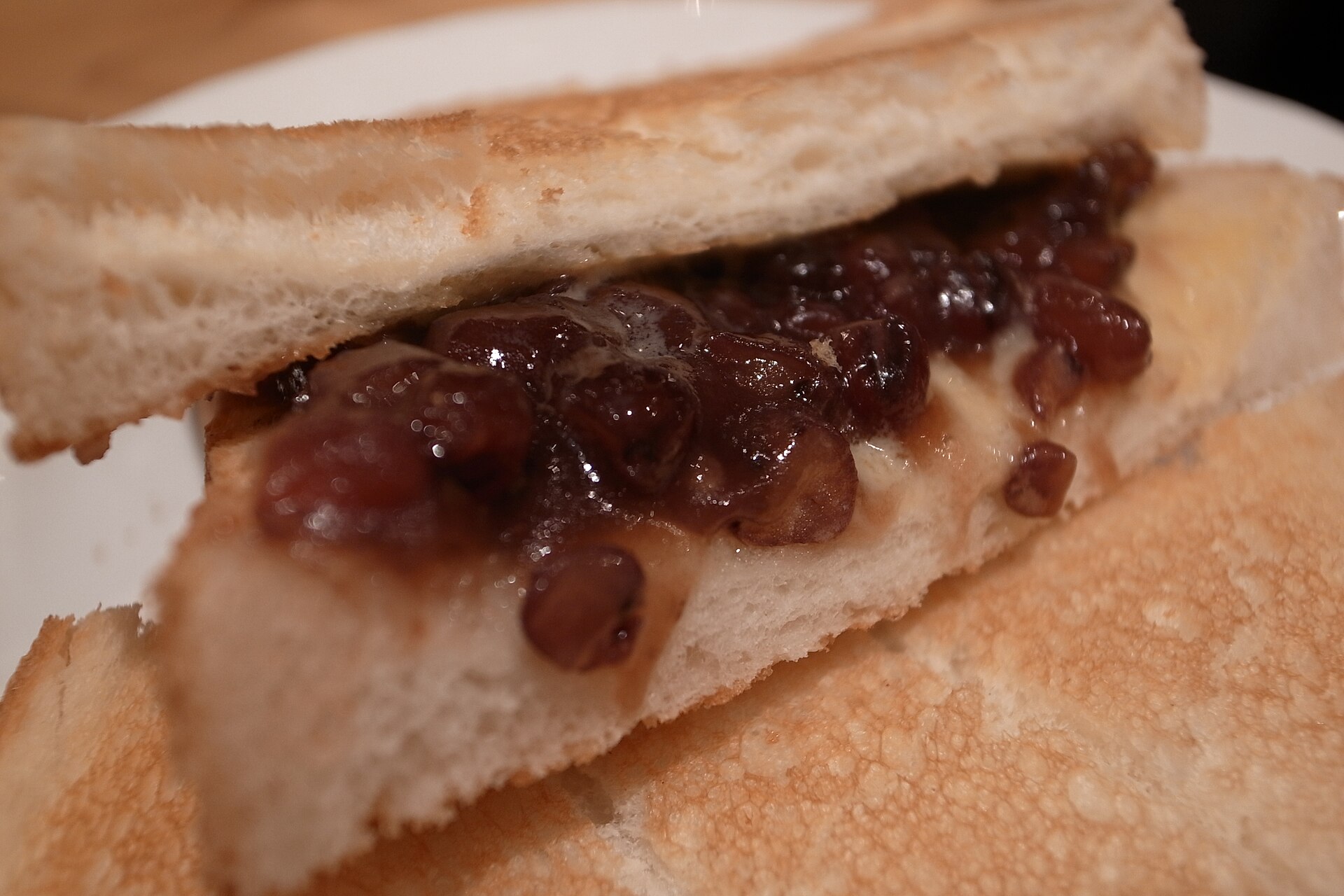
A proper bowl of homemade anko sits thick and ruddy, the color of dried persimmons. It holds its shape when scooped but yields instantly to a spoon. The texture is a choice: coarse tsubu-an where each bean still whispers its skin, or silky koshi-an that slides like warm honey. Taste it plain — just a fingertip — and you get the bean’s natural nuttiness first, then the clean sweetness of sugar, finished with a faint toasted note from the oil. No metallic aftertaste, no cloying syrup. In a bakery case, it fills flaky puff pastry twists. At a dim sum cart, it hides inside glutinous rice balls rolling in ginger broth. At home, a spoonful on hot toast beats any jam.
Ingredients and Equipment
- 200 ml dried adzuki beans (look for shiny, uniform maroon skins)
- Water for soaking and boiling
- 150 ml granulated sugar (white or a mix with rock sugar for depth)
- 75 ml peanut oil or neutral vegetable oil
- Heavy-bottomed pot, 3-liter capacity minimum
- Wooden spatula or flat-edged silicone spoon
- Fine mesh sieve (only if making koshi-an)
- Potato masher or immersion blender
Home Method: Step by Step
- Spread beans on a tray. Pick out shriveled ones and tiny stones. Rinse under cold water until it runs clear.
- Soak in a bowl with three times their volume of water. Cover. Leave overnight on the counter, or at least six hours in summer heat. They will swell to nearly double.
- Drain. Return beans to the pot. Add fresh water to cover by three centimeters. Bring to a rolling boil, then immediately lower to a bare simmer. Skim foam.
- Cook uncovered for ninety minutes to two hours. Test a bean between thumb and forefinger — it should crush with zero resistance. Add hot water if the level drops.
- For coarse paste: Drain, reserving a cup of cooking liquid. Mash directly in the pot with a potato masher, leaving half the beans intact.
- For smooth paste: Drain. Press beans through a fine sieve into a clean bowl, using the back of a ladle. Discard skins. Return pulp to the pot.
- Add sugar in three batches, stirring until dissolved each time. The mixture will loosen, then thicken again.
- Drizzle in oil while stirring constantly. This is the chao step — frying the paste. Keep the heat medium-low. Stir in figure-eights, scraping the bottom and sides.
- After fifteen to twenty minutes, the paste pulls away from the pot wall in a single mass. A droplet placed on a cold plate holds its shape. It is done.
- Cool completely before storing. It firms further as it rests.
Ordering at a Restaurant or Bakery
Walk into a Cantonese dessert shop in Guangzhou or a wagashi counter in Kyoto and you will not order “red bean paste” by itself. Ask for hong dou sha or anko inside something specific. A good clue: if the menu lists “handmade paste” (shou gong), they mash in-house. Order a dou sha bao — steamed bun — and break it open. The filling should not squirt like jam; it should mound. At a Japanese confectioner, request tsubu-an for texture or koshi-an for silk. If the server hesitates or offers “sweet bean” without distinction, the paste likely came from a tin. In a Taiwanese bakery, the red bean swirl bread reveals the quality: look for visible bean edges in the spiral, not a uniform red ribbon.
Mistakes Beginners Make
Keeping and Using
Cooled paste keeps ten days in a glass jar in the refrigerator, sealed with a thin layer of neutral oil on top. Freeze in portion-sized blocks for three months — thaw overnight in the fridge. When the Mid-Autumn Festival approaches, I portion mine into fifty-gram balls for mooncakes. In winter, a spoonful stirred into hot milk makes a drink warmer than any cocoa. My friend’s grandmother mixes a dollop into congee at the last minute, a sweet secret in a savory bowl. However you use it, taste the paste first. It should taste like beans that have been listened to.