The minibus shuddered to a halt on Yunmen Shan South Road, brakes hissing in the morning chill. Steam rose from a vendor’s cart beside the stop — pork dumplings, pleated tight, swimming in vinegar and chili oil. I bought three, burned my fingertips peeling one open, and watched the mist cling to the limestone cliffs across the river. No tour groups. No English signage. Just old men in flat caps playing xiangqi on a folded cardboard board, slapping pieces down between sips of milky tea. That was my first hour in Qingzhou: unscripted, unpolished, and entirely alive.
Getting There and Getting Around
High‑speed trains from Jinan West or Qingdao North drop you at Qingzhou Station in under two hours. The station sits on the city’s western edge, a twenty‑minute taxi ride from the historic core. Didi works fine, but the local bus network is cheaper and surprisingly legible: Route 9 runs north‑south along Yunmen Shan Road, linking the station, the river promenade, and the mountain gates. Buses run every ten minutes from dawn until the last train pulls in. If you prefer two wheels, shared e‑bikes cluster near every subway‑style bus shelter — scan the QR, unlock, and follow the painted bike lanes that hug the river. Traffic moves at a human pace here; drivers expect cyclists to weave.
Yunmen Mountain: Grottoes, Cloud Gates, and Monkey Taxes
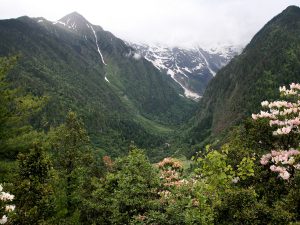
Four kilometers southwest of the center, Yunmen Shan rises like a jagged throne. The main path climbs through a corridor of cypress and ginkgo, stone steps worn smooth by centuries of sandals. At the halfway pavilion, a troupe of macaques holds court. They know the rhythm: tourists pause, phones rise, a peanut or corn kernel changes hands. Keep snacks zipped inside your pack; the monkeys have learned to unzip outer pockets.
Wear grippy shoes — moss slicks the upper stairs after rain.
Carry a headlamp if you plan to linger past 5 p.m.; the grotto lighting is timed and switches off sharply.
Bring water; the only vendor on the ridge sells warm soda at triple the street price.
Allow three hours round‑trip if you stop at every numbered cave.
The Buddhist grottoes, carved between the Northern Wei and Tang dynasties, sit in two clusters. Caves 1 through 12 face east, catching sunrise; their reliefs — bodhisattvas with elongated fingers, donors in flowing sleeves — still hold traces of vermilion and lapis. Caves 13 through 20 face west, cooler in afternoon, their niches deeper, protecting larger seated Buddhas from weather. A narrow stair behind Cave 17 leads to the “Cloud Gate” proper: a natural arch framing the valley floor. On clear days you can trace the river’s silver thread all the way to the city’s new Song‑style quarter.
The River Promenade and the Song‑Style Quarter
North of the Yunmen Shan Road bridge, the river widens into a linear park. Locals walk backward — literally — practicing a qigong form that claims to strengthen kidneys. Fishermen cast hand‑lines from stone abutments, hauling up palm‑sized carp they toss back. By late afternoon, the path fills with strollers pushing toddlers, couples sharing roasted sweet potatoes from a drum oven, and retirees flying kites shaped like centipedes.
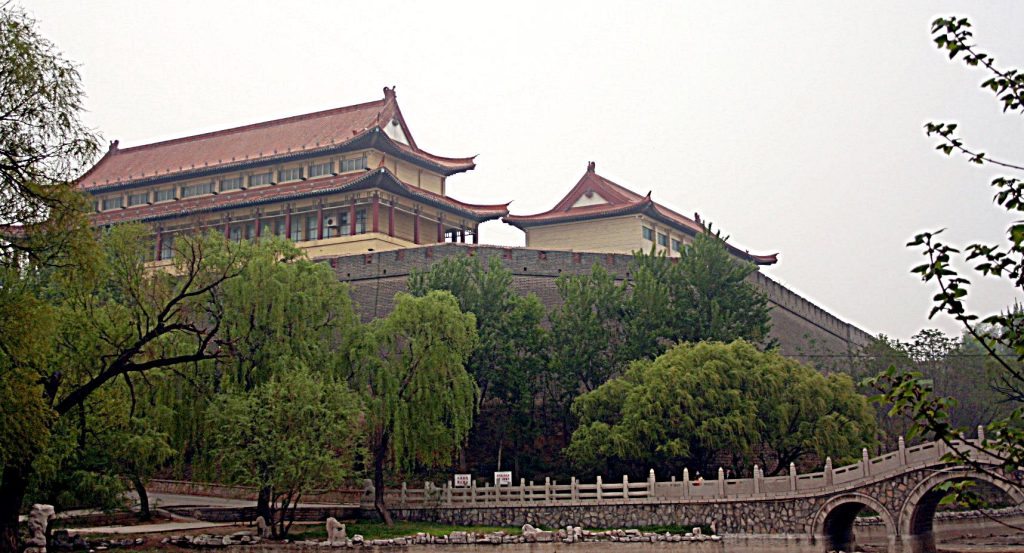
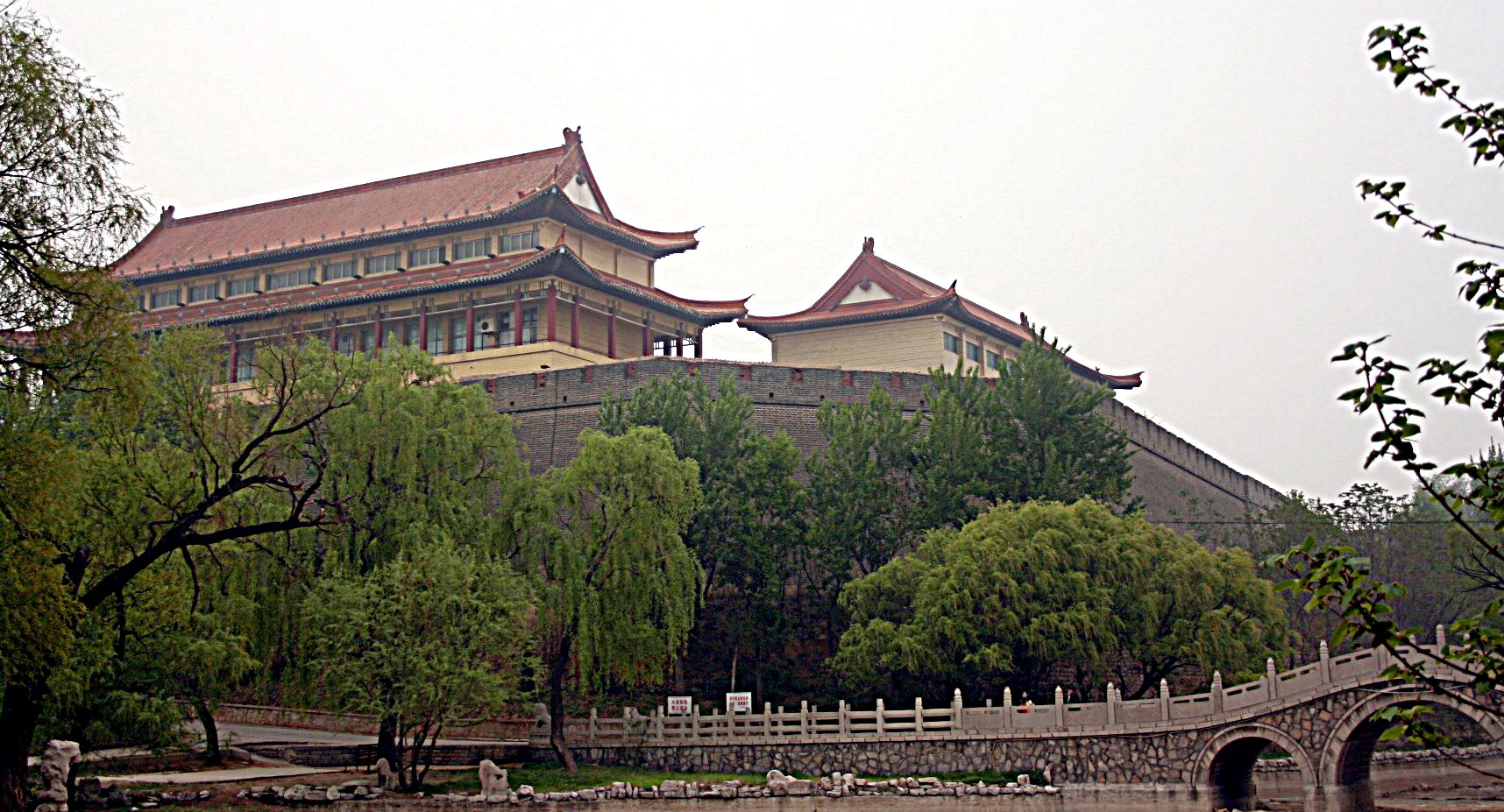
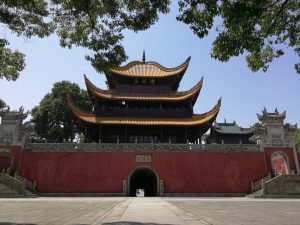
Just beyond the park, the newly built Song Cheng Road unfurls. Its facades mimic Song dynasty market streets: gray‑tile roofs, latticed windows, red lanterns strung between eaves. It feels like a film set, but the businesses are real — tea houses pouring single‑origin Longjing, a bakery selling maltose‑glazed flatbreads, a workshop where a master carves olive pits into miniature arhats. Prices lean upscale; a pot of tea and two pastries runs about what a mid‑range dinner costs in the old town. Come at dusk when the lanterns ignite and the crowds thin.
Old Town Alleys: Tuoshan, Markets, and Midnight Noodles
Tuoshan (Camel Mountain) looms over the historic grid. Its lower slopes are stitched with alleyways that have not seen a renovation crew in decades. Enter via Yao Wang Shan West Road, turn left at the stele gate, and you’re in a maze of blue‑brick courtyards, laundry strung between upper windows, and the scent of fermented bean curd drifting from a basement kitchen.
People’s Market (Renmin Shichang) anchors the crossing of Yao Wang Shan West Rd and Yunmen Shan North Rd — three floors of produce, dried seafood, and household goods. Go early; by 10 a.m. the best garlic chives are gone.
Wang Fu Xi Jie, a parallel lane one block west, specializes in kitchenware: carbon‑steel woks, bamboo steamers, cleavers you can sharpen on a river stone.
At night, follow the smell of lard‑fried scallions to a hole‑in‑the‑wall serving hand‑pulled noodles in pork‑bone broth. Order “da wan” (large bowl), add a spoonful of chili paste, and eat standing at the counter.
Don’t expect English menus. Point, nod, watch the cook. He’ll toss noodles into boiling water, count heartbeats, lift them into a bowl already slick with rendered fat, soy, and vinegar. The broth remembers every hand that stirred it.
Seasonal Rhythms and Local Etiquette
Spring brings the apricot blossom festival on Tuoshan’s lower terraces — families picnic on quilts, elders recite poems into megaphones. Summer monsoons turn the mountain trails slick; locals swap hiking for riverbank mahjong under pop‑up canopies. Autumn is persimmon season: orange globes hang from courtyard trees, and vendors press them into flat cakes dusted with rice flour. Winter bites hard; the river steams at dawn, and the best seat in town is a heated kang table in a family‑run dumpling house, sharing a pot of sour cabbage stew.
A few unspoken rules: step over thresholds, not on them. Accept a poured cup with two fingers tapping the table — thanks without words. If an elder offers you a sunflower seed, take it, crack it, and hand back the shell; refusing reads as cold. And never stick chopsticks upright in rice. That’s for ancestors.
Where to Sleep: Courtyard Quiet vs. River View
Boutique guesthouses cluster in the alleys behind Tuoshan. Most occupy restored siheyuan: a central courtyard, rooms opening onto a tiled corridor, a persimmon tree shading the well. Hosts often speak passable English, serve breakfast — millet congee, pickled mustard greens, steamed buns — and can arrange a private guide for the grottoes. Rates hover around mid‑range for China; book a week ahead during blossom season.
If you prefer modern amenities, the hotels along Yunmen Shan South Road face the river. Rooms on the upper floors catch sunrise over the cliffs. Ask for a corner unit; the hallway ice machine rattles all night in the middle rooms.
Common Missteps
Arriving at Yunmen Shan at 10 a.m. on a holiday weekend — the parking lot fills by 8, and the shuttle queue snakes back to the highway.
Assuming the Song‑style quarter is the “real” old town. It’s a polished front; the living history breathes in the unrenovated lanes behind Tuoshan.
Skipping the night market because guidebooks don’t list it. It has no name, no fixed stalls — just grandmothers setting up folding tables at 7 p.m. with steamed buns, fried tofu, and pear‑syrup candy.
Trying to “see it all” in a day. Qingzhou rewards slowness: a second cup of tea, a third lap around the river, a conversation started with a broken phrase and finished in laughter.
When the last bus rattles back toward the station, the city doesn’t shut down — it exhales. Lanterns sway over empty tables. The river reflects nothing but stars and the occasional phone flashlight. You’ll leave with dust on your shoes, the taste of lard‑noodles on your fingers, and the quiet certainty that you didn’t just visit a place. You sat in its rhythm for a while.