The minibus hit a pothole on the G303 and my thermos lid popped open, spilling milk tea across my jeans. Outside the window, the grassland stretched flat to the horizon, broken only by a white gher roof and a herd of horses kicking up dust. We were forty minutes out of Xilinhot, headed for a family stay near the Xar Moron River, and the driver kept glancing at the fuel gauge like it owed him money. That moment — warm liquid soaking denim, the smell of sagebrush through the open window — is what the guidebooks skip.
Getting there without losing a day
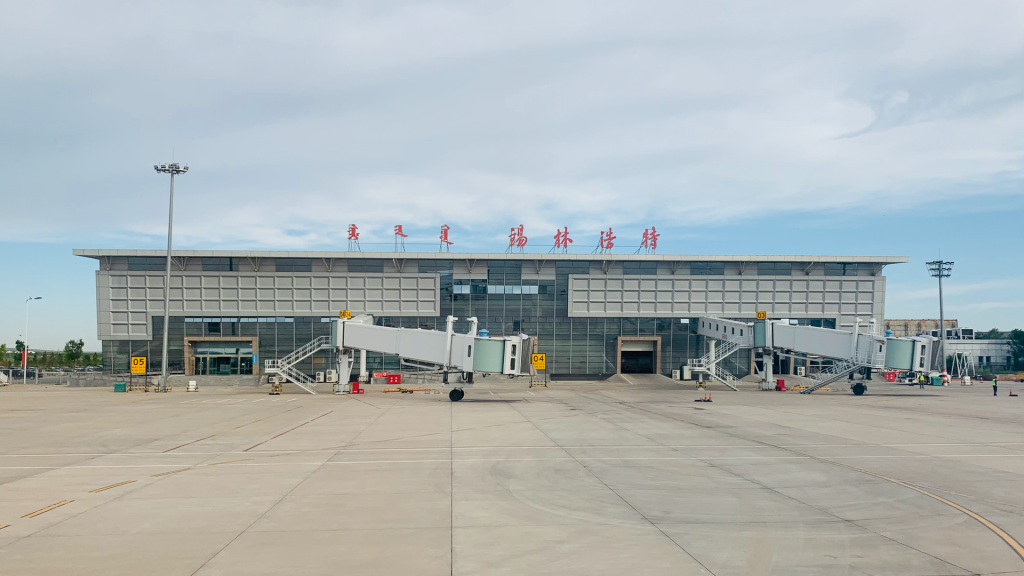
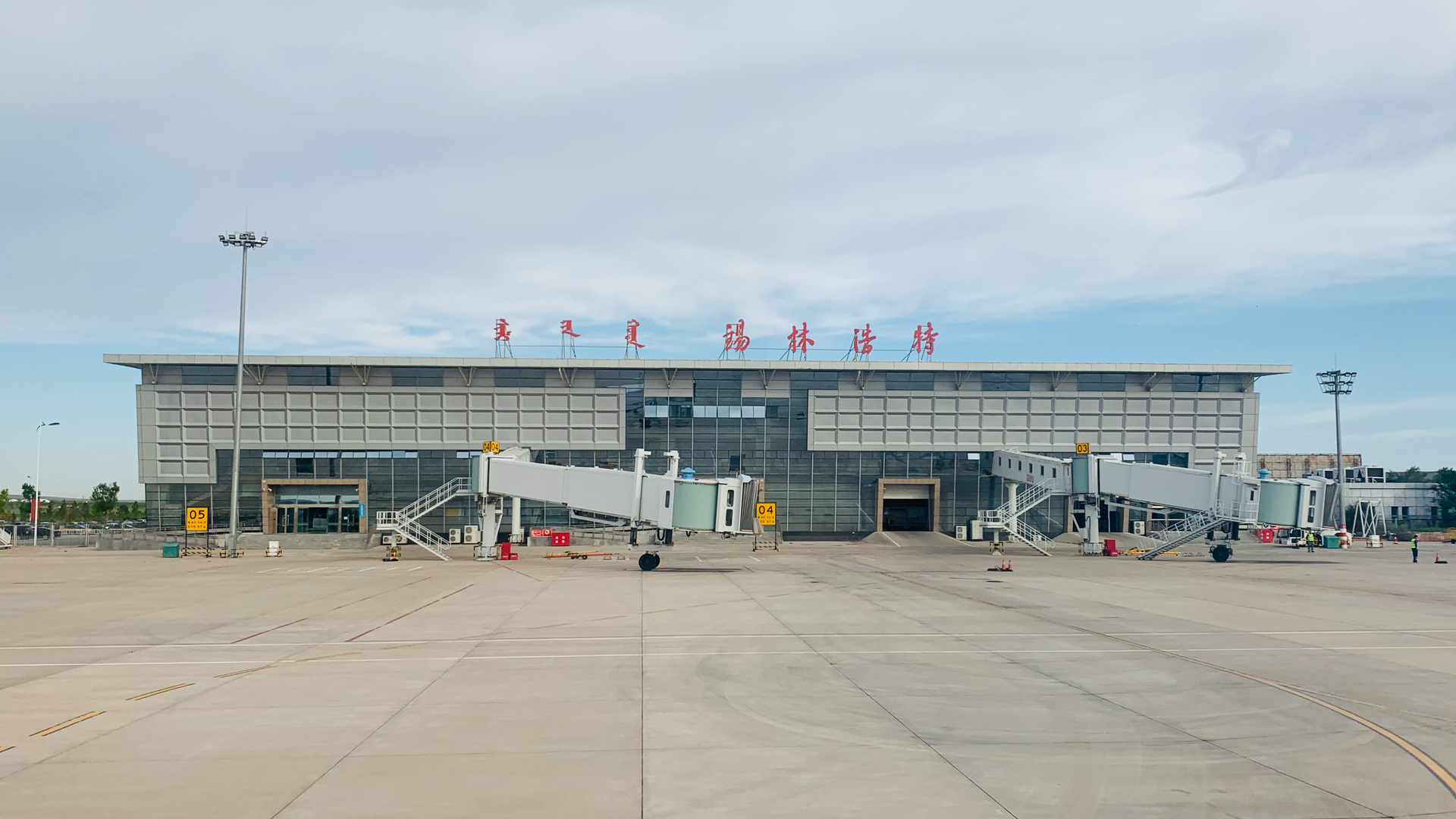
Flights land at Xilinhot Airport from Beijing Capital, Hohhot, and a handful of regional hubs like Xi’an and Chongqing. The airport sits twenty kilometers south of town; a taxi takes thirty minutes and costs roughly the same as a decent hotpot dinner. If you are coming from Hohhot by road, the expressway cuts the old six-hour slog to about four, but winter ice can add an hour. Trains do not reach the city yet, so the bus station near People’s Park remains the fallback for budget travelers. Book a sleeper seat if you value your spine — the overnight from Hohhot arrives at 5 a.m., when the terminal is cold and the only food is steamed buns from a plastic bucket.
When the grass decides your schedule
Late June through early August brings the Naadam season: wrestling, archery, horse racing, and crowds that fill every guesthouse within fifty kilometers. The grass is knee-high, wildflowers purple and yellow, and the air smells of fermented mare’s milk. September turns the steppe gold; mornings are crisp enough for a wool hat, afternoons warm enough for shirtsleeves. October to April is wind season — gales that strip paint off signposts and drive temperatures below minus twenty. I once watched a yurt’s felt flaps tear loose in a March storm; the family tied them down with motorcycle inner tubes. If you want green horizons and functioning digestion, aim for the lunar fifth month. If you want silence and star fields thick enough to cast shadows, come after the first frost.
Beizi Temple: incense, mutton, and souvenir negotiation
The 18th-century Beizi Temple sits in Hangai Residential District, its yellow tiles visible above a cluster of mutton restaurants and felt-boot stalls. Monks chant in the main hall while tourists snap photos of the thousand-Buddha wall. Outside, a woman in a coral deel weighs dried curds on a handheld scale. The temple grounds are free, but the small museum behind the second courtyard charges twenty yuan for a look at thangka paintings and a Qing-era bronze bell. Allow ninety minutes. Wear socks you don’t mind showing — shoes come off at every hall entrance. And skip the “blessed” bracelets sold by the gate; the same red string costs half as much at the night market near the bus station.
Sleeping on the steppe: yurt camps and city hotels
Xilinhot proper has chain hotels near Xilin Square — clean beds, hot showers, Wi-Fi that drops when the wind blows. For the experience people post about, book a tourist yurt camp twenty to forty kilometers out. Most provide pickup from the airport or your hotel. A standard package includes dinner (whole roast lamb if the group tops six), breakfast of millet porridge and clotted cream, and a horse ride at dawn. Ask before you pay: some camps use coal stoves that smoke the felt; others have electric heaters and private bathrooms tucked behind a canvas partition. I spent a night at a camp near Baiyin Hure where the hostess woke me at 4 a.m. to milk a mare — foamy, sour, warm — then laughed when I gagged. That memory outweighs any thread count.
Eating: mutton three ways and the milk tea ritual
Menus in Xilinhot revolve around sheep. Hand-pulled mutton arrives on a wooden tray, bones white, meat so tender it falls off with a nudge of chopsticks. Dip in salt, cumin, and chili flakes. Roast leg rotates over charcoal at roadside stalls; the skin crackles like glass. For breakfast, order suutei tsai — brick tea boiled with milk, salt, and a handful of fried millet. It arrives in a bowl the size of a salad plate; sip, don’t gulp. Vegetarians survive on stir-fried potato shreds, tofu skin, and the occasional wild onion omelet, but tell your host early or you will be served broth with floating fat.
- Hand-pulled mutton: shoulder cut, boiled forty minutes, sliced against grain, served with salt-cumin dip.
- Roast leg: marinated in onion, garlic, soy, five-spice; rotated over charcoal until skin blisters.
- Suutei tsai: brick tea, whole milk, salt, fried millet; simmer ten minutes, strain, serve hot.
- Milk tofu (hurud): curdled mare’s or cow’s milk, pressed, dried on felt — chew like hard cheese.
Moving around: wheels, hooves, and your own feet
City buses run numbered routes from the railway station square to the temple, the museum, and the industrial park. Fares are one or two yuan, exact change only. Taxis cluster near hotels; insist on the meter or agree a price before the door shuts — a cross-town ride should not exceed thirty yuan. For the grasslands, you need a driver who knows the unmarked tracks. Most guesthouses arrange a 4WD for 300 to 500 yuan a day, fuel included. Horse rentals at camps run 100 yuan an hour; helmets are rare, stirrups wooden, saddles padded with sheepskin. If you ride, wear long pants — stirrup leathers chafe raw skin in twenty minutes. Walking is safe on marked paths near camps, but the steppe has no landmarks; a fog bank can swallow you in five minutes. Carry a compass, water, and a snack.
What newcomers get wrong
They pack sandals. The ground is gravel, goat-head thorns, and dried dung. They assume “Mongolian barbecue” exists here — it does not; that is a Taiwanese invention. They tip fifteen percent; locals round up or leave small change. They photograph people without asking; a herder once chased my friend down a slope waving a whip because she snapped his granddaughter mid-laugh. They bring gifts of candy — wrappers litter the grass for years. Better: a pack of cigarettes for the men, a silk scarf for the women, or simply a genuine “sain bainuu” and a bow. They expect English signage. Outside the museum, there is none. Download offline maps, learn the characters for toilet, water, and police, and accept that you will get lost. The best meals, the clearest stars, the loudest laughter happen after the wrong turn.