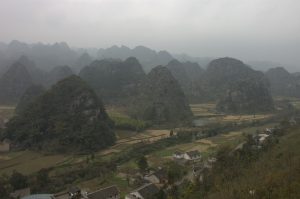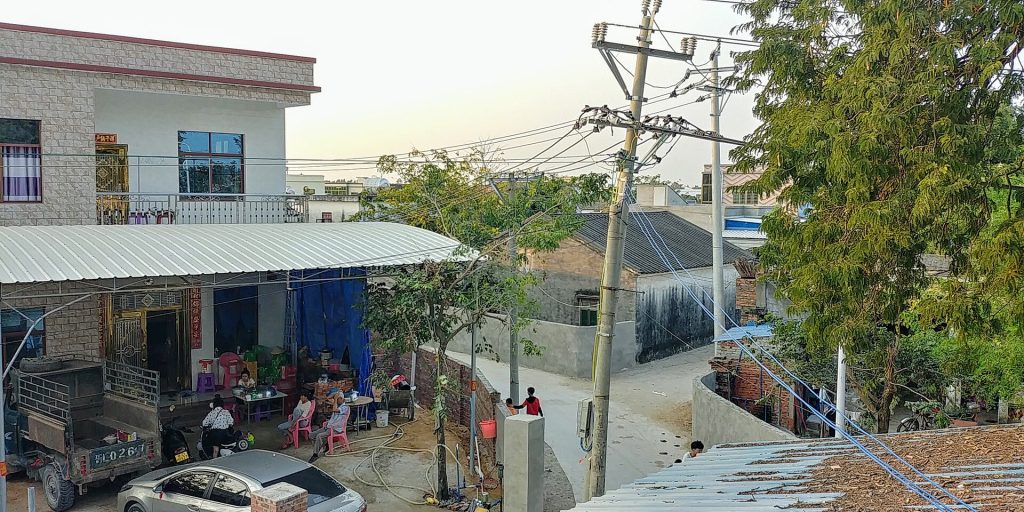
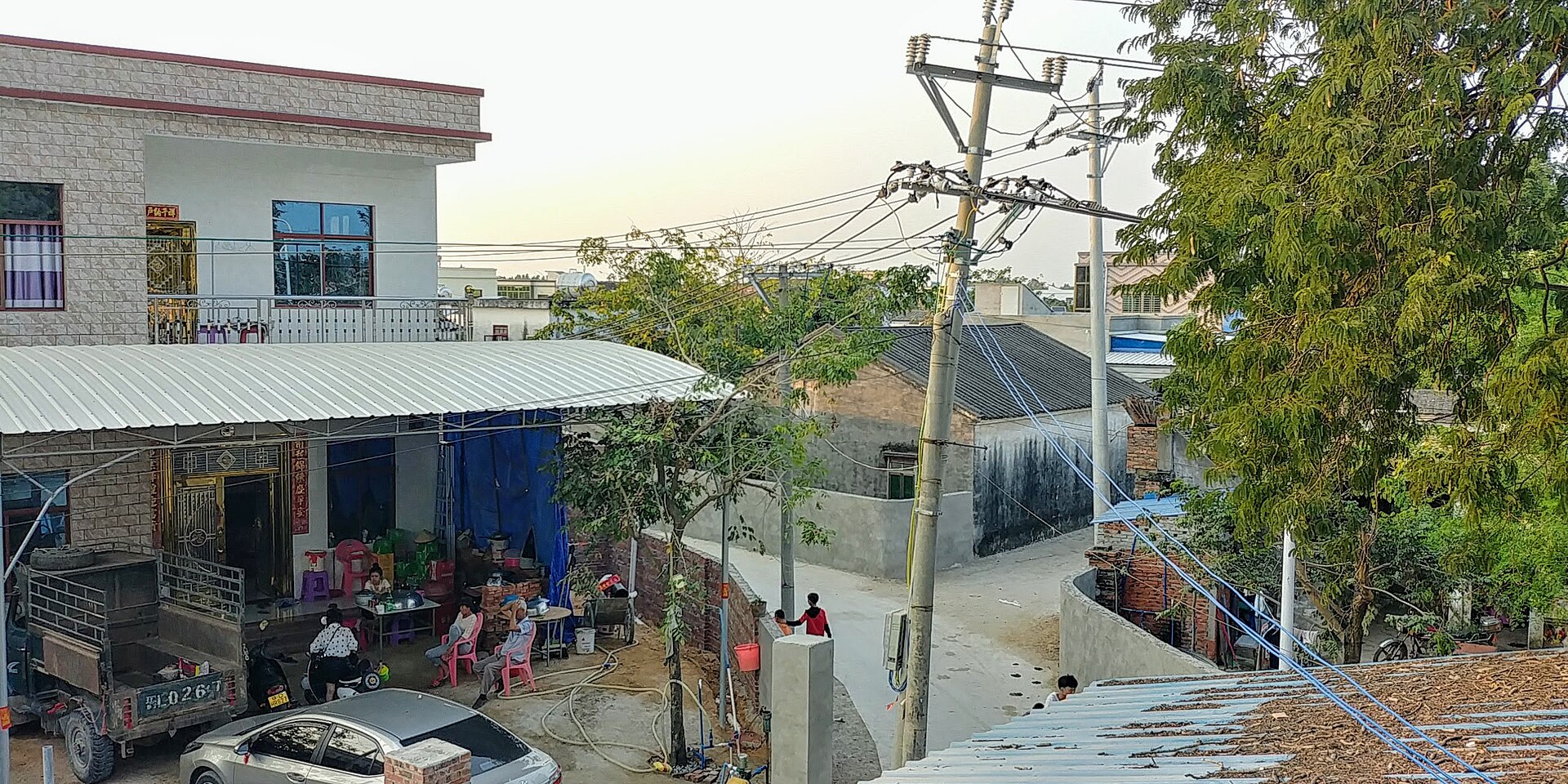
The minibus from Litang shudders over a pass at 4,200 meters, the engine groaning in thin air. Through the dusty window, the Yalong River cuts a brown slash through the valley floor, and stone watchtowers — some leaning, some standing straight as arrows — guard the bends. Six hours later, the vehicle pulls onto a wide street lined with poplars and Tibetan-style storefronts. Prayer flags snap above a row of meat shops. This is Xinlong, the seat of Nyarong, sitting at 3,050 meters where the air bites early and the sun hits hard.
Getting There
Two main routes feed into town. From Litang, private minibuses leave when full from the station near the main square. The fare runs roughly 80 yuan per seat. The road swings between fresh blacktop and sections washed out by summer floods. Keep a camera ready for golden eagles riding the thermals above the river gorge. From Ganzi, the run is shorter — about three hours on better pavement — and the scenery stays dramatic the whole way, with more watchtowers perched on cliffs. Buses depart Ganzi’s passenger station in the morning; buy a ticket the night before if you can.
- Litang route: ~6 hours, ~¥80, mixed road conditions, eagle sightings common.
- Ganzi route: ~3 hours, ~¥30, smoother surface, constant valley views.
- Tip: Grab a window seat on the right side heading north for the best river views.
Moving Around Town
Xinlong’s center is compact enough to cover on foot. The main drag, Renmin Lu, runs east-west with the government buildings, banks, and the post office clustered along it. Zhong Xin Jie crosses it near the middle. Three-wheeled electric carts wait near the bus drop-off; a ride across town costs a few yuan. If you’re heading to monasteries outside the valley floor, you’ll need to hire a driver. Ask at your guesthouse — the owner usually has a cousin with a Land Cruiser who knows which dirt tracks are passable after rain.
Monasteries and the Sacred Mountain
Zera Gompa sits right at the edge of town, its whitewashed walls and red trim visible from the main road. Monks in crimson robes turn prayer wheels in the courtyard before dawn. Inside, the air smells of yak butter lamps and juniper incense. You can walk the kora circuit around the complex in twenty minutes, spinning the copper cylinders as you go.
Kalzang Gompa demands half a day. The monastery clings to the flanks of Mount Drokar, about ninety minutes by hired SUV up a switchback track that climbs through pine and rhododendron. The abbot, Nyala Pema Dudul, established a wildlife sanctuary here decades ago. Blue sheep — bharal — graze the meadows above the prayer halls, unbothered by humans. Bring binoculars. The drive back down in late afternoon light paints the valley gold.
- Zera Gompa: Walkable from town, morning prayers around 7 AM, photography allowed in courtyard only.
- Kalzang Gompa: Hire a 4WD (¥300–400 round trip), leave by 8 AM, pack water and snacks, altitude tops 3,800 m.
- Etiquette: Walk clockwise, remove hats inside halls, don’t step on thresholds, ask before photographing monks.
Where to Sleep
Two reliable spots sit on the main streets. The hotel at 51 Renmin Lu has basic rooms with hot water that runs most evenings. The place at 11 Zhong Xin Jie feels newer — clean tiles, thick blankets, and a family running the front desk who will share yak jerky if you linger over tea. A twin bed setup runs about 60 yuan. Neither takes online bookings; show up before 6 PM for the best pick. In peak summer festival weeks, every bed fills by noon.
Eating and Drinking
Breakfast means steamed buns stuffed with minced yak and scallions, washed down with sweet milk tea from a stall on Renmin Lu. Lunch is often hand-pulled noodles in a broth thick with radish and chili oil — look for the shop with a blue door near the Agricultural Bank. Dinner options narrow after dark: a few Sichuan-style stir-fry joints stay open, serving mapo tofu and dry-fried green beans with pork. Alcohol is limited to Chinese beer and a fiery barley spirit locals call ara. Drink slowly; the altitude doubles the effect.
- Morning: Yak meat buns + sweet milk tea, street side.
- Midday: Hand-pulled noodles, radish broth, chili oil, blue door shop.
- Evening: Sichuan stir-fries, beer or ara, eat early.
- Altitude note: Hydrate constantly, limit alcohol first night.
Money, Internet, and Post
The Agricultural Bank of China on Renmin Lu handles cash advances on UnionPay cards, but the ATM has been out of order for months. Bring enough yuan to cover your stay — 1,500 to 2,000 yuan for three days with a driver. Internet cafes cluster at 96 Renmin Lu; four yuan buys an hour on a desktop that loads Chinese sites fast and foreign ones slow. China Post shares the same block; stamps for postcards cost a few jiao, and the clerk speaks enough English to weigh parcels.
Common Missteps
First-time visitors often underestimate the sun. At this elevation, UV burns happen in twenty minutes — wear a wide-brim hat and high-SPF cream. Another mistake: assuming the minibus runs on a fixed schedule. It leaves when the last seat fills, which could be ten minutes or two hours. Don’t plan a tight connection. Finally, don’t hand cash directly to a monk for blessings; place it on the donation tray or wrap it in a khata scarf. The gesture matters more than the amount.
Moving On
Northbound, the road climbs toward Dege and the famous printing house. South leads back to Litang and eventually Kangding. West, a rough track heads to the Yalong’s headwaters and nomad camps — only attempt with a local driver and extra fuel. Ask your guesthouse owner the night before; they’ll know which passes opened after the last snowmelt and which are still blocked by rockfall.