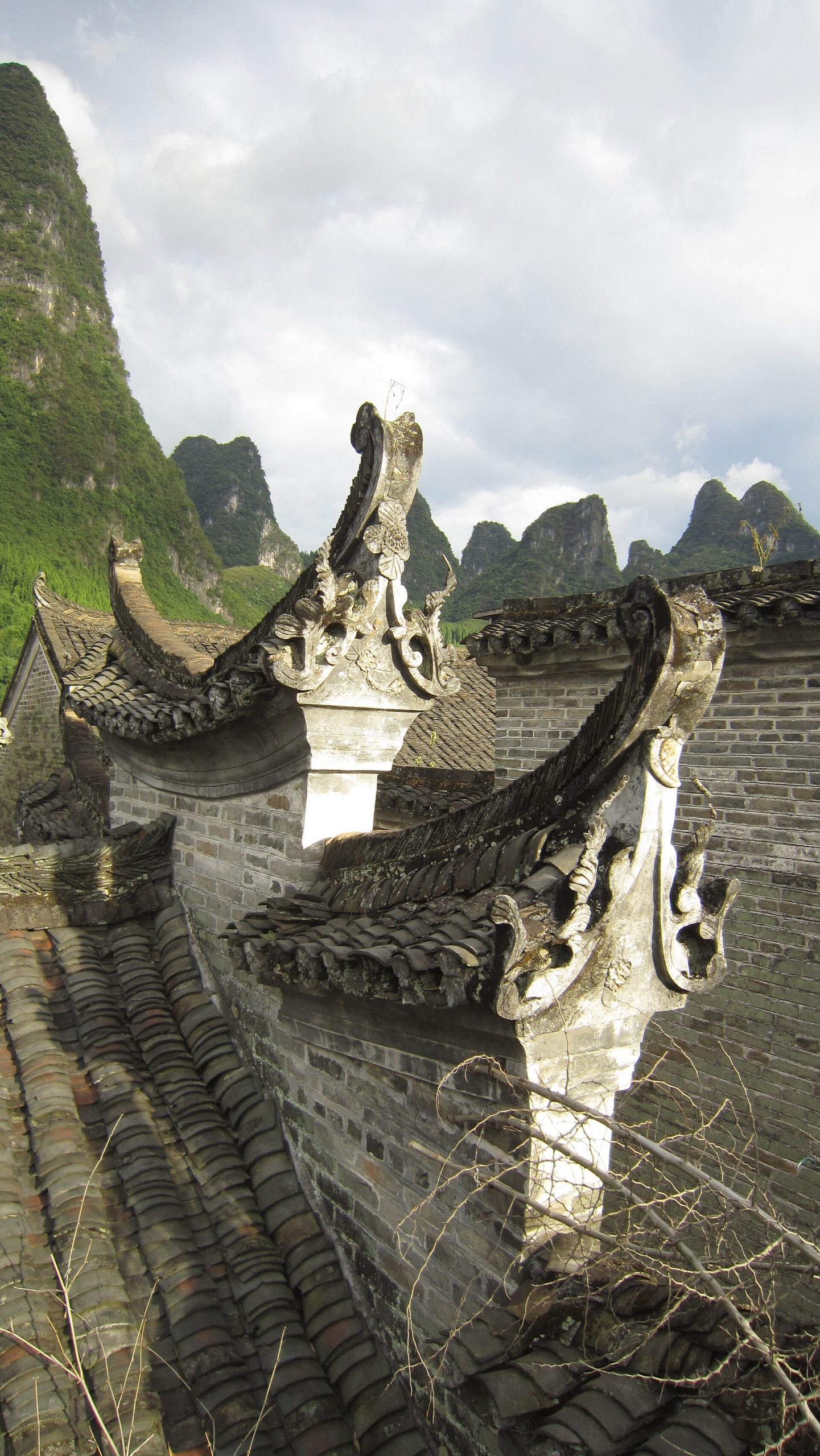
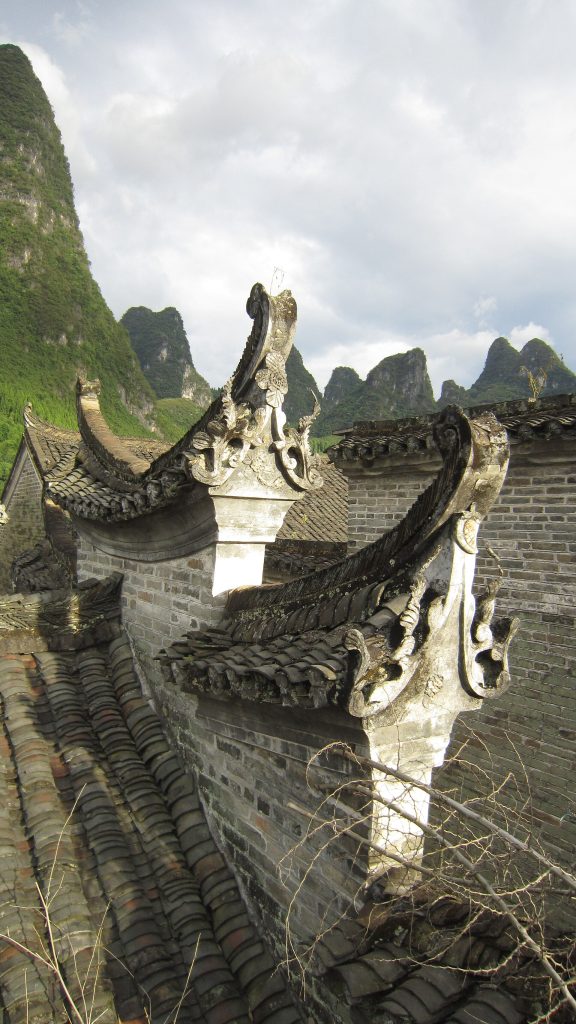
The minibus from Yangshuo dropped me at a dusty intersection where a single street curves toward the water. No tour buses idled at the curb, no loudspeakers hawked bamboo raft rides. Just an old woman fanning a wok of oil-tea, the smell of fried garlic rising above the river mist. That quiet arrival set the tone for three days in Xingping — less a checklist of sights than a rhythm of ferry whistles, rooster crows, and the slow drift of karst shadows across the Li River.
Getting There Without the Hassle
Most travelers reach Xingping via the high-speed rail station that carries Yangshuo’s name but sits barely ten minutes from the old town. I took the bullet train from Guilin North — forty minutes of rice paddy views — then followed the hand-painted sign toward the minibus queue. The ride costs a few yuan, pays the driver directly, and deposits you at the stone archway marking the historic quarter. If you’re coming from Yangshuo proper, the green-and-yellow public buses leave the south terminal every half hour until early evening. Flag one down, squeeze past baskets of pomelos, and watch the karst towers grow taller through the window.
Driving yourself? The G65 expressway links Guilin and Yangshuo, but the scenic S202 hugs the river closer. Parking near the ferry pier fills by midmorning during holiday weeks. I learned to leave the car at the guesthouse and walk the flagstone lanes; the town’s spine is only a kilometer long.
Where to Sleep: River Views and Rooster Alarms
Guesthouses cluster along the western bank, their wooden balconies leaning over the water. I stayed in a courtyard house two doors down from the 400-year-old banyan tree, where the owner’s mother still hand-rolls rice noodles at dawn. Rooms range from basic tiled floors with shared bath to renovated lofts with claw-foot tubs facing the peak locals call “Nine Horse Fresco Hill.” Book a river-facing window if you can — the morning light paints the limestone gold, and the night ferry’s searchlight sweeps the walls like a lighthouse.
Avoid the new concrete block near the bus drop-off; its windows face a parking lot. Instead, ask for the lane behind the ancient stage theater. The family-run places there serve breakfast on communal tables: steamed buns stuffed with fermented bean curd, pickled mustard greens, and a bowl of the same oil-tea that greeted me on day one.
Li River Cruise: Choosing the Right Boat
The classic four-hour cruise to Guilin departs from the main pier at 9:30 a.m., but the real magic happens on the shorter downstream run to Yangshuo. I bought a ticket for the 10 a.m. slow boat — a double-decker with plastic chairs and a snack counter selling warm beer and vacuum-packed peanuts. The upper deck gives unobstructed views of the “Yellow Cloth Shoal” scene printed on the twenty-yuan note: three peaks reflected in still water, a fisherman’s cormorant perched on a bamboo raft.
For more control, hire a bamboo raft from the village dock. The boatman poles you past water buffalo cooling in the shallows, under a limestone arch where swallows nest, and right up to the foot of the lookout peak. Negotiate the price before stepping aboard; a round trip to the “Snail Hill” viewpoint and back takes ninety minutes. Bring a wide-brim hat — the canopy covers only the boatman.
Cruise ticket: buy at the pier ticket window, cash or WeChat Pay accepted.
Bamboo raft: negotiate directly with boatmen at the small dock below the banyan tree.
Best light: downstream morning run (10 a.m.–1 p.m.) for sun on the peaks; upstream afternoon for golden hour on the west faces.
Pack: water, sunscreen, a light rain jacket, and a plastic bag for your phone when the spray hits.
Climbing the Lookout: Sweat, Stone, and Silence
The trailhead hides behind a shrine at the southern edge of town. Stone steps, worn smooth by centuries of sandals, climb through bamboo groves to a pavilion perched on the ridge. The ascent takes twenty minutes if you pause for breath; the final ladder section bolts to the cliff face and demands a steady grip. I went at first light, when mist still clung to the lower peaks. From the railing, the Li River unspooled like a jade ribbon, Yangshuo’s distant towers faint as ink strokes.
Locals climb for morning exercise, not tourism. An elderly man in a Mao suit passed me twice, chanting verses from the Book of Songs. He smiled, tapped his chest, and kept moving. Wear closed shoes with grip — the limestone turns slick after rain. Descend before noon; the sun bakes the rock and the shade vanishes.
Eating in Xingping: What Lands on the Table
Lunch at my guesthouse arrived on a round lazy Susan: whole river fish steamed with ginger and scallion, skin glossy, flesh pulling clean from the bone; stir-fried water spinach with fermented tofu, the leaves still vivid green; a clay pot of braised pork belly, fat melting into the sauce; and a bowl of snails cooked in rice wine, chili, and wild mint. The rice came in a wooden bucket, each grain distinct. I watched the owner’s mother crack the snail shells with a specialized pick, suction the meat, and discard the spirals in a neat pile.
For a DIY version of the steamed fish, start with a palm-sized carp from the morning market — eyes clear, gills red. Score the flesh diagonally, stuff the cavity with julienned ginger and the white parts of scallions. Steam over high heat for eight minutes. Meanwhile, heat oil until it smokes, pour over the fish, then drizzle soy sauce and scatter the green scallion tops. The oil must sizzle when it hits; that shock seals the aroma.
River fish: carp or mandarin fish, scaled and gutted, head and tail intact.
Aromatics: thumb-sized ginger, two scallions, separated white and green parts.
Sauce: light soy sauce, a splash of Shaoxing wine, pinch of sugar.
Finish: smoking-hot peanut oil, cilantro sprigs if available.
Mistake: oversteaming turns flesh mealy; understeaming leaves blood near the bone.
Street snacks cluster near the ferry pier after sunset. Grilled tofu squares brushed with chili-garlic paste, sticky rice wrapped in lotus leaf, skewers of pork intestine coiled around garlic chives. Eat standing, elbows on the communal table, wiping fingers on the paper napkin provided. The bill arrives as a handwritten tally on a cardboard square.
What Newcomers Get Wrong
First-timers often treat Xingping as a day trip from Yangshuo, arriving at 10 a.m., snapping the twenty-yuan-note photo, and leaving by lunch. They miss the evening ferry’s lantern glow, the night market’s sizzle, the dawn chorus from the banyan tree. Others hike the lookout in flip-flops, slip on the ladder, and spend the afternoon in the clinic. A few bargain the raft price down so low the boatman cuts the route short, skipping the arch and the snail hill.
The town rewards slowness. Rent a bicycle from the guesthouse — single-speed, basket rattling — and ride the riverside path toward Fuli village. The road narrows to a footpath between pomelo orchards; farmers wave from terraced fields. Turn back when the sun dips behind the western peaks. Dinner will be waiting: another river fish, another pot of oil-tea, the same rooster announcing a night that feels like it belongs to you alone.