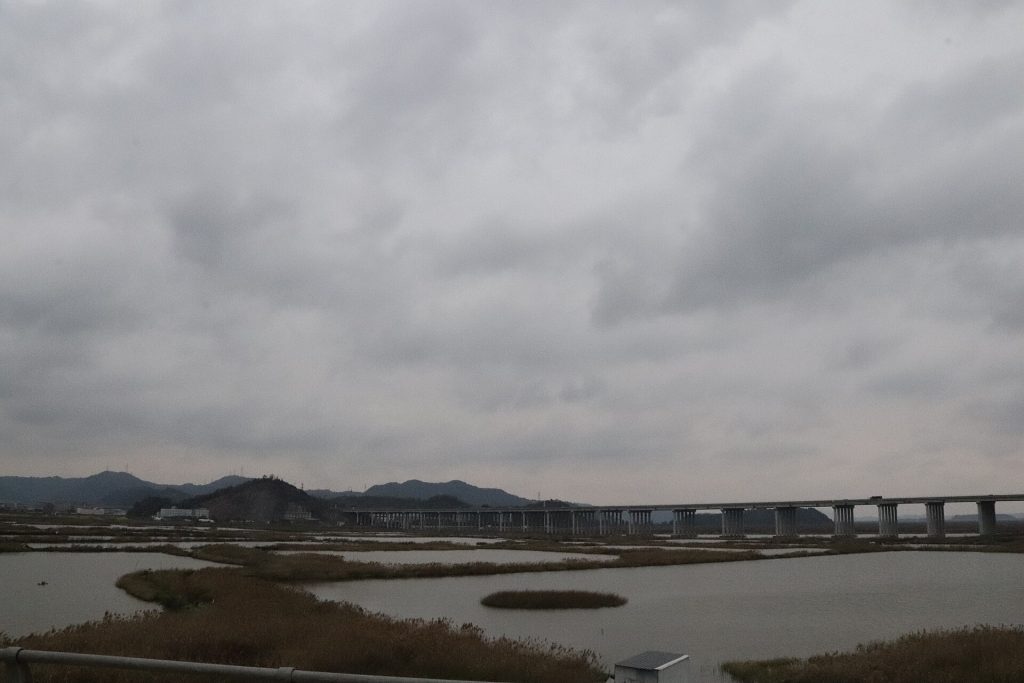
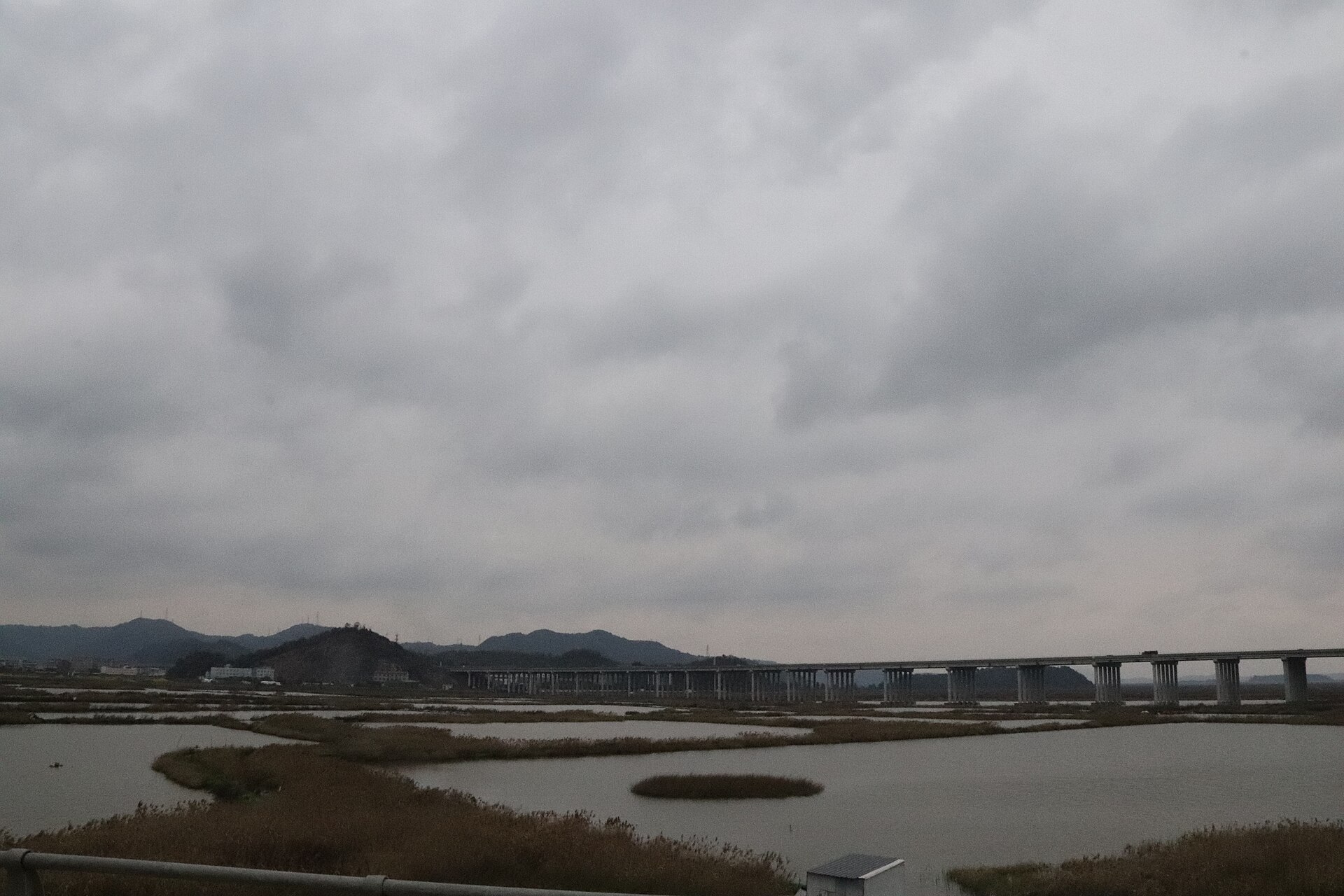
The minibus shuddered to a halt on the causeway, tires hissing on wet asphalt. Ahead, the East China Sea stretched flat and gray, broken only by the black silhouettes of fishing boats riding at anchor. Salt wind slapped my face, carrying the sharp tang of brine and diesel. I adjusted my backpack, stepped onto the gravel shoulder, and watched a crew haul a net heavy with silver ribbonfish onto a dock at Chumen. No tour groups. No ticket booths. Just the tide, the trucks, and the early light turning the water the color of cold tea.
Getting There and Moving Around
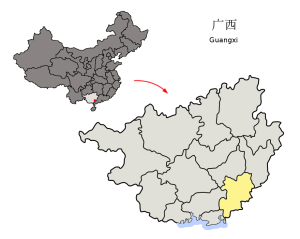
Yuhuan sits off the Zhejiang coast, linked to the mainland by a series of long bridges that make the drive feel like skipping stones across water. The nearest high-speed rail station is in Wenling, about forty minutes by car. From there, a taxi or a pre-booked ride gets you onto the island proper. Buses run from Wenling’s main station to Yuhuan’s central bus terminal near the government buildings, but schedules thin out after sundown.
Once on the island, a car is the only practical way to chase beaches and fishing ports on your own timetable. Rental agencies cluster near the bus terminal; bring your Chinese license or an IDP with a temporary Chinese endorsement. The coastal ring road — S224 — loops the main peninsula, and spur roads shoot off to the ferry piers for Dalu, Jishan, and Pishan. Ferries run on the hour in season, every ninety minutes off-season. Buy tickets at the window; no app needed. Motorbikes and electric scooters are everywhere, but the wind on the exposed causeways can knock a light rider sideways. Stick to four wheels unless you know the gusts.
Islands Worth the Crossing
Dalu Island draws the crowds for a reason. The ferry deposits you at a crescent of coarse sand backed by a row of open-air seafood shacks. Walk north past the last grill and the beach empties into tide pools where hermit crabs scuttle over purple urchins. A concrete path climbs the headland to a lighthouse; the view takes in the whole archipelago strung like broken jade across the horizon. Camping is tolerated on the northern flats if you arrive before dark and leave no trace.
Jishan and Pishan feel like Dalu’s quieter cousins. Fewer ferries, fewer stalls, steeper paths. On Jishan, a narrow lane winds past drying racks of cuttlefish and squid, the scent so thick it clings to your clothes. Pishan’s west beach faces the open sea; winter swells throw spray thirty meters up the cliff. I spent an afternoon there watching an old woman mend nets with a wooden needle, her fingers moving faster than my eyes could follow. She didn’t look up when I passed, but she nodded when I bowed.
Beaches: Sand, Stone, and Timing
The main peninsula’s beaches are utilitarian — gray sand, concrete seawalls, shower stalls that sputter cold water. Shamen Beach, near the wetland park, has the widest stretch and a line of poplars for shade. It fills up fast on summer weekends. For solitude, drive the minor road to Qinggang just before dawn. The tide will be out, exposing a kilometer of wet sand pocked with clam holes. Locals dig there with short-handled rakes; join them if you want razor clams for lunch.
Swimming season runs from the Dragon Boat Festival to the Mid-Autumn Festival. Outside those dates, the water bites. Lifeguards only staff the designated zones at Shamen and Dalu during peak weeks. Rip currents form near the headlands; the red flags are not decorative. If you paddle a kayak or SUP, file a rough plan with the pier master — phone numbers are posted on the notice boards at each launch.
Eating: From Dock to Table
Seafood in Yuhuan isn’t a cuisine category; it’s the default. The morning auction at Chumen Port starts before sunrise. Buyers in rubber boots shout bids over crates of swimming crab, mantis shrimp, and the local pomfret called jiyu. By nine, the same catch sits on ice at the market stalls along Renmin Road. Pick live, point, pay, and carry it to any nearby restaurant that offers dai jia — cook-your-catch service. They charge a flat fee per head for garlic, ginger, scallion, soy, and the wok work.
Home-Style Steamed Crab
This is how a Yuhuan grandmother does it when the crabs are fat in the ninth lunar month.
- 6 live swimming crabs, about 200 grams each
- 30 grams fresh ginger, julienned
- 20 grams scallion, cut into 5-cm batons
- 60 ml aged Shaoxing wine
- 15 ml light soy sauce
- 5 grams rock sugar
- Perilla leaves (optional, for aroma)
- Scrub crabs under running water. Bind legs with wet straw or rubber bands so they don’t autotomize in the steam.
- Lay ginger and scallion on a deep heatproof plate. Arrange crabs belly-up on top. Splash wine over them.
- Steam over rolling boil for 14 minutes. No peeking.
- Meanwhile, dissolve sugar in soy with a splash of the crab liquor from the plate.
- Serve crabs on the aromatics. Dip each claw in the warm sauce. Eat with hot rice and perilla if you have it.
Ordering at a restaurant: ask for qing zheng (clear steam) for fish, bao chao (explosive stir-fry) for clams with chili and fermented black bean, and shao (braise) for yellow croaker with pickled mustard greens. Avoid “spicy crab” smothered in red oil — it masks stale stock. A red flag: tanks with cloudy water or crabs missing legs. Walk next door.
Wetlands, Pomelo, and the Rhythm of the Tide
Xuanmen Bay National Wetland Park sits where the river meets the sea. Boardwalks thread through reeds that turn gold in the tenth lunar month. Migratory birds — spoonbills, black-faced gulls, egrets — stage here by the thousands. The park rents binoculars at the gate; bring your own if the lenses matter. Best light is the hour after sunrise when the mudflats glisten and the birds feed. Mosquitoes rise at dusk; wear long sleeves or accept the bites.
Yuhuan Wendan pomelo hits the markets after the Mid-Autumn Festival. The skin is thick, yellow-green, pitted like a lunar surface. Inside, the segments separate clean, each vesicle bursting sweet-tart with a floral finish. Farmers in the western hills sell them by the crate from the back of three-wheeled trucks. Pick fruit heavy for its size, skin slightly yielding at the stem end. They keep for weeks in a cool corner of the room, the flavor deepening as the moisture evaporates.
What Newcomers Get Wrong
First mistake: treating Yuhuan as a day trip from Wenzhou or Taizhou. The bridges are fast, but the island rewards slowness — the second tide pool, the third plate of clams, the conversation with the net-mender. Book a night in a family guesthouse near Shamen or on Dalu. Wake to the diesel cough of the fleet leaving harbor.
Second: assuming English works. It doesn’t, outside the rare hotel front desk. Learn the characters for the seafood you want, or carry photos on your phone. Pointing at a live tank works better than any phrasebook.
Third: ignoring the wind forecast. A Force 6 northeast wind closes ferries, flattens tents, and turns the causeway into a wind tunnel. Check the marine bulletin the night before. If the boats stay tied up, drive the ring road, eat braised croaker, and watch the waves break on the seawall. The island isn’t going anywhere.
Fourth: buying dried seafood from the tourist strips near the lighthouse. The better stock — dried scallop, shredded squid, salted jellyfish — sits in unmarked shops on the back lanes of Yucheng town. Follow the delivery tricycles. Taste before you pay; salt levels vary wildly.
Last: leaving trash on the beach. The tide takes it, but the crabs don’t. Carry a small bag. Pack out what you pack in. The old woman mending nets on Pishan will notice. She won’t say anything, but she’ll remember.