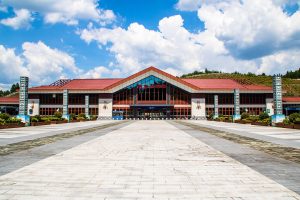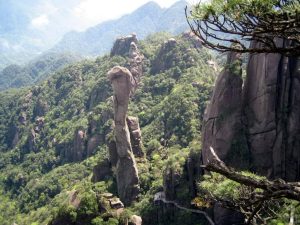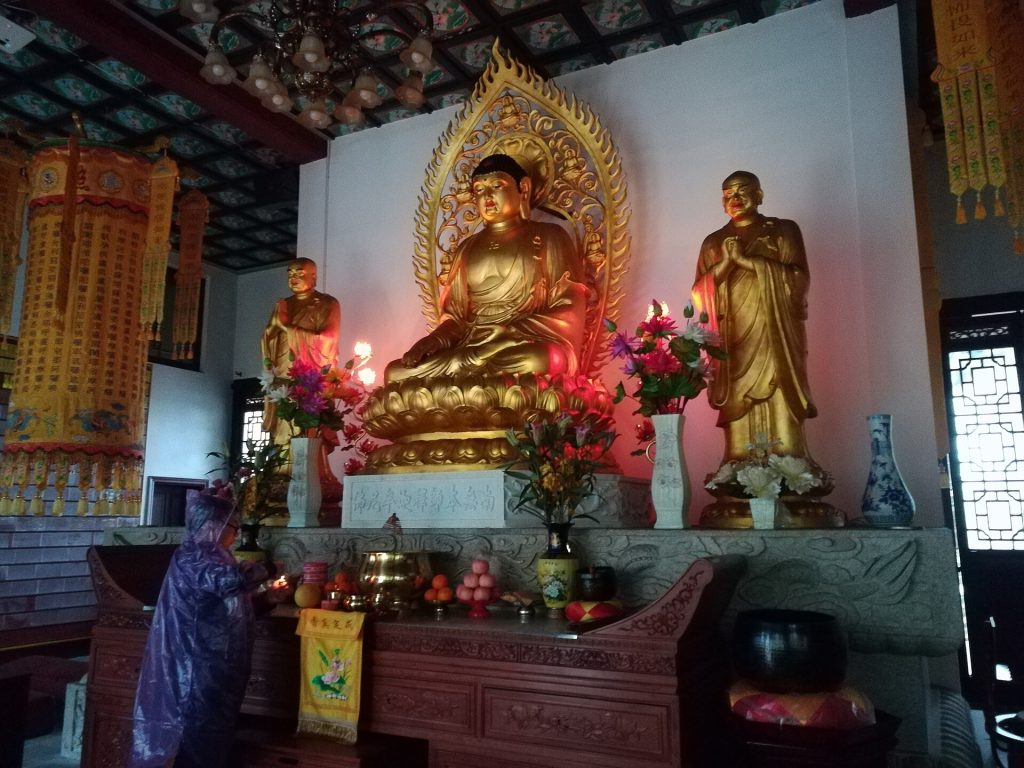
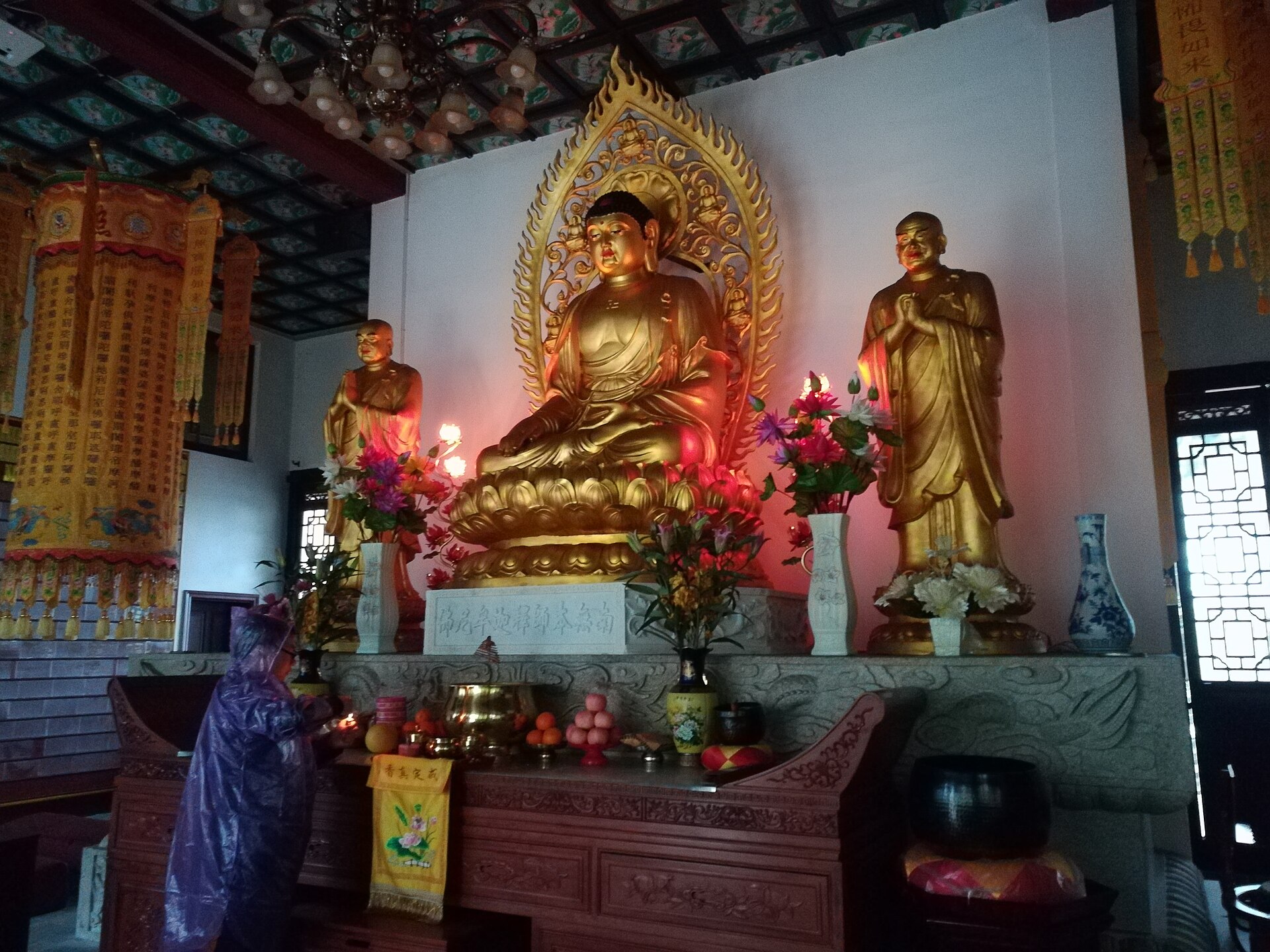
The minibus door hissed open at the Nanyue Grand Temple parking lot, spilling a rush of cold air that smelled of pine needles and woodsmoke. It was the tenth lunar month, the week after the Double Ninth Festival, and the crowds had thinned to a trickle of retirees with walking sticks and a few solo hikers adjusting backpack straps. Stone lanterns lined the avenue toward the temple’s red walls, their paint peeling in a way that felt honest. I tightened my laces, bought a bamboo staff from an old woman sitting on a folded blanket, and started the climb toward Zhurong Peak before the morning mist burned off.
Getting There and First Steps
Most travelers arrive through Hengyang. The high-speed rail station sits about forty minutes by car from the mountain’s main gate. A taxi from the station costs roughly eighty yuan; a public bus runs every twenty minutes from the west square and takes an hour. If you are coming from Changsha, the express bus from the West Bus Station drops you at the tourist center in ninety minutes. Buy the park entry ticket at the gate — keep the stub, you need it for the cable car and the shuttle bus between scenic zones. Arrive before eight in the morning if you want the stone steps to yourself. The main trailhead sits just past the Grand Temple’s rear courtyard, marked by a stone arch inscribed with “Nanyue First Peak.”
Choosing Your Route Up
The mountain offers three real choices. The classic stone staircase from the Grand Temple to Zhurong Peak runs twelve kilometers and gains 1,200 meters of elevation. It takes five to six hours at a steady pace, passing through Fangguang Temple and the Sutra Collection Hall. The western slope cable car cuts the climb to a twenty-minute ride, depositing you at the Gold Summit Pavilion with a final fifteen-minute stair climb to the peak. A middle path exists: take the shuttle bus to Halfway Pavilion, then hike the remaining six kilometers. I took the full staircase on the way up and the cable car down — my knees thanked me. The steps are uneven granite, slick with moss in the damp seasons. Wear shoes with grip; the bamboo staff helps on the descent.
Temples Worth the Detour
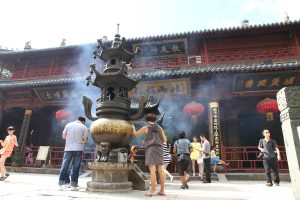
Fangguang Temple clings to a cliff face halfway up. Its main hall dates to the Song dynasty, though the incense burners out front are newer. Monks still chant at dawn; if you arrive before the tour groups, you can sit in the courtyard and hear the wind in the ginkgo trees. The Sutra Collection Hall, higher up, houses a complete set of Buddhist scriptures carved onto wooden blocks — each block the size of a dining table. Photography is forbidden inside. Nanyue Grand Temple at the base mimics the Forbidden City’s layout on a smaller scale: nine courtyards, yellow glazed tiles, a bronze tripod in the central plaza. Locals come here to pray for safe travels and passing exam scores. Bring small change for the donation boxes; the temple does not take mobile pay.
Eating and Sleeping on the Mountain
Guesthouses cluster near the cable car’s upper station and around Halfway Pavilion. Rooms are basic — twin beds, shared bathroom down the hall, hot water only after six in the evening. Book through the park’s official WeChat account or call the manager directly; online travel platforms often list closed properties. A bed in a four-person dorm runs about one hundred yuan; a private room doubles that. Food is simple: rice, stir-fried greens, pickled radish, and a bowl of chili oil that varies from kitchen to kitchen. The best meal I had was a ceramic pot of stewed tofu with wild mushrooms at a family-run spot near Fangguang Temple. The owner foraged the mushrooms herself that morning. Carry snacks — chocolate, dried mango, nuts — for the stretches between vendors. Water bottles cost triple at the summit.
Weather, Seasons, and What to Pack
Spring brings azaleas blooming in waves up the slopes — pink, white, crimson — but also drizzle that turns the steps treacherous. Summer is cool at the top, twenty degrees lower than Hengyang city, yet thunderstorms roll in fast; the cable car shuts down when lightning is detected. Autumn, especially the ninth and tenth lunar months, offers clear skies and maple leaves burning red along the ridges. Winter sees snow on Zhurong Peak; the stone stairs ice over, and the cable car runs on a reduced schedule. Pack a windproof layer regardless of season, a headlamp for pre-dawn starts, gloves with grip for the iron handrails, and a plastic bag for your trash — there are no bins on the trails. A lightweight rain cape beats an umbrella on the narrow stairs.
Mistakes That Ruin a Day
- Starting after nine in the morning — the shade vanishes, the steps heat up, and the cable car queue stretches to two hours.
- Wearing new hiking boots. The granite steps shred stiff soles; break them in on city streets first.
- Skipping the Grand Temple because “it’s just at the bottom.” The architecture and the morning chanting there set the tone for the whole mountain.
- Assuming the shuttle bus runs all night. The last bus down leaves Halfway Pavilion at five thirty; miss it and you walk the service road in the dark.
- Buying “blessed” bracelets from vendors on the summit. The monks at Fangguang Temple will tell you plainly: real blessings come from your own steps, not a red string.
I reached Zhurong Peak as the sun broke through, lighting the sea of clouds below the ridge. A Taoist priest in blue robes rang a hand bell at the summit shrine. Three elderly women knelt on prayer mats, their breath visible in the cold. I ate a cold steamed bun, drank from my thermos, and watched the shadow of the peak stretch across the forest. The descent took three hours on the cable car side — easier on the legs, harder on the wallet. At the bottom, the old woman still sat on her blanket, now selling roasted sweet potatoes. I bought two, wrapped in newspaper, and boarded the bus back to Hengyang with the scent of smoke and pine still on my jacket.