word_target: 2800
–>
Why Hong Kong still works so well for English speakers
Hong Kong is one of the easiest Greater China destinations for a first visit if you think in English. Station names, street signs, ferry boards, and many restaurant menus appear in English as well as Chinese. Airport staff, hotel desks, and MTR customer service centres routinely handle English questions. You will still hear Cantonese everywhere and Mandarin often, but you can navigate airports, trains, trams, ferries, and major attractions without turning every interaction into a translation puzzle.
The city rewards short, focused days rather than marathon checklists. Victoria Harbour at dusk, a Peak tram ride, one cha chaan teng meal, Temple Street after dark, and a quieter outlying-island afternoon already feel like a complete first trip. Hong Kong also sits at a transport hub: zero-duty shopping, dense street food, theme parks, and fishing-village ferries all fit inside a compact metro area.
Travellers describe Hong Kong in wildly different ways — Disneyland for kids, racing for locals, shopping for fashion hunters, seafood for food lovers, concerts for music fans, indie bookshops for night owls. That range is the point. Plan for contrast: neon Kowloon one evening, green Lamma or Lantau the next.
Snapshot: pace, budget, and mood
A classic first visit often runs about five days if you want both city highlights and one island day. Comfort leans toward “enjoyable urban travel”: hotels are smaller than many mainland rooms, prices run higher, and 10% service charges are common on lodging bills. Rough everyday reference points from local travel notes (always check current prices): a soft drink around HK$6, bottled water around HK$5 for 500 ml, a simple meal around HK$100, and hostel beds from around HK$120.
Hong Kong is subtropical: hot and humid in summer, cooler and drier in winter, with heavy rain possible from May to September and typhoon risk peaking roughly July to September. Pack a light rain layer even in “good” seasons.
Highlights worth prioritising
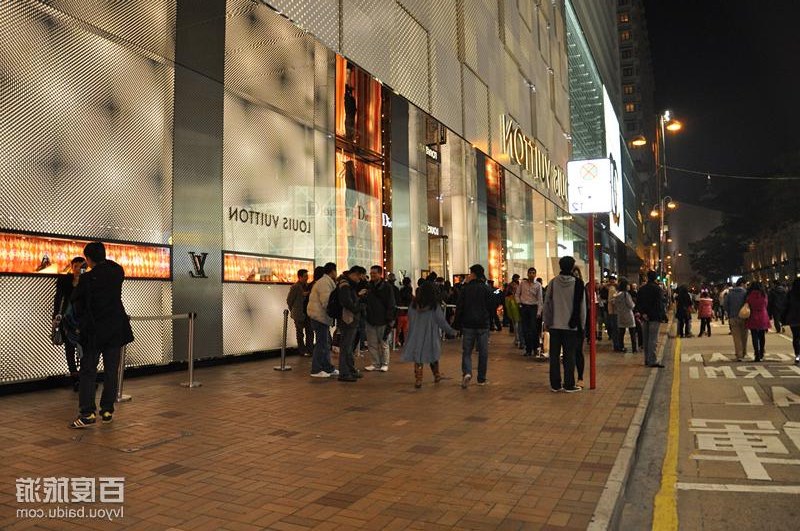
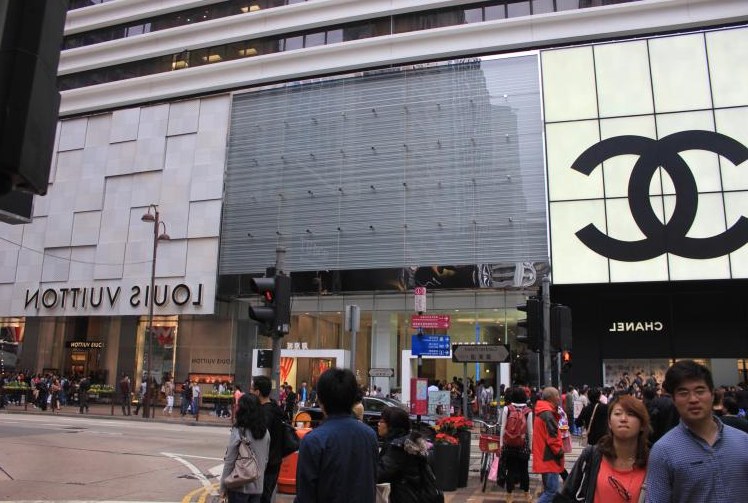
- Serious shopping — Duty-free luxury, cosmetics discounts, and quirky daily goods keep Hong Kong’s “shopping paradise” reputation alive, especially in Tsim Sha Tsui, Causeway Bay, and Central.
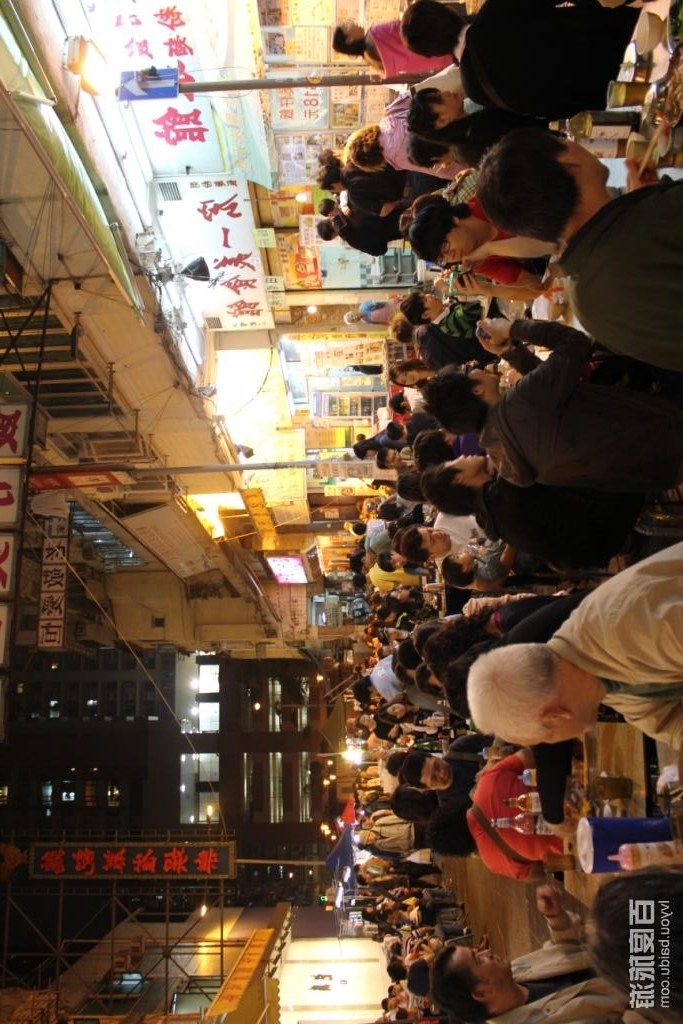
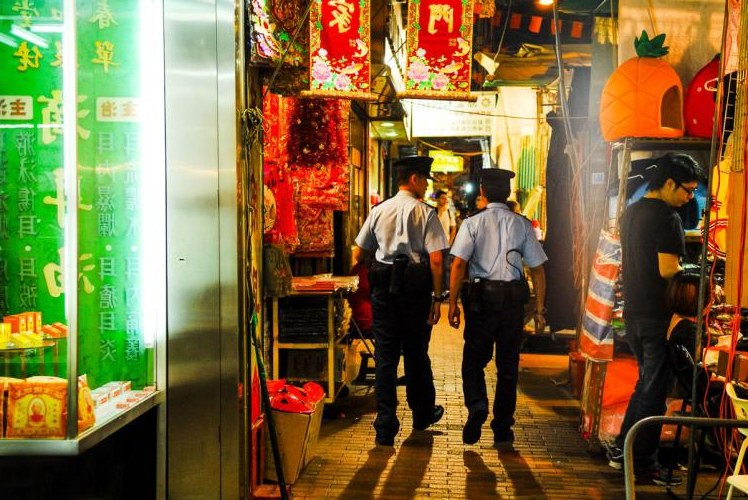
- Temple Street night market — One of the most cinematic, everyday corners of Kowloon: stalls, seafood, claypot rice, and local atmosphere filmed in countless movies.
- Street-by-street eating — Fresh seafood, proper dim sum, international kitchens, and night-market snacks sit within a few MTR stops of each other.
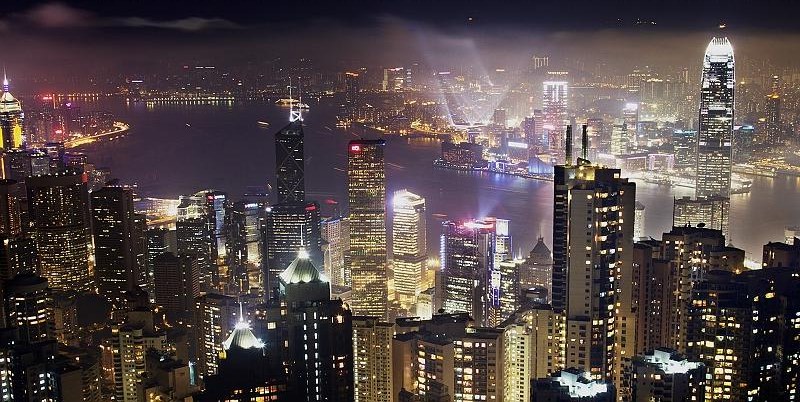
- Victoria Peak night view — The classic romantic skyline: Peak Tram or bus up, then Lion Pavilion or Peak Tower viewpoints over the harbour lights.
- Upstairs bookshops and cafés — Especially around Yau Tsim Mong, quiet second-floor bookstores and cafés cut through the city noise.
- Outlying islands — More than 260 islands sit around the territory; within about an hour you can trade Mid-Levels escalators for fishing villages and slow ferries.
FAQ for first-timers
Can I transit Hong Kong on a Chinese passport without a Hong Kong visa?
Hong Kong Immigration has long published that Chinese passport holders transit to another country or region may be allowed to stay up to seven days without prior entry permission if they meet normal immigration requirements, including a valid onward visa for the destination and confirmed onward tickets. Rules change — verify on the Hong Kong Immigration Department site before you travel. The same logic often appears for Taiwan itineraries when you hold the correct Taiwan documents and tickets.
I have only one Hong Kong entry endorsement and want to visit Macau mid-trip
Usually yes if you also hold a valid Macau endorsement. Returning to Hong Kong within the endorsement’s validity can still work; timing at the last day of validity can allow an extra day in practice. Confirm with current Immigration guidance rather than relying on forum folklore.
Do UnionPay cards work? What about cash?
Large malls and chain stores commonly accept UnionPay without an extra merchant fee and settle in HKD against your RMB account at the network rate, which is often better than street money changers. Where UnionPay is missing, Visa or Mastercard works widely. Some small shops accept RMB at a rough 1:1 style rate that is poor value — keep HKD for markets and taxis. Octopus covers most local transit and many convenience purchases.
Classic five-day outline
Seeing “everything” in five days is impossible; this outline balances theme parks, harbour icons, shopping, and local streets.
Day 1 — Hong Kong Disneyland. If you land in the morning, Disneyland is close to the airport (about 23 minutes via MTR connections through Sunny Bay). Use FastPass-style skip tools wisely, aim for non-weekend days when you can, and stay for the evening fireworks when scheduled.
Day 2 — Ocean Park, then Peak / Madame Tussauds. Spend the day at Ocean Park (South Island cable car, aquariums, rides). Evening: Peak Tram from Garden Road, Peak views, and Madame Tussauds if celebrity photos matter to you.
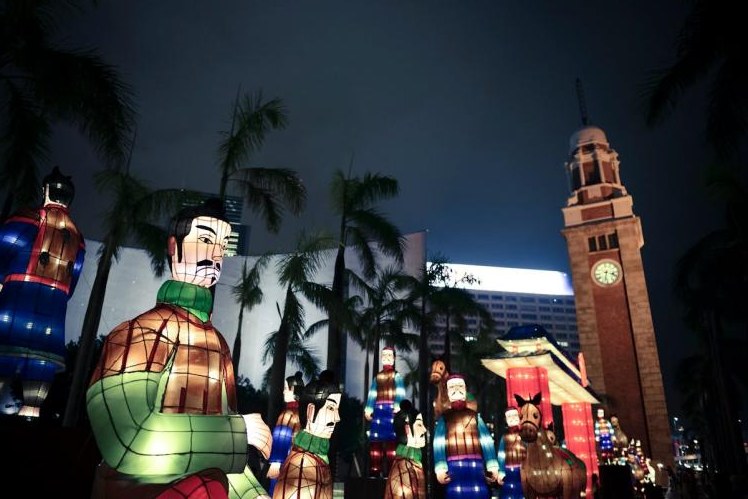
Day 3 — Tsim Sha Tsui shopping, Avenue of Stars, harbour lights, Lan Kwai Fong. Harbour City can fill most of a shopping day. Walk the waterfront for the Avenue of Stars and the free Symphony of Lights around 8:00 pm. Night owls continue to Lan Kwai Fong in Central.
Day 4 — Lantau: Tai O, Tian Tan Buddha, Ngong Ping 360, Tung Chung outlet. Ferry or MTR to Lantau, Tai O fishing village, Big Buddha and Po Lin Monastery, crystal or standard cabin on Ngong Ping 360, then Citygate Outlets before returning by MTR.
Day 5 — Mong Kok and Temple Street. Slow day: Ladies’ Market, sneaker streets, electronics browsing, then Temple Street for night snacks and neon.
Two-day “arts and slow streets” alternative
Day 1: Wander Nathan Road corridor from Tsim Sha Tsui through Yau Ma Tei into Mong Kok — upstairs bookshops, cafés, herbal jelly shops, dessert counters.
Day 2: Ferry to Lamma Island for seafood, village paths, and café time at Yung Shue Wan or Sok Kwu Wan.
Attractions by area
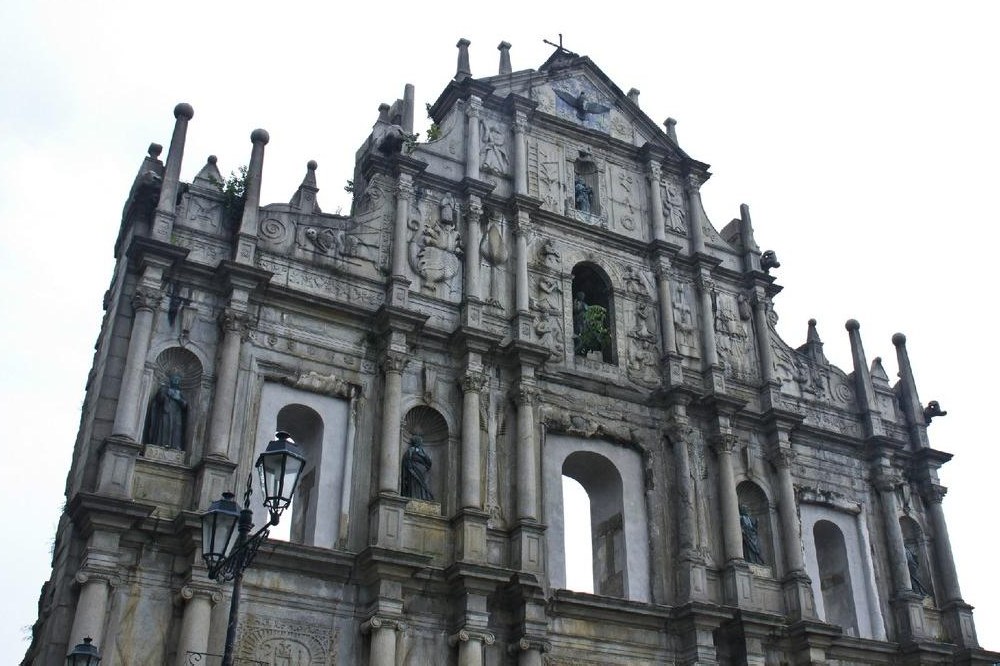
Downtown: Victoria Harbour and Kowloon waterfront
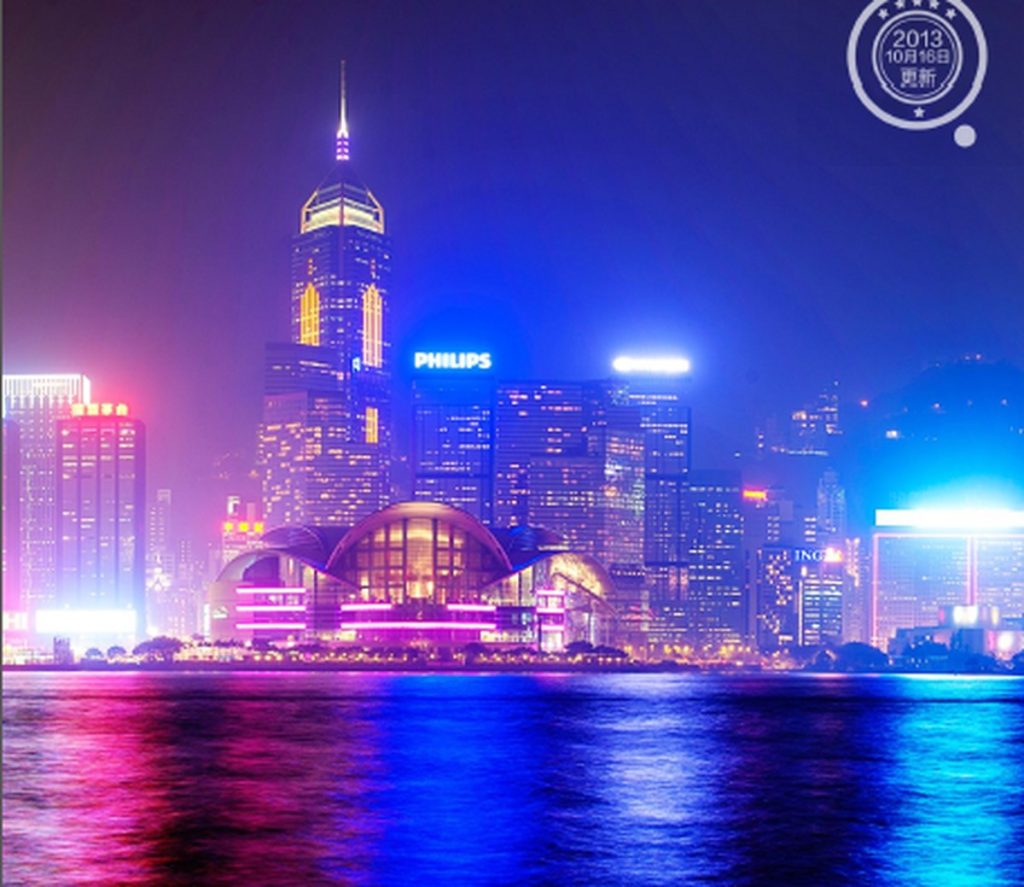
Victoria Harbour ranks among the world’s great natural harbours. The free Symphony of Lights light-and-music show runs around 8:00 pm; Tsim Sha Tsui waterfront, Wan Chai’s Golden Bauhinia area, and harbour cruise decks are strong viewing spots. Reach TST by MTR, bus, or the cheap Star Ferry from Wan Chai or Central.
Avenue of Stars along the Tsim Sha Tsui promenade celebrates Hong Kong film history with plaques and handprints — an easy add-on to any harbour walk.
Wong Tai Sin Temple on the Kowloon side is famous for “ask and you shall receive” fortune culture. Open roughly 7:00–17:30; MTR Wong Tai Sin station exit B2 is a short walk.
Temple Street (Yau Ma Tei) is free, best for about two hours after dusk. Access via Jordan or Yau Ma Tei MTR; follow signs toward Temple Street Night Market. Expect seafood stalls, claypot rice, herbal jelly, and noodle shops at local prices.
District shorthand for first-timers:
- Causeway Bay — dense malls, one of the world’s priciest retail strips.
- Central — finance towers, Lan Kwai Fong nightlife, Mid-Levels Escalator (yes, the Chungking Express vibe).
- Yau Tsim Mong — the most “everyday Hong Kong” stretch for walking, markets, and upstairs shops.
Hong Kong Island: the Peak, Stanley, Ocean Park
Victoria Peak is the must-do viewpoint. Peak Tram from Garden Road: roughly 7:00–00:00, every 10–15 minutes, about seven minutes up (adult one-way historically around HK$28, return HK$40 — verify current fares; Octopus accepted). Lion Pavilion and Peak Park remain favourite night-view spots.
Madame Tussauds Hong Kong sits at Peak Tower with international and local celebrity wax figures. Typical hours around 10:00–22:00; combine with Peak Tram or bus 15 / green minibus 1.
Stanley on the south side mixes beaches, open-air bars, and a slower European-café mood. Buses from Central or Causeway Bay (including 6 / 6A / 6X / 260 and minibus 40) are the usual approach.
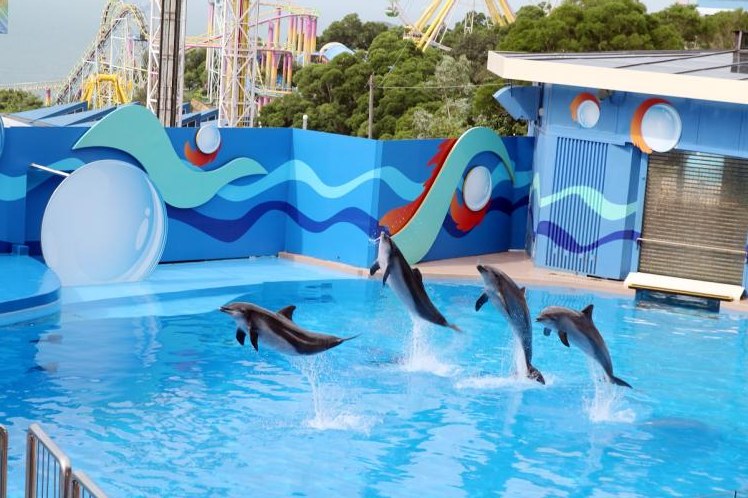
Ocean Park is Hong Kong’s big marine-and-thrill park: aquariums, dolphin shows, cable car, Ocean Express “submarine” train, and the long outdoor escalator between zones. Adult tickets have historically been around HK$320 (children half). Arrive early for shade at outdoor shows; park food is pricey, so snacks help. Citybus 629 links Admiralty / Central Star Ferry with the park.
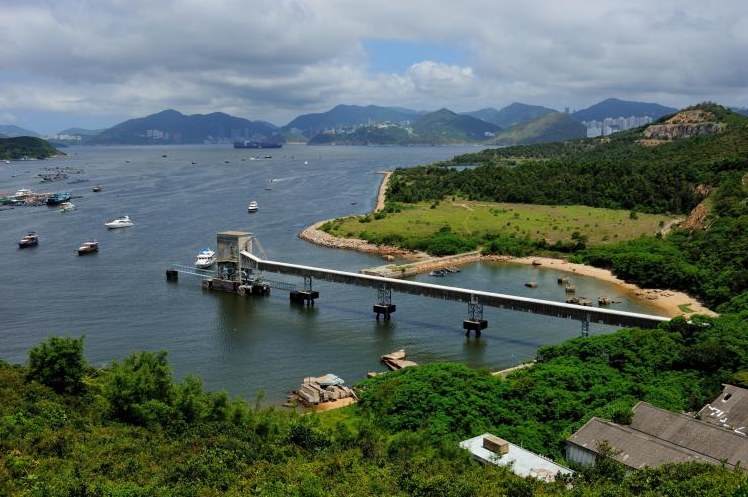
Islands: Lamma, Lantau, Disneyland, Sai Kung, Cheung Chau
Lamma Island (second-largest outlying island after Lantau) is about 30 minutes by ferry from Central Pier 4. Sok Kwu Wan leans fishing-village seafood; Yung Shue Wan leans cafés and a looser expat vibe. Rent bikes if you like hills; many visitors sail one pier outbound and the other inbound to avoid backtracking.
Hong Kong Disneyland on Lantau is compact but popular with regional visitors: Main Street, Adventureland, Fantasyland, Tomorrowland, Toy Story Land, Grizzly Gulch, Mystic Manor, and more. Check current ticket tiers and parade / fireworks times. MTR Disneyland Resort Line from Sunny Bay is the scenic rail approach; airport access is short.
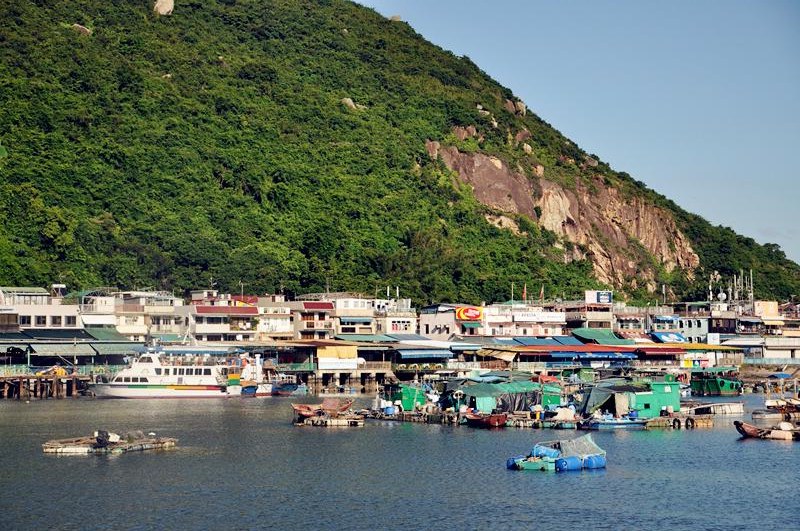
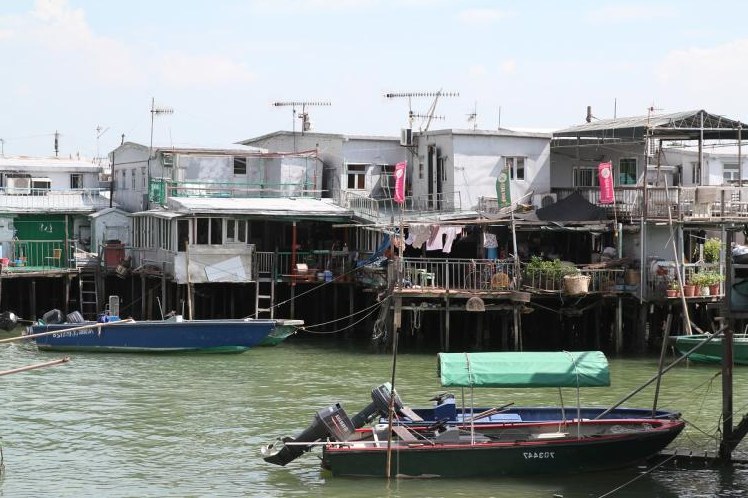
Lantau also holds Ngong Ping 360 (25-minute cable car; Crystal Cabin floors are worth the premium for fewer queues and better views), Tian Tan Buddha (268 steps), Po Lin Monastery, and Tai O stilt-house fishing village — often nicknamed Hong Kong’s Venice. Bus 11 from Tung Chung or the cable-car-plus-bus combo both work. Near Tung Chung Station, Citygate Outlets make an easy shopping coda.
Sai Kung in the eastern New Territories is a seafood waterfront town with simple restaurants along a short high street — ideal for a half-day escape. Cheung Chau offers beaches, temples, and a dumbbell-shaped island day trip from Central Pier 5.
Activities beyond the postcard
Symphony of Lights — free, about 14 minutes from 8:00 pm; best from Tsim Sha Tsui promenade or a harbour ferry deck.
Horse racing — the only widely legal local betting sport. Season roughly September–June; Wednesday night meetings often at Happy Valley, weekend days at Sha Tin. Public stands have historically been inexpensive (around HK$10).
Lan Kwai Fong — Central’s L-shaped nightlife lane of bars and clubs. Most venues wake after 6:00 pm; MTR stops around 00:30, so budget a taxi or nearby hotel if you stay late. Ask cover and drink prices before you commit.
Concerts at Hong Kong Coliseum (Hung Hom) — a major Cantopop venue even though it is labelled a coliseum; check calendars if music is your hook for the trip.
Lodging: where to base yourself
Expect smaller rooms than mainland averages and a 10% service charge. Book early for peak seasons.
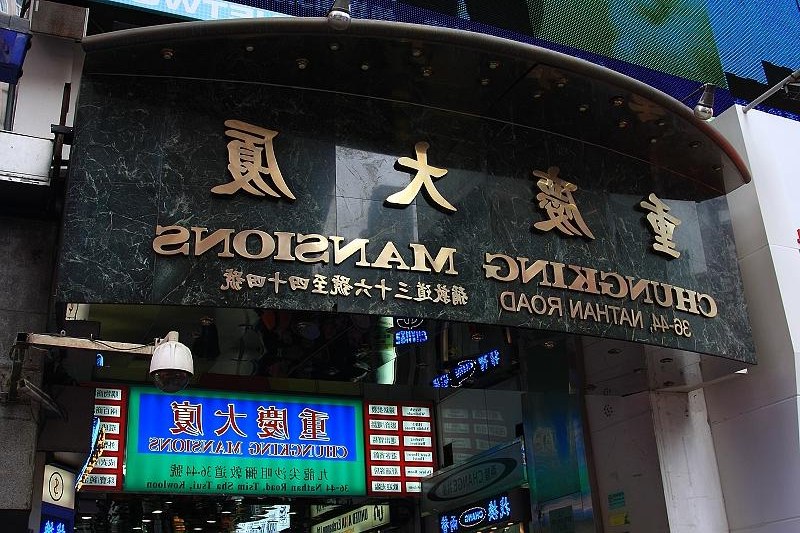
Tsim Sha Tsui — best for first-timers who want harbour access and shopping. Options range from famous luxury names (The Peninsula, InterContinental) to mid-range hotels near Harbour City and budget guesthouses in Chungking Mansions (noisy, characterful, better for experienced travellers; women may prefer companions).
Mong Kok / Yau Ma Tei — better value, denser street food, Ladies’ Market and Temple Street on foot. Compact business hotels and guesthouses dominate.
Causeway Bay / Wan Chai — shopping and nightlife convenience; Times Square, SOGO, and bar streets nearby.
Central / Admiralty — premium prices, harbour and Peak access, finance-district polish.
Hostels — YHA properties (including scenic Mount Davis and Ngong Ping locations) can be strong value if you accept less central sites and check shuttle details.
Food: what to eat first
Hong Kong’s “food paradise” reputation rests on cha chaan teng cafés, Cantonese roast meats, dim sum, seafood, and inventive desserts.
Cha chaan teng tip: the tea often served on arrival may be for rinsing utensils, not drinking. Carry tissues; not every shop provides napkins.
Signature bites and drinks to chase:
- Baked pineapple bun with butter (冰火菠萝油) plus milk tea — classic breakfast.
- Har gow, wonton noodles, claypot rice, dry-fried beef hor fun.
- Roast goose / char siu, bridge-bottom spicy crab for richer dinners.
- Fish balls, cart noodles, turtle jelly (guilinggao), herbal tea.
- Sweets: egg tarts (butter crust vs puff), double-skin milk, ginger milk curd, mango pomelo sago.
- Drinks: “pantyhose” milk tea, yuenyeung (coffee-tea mix).
Neighbourhood restaurant hunting works well in Tsim Sha Tsui, Mong Kok, Causeway Bay, Wan Chai, and Central. Michelin-tagged names such as Tim Ho Wan, Ho Hung Kee, and traditional rooms like Luk Yu Tea House appear in many guides — arrive early or expect queues. Souvenir biscuits (including the famous bear-cookie bakeries) sell out; bring cash for some shops.
Shopping map
Best discount windows traditionally cluster from December into Chinese New Year, with deeper cuts nearer Christmas and thinner stock later.
- Tsim Sha Tsui: Harbour City (huge mall, major luxury), K11 (art-retail hybrid), The ONE.
- Causeway Bay: Times Square, SOGO, Hysan Place (younger brands, bookstore floors).
- Central: The Landmark, IFC Mall.
- Cosmetics: Sa Sa, Bonjour, and trusted pharmacies; Dragon Supermarket (Lung Cheong) is cash-HKD oriented for bargains and samples.
- Luxury outlets / off-price: Elements at Kowloon Airport Express station, Festival Walk, Citygate Outlets (size gaps common).
- Electronics: Fortress and Broadway for fixed prices; Mong Kok grey markets need sharp judgment.
- Books: Eslite at Hysan Place, Page One branches, and Mong Kok “upstairs bookstores” for indie titles.
Practical information
- Dialling code: +852
- Emergency: 999
- Voltage: 220 V; hotels usually have adapters.
- Languages: English is official; Cantonese dominates daily life; many younger locals understand Mandarin even if they answer in Cantonese or English.
- Currency: Hong Kong dollar (HKD). Exchange at banks or plentiful changers; cards with Visa / Mastercard / UnionPay are widely useful.
- Mobile: Enable roaming before arrival or buy a local SIM / eSIM at the airport, MTR, or convenience stores.
Getting in
Hong Kong International Airport (HKIA) — Airport Express is fastest to Kowloon / Hong Kong stations (Octopus or tickets); A-line airport buses are scenic and cheaper; taxis are metered and pricier. Hotel shuttles exist at a premium.
Rail — Cross-boundary and high-speed options connect via West Kowloon / older Hung Hom patterns depending on service; check current timetables.
Ferries — China Ferry Terminal (Tsim Sha Tsui) and Hong Kong–Macau Ferry Terminal (Sheung Wan) link Pearl River Delta ports and Macau. Hong Kong–Macau turbojets run roughly hourly around the clock with day/night fare differences.
Getting around
MTR — backbone of the visit; roughly 6:00–01:00, frequent trains, distance-based fares. Octopus is simpler than single tickets. Many mall exits connect directly from stations. The Disneyland Resort Line is themed and fun even as transport.
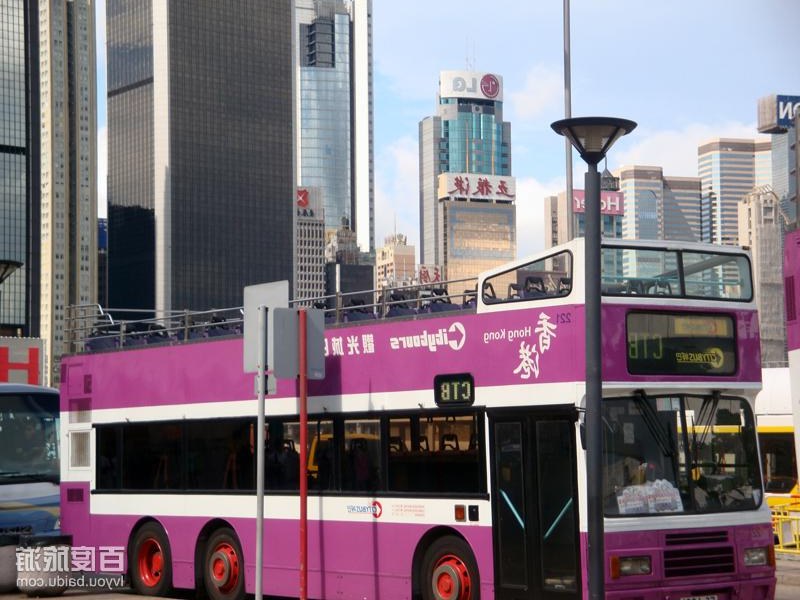
Buses and minibuses — double-deckers are great for sightseeing; fares vary widely by route.
Trams (“ding ding”) — flat fares historically near a couple of HKD; board rear, pay when alighting front; perfect for Island Line corridor people-watching.
Star Ferry — Central / Wan Chai–Tsim Sha Tsui for a few dollars and the best cheap harbour postcard.
Taxis — convenient for short hops or late nights; flagfall historically around HK$20 then incremental charges; show the destination in Chinese characters when possible.
Peak Tram — sit on the harbour-view side (boarding-door side ascending; opposite descending).
Calm first-visit habits
- Buy or top up an Octopus on day one.
- Screenshot hotel addresses in English and Chinese.
- Do harbour lights and one market night before you add theme parks.
- Keep one half-day empty for rain, queues, or a spontaneous ferry.
- Pair Hong Kong with Macau only after checking ferry times and entry documents for both SARs.
Hong Kong is dense, bilingual enough for English speakers, and richer when you mix the Peak and the harbour with Temple Street noodles and an island ferry. That mix — not a single “perfect” itinerary — is what makes a first visit stick.