Why Macau feels bigger than its map
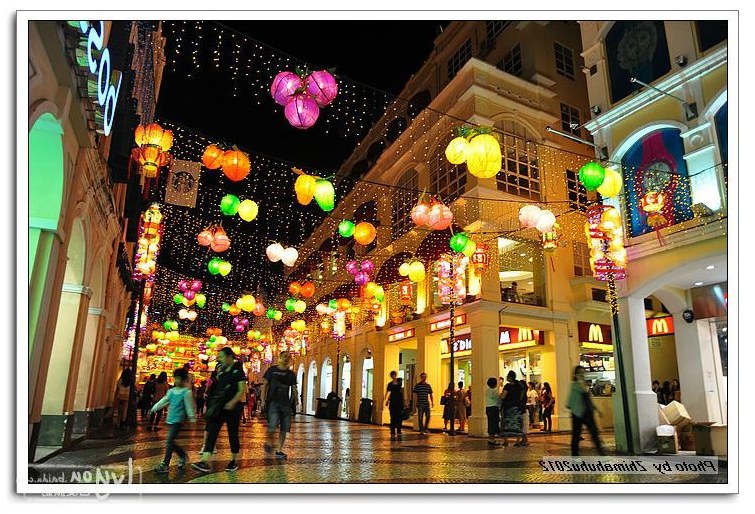
Macau is small on paper and large in mood. A cycling span from the peninsula to Coloane can take only tens of minutes, yet the feeling shifts from international resort strip to fishing-village quiet. On the peninsula, neon, casinos, and tour groups pack Senado Square and the Ruins of St Paul’s. On Taipa and Coloane, neighbours still linger over afternoon tea and card games under trees, as if the world’s gambling capital were someone else’s rumour.
English works better here than in many mainland cities, especially in hotels, ferries, and major resorts, though Portuguese appears on street signs and Cantonese dominates daily chat. For English-speaking visitors, Macau is an easy add-on to Hong Kong: one-hour ferries, shared tourism DNA, and a UNESCO historic centre that rewards walking more than racing.
Travellers often say Macau feels smaller than expected — buses loop the same landmarks, one-way streets slow taxis, and walking sometimes beats riding. That compactness is a gift: you can see heritage alleys and Cotai spectacle in a single weekend without pretending you “finished” the city.
Snapshot: time, budget, and seasons
Many first visits fit two days (or a long day-trip from Hong Kong). Comfort is “normal urban travel”: casino hotels can be flashy and cool indoors; budget stays may sit off the peninsula. Rough price colour from older local notes (always recheck): soft drinks around MOP 5, hostel beds from about MOP 100, a simple meal around MOP 30, bottled water around MOP 3.
Best months are often October–December: milder, lower humidity. Winter (January–March) can feel cool but sunny; April brightens; May–September is hot, with typhoon risk — also the season when beaches feel most tempting.
Highlights to lock in early
- Horse racing at Macau Jockey Club — Broad grandstands (among Asia’s largest seating capacities historically), air-conditioned viewing, and screens for every race.
- A cautious look inside a casino — Lisboa / Grand Lisboa and Cotai resorts define the skyline; treat gambling as optional atmosphere, not a budget plan.
- Portuguese egg tarts — Lord Stow’s Bakery on Coloane made the fame; Margaret’s Café e Nata and others keep queues moving on the peninsula and Taipa.
- St. Dominic’s Church (Rose Church) — Quiet choir moments after the bright noise of the casinos.
- Aomá Gé (A-Ma Temple) — Incense for the sea goddess who lent Macau its name.
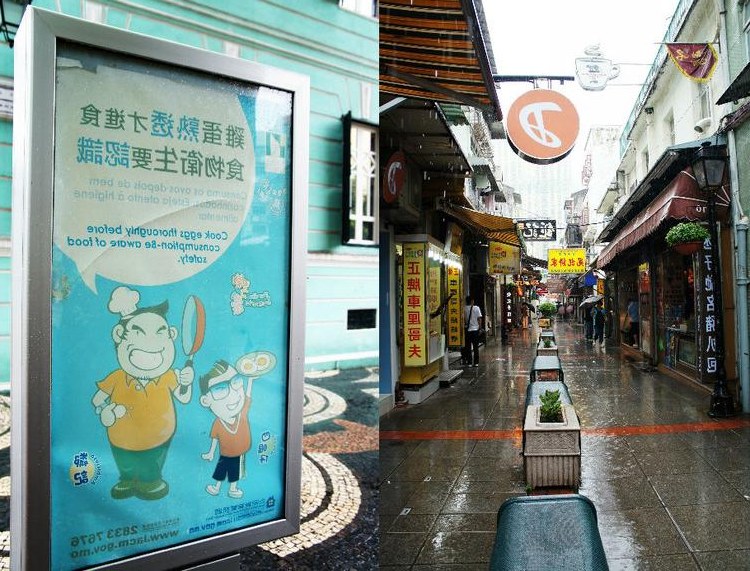
- Rua da Felicidade (Happiness Street) — Late-Qing shophouses, snack shops, and nearby souvenir lanes with free tastes of beef jerky and almond cookies.
FAQ and trip prep
When should I go?
October–December for walking comfort; summer if you want beaches and accept heat and storm forecasts.
Voltage and plugs?
220 V / 50 Hz — same as mainland China. Many device chargers are dual-voltage; pack a plug adapter for the local socket shape.
Phone costs?
Enable international roaming before arrival, or buy a local SIM / tourist data card at the border, ferry terminal, or shops. Dialling mainland numbers uses the 0086 prefix; roaming can be pricey compared with a local card.
Free Wi-Fi?
Macau’s public “WiFi Go” style hotspots have expanded across libraries, museums, squares, parks, and tourist offices — useful for maps between hotel Wi-Fi sessions.
Documents for mainland Chinese visitors (context)
Mainland travellers typically need a Mainland Travel Permit for Hong Kong and Macau with the correct endorsement type. Individual visit (G) versus group (L) rules differ by city of application. English-speaking international visitors follow their own visa-free or visa-required rules for the Macao SAR — check the Macao Government Tourism Office and Immigration before travel. Do not rely on fake onward tickets to invent transit stays; overstaying patterns can create lasting entry problems.
Money
Macanese pataca (MOP) coins and notes cover daily life. HKD is widely accepted; RMB is only sometimes accepted and often at poor rates. Casinos typically prefer HKD and have exchange desks inside. Rough older ratios hovered near 1 CNY ≈ 1.17 MOP and 1 HKD ≈ 1.03 MOP — use live rates. Cards work in many hotels and malls; keep cash for buses and small snack shops.
Language and customs
Official languages are Chinese and Portuguese. Cantonese is the everyday majority language; English appears in tourism and hospitality. Pack long trousers and closed shoes if you plan casino floors — shorts and flip-flops are often refused, and air-conditioning runs cold.
Area code +853, emergency 000, same time zone as Beijing.
Getting there and around
By air
Macao International Airport sits close to Cotai. Historic notes cite airport tax and passenger service fees for certain routes — confirm current charges. Buses AP1, 26, 21 and others link the airport with the peninsula and islands; taxis from the airport into town are short but add luggage surcharges.
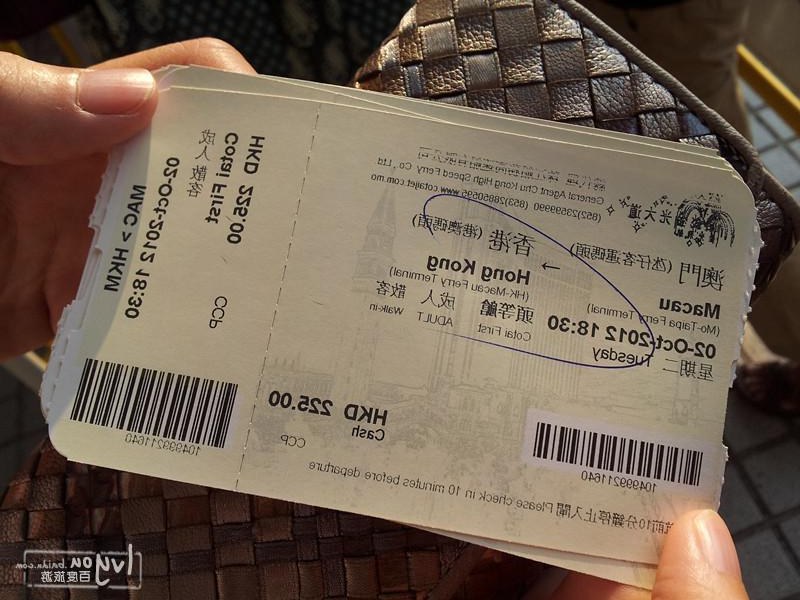
By ferry (most common from Hong Kong)
Turbojets and similar services link:
- Hong Kong–Macau Ferry Terminal (Sheung Wan) ↔ Outer Harbour Ferry Terminal
- China Ferry Terminal (Tsim Sha Tsui) ↔ Outer Harbour
- Hong Kong International Airport SkyPier ↔ Macau terminals (limited schedules)
Day vs night fares differ; crossings take about an hour. Shenzhen–Macau and other Pearl River routes also exist from ports such as Shekou and Fuyong.
Local transport
Buses cover peninsula, Taipa, and Coloane with bilingual stop information. Historic flat fares rose by distance (peninsula cheaper than Coloane / Hac Sa). Wave at the bus — it may not stop otherwise. Exact change culture is common.
Taxis — flagfall historically around MOP 13 for the first 1.6 km, then distance increments; phone dispatch numbers exist for call-a-cab service.
Pedicabs — touristy rides around Sai Van / Praia Grande style waterfronts; agree the hourly price first (often in the MOP 150–200/hour range historically).
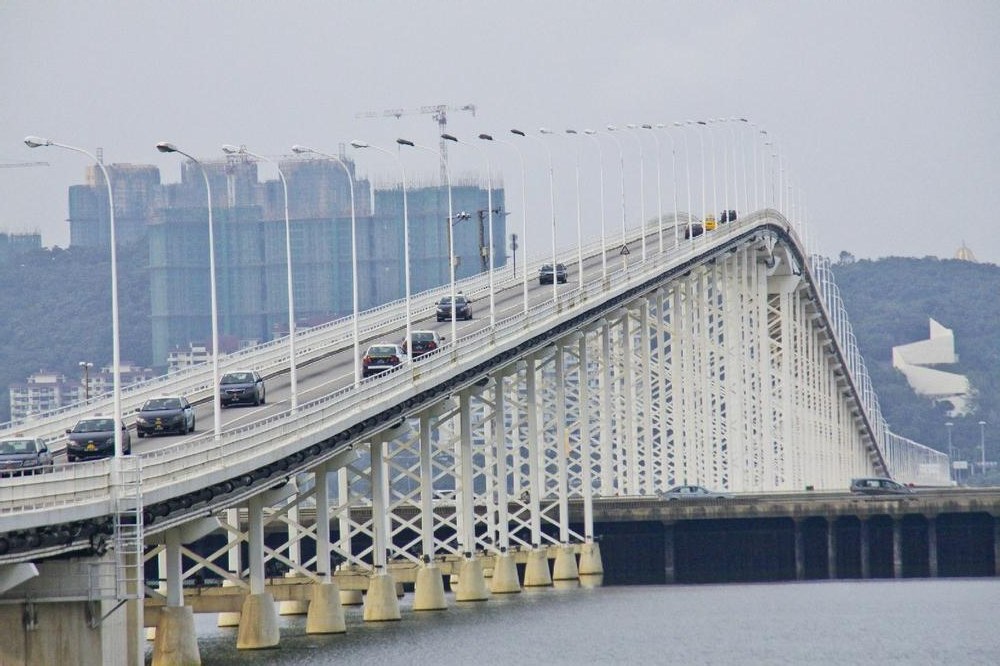
Bicycles — rentable on Taipa; not on the Macau–Taipa bridge. Ride on the left.
Attractions: heritage peninsula and Cotai spectacle
Ruins of St Paul’s
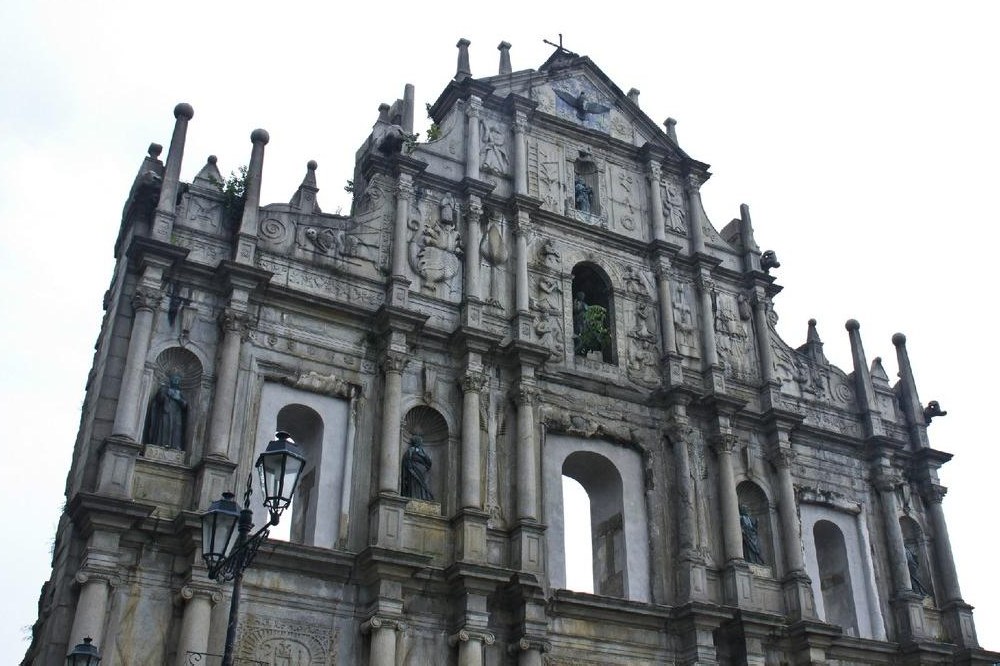
The stone façade of the old Church of Mater Dei is Macau’s postcard. Granite baroque with Asian carved details, wide stairs, museum and crypt hours typically by day. Buses along Almeida Ribeiro / nearby stops drop you within a short walk. Pair it with Monte Fort and the Macao Museum above.
A-Ma Temple
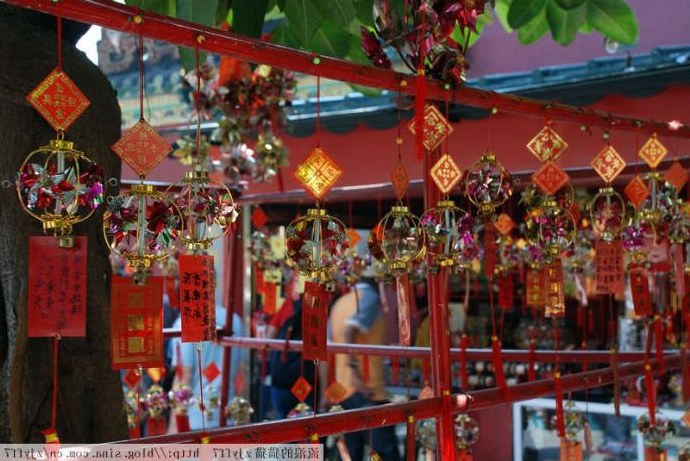
Macau’s oldest temple complex honours the sea goddess Mazu (Lin Moniang). Open roughly 7:00–18:00 at the southwest tip of the peninsula. Combine with the Maritime Museum across the square for sea-history exhibits (closed some Tuesdays; modest ticket prices).
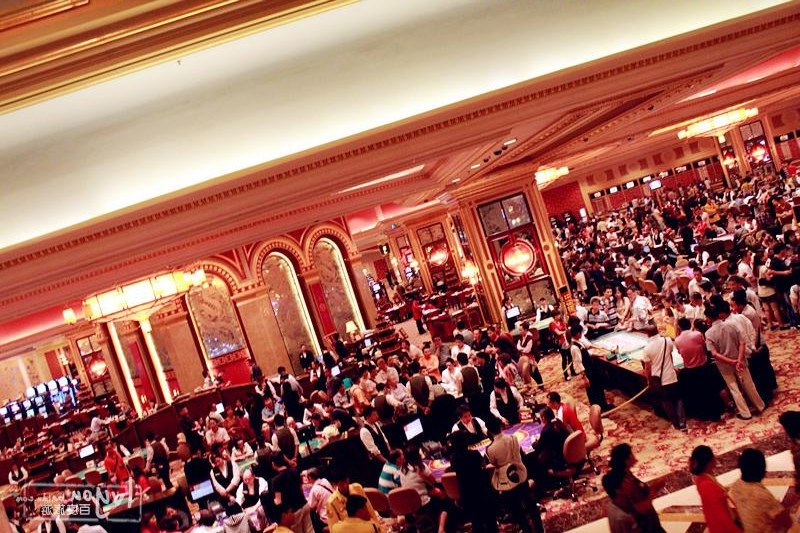
Grand Lisboa / Lisboa casino belt
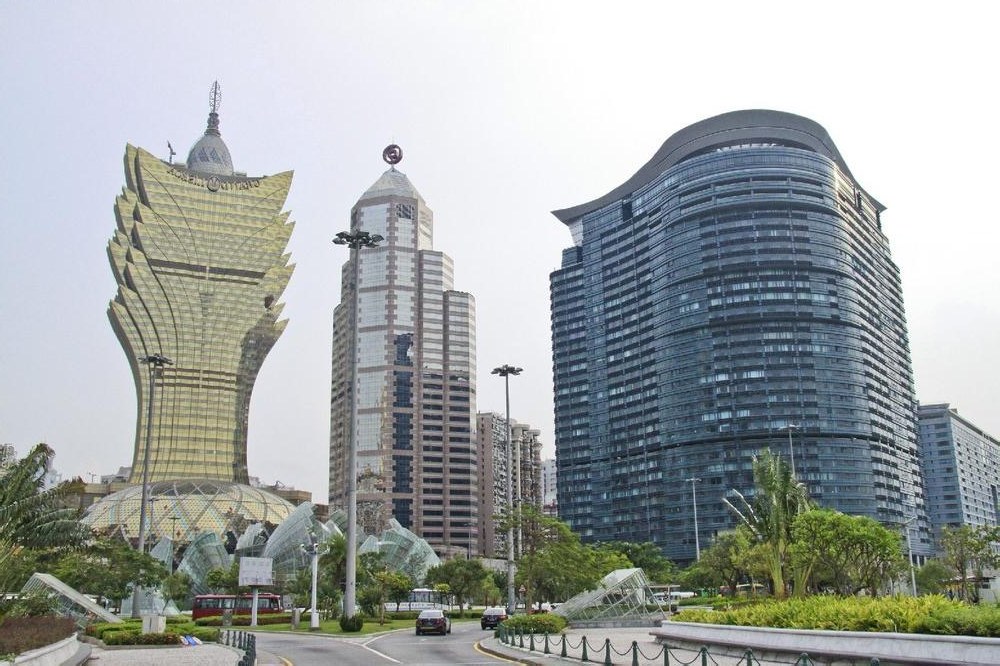
The “birdcage” Grand Lisboa and older Lisboa complex remain symbols of Macau gaming. Entry is free; dress codes apply. Treat any betting as entertainment with a hard loss limit.
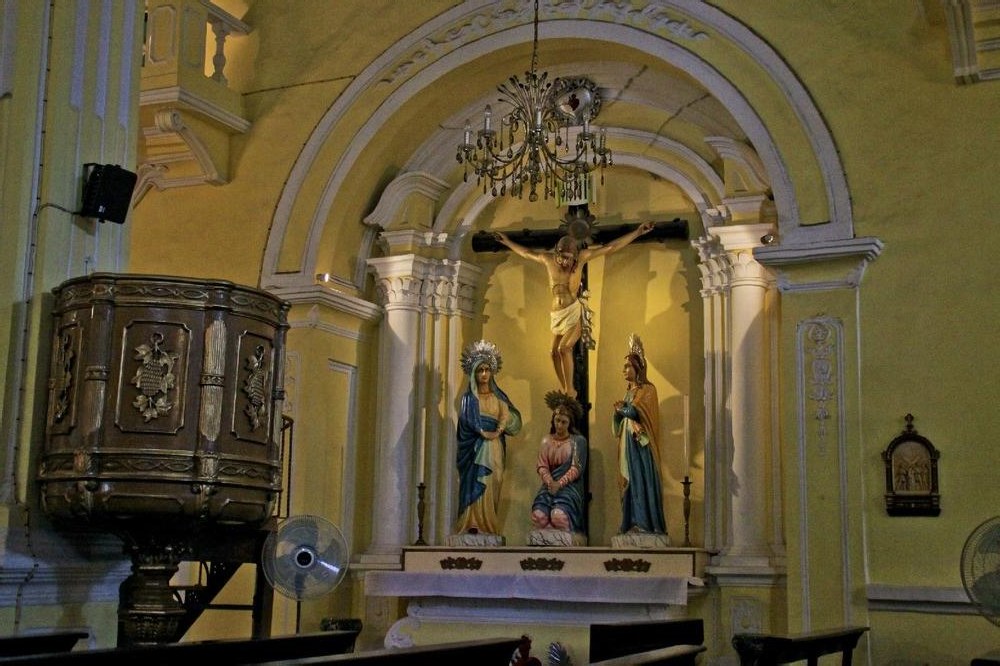
St. Dominic’s Church
Near Senado Square, this Dominican church holds centuries of Catholic art. Daytime opening windows are typical; it is a calm counterweight to casino floors.
Taipa Houses Museum (Carmo / “Portuguese charm”)
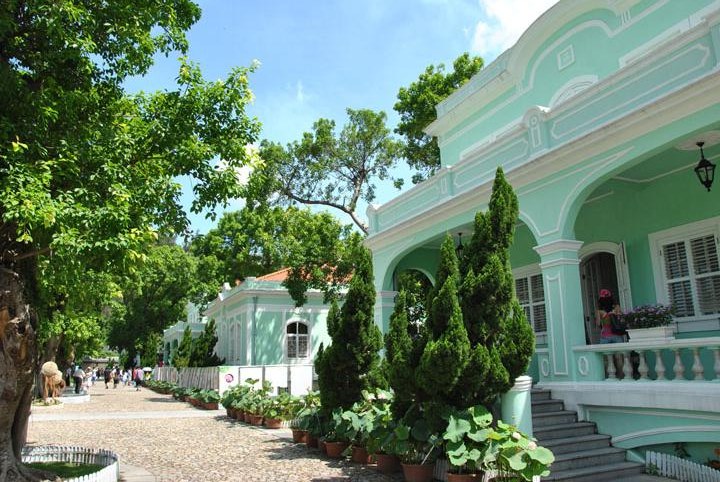
Five pastel colonial houses on Taipa’s old waterfront plus chapel and gardens — one of Macau’s classic photo sets. Closed Mondays in many schedules; small admission.
The Venetian Macao
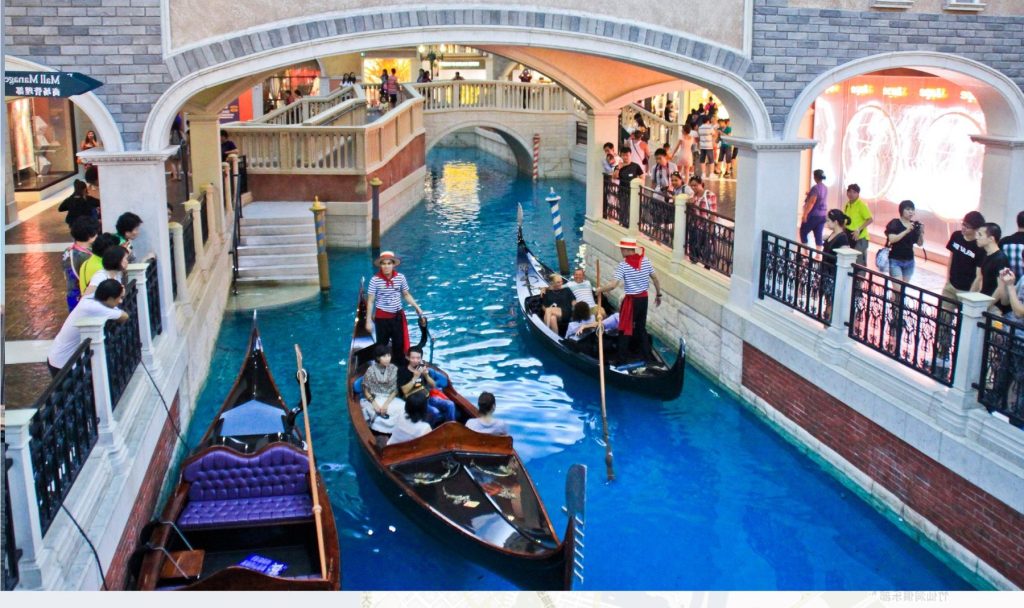
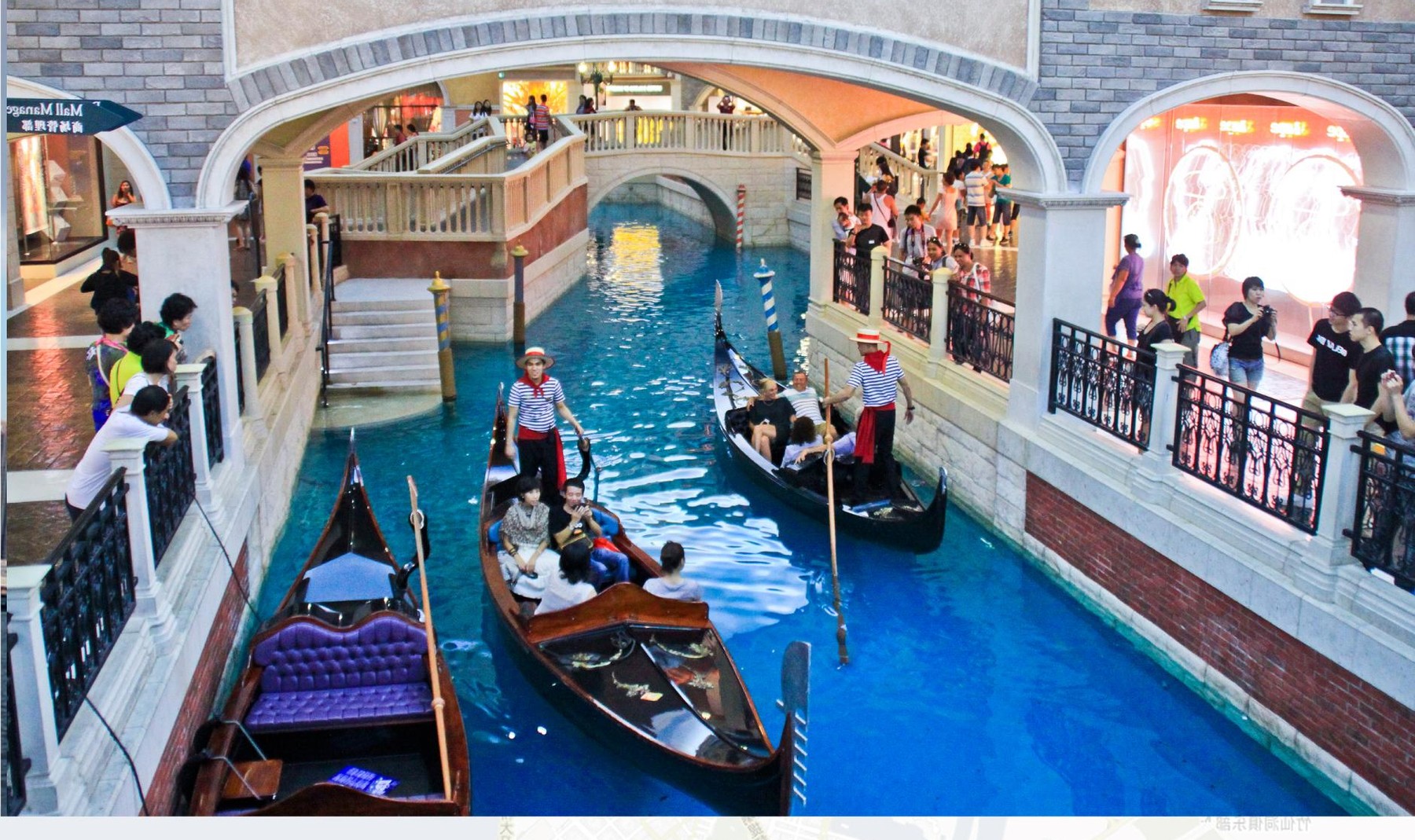
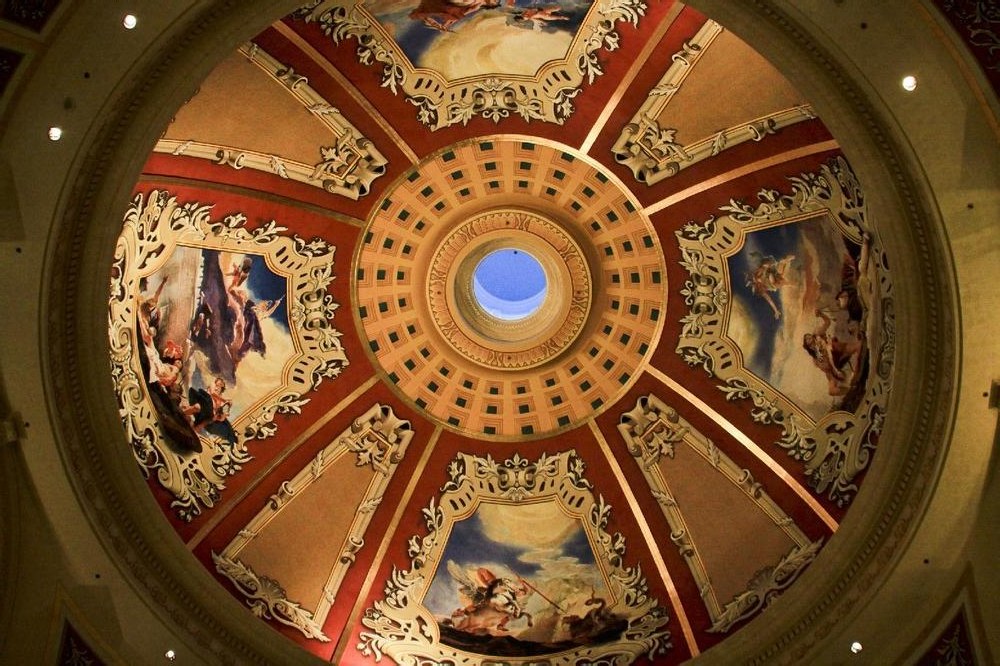
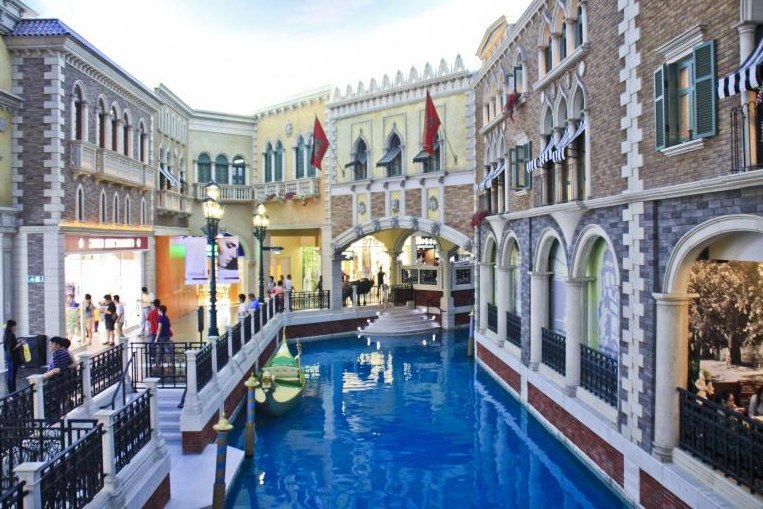
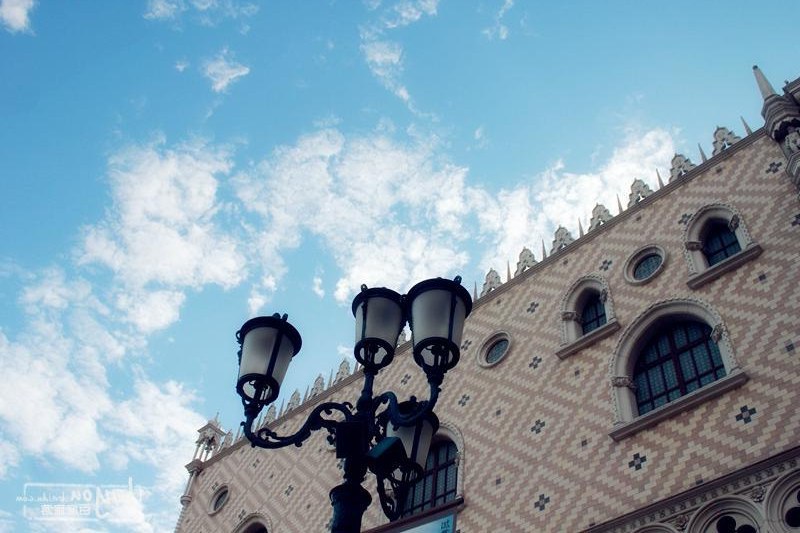
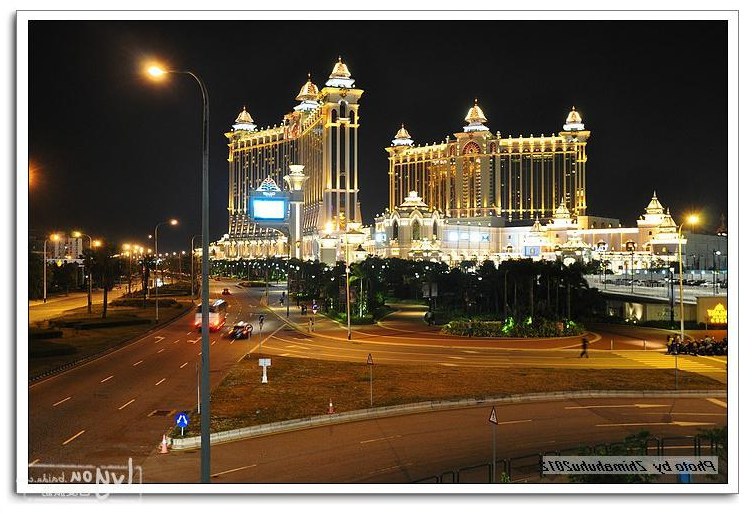
Asia’s mega-resort theatre: indoor canals, gondolas, casino, conference halls, and hundreds of shops under a painted sky. Free resort shuttles run from border gates and ferry areas on published timetables. Even non-gamblers come for the spectacle and air-conditioned walking.
Monte Fort
Beside the Ruins of St Paul’s, the fort and museum explain Macau’s military and social history with harbour views.
Activities
Gaming — baccarat, blackjack, roulette, sic bo, slots, and more across Lisboa, Wynn, Venetian, Galaxy, and others. Know the house edge; carry ID; leave when the fun stops.
Horse racing — Macau Jockey Club on Taipa; season historically September–August with Tuesday nights and weekend days (summer often night racing). Entry may require a minimum betting voucher rather than a pure spectator ticket — check current rules.
Greyhound racing — historically at Canidrome with evening cards; confirm whether meetings still run before you plan around them.
Water-show theatres — Cotai resorts stage large fountain / multimedia shows; family tickets can be pricey and weekend seats sell out by afternoon.
Food: egg tarts, pork chop buns, and street bowls
Macau’s kitchen mixes Cantonese, Macanese, Portuguese, Southeast Asian, and hotel buffets. Do not leave without:
- Pork chop bun — crispy bun, juicy fried chop (famous at Tai Lei Loi Kei style shops).
- Bacalhau (salted cod) — Portuguese comfort in local restaurants such as long-running Macanese–Portuguese rooms near the inner harbour.
- Water crab congee — rich crab porridge on Taipa food streets.
- Portuguese egg tarts — flaky, caramel-top custard; Lord Stow’s on Coloane Village and Margaret’s near downtown are pilgrimage stops.
- Street snacks on Rua da Felicidade and around Senado: almond cookies, meat jerky, ginger candy, bowl shark fin imitation soups, and milk desserts from Yee Shun style shops.
Food clusters:
- Rotunda de Carlos da Maia (Three Lamps) — Southeast Asian and local cheap eats.
- Senado / Almeida Ribeiro corridor — tourist-friendly classics within heritage walking distance.
- Rua do Cunha (Taipa) — snack street for souvenirs and Portuguese cafés.
- Coloane — village pace, Lord Stow’s, and beachside grilling near Hac Sa / Bamboo Bay.
Lodging
Book early for weekends and holidays. Spectrum runs from Cotai mega-resorts to quiet peninsula hotels and Coloane hostels.
- The Venetian Macao — flashy, huge, airport-adjacent on Cotai.
- Mandarin Oriental Macau — rarer five-star without a casino floor; calmer for families.
- Mid-range peninsula hotels near Nam Van / Lisboa for walkable heritage days.
- Coloane youth hostels (Bamboo Bay / Hac Sa area) — cheaper and quieter, but expect a long bus from Gongbei or the ferry; HI membership may be required for some beds; apply early.
Shopping
- Street markets near municipal market / Three Lamps for bargains and local clothes.
- Antique and furniture lanes toward St Paul’s (Rua de São Paulo, Travessa, and side alleys) — insist on certificates for “real” antiques.
- Jewellery and watches in hotel malls and along Avenida Almeida Ribeiro — compare and keep receipts.
- Portuguese wines in supermarkets, wine museums, and airport / ferry duty-free.
- Cotai malls (Venetian, Galaxy) for air-conditioned brand hopping and gondola selfies with shopping bags.
Two-day walking plan
Day 1 — Cotai to Taipa to peninsula southwest
Arrive via border or ferry; free shuttle to The Venetian for canals, shops, or a casino look. Walk or short taxi to Taipa Houses Museum, then Rua do Cunha snacks. Afternoon taxi to A-Ma Temple and the Maritime Museum; continue on foot through older neighbourhoods toward Senado if energy remains.
Day 2 — Senado Square heritage loop
Almeida Ribeiro shopping, Senado Square tiles, St. Dominic’s Church, Ruins of St Paul’s, then Rua da Felicidade for snacks and souvenir cookies before your ferry or bridge exit.
Practical extras
Hospitals: Kiang Wu Hospital; University Hospital on Taipa — save numbers offline.
Post: Main post office near Senado Square.
Climate: Subtropical with temperate touches; typhoons May–October, peak July–September.
Festivals: Chinese New Year temple visits, A-Ma Festival, Catholic processions, and the November Macau Grand Prix on the Guia circuit draw crowds — book beds early.
English-speaker habits that keep the trip calm
- Screenshot ferry QR codes and hotel addresses in English, Chinese, and Portuguese if provided.
- Carry HKD or MOP cash for buses and egg-tart counters.
- Wear long trousers for casino floors.
- Walk the UNESCO centre early morning before tour groups peak.
- Leave one pocket of time for Coloane or Taipa quiet — that contrast is Macau’s real souvenir.
Macau is not only a casino skyline. The same weekend can hold St Paul’s stone lace, a Mazu incense coil, a flaky egg tart on Coloane, and a painted Venetian sky indoors. For English-speaking first visitors, that mix — compact, bilingual enough, and ferry-close to Hong Kong — is why Macau earns its own full day or two on the map.