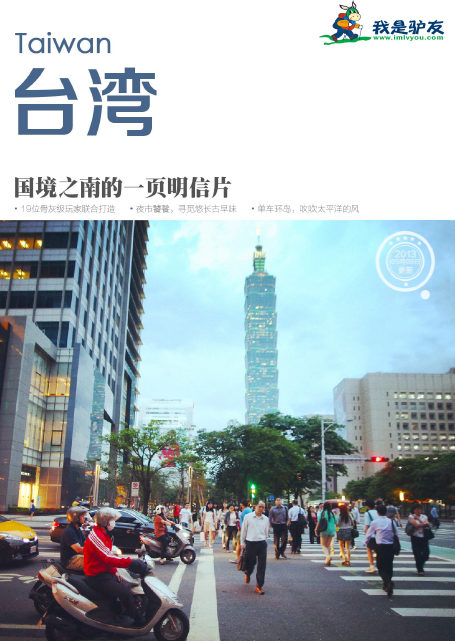
Why Taipei feels welcoming on a first visit
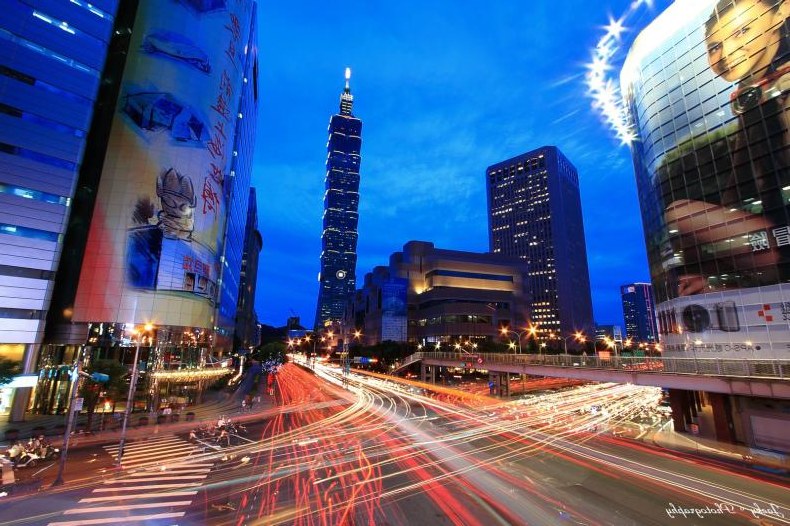
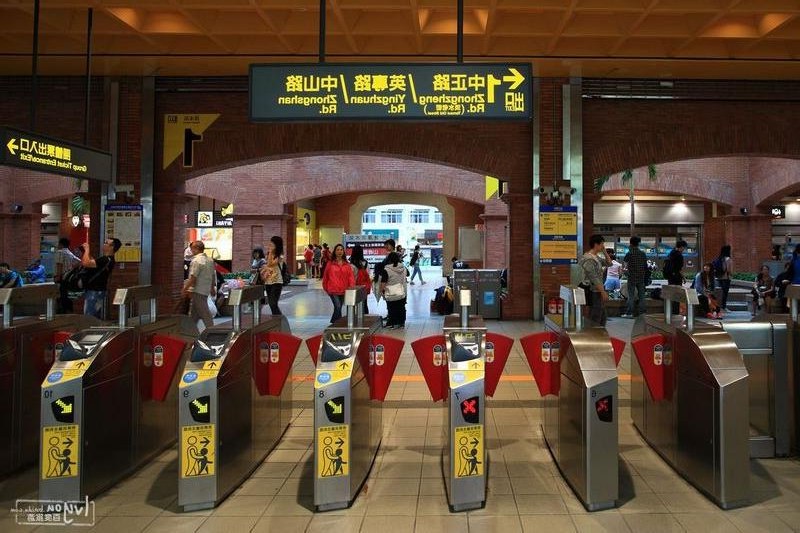
Taipei is one of East Asia’s most approachable capitals for English-speaking travellers. The metro (MRT) uses clear English station names, platform screens, and exit codes. Convenience stores sit on almost every block. Night markets are lively but manageable if you keep bags close and eat in short rounds. You can build a satisfying first trip around public transport, walkable neighbourhood clusters, and a few iconic views without hiring a private guide.
Mandarin Chinese is the everyday language; Traditional Chinese characters appear on signs. English is common on the MRT, in major museums, and at many cafés in visitor districts. Pointing at menu photos still helps in smaller eateries. Learning “thank you” (xièxie) and carrying your hotel address in Chinese characters covers most taxi moments.
Taipei’s personality is hard to summarise in one sentence. One MRT exit can open onto a 24-hour bookstore; another leads into temple incense and old lanes; another drops you under Taipei 101’s glittering malls. Fashion and nostalgia, modern towers and soft café culture, loud night markets and quiet riverside walks all share the same city. Many visitors notice the same social texture: people queue on escalators (stand right, walk left), give up priority seats without drama, and answer “excuse me” questions with surprising patience.
This guide expands a full city playbook into English-visitor language: overview and highlights, FAQ and packing notes, transport, attractions, activities, food, lodging, shopping, practical tips, and sample itineraries — including classic day trips to Jiufen and the Pingxi Line.
First-visit highlights
Taipei 101. The 508-metre landmark still defines the modern skyline. Ride the high-speed elevators to the observatory for a full-city panorama, or enjoy the tower as a night landmark from street level in Xinyi. Evening lighting rotates through rainbow themes, so the same façade never looks identical two nights in a row.
Ximending. Taipei’s densest youth district mixes Red House creative stalls, cinema streets, tattoo alleys, KTV, and snack queues. It is loud, photogenic, and best in short loops rather than an all-day grind.
Night markets. Shilin is the classic first stop for visitors; Ningxia, Raohe, Huaxi, and Gongguan/Shida each have different local rhythms. Follow the longest queues more than social-media rankings, share plates, and ask fruit prices before you buy.
Wanhua / Bangka (艋舺). Around Longshan Temple, Bopiliao Historic Block, and Huaxi Night Market, old-city stories sit beside new creative energy along the Tamsui River edge.
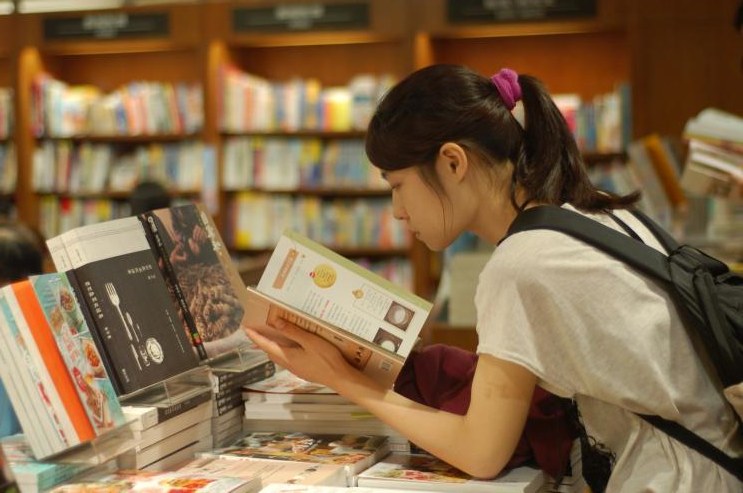
Eslite and bookstore culture. Spacious floors, sit-anywhere reading corners, and late-night hours make Eslite (especially Dunnan’s long hours and Xinyi branches) a rainy-day sanctuary. Zhongshan underground book street and NTU-area second-hand shops extend the habit.
Everyday kindness. Asking for directions often becomes a short conversation. The city’s soft power is not only Taipei 101 or the National Palace Museum — it is how people lower their voices on escalators and say thank you in convenience stores.
FAQ for English-speaking first timers
When is the best season? September to November is the sweet spot for clearer skies and fewer typhoons. Winters are mild but rainy; summers are hot and humid; spring and autumn both work if you pack layers and a compact umbrella. A rainy café day in Taipei is still a good day.
How many days do I need? Three full days cover core neighbourhoods calmly. Five days let you add Beitou, Tamsui, the National Palace Museum, and one day trip. If you only have one day, prioritise Xinyi/101, Liberty Square, and one evening market rather than racing every museum.
Do I need Mandarin? No. MRT and major attractions are bilingual. Menu photos, translation apps, and pointing work in night markets. Younger people are more likely to speak some English; in the south of Taiwan, dialects are stronger, but Taipei remains the easiest starting city.
Are holidays crowded? Local peak periods include Lunar New Year, Peace Memorial Day (28 February), and summer weekends. Many museums close Mondays — plan around that. Book hotels early for long weekends even if attractions feel less packed than mainland Golden Week hubs.
Cash or card? New Taiwan Dollar (TWD / NT$). Cards work widely in hotels, malls, and many restaurants; night-market stalls and small eateries still prefer cash. ATMs are widespread in 7-Eleven, FamilyMart, and banks.
What to pack and prepare
Bring your passport, payment cards, and any entry documents your nationality requires. Pack a larger suitcase if you plan to shop; a small cross-body bag helps in markets. Clothing should cover T-shirts, a light jacket, comfortable walking shoes, flip-flops for hot-spring evenings, and swimwear if you will use Beitou pools. Photography kit benefits from a wide lens and a rain cover. A compact medicine kit (stomach, fever, plasters), wet wipes, tissue, sunscreen, and a blank notebook for souvenir stamps at visitor centres are all useful. Taiwan uses 110V with flat two-pin sockets — most phone and laptop chargers work; high-wattage hair dryers from 220V regions may not.
Free Wi-Fi exists via hotel networks and public programmes such as Taipei Free / iTaiwan (registration required). Convenience-store Wi-Fi cards are a backup. Mobile eSIMs and airport SIM counters are straightforward for short visits; roaming can be expensive for data-heavy days.
Rough local price anchors (always check current rates): bottled water around NT$20, hostel beds from roughly NT$400, simple meals NT$50–200, cola around NT$25. Taipei runs a little pricier than southern Taiwan.
Getting there and getting around
Airports
Most long-haul flights use Taiwan Taoyuan International Airport (TPE), about 40 km from central Taipei. The calm default for most visitors is the Taoyuan Airport MRT to Taipei Main Station or other Airport MRT stops (express vs commuter services differ in time). Airport buses also connect to Taipei and other cities (roughly NT$110–140, about an hour). Taxis run 24 hours; expect roughly NT$1,300-class fares into central Taipei with meter-plus rules — confirm posted airport guidance.
Taipei Songshan Airport (TSA) sits closer to the city and connects on the Wenhu (Brown) MRT line — handy for regional flights.
Island transport that matters for a Taipei base
Taiwan Railways (TRA) covers the island with dense stops. Taiwan High Speed Rail (HSR) links Taipei to Zuoying (Kaohsiung) in about two hours via Taichung and other hubs — useful if you extend south. Long-distance coaches (Kuo-Kuang and others) can be cheaper than rail for backpacker budgets. Scooter rental is common for locals with the right licence paperwork; visitors without experience should default to MRT, buses, and YouBike.
EasyCard, MRT, buses, taxis, YouBike
An EasyCard (悠遊卡) is the single most useful purchase. Buy and top up at MRT counters/machines or convenience stores. Tap in and out on Taipei MRT (often discounted versus single tickets). The same card commonly works on city buses and YouBike after the usual registration steps. Day passes exist for heavy MRT-only days. Single IC tickets are fine if you prefer not to hold a card.
MRT habits that save time: match line colours and terminal names before boarding; note exit numbers for hotels and attractions; let people leave first; do not eat or drink on trains — the system is famously strict and clean; stand on the right on escalators; give priority seats to those who need them.
City buses fill gaps for hillside temples and neighbourhood corners. Drivers may not speak much English — show the stop name in Chinese. Taxis are yellow and metered in major cities (rough night surcharge after 23:00). English-friendly dispatch numbers exist; otherwise show your destination in Chinese characters. YouBike docks are dense along riverside paths — excellent for flat park loops once settled.
Attractions worth your first days
Civic and historic core
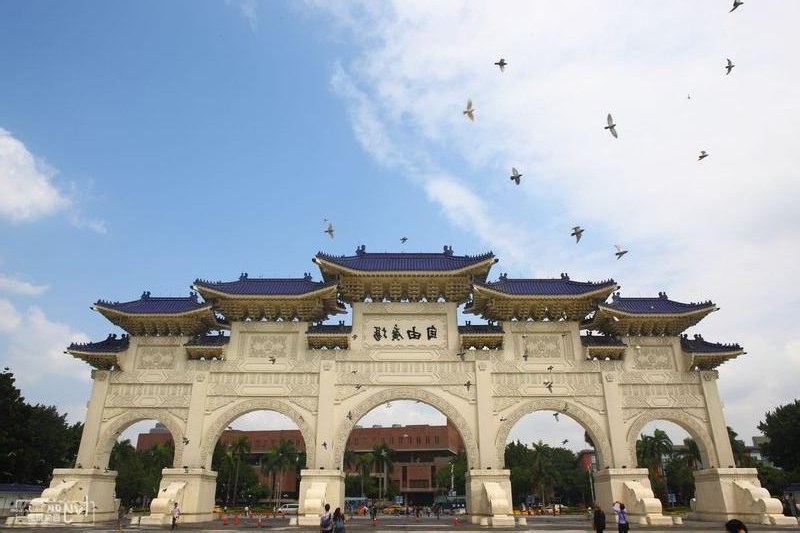
Chiang Kai-shek Memorial Hall / Liberty Square delivers the classic postcard: white memorial, blue-roofed National Concert Hall and Theater, vast plaza, and pigeons. Changing of the guard ceremonies run on the hour through daytime windows — check current schedules. MRT: CKS Memorial Hall station.
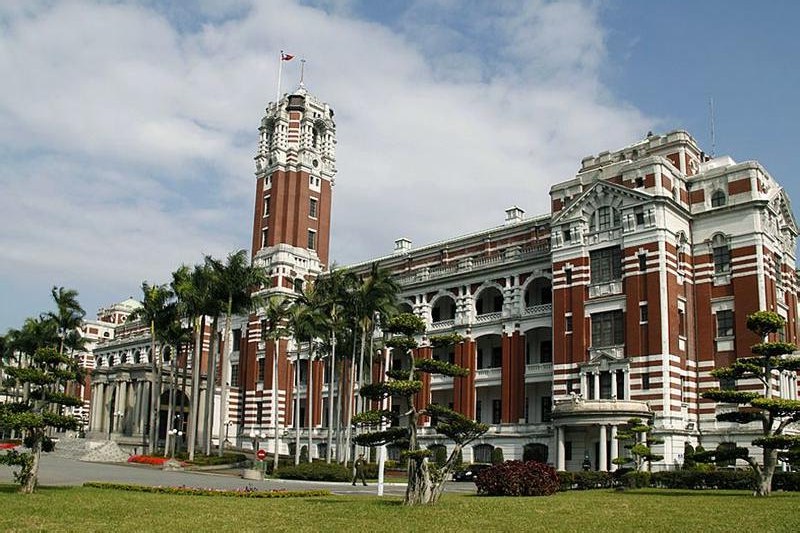
The Presidential Office Building (former Governor-General’s Office, completed 1919) opens for limited daytime visits with registration on designated days — check the official site before you go. Nearby 228 Peace Memorial Park adds a quieter historical layer.
National Dr. Sun Yat-sen Memorial Hall combines a grand hall, changing-of-the-guard viewing, and one of the best ground-level photo angles toward Taipei 101. Shilin Official Residence gardens reward a slower northern afternoon.
Street life and skyline
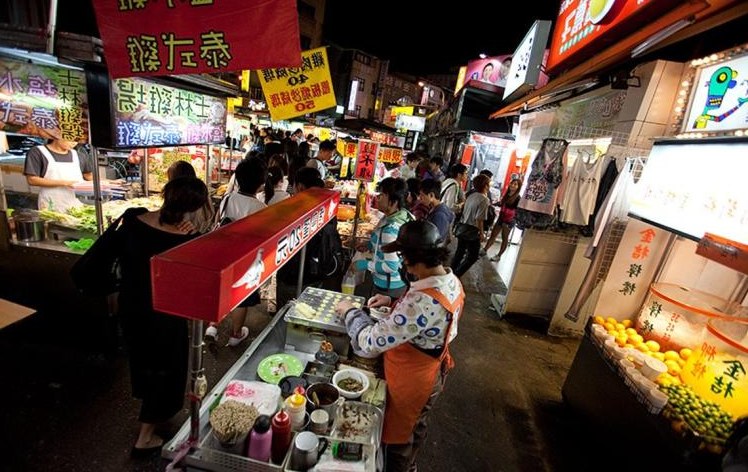
Shilin Night Market (alight at Jiantan, not Shilin station) remains the classic first-timer market: chicken steak, sausage, stinky tofu optional, and fruit drinks. Ask prices before ordering cut fruit.
Ximending clusters fashion, Red House crafts, cinema culture, and snacks such as Ay-Chung Rice Noodles. Taipei 101 observatory tickets are sold upstairs with last entry typically mid-evening — buy ahead on busy weekends. Malls below handle shopping and air-conditioned recovery.
Miramar Entertainment Park in Neihu pairs a Ferris wheel with malls — a softer evening if you want amusement-park lights rather than another market.
Culture, temples, hills, and water
The National Palace Museum holds an enormous rotating selection of Chinese art and artefacts. Expect a focused half-day, not a “see everything” sprint; Mondays and some holidays affect hours. Transfer from Shilin MRT via bus.
Longshan Temple anchors Wanhua’s old commercial heart. Pair it with Bopiliao lanes and Huaxi Night Market. Dadaocheng / Dihua Street preserves pharmacy façades, tea shops, and seasonal Lunar New Year markets — easy to combine with Ningxia Night Market.
Beitou offers hot-spring culture, the Hot Spring Museum, Thermal Valley, and the striking Beitou Library nestled in trees. Public and private baths have time and swimsuit rules — confirm on site. Tamsui delivers riverside sunsets, Fisherman’s Wharf, old street snacks (iron eggs, agei), and optional bike loops toward Bali across the water.
Yangmingshan National Park is Taipei’s backyard volcano landscape — fumaroles, flower seasons, and cooler air. Allow weather flexibility. Maokong combines gondola views from Taipei Zoo station with tea houses overlooking city lights at night.
Creative corners
Songshan Cultural and Creative Park (former tobacco factory) echoes Beijing’s 798 spirit with galleries and design shops. Treasure Hill Artist Village climbs quiet hillside lanes near Gongguan. Museum of Contemporary Art Taipei sits in a restored Japanese-era building near Zhongshan — photography rules inside galleries are strict.
National Taiwan University’s Palm Boulevard is a free campus stroll; nearby Gongguan food is half the point.
Activities and seasonal energy
Taipei stays open late: bookstores, pharmacies, convenience stores, and some cinemas never really sleep. Soft nightlife clusters exist around Linsen North Road and nearby lanes — keep valuables close and choose well-lit routes.
Seasonal anchors include the Taipei Lantern Festival around Lunar New Year, Beitou Hot Spring Festival in autumn, summer beach music festivals at Fulong, and year-round Maokong tea evenings. Café-concert spaces near NTU (such as Witch House-style venues) offer small live sets for adults — check age and ticket rules.
Food without a rigid list
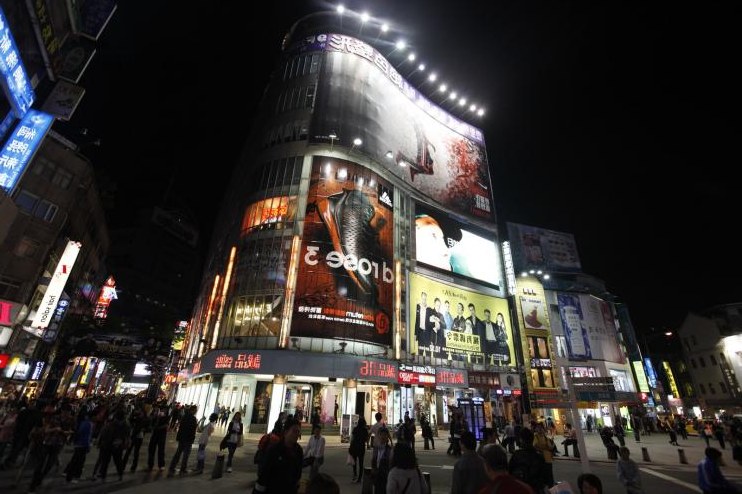
Taipei’s everyday food is the star: beef noodle soup, soup dumplings, scallion pancakes, stinky tofu (optional), fresh tropical fruit, and bubble tea. Night markets and food courts let you sample without a long banquet.
Market strategy: go with two to four people, share everything, and follow the longest local queues. Start with one cooked item you recognise, then explore. Watch oil temperature and keep bags zipped.
Classic markets: Shilin (breadth), Shida/Gongguan (student energy), Ningxia (compact and local), Huaxi (old-town edge), Raohe (including pepper buns and riverside walks).
Sit-down landmarks: Din Tai Fung (famous xiao long bao — expect queues), Ay-Chung Rice Noodles in Ximending, and neighbourhood beef-noodle counters that stay open oddly late. Yongkang Street clusters dessert and noodle options within walking distance of Din Tai Fung’s original area.
Tropical fruit — wax apple, sugar apple, guava, pineapple — is best eaten in Taiwan rather than packed into luggage. Traditional markets and night stalls sell cut fruit; confirm prices first.
Where to stay
Taipei offers hostels, business hotels, boutique properties, and Taiwan’s distinctive motel culture. Star ratings locally often use plum blossoms. Xinyi is pricier and skyline-central; Taipei Main Station / Zhongzheng / Ximending maximise MRT convenience; Zhongshan balances cafés and quieter streets; New Taipei edges can stretch budgets.
Choose legal, well-reviewed properties near an MRT exit number you can memorise. Hostels and guesthouses around Main Station, Ximending, and Gongguan suit first-timers who want food walking distance. Upscale travellers often anchor near Taipei 101 for evening convenience. Motels can be stylish and good value for couples who want a themed room without five-star rates — read recent reviews carefully.
Shopping and tax refunds
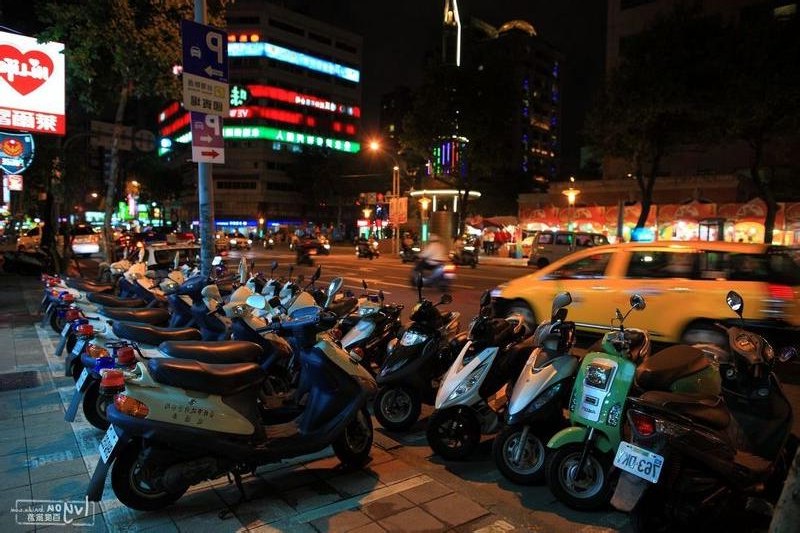
Xinyi around Taipei 101 is the modern mall district. Dunhua South Road and Zhongxiao East Road (SOGO / Breeze area) add department-store depth. Ximending covers youth fashion; underground Zhongshan book street and Eslite branches cover reading culture.
Popular take-home categories: pineapple cakes and nougat (from reputable bakeries), Taiwanese teas from established tea shops rather than random tourist stalls, drugstore skincare at Watsons / Cosmed, and creative souvenirs from Red House, Jiufen, or railway-themed shops on the Pingxi Line. Taipei Main Station’s Breeze plaza concentrates packaged souvenirs if you are short on time.
Tax refund programmes typically require same-day purchases above a threshold at participating stores — keep invoices and process refunds at the airport or port counters. Rules change; follow posted TRS guidance the week you travel.
Convenience stores (7-Eleven, FamilyMart, OK, Hi-Life) are infrastructure: ATMs, EasyCard top-ups, tickets, microwave meals, and late-night safety landmarks.
Practical visitor notes for 2026
Money. New Taiwan Dollar. Notify your bank about travel. Exchange on arrival rather than chasing poor transit-hub rates.
Emergency numbers. 119 ambulance/fire; 110 police. Tourism hotline 0800-011-765 is useful for English guidance.
Customs basics. Fresh produce and certain meats are restricted. Currency and foreign-cash declaration thresholds apply — check current customs notices before packing cash.
Language cues. MRT = metro; scooter = motorcycle; biàndāng = boxed lunch; huàzhuāngshì = washroom; priority seats are for those who need them. Southern dialects appear more outside Taipei; in the capital, Mandarin plus English signage usually suffice.
Safety. Taipei is generally safe; still guard bags in markets and avoid smoking in banned public zones (fines are real). Visitor centres at stations and attractions hand out free maps and souvenir stamps — bring a blank notebook if you like that ritual.
Opening hours. Banks roughly 09:00–15:30; department stores late morning to 21:30; many museums closed Monday.
Sample itineraries
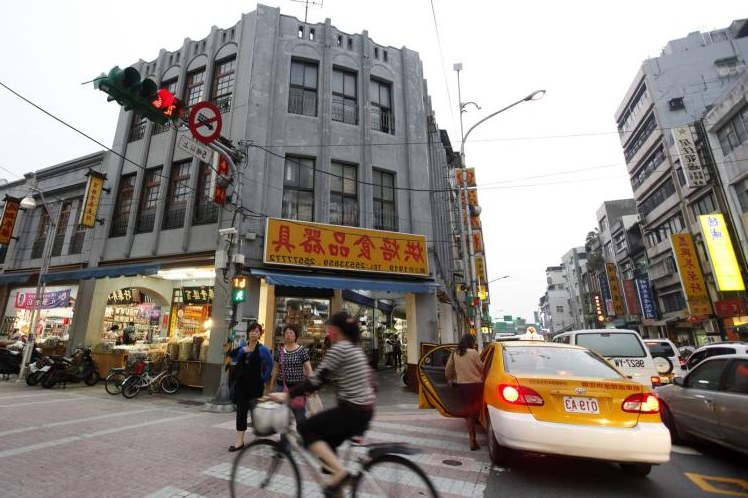
One efficient “greatest hits” day
Morning: Taipei 101 area and National Dr. Sun Yat-sen Memorial Hall. Afternoon: Liberty Square / CKS Memorial. Sunset option: Tamsui riverside. Evening: Shilin Night Market via Jiantan.
Three relaxed days
Day 1: Taipei Story House area / Yuanshan → Beitou hot springs and Thermal Valley → Tamsui sunset and old-street snacks.
Day 2: Longshan Temple and Bangka lanes → Ximending lunch → CKS Memorial → evening Taipei 101 observatory and Xinyi lights.
Day 3: National Palace Museum → Shilin Official Residence → optional Miramar Ferris wheel → Shilin Night Market.
Five deeper days
Add a campus-and-market day around NTU/Gongguan, a civic morning at the Presidential Office (if open) plus 228 Park and Ximending creative shopping, and keep one flex day for weather, Maokong tea, or Songshan Creative Park.
Day trips from Taipei
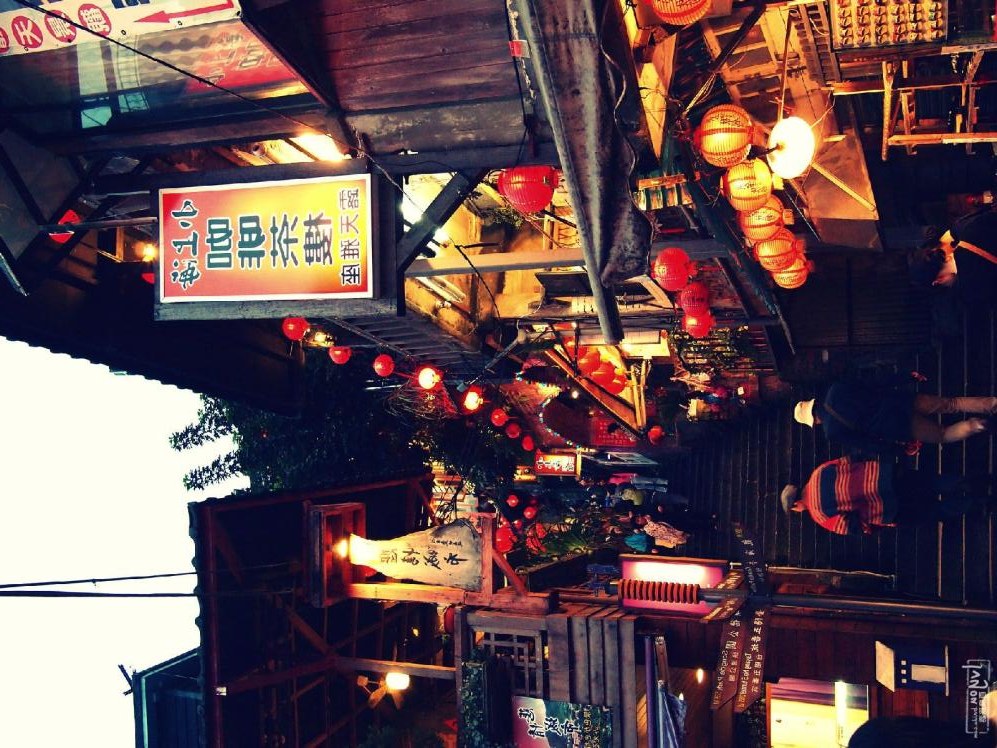
Jiufen (1 day). TRA to Ruifang, then local bus to Jiufen. Lantern-lit stairs, teahouses, and sea views made famous by film and animation lore. Eat taro balls; do not treat the old street as only a selfie corridor — side lanes and night atmosphere differ from daytime crowds.
Pingxi Line (1 day). From Ruifang, a day ticket lets you hop Houfang (cat village), Shifen (old street and waterfall — allow walking time), Pingxi (sky lantern culture), and Jingtong. Combining Jiufen and Pingxi in one day is rushed; overnighting or splitting days is kinder.
Closing note
Taipei rewards slower feet. The MRT can move you quickly, but the city’s best moments are short conversations, night-market rounds, rainy bookstore hours, and one skyline view you actually sit with. Leave a little unfinished on purpose — northern Taiwan day trips and a High Speed Rail hop south are easy to add on a second visit.