Why Kaohsiung works as a southern Taiwan first stop
Kaohsiung is Taiwan’s major southern harbour city — warmer, flatter, and often more relaxed than Taipei. For English-speaking travellers, it is an easy High Speed Rail hop from the north and a natural base for Cijin Island, the Love River, Pier-2 Art Center, night markets, and day trips toward Tainan or Kenting.
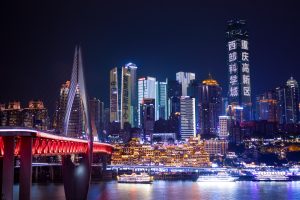
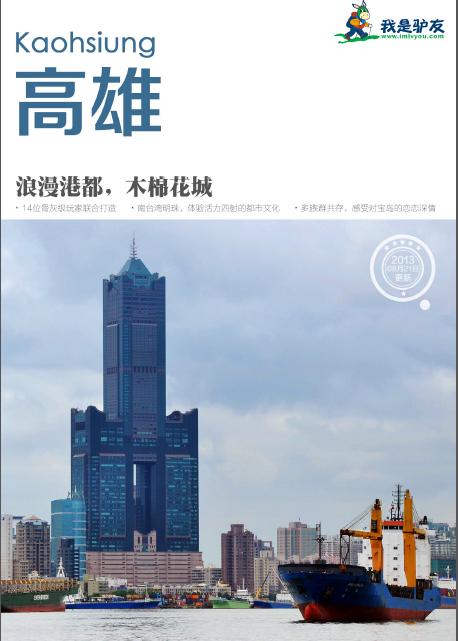
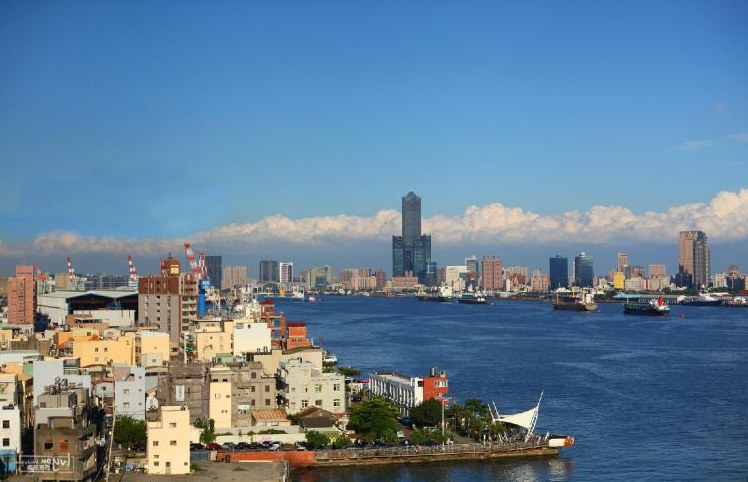
The city mixes lantern-filled temples with the 85 Sky Tower skyline, Chinese-style fortress walls on Cijin with a Baroque lighthouse, warehouse galleries at Pier-2 with mango shaved ice by the water. Daytime Kaohsiung feels open and breezy; evenings turn toward night-market smoke, riverside lights, and Ferris-wheel neon. You do not need a private guide for a first visit if you stay near an MRT station and keep plans clustered.
Mandarin is widely understood; southern Taiwan also has strong Taiwanese Hokkien and Hakka communities. Younger people are your best English and Mandarin ask-for-directions resource. Traditional Chinese characters are everywhere. English appears on MRT maps and many visitor attractions.
This guide translates a full harbour-city playbook into English-visitor language: overview and highlights, FAQ, sample routes, attractions, activities, lodging, food, shopping, practical notes, transport, and outbound options — without tourist-brochure fluff.
First-visit highlights
Cijin Island. A short ferry from Gushan lands you on a narrow island of sea views, seafood streets, Cihou Fort, lighthouse, Tianhou Temple, and rental-bike loops along the coast. It is the classic “look across the Taiwan Strait” half-day.
Sizihwan sunsets. One of Kaohsiung’s signature evening scenes — open water, couples on the promenade, and nearby National Sun Yat-sen University campus paths if you want a student-era stroll.
Night markets. Liuhe is the visitor-facing market near Formosa Boulevard; Ruifeng feels more local; Lingya (Ziqiang) and Fengshan Youth Market reward hungrier explorers. Southern fruit and seafood are the regional edge.
Pier-2 Art Center. Former port warehouses remade into galleries, street art, installations, and weekend creative energy — Kaohsiung’s playful industrial afterlife.
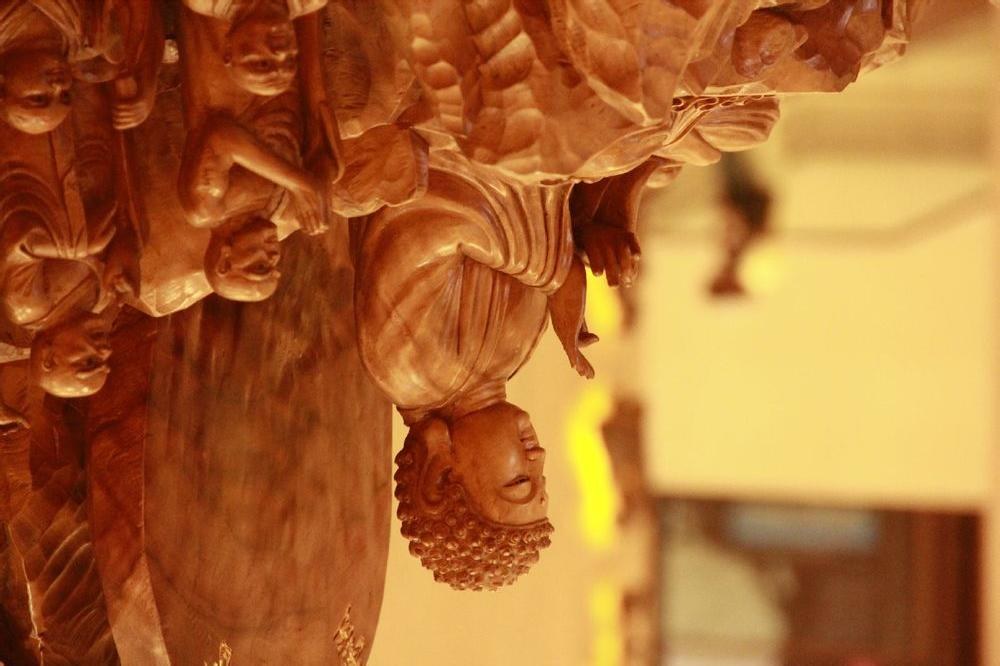
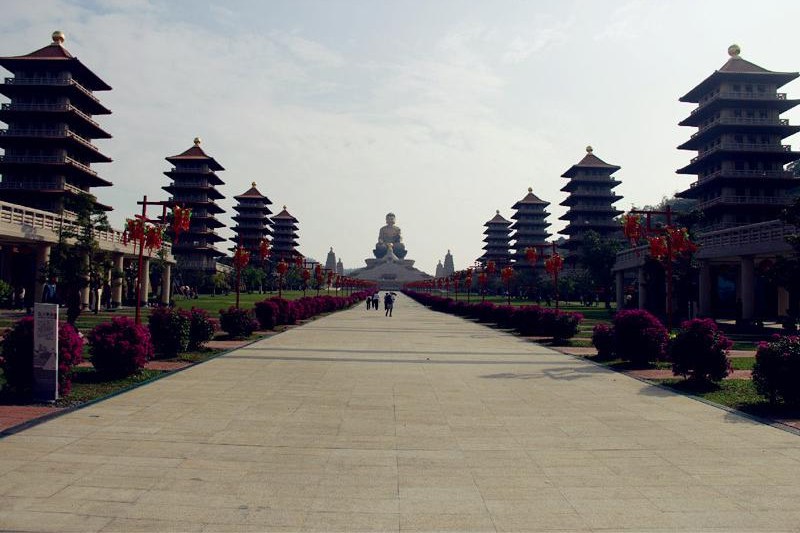
Fo Guang Shan. A major Buddhist complex in the hills outside the urban core — grand Buddha imagery and festival lantern seasons for travellers interested in religious culture (half-day bus trip).
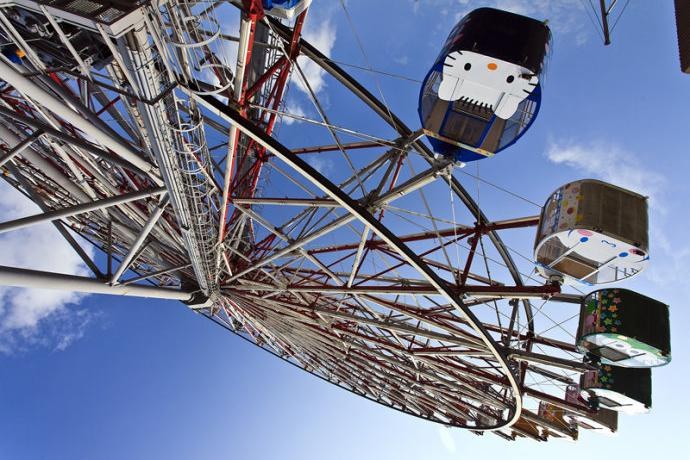
Kaohsiung Eye / Dream Mall. Taiwan’s large seaside-adjacent Ferris wheel atop Dream Mall — cartoon cabins and night colour make it a lighthearted skyline ride.
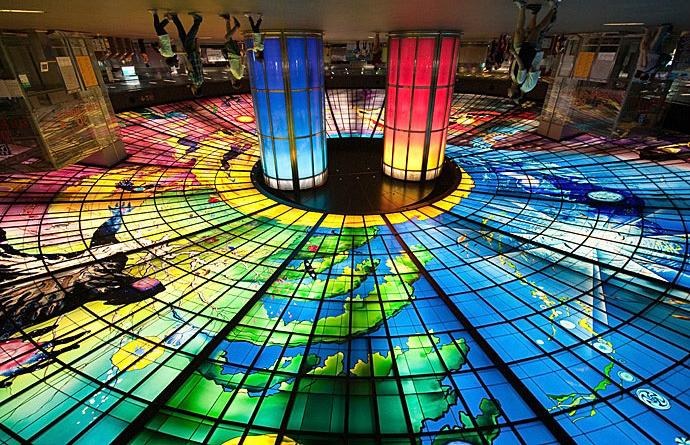
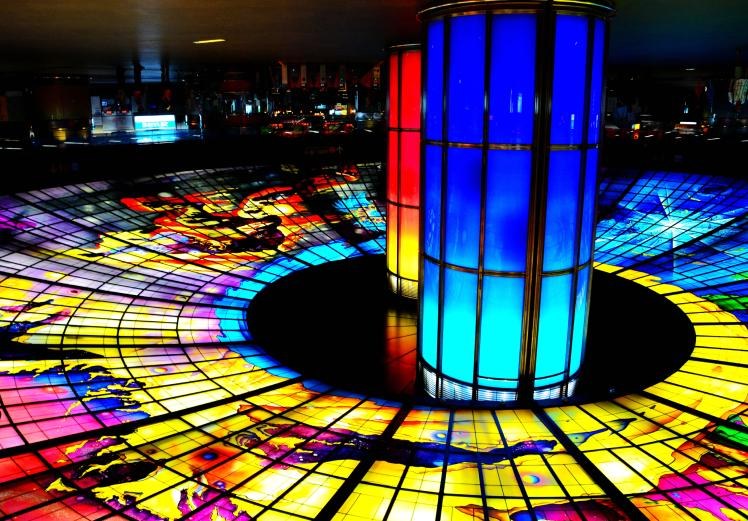
Formosa Boulevard Station “Dome of Light”. One of the world’s most striking metro artworks: a vast stained-glass dome by Narcissus Quagliata. Even if you only transfer here, look up.
FAQ for English-speaking first timers
When should I visit? Kaohsiung is generally pleasant year-round, with a tropical edge south of the Tropic of Cancer. May–September brings heavier rain and typhoon risk — check forecasts before ferry and outdoor days. Lantern Festival periods and Dragon Boat season add event energy along the Love River.
Can I get by without Taiwanese Hokkien? Yes. Most residents speak Mandarin; ask younger people for directions if an older speaker’s dialect mix confuses you. MRT announcements and maps are bilingual.
Is Kaohsiung safe? Generally yes, with the usual night-market bag awareness. Stick to lit streets late at night and avoid unlicensed long-distance taxis for Kenting without clear pricing.
Will I like the food? Southern flavours lean fresh, lightly seasoned, and seafood-forward compared with some northern stereotypes. Mango ice, papaya milk, mullet roe season, and night-market grilled seafood are easy wins. All-you-can-eat hotpot exists if you want spice — expect milder heat than mainland Sichuan baselines.
Do I need to book hotels early? Yes for Lunar New Year, 28 February, spring break music-festival weekends, and summer Kenting overflow nights. Daily visitor volumes are managed, but popular boutique hotels near Pier-2 and Formosa Boulevard still fill.
One-day and multi-day route ideas
Signature one-day loop
Pier-2 Art Center morning → Gushan ferry to Cijin (Tianhou Temple, seafood street, black sand / windmill park, Cihou Fort and lighthouse) → return toward Sizihwan and the Former British Consulate at Takao → sunset on the bay → Formosa Boulevard Dome of Light → Liuhe Night Market → 85 Sky Tower observatory.
Five-day deeper stay
Day 1: Pier-2 → Kaohsiung Museum of History → Love River bike or Love Boat → Film Archive area → Formosa Boulevard → Liuhe → The Urban Spotlight arcade.
Day 2: Cijin full loop → Former British Consulate → NSYSU campus → Sizihwan sunset → Lingya Night Market → 85 Sky Tower.
Day 3: Lotus Pond (Dragon and Tiger Pagodas) → Military Dependents’ Village Museum → Dream Mall and Kaohsiung Eye.
Day 4: Meinong Hakka culture (oil-paper umbrellas, bantiao noodles) → Qishan old street / sugar refinery ice → Ruifeng Night Market.
Day 5: Fo Guang Shan day trip → optional Teresa Teng memorial displays → 228 Peace Park reflection time.
Attractions
Waterfront and skyline
Sizihwan (MRT Sizihwan) is the sunset classic — reef, open horizon, and evening fishing-boat lights. Pair with National Sun Yat-sen University, a hillside campus without heavy gate culture; visitors can walk landscaped paths between classes.
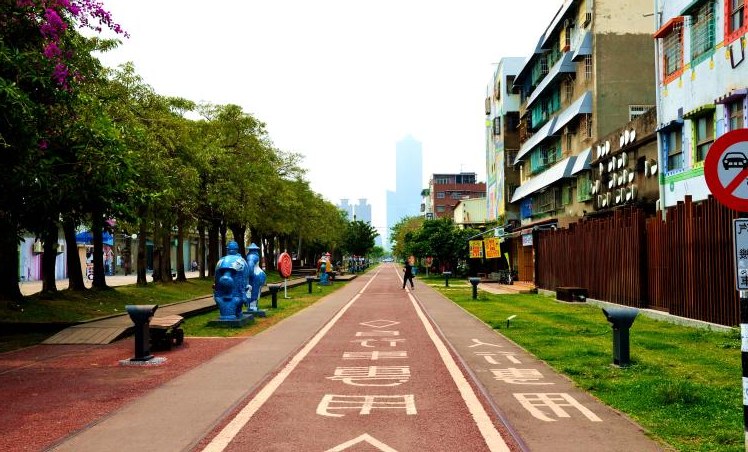
Love River runs through the city as a restored recreational corridor. Evening lights on both banks are the highlight; Love Boat cruises typically run late afternoon into night between bridges (ticket tiers and holiday extras vary — check the day’s booth).
85 Sky Tower remains southern Taiwan’s landmark skyscraper. The observatory levels offer harbour and city views; MRT Sanduo Shopping District is the usual approach. Hours commonly stretch into evening — ideal after a night market.
Cijin Island and Takao heritage
Ferry from Gushan runs frequently into the night (frequency drops after midnight). Rent a bike and follow coastal paths past Cijin Tianhou Temple, seafood streets, beachfront parks, Cihou Fort (Chinese-style gates and walls), and Cihou Lighthouse (Baroque base, harbour overlook; check closed Mondays). Seafood streets near the ferry and beach are touristy — compare prices and freshness.
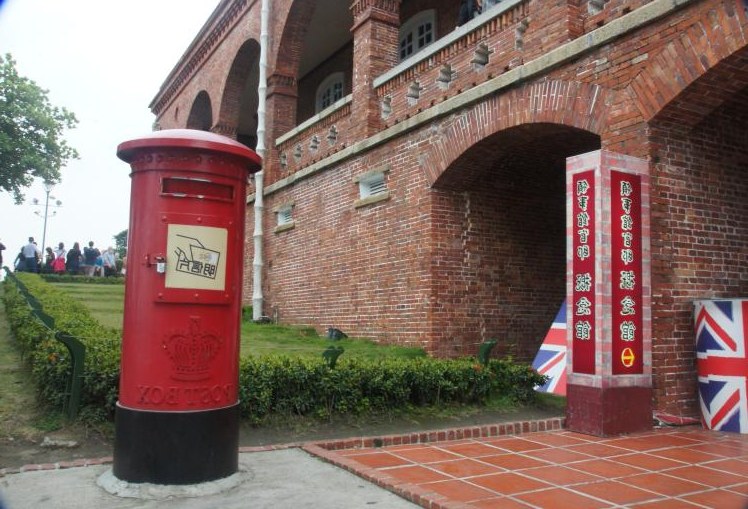
The Former British Consulate at Takao sits above Sizihwan with brick arches, verandahs, and sunset sightlines over the harbour. Ticketed site; closed for maintenance on some Mondays.
Art, metro art, and temples
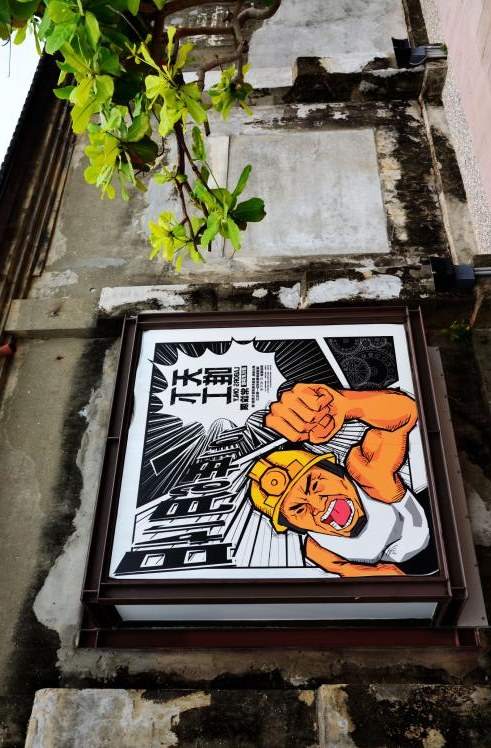
Pier-2 Art Center (Yanchengpu MRT) fills old warehouses with exhibitions, installations, and outdoor sculptures. Closed Mondays. Combine with nearby history museum walks.
Formosa Boulevard Station is more than a transfer: the Dome of Light’s water/earth/light/fire glass narrative is worth a dedicated stop even without riding far.
Lotus Pond in Zuoying clusters temples and the famous Dragon and Tiger Pagodas — enter the dragon mouth, exit the tiger in local custom lore. Fo Guang Shan outside the urban core is a major Buddhist destination reached by coach. Kaohsiung Rosary Cathedral offers Gothic contrast in the modern city fabric. The Urban Spotlight near Central Park Station lights a walkable night corridor of public art and cafés.
Nearby culture towns
Meinong preserves Hakka food, oil-paper umbrella crafts, literary memorials, and bike-friendly farm roads. Qishan adds Baroque street houses, a sugar-refinery ice stop, and a distinctive church. Both work as coach day trips from Kaohsiung Station.
Military Dependents’ Village Museum interprets mainlander-settler village life that shaped post-war Kaohsiung culture — useful context before you hunt “juancun” snack lanes.
Activities and festivals
Kaohsiung Lantern Festival stretches elaborate lanterns along the Love River around Lunar New Year. Meinong cosmos flower season paints winter fields. Megaport Festival brings harbour-side indie rock each spring. Neimen Song Jiang Battle Array preserves southern folk martial-parade culture around Guanyin temple calendars — niche but memorable if your dates align.
Day-to-day “activities” for first-timers are simpler: bike the Love River, ferry to Cijin, photograph Pier-2 installations, and eat through one tourist market plus one local market.
Where to stay
Kaohsiung’s hotel scene spans harbour-view upscale properties, romantic boutique inns near Yancheng/Pier-2, business hotels around Sanduo and Formosa Boulevard, and budget stays near Zuoying HSR or the stadium district.
Location tips: Yancheng / Pier-2 / Love River for artsy first visits; Formosa Boulevard / Liuhe for night-market convenience; Sanduo / 85 Tower for malls and observatory nights; Zuoying for HSR arrivals and Lotus Pond mornings. Prefer legally registered hotels and guesthouses — Taiwanese minsu quality varies widely.
Price bands shift with weekends; southern Taiwan is usually gentler on the wallet than Taipei for comparable mid-range rooms, while taxis can feel relatively expensive — lean on the MRT.
Food and night markets
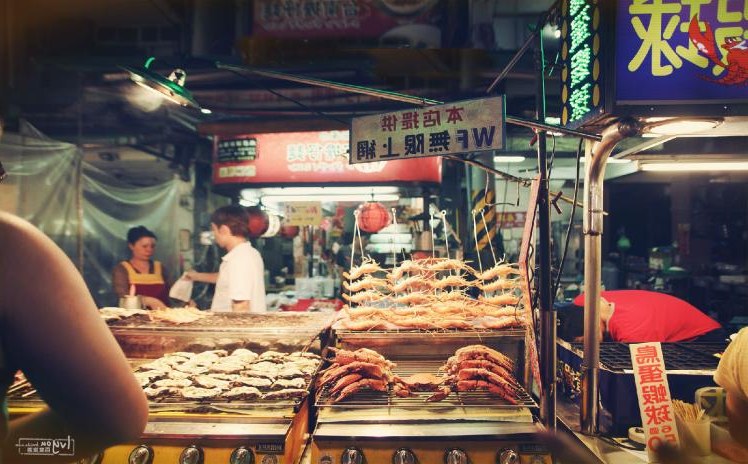
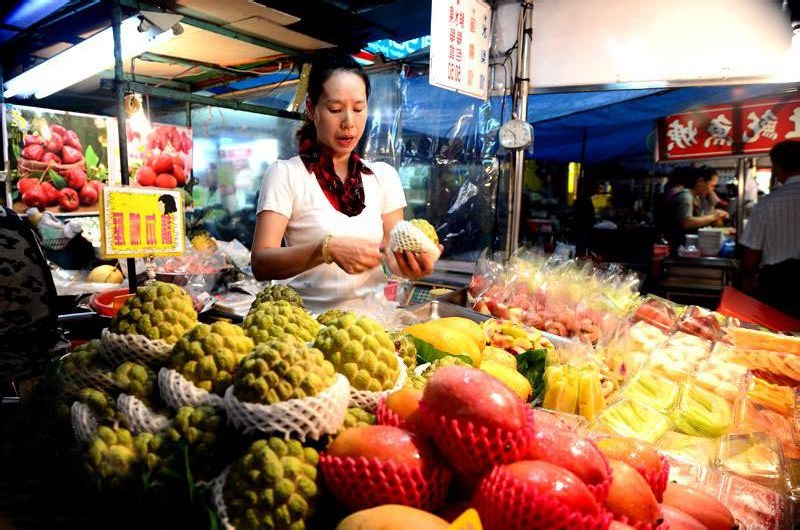
Kaohsiung eats with harbour confidence: mango shaved ice piled high, papaya milk, grilled seafood, oyster wraps, mullet roe when in season, and juancun-style noodles and baked goods in old military-village neighbourhoods.
Liuhe Night Market (Formosa Boulevard exit) is the widest first-timer market — more open walkways, lots of visitor energy. Ruifeng Night Market (Arena Station area; closed some weekdays) is where locals send friends. Lingya Night Market near 85 Tower mixes morning market and evening snack lanes. Fengshan Youth Night Market runs on select evenings with big portions and popular stalls.
Ice and drinks: Hai Zhi Bing near Sizihwan is a classic big-bowl fruit ice stop; papaya milk shops compete proudly (Zheng’s Old Brand and others appear in local lore). Eat fruit ice between outdoor walks, not only as dessert after heavy fried rounds.
Sit-down ideas: creative Taiwanese set restaurants that cook to budget and preferences; mutton hotpot in Gangshan for cooler evenings; juancun alleys for beef noodles and pastries. For take-home snacks, look for voted Kaohsiung souvenir boxes — pineapple cakes, mullet roe gift sets, sakura shrimp sausages — from established shops rather than unverified stalls.
Night-market tactics: arrive early for shorter queues; split dishes in a group; delay sweet drinks until after savoury rounds; do not force a fifth fried item when you are already full.
Shopping
Youth fashion clusters around Shin Horikawa / Jade Bamboo streets near Central Park. Nanhua market leans apparel value. Shiquan Antique Street is browse-first unless you know jade and folk antiques. Han-Shin Arena links to Ruifeng for shop-then-eat evenings. Sanduo concentrates department stores (SOGO, Shin Kong Mitsukoshi, Far Eastern) plus an Eslite cultural floor in the mix. Yancheng retains older commercial texture and long-running canvas bag makers.
Dream Mall / Uni-Hankyu anchors the Kaohsiung Eye visit. Drugstore skincare and cosmetics are popular take-home categories; Kaohsiung also markets itself as a diamond-processing hub for jewellery browsers who do homework first.
Tax refund rules for qualifying same-day purchases at TRS stores apply — process at airport or port counters with passport and invoices.
Practical information
Currency. New Taiwan Dollar. ATMs in convenience stores and banks; cards fine in malls and hotels; markets want cash.
Power. 110V, flat two-pin plugs. Dual-voltage phone chargers usually work; bring an adaptor for three-pin laptop bricks.
Connectivity. Hotel Wi-Fi first; convenience-store Wi-Fi programmes as backup; local SIMs at Kaohsiung International Airport and city shops with passport ID.
Language cues. Same Useful Taiwan lexicon as Taipei: MRT, scooter, biàndāng, washroom, priority seats. Kaohsiung area code is 07.
Emergency / visitor help. 119 / 110; tourism call centre 0800-011-765; visitor desks at the airport, Kaohsiung Station, Cijin ferry, Love River, Formosa Boulevard, Lotus Pond, and Zuoying HSR.
Customs. Standard restrictions on fresh produce and meats; declare large cash amounts per current rules.
Kaohsiung’s everyday costs for food and mid-range rooms are typically kinder than Taipei’s; taxi flagfall can feel high, so use MRT and ferries for sightseeing math.
Transport
Arriving
Kaohsiung International Airport (KHH / Siaogang) connects on the Red Line MRT into the city — the simplest arrival for most visitors. Buses and hotel shuttles also exist.
Zuoying HSR Station is the southern bullet-train terminus, co-located with TRA and MRT — ideal if you ride from Taipei in roughly 90–120 minutes. TRA and coaches remain cheaper, slower options.
From Taoyuan Airport, most travellers HSR via Taoyuan HSR station rather than enduring an all-road coach chain.
Getting around the city
Kaohsiung MRT (Red and Orange lines) runs roughly 06:00–24:00. Fares are distance-based. Short visits can use single tokens; longer stays benefit from iPASS stored-value cards (Kaohsiung’s system — EasyCard is not the default here). iPASS also links to public bikes and some ferry payments.
Buses exist on main corridors but are thinner than Taipei’s web — locals drive more. Carry coins if paying cash; cards help.
Ferries link Gushan–Cijin most frequently; other harbour routes and holiday harbour cruises appear on special schedules. Love Boat covers the river.
Taxis are metered with night surcharges; convenience-store call services are safer than random street hails for longer trips. Bargain carefully and check licences for Kenting runs.
Public bikes thrive here — Kaohsiung’s flat harbour geography and long bike paths along Love River and the old harbour lines are a first-timer advantage. Follow painted pedestrian/bike lane rules.
Taiwan Tour Bus products can package harbour, night, or Fo Guang Shan day circuits if you prefer reserved guided logistics.
Side trips: Tainan and Kenting
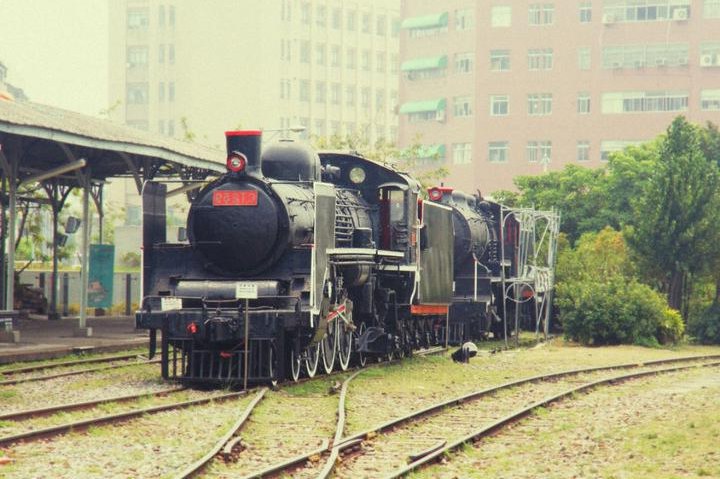
Tainan (1–2 days) is Taiwan’s historic “prefectural city” — temples, Anping fortifications, snack culture, and denser heritage streets. HSR to Tainan plus shuttle, or TRA from Kaohsiung Station. Stay near Tainan Station / NCKU for food density, or Anping for quieter nights closer to the forts.
Kenting (2–3 days) is the tropical beach escape at Taiwan’s southern tip. Coaches from Kaohsiung Station or Zuoying take roughly 2.5–3 hours depending on highway vs local routing. Stay near Kenting Street for services; expect summer crowds and bring sun protection. Pair beaches with Hengchun old town if you want calmer prices.
Closing note
Kaohsiung rewards a harbour pace: ferry wind on Cijin, stained glass under Formosa Boulevard, mango ice after Pier-2, and one night market that feels local rather than only photogenic. Use the MRT and flat bike paths as your default, keep a typhoon-season backup indoor plan, and leave room for a Tainan temple day or Kenting swim if southern Taiwan has already convinced you to stay longer.