I will now generate the markdown article for Lovely China comparing China Mobile and China Unicom tourist options for 2026.
China Mobile vs China Unicom Tourist SIM and eSIM 2026
Export
Arriving in China for a short holiday requires a reliable connection to navigate high-speed rail schedules via the official 12306 app, summon rides, and translate local street signs. Choosing between China’s telecom giants—China Mobile and China Unicom—is one of the first practical decisions you will make. While broader options are explored in our SIM vs eSIM carriers compare, focusing specifically on China Mobile and China Unicom tourist packages helps streamline your arrival during November and December 2026 trips, when crisp weather calls for efficient, digital-first travel.
Understanding the Two Major Carriers
China Mobile and China Unicom both provide dedicated tourist solutions, but their underlying network footprints and operational styles differ in ways that matter for short-term visitors. China Mobile is the largest network operator globally, boasting vast infrastructure that reaches deep into rural provinces, remote mountainous scenic spots, and expansive high-speed rail tunnels. If your late-autumn itinerary involves scenic train journeys across multiple provinces or exploring older historic districts with thick concrete walls, China Mobile’s sheer signal density is worth noting.
China Unicom, on the other hand, operates extensively across major metropolitan areas and tier-one hubs like Beijing, Shanghai, Guangzhou, and Shenzhen. Historically, Unicom’s network architecture has leaned heavily on global compatibility standards, making it exceptionally smooth for a wide variety of international smartphone models. Before deciding, always check our roaming vs local SIM honest guide to evaluate whether a local carrier profile fits your specific connectivity needs better than international roaming plans.
Tourist SIM Cards: Airport Kiosks vs. City Service Halls
Securing a physical SIM card upon arrival is a time-tested route for international travelers. Major international airports feature dedicated telecom service counters right in the arrivals hall after baggage claim.
Airport Kiosk Registration and Verification
When you step up to a China Mobile or China Unicom airport counter, you must present your physical passport. Registration is mandated by national regulations, and staff will scan your passport document directly into the carrier database.
Have your physical passport ready—digital photos on your phone are generally not accepted for initial signup.
Verify your active package limits (data caps, validity days, local calling minutes) directly with the attendant, as promotional tourist bundles update frequently. For a deeper look at what to expect upon landing, consult our airport SIM kiosk guide.
Remember that official rules and identity protocols can adjust; check updates via the National Immigration Administration portal or official airport service boards prior to your trip week.
City Service Halls for Complex Queries
If you miss the airport kiosk or prefer a quieter environment away from the arrivals rush, both carriers maintain massive retail storefronts throughout city centers. Staff members at official company service halls can assist with plan adjustments or activation troubleshooting. However, keep in mind that language barriers can occasionally occur outside major hubs, so having a translation app pre-loaded on your device is a smart precaution.
Exploring eSIM Options for Short Stays
The convenience of digital profiles has transformed how travelers handle mobile data. For devices that support dual-SIM technology, securing a profile ahead of time or arranging digital delivery avoids physical card swaps.
Device Compatibility and Preparation
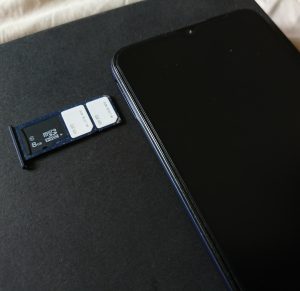
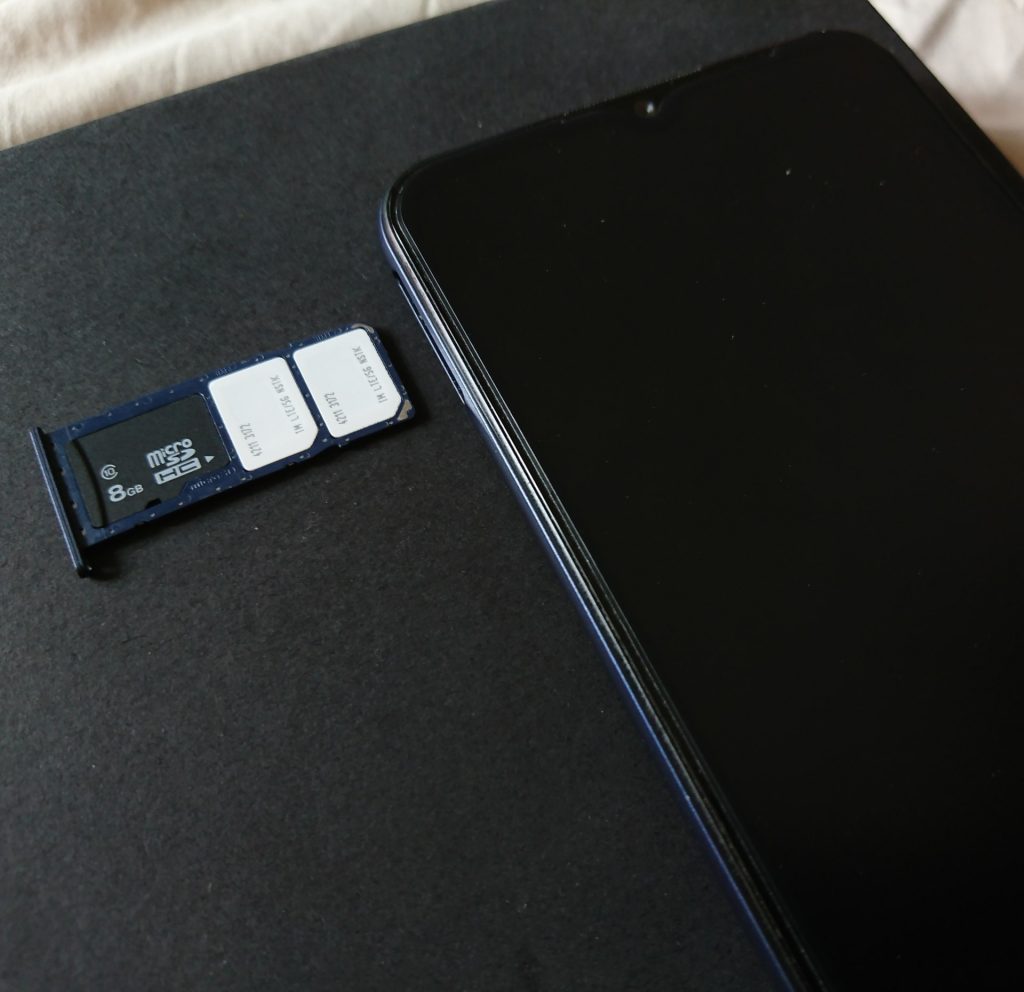
Before opting for an eSIM solution, confirm that your smartphone is carrier-unlocked and natively supports embedded SIM technology. Many recent models from global manufacturers do support eSIM, but regional variations—such as dual physical SIM trays found in certain East Asian device models—can change your options.
Inspect your phone settings under cellular or mobile data menus to verify eSIM profile capacity.
Understand whether your chosen digital plan requires a local passport validation step upon first activation or if it utilizes international partner frameworks.
If you are debating between digital profiles and physical airport pickup modalities, review our breakdown on eSIM airport pickup vs ship-to-hotel for logistical insights.
Practical Data Mindset and Daily Usage
Navigating China’s digital ecosystem relies heavily on seamless data access. Popular utility apps—ranging from map services to mobile payment platforms—require stable cellular connectivity to function efficiently on the go.
When configuring your phone for a November or December trip, keep these practical tips in mind:
Data Conservation: Download offline offline translation dictionaries and essential city transit maps over hotel Wi-Fi before heading out into the cold morning air.
Connectivity Backup: While exploring transport hubs, you can often leverage official terminal networks; read our guide on airport free Wi-Fi login for steps on handling portal verification pages securely.
Official Verification: Always double-check current tourist data quotas and terms on the official carrier applications or service desks during your travel week, as offerings evolve to match seasonal tourism demands.
FAQ
Do I need to register my passport to buy a tourist SIM card in China?
Yes. Official regulations require all mobile phone subscribers in China to register using valid government-issued identification. When purchasing a SIM card from either China Mobile or China Unicom at an airport kiosk or official city shop, you must present your physical passport so staff can scan it and complete the mandatory real-name registration process.
Which carrier offers better coverage for high-speed rail travel?
China Mobile generally holds an advantage in rural coverage and along expansive high-speed rail corridors due to its massive infrastructure footprint. However, China Unicom provides robust, high-speed performance within major metropolitan centers, commercial districts, and tourist attractions in tier-one and tier-two cities.
Can I convert a physical tourist SIM card into an eSIM later?
Related Lovely China reading
For payments, start with Alipay and WeChat Pay hub and WeChat Pay vs Alipay for tourists. For trains, keep high-speed rail first-timers guide and 12306 passport signup for foreigners handy. City hubs: Beijing first-visit guide, Shanghai first-visit guide. Connectivity: roaming vs local SIM honest guide, pocket Wi-Fi vs eSIM for China, offline maps for foreigners. Bookmark China travel tools page.
Practical checklist
- Confirm official rules on the relevant government, park, airline, or bank page near your travel week
- Screenshot bookings, tickets, and QR codes while you still have stable Wi-Fi
- Save hotel and attraction names in Chinese characters in your phone notes
- Carry passport, a backup payment method, and a small cash float (why cash is still needed)
- Test one small mobile payment before you rely on wallets at a gate or taxi
- Keep the China travel tools page page bookmarked for related Lovely China hubs
FAQ
Is this people advice official?
No. Lovely China orients travellers. Verify live rules on official pages, apps, and counters near your travel week.
Will every city behave the same?
No. Airports, stations, parks, and markets differ. Use local signage and staff instructions when they conflict with a general guide.
What should I screenshot before I lose Wi-Fi?
Bookings, tickets, hotel Chinese address, pickup pins, and payment success screens.
Notes for late 2026 travellers
November and early December bring cooler mornings, earlier sunsets, and comfortable walking weather across much of eastern and central China. Pack layers and leave extra time on clear weekends at popular sights.
This article does not invent ticket prices, opening hours, processing times, consular fees, or official statistics. When a number matters, verify it on the official site, app screen, or ticket board near your travel week.
If an official rule page disagrees with this guide, follow the official page. Lovely China orients English-speaking travellers; we are not an immigration, banking, or medical authority.