Planning a trip to China brings plenty of logistical puzzle pieces, but few cause more pre-trip anxiety than mobile connectivity. With mainland China’s unique digital ecosystem, having a reliable internet connection right from the tarmac is essential for calling a Didi, scanning a station gate, or translating a menu. For modern travellers and expats, electronic SIMs have largely replaced physical cards, yet a major procedural question remains: should you install and activate your China eSIM before departure while still at home, or wait until you actually land?
Pre-Departure Setup: The Comfort of Home Wi-Fi
Installing your China eSIM profile while you are still sitting comfortably at home offers unmatched peace of mind. Most international eSIM providers—whether you are looking at major network options detailed in a China Mobile vs Unicom tourist SIM breakdown or global data brokers—rely on a simple data download via a QR code or an automated app installation.
Why Pre-Installation Works Best
Stable Internet Connection: Downloading a carrier profile requires a steady connection. Doing this on your home broadband ensures the configuration file installs without timing out.
Device Verification: You can check whether your handset is carrier-unlocked and truly eSIM-compatible days before your flight, removing airport stress.
Dual-SIM Configuration: You can label your lines clearly (e.g., “Primary” for your home number and “Travel” for China) and set your data preferences in advance.
The Crucial Catch: Data Activation Triggers
Be careful to distinguish between installing the profile and activating the data package. Most tourist eSIMs for mainland China start their validity countdown the moment the profile connects to a supported local network (like China Unicom or China Mobile). If you accidentally toggle on the data line while still at your home airport, your plan might start ticking before you even board the plane. Always install the profile beforehand, but keep the data toggle turned off until arrival—or follow your specific vendor’s guidance on whether the plan activates upon network registration.
On-Landing Activation: Navigating Arrival Realities
If your specific provider requires data connection to complete handshakes, or if you prefer a clean break once your flight touches down, activating on landing is entirely viable. However, stepping off an international flight at Beijing Capital, Shanghai Pudong, or Guangzhou Baiyun without immediate data can feel daunting if you are unprepared.
Airport Wi-Fi as Your Safety Net
Major Chinese international airports provide complimentary wireless networks for arriving passengers. Generally, you can connect to airport Wi-Fi using your passport at dedicated kiosk terminals or via SMS verification codes sent to your home number. You can review practical tips for connecting via the airport free Wi-Fi login guide.
This short window of terminal Wi-Fi is your digital bridge:
Use it to scan your eSIM QR code if you haven’t installed it yet.
Access your email or vendor app to confirm profile download.
Coordinate with travel companions or check booking confirmations.
For travellers weighing all physical versus digital options, you might also compare these methods against alternatives discussed in the pocket Wi-Fi vs eSIM for China overview.
Essential Device Checks and KYC Realities
No matter which timeline you choose, success depends on ticking off baseline technical requirements before your departure week.
1. Carrier Lock and Compatibility
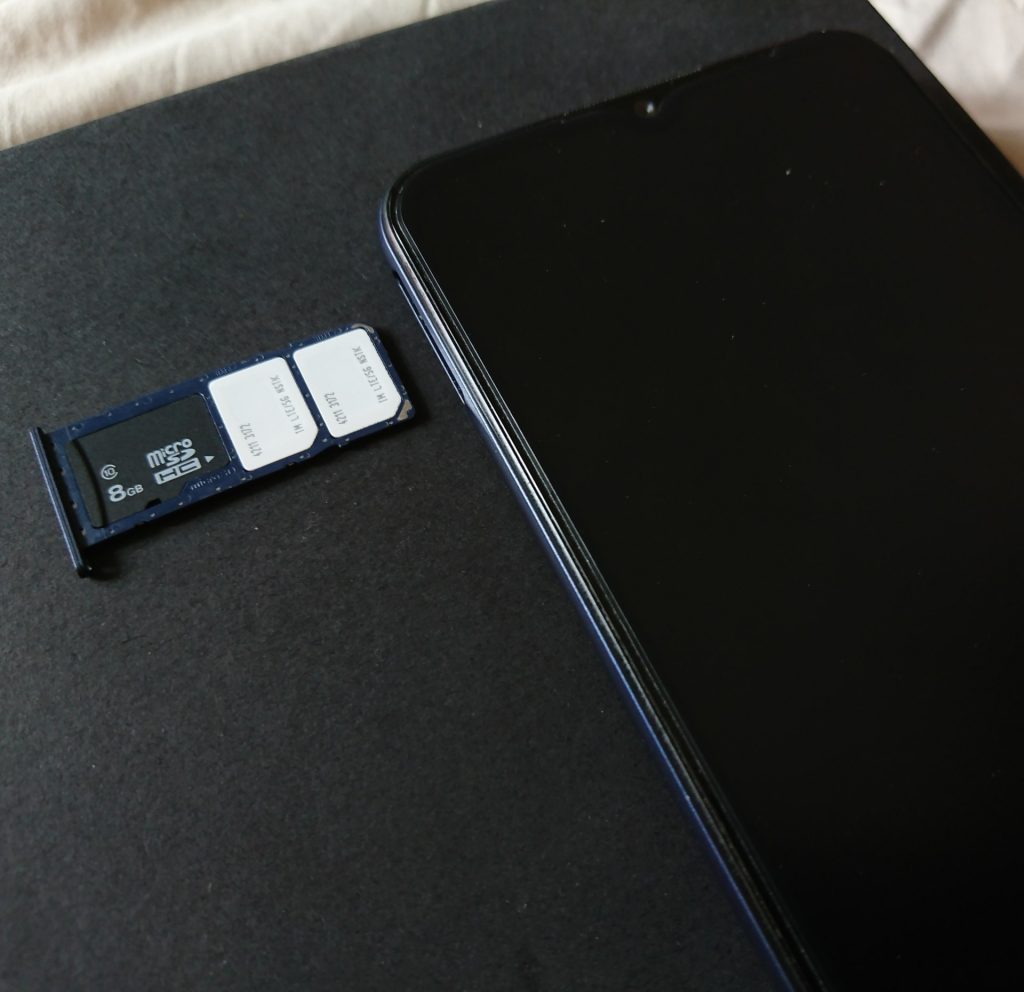
Contact your home carrier to verify that your smartphone is completely unlocked. Many phones purchased on installment plans remain locked to specific domestic networks until fully paid off, which will block any international eSIM installation. Furthermore, check your phone specifications against regional variations (for example, certain mainland Chinese or Hong Kong models handle dual physical nano-SIMs differently than international eSIM-only variants like recent US iPhones).
2. Passport KYC and Regulatory Compliance
Depending on the exact nature of the tourist package or local regulations overseen by relevant authorities, some regional data plans may require identity verification (Know Your Customer) via passport photo upload upon activation. Review your vendor’s instructions closely. Because digital rules and roaming agreements shift, always cross-verify your provider’s step-by-step onboarding guide during your travel week. For a broader look at traditional alternatives, you can also consult a roaming vs local SIM honest guide.
Actionable Pre-Trip Connectivity Checklist
To ensure a smooth transition from your home network to mainland infrastructure, follow this streamlined timeline:
3 Weeks Before: Confirm your phone is carrier-unlocked and supports eSIM technology. Purchase your data package from a reputable provider.
1 Week Before: Download or save the eSIM installation QR code offline (print a hard copy or save it to a tablet/companion phone so you can scan it with your primary device).
24 Hours Before: Install the eSIM profile while on home Wi-Fi. Label the line clearly and ensure data roaming is toggled off for that specific line.
Upon Landing: Turn off airplane mode, switch your data line to the China eSIM, and enable data roaming. If the network handshake fails, connect briefly to the terminal’s official free Wi-Fi to troubleshoot or contact customer support.
FAQ
Should I turn on data roaming for my home carrier while in China?
It is generally safest to keep your home carrier’s cellular data strictly disabled or turned off to avoid accidental, exorbitant international roaming charges. Rely entirely on your designated China eSIM or local connection for data needs, though keeping your home SIM active on Wi-Fi-only or for emergency voice roaming (if pre-arranged) is a personal choice.
What should I do if my eSIM fails to connect after landing?
First, restart your device to force a fresh network search. Verify that data roaming is explicitly enabled for the eSIM profile in your phone settings. If problems persist, connect to the airport’s complimentary wireless network and message your provider’s customer support portal for carrier-specific APN (Access Point Name) troubleshooting steps.
Do I need to submit my passport details to activate a tourist eSIM?
Related Lovely China reading
For payments, start with Alipay and WeChat Pay hub and WeChat Pay vs Alipay for tourists. For trains, keep high-speed rail first-timers guide and 12306 passport signup for foreigners handy. City hubs: Beijing first-visit guide, Shanghai first-visit guide. Connectivity: roaming vs local SIM honest guide, pocket Wi-Fi vs eSIM for China, offline maps for foreigners. Bookmark China travel tools page.
Practical checklist
- Confirm official rules on the relevant government, park, airline, or bank page near your travel week
- Screenshot bookings, tickets, and QR codes while you still have stable Wi-Fi
- Save hotel and attraction names in Chinese characters in your phone notes
- Carry passport, a backup payment method, and a small cash float (why cash is still needed)
- Test one small mobile payment before you rely on wallets at a gate or taxi
- Keep the China travel tools page page bookmarked for related Lovely China hubs
FAQ
Is this people advice official?
No. Lovely China orients travellers. Verify live rules on official pages, apps, and counters near your travel week.
Will every city behave the same?
No. Airports, stations, parks, and markets differ. Use local signage and staff instructions when they conflict with a general guide.
What should I screenshot before I lose Wi-Fi?
Bookings, tickets, hotel Chinese address, pickup pins, and payment success screens.
Notes for late 2026 travellers
November and early December bring cooler mornings, earlier sunsets, and comfortable walking weather across much of eastern and central China. Pack layers and leave extra time on clear weekends at popular sights.
This article does not invent ticket prices, opening hours, processing times, consular fees, or official statistics. When a number matters, verify it on the official site, app screen, or ticket board near your travel week.
If an official rule page disagrees with this guide, follow the official page. Lovely China orients English-speaking travellers; we are not an immigration, banking, or medical authority.