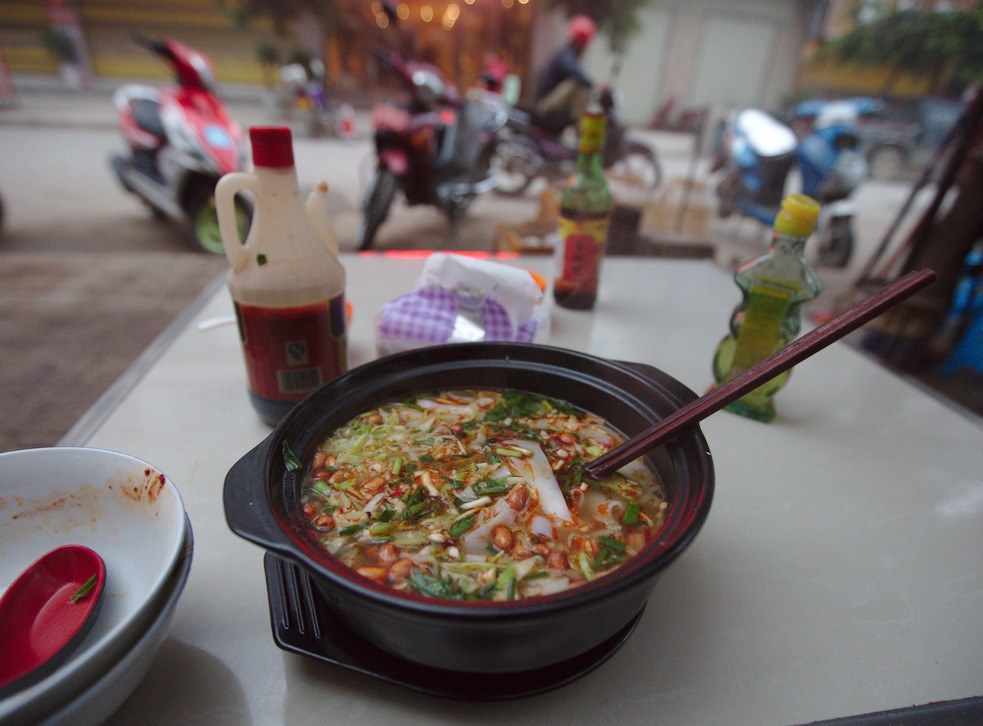
Stepping into a bustling Chongqing noodle shop during a crisp late-autumn or winter evening—especially as November turns into December—is an unforgettable sensory immersion. Thick clouds of steam carry the sharp, fragrant aroma of toasted sesame, fermented soybean, roasted chili oil, and mouth-numbing Sichuan pepper. For first-time foreign travellers and expats, ordering Chongqing xiaomian (often translated as Chongqing small noodles) can feel intimidating amid the roaring local dialect, bustling servers, and glowing QR code menus. This guide breaks down everything you need to know to order, customize, and enjoy a bowl like a seasoned local without any awkwardness.
What is Chongqing Xiaomian?
Chongqing xiaomian refers to a family of staple, wheat-flour street noodles originating from southwest China’s mountain metropolis. Despite the name “small noodles,” the “small” refers to the unpretentious nature of the dish—simple, everyday street fare—rather than a small portion size.
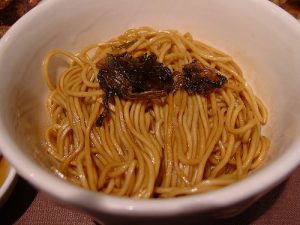
The magic of xiaomian lies not in expensive proteins, but in its complex, fiery broth or seasoning base. Every bowl is built from the bottom up in your serving bowl using a meticulous blend of dozens of seasonings: pungent raw garlic paste, ginger water, soy sauce, Chinese vinegar, Sichuan peppercorn powder (huajiao), sesame paste, roasted peanuts, Sichuan preserved vegetables (sui mi ya cai), and generous ladles of bright red chili oil. The noodles themselves are typically round, springy wheat noodles cooked just to al dente, providing a sturdy bite that absorbs the heavy, aromatic sauce.
If you are planning your overall trip logistics, take a look at the Chongqing first-visit guide to map out your daily itineraries and transit routes.
Choosing Your Style: Soup vs. Dry
When you order, you will often be asked to choose between two primary preparations:
Soup Style (Tang Mian / 汤面): The noodles sit in a flavorful, oily broth heavily infused with chili oil and spices. This style keeps the noodles hot for a long time, which is especially comforting on chilly winter days.
Dry Style (Gan Mian / 干面): Served with very little broth, the concentrated seasoning paste and chili oil coat the noodles directly. You must mix everything vigorously from the bottom up before eating. Dry styles often deliver a more intense, punchy flavor profile.
Selecting Your Toppings and Spice Level
While a classic bowl of xiaomian is served plain with just greens and peanuts, most noodle houses offer optional toppings (gao mao) that transform the bowl into a more substantial meal.
Minced Pork (Zarou / 杂酱): Savory, wok-fried minced pork seasoned with soybean paste. This is the most common topping and adds a rich, meaty depth.
Beef or Beef Tendon (Niu Rou / 牛肉): Slow-braised beef chunks or tendon cooked in a rich, spiced master stock.
Green Vegetables: Usually locally sourced leafy greens like youmaicai or pea shoots (wawacai or wanwancai), which provide a fresh crunch to cut through the heavy oil.
Navigating Spice Levels
Chongqing cuisine is globally famous for its fiery heat, dominated by mala (numbing and spicy) sensations. Noodle shops will almost always ask you how much spice you want.
Micro-spice / Non-spicy (Wei La / 微辣 or Bu La / 不辣): Perfect for beginners. Keep in mind that even “mild” bowls in Chongqing often carry a noticeable kick from the Sichuan peppercorns.
Standard Local Spice (Zhong La / 中辣): Intended for regular local palates. Expect a heavy layer of chili oil that will make your lips tingle and your eyes water if you aren’t used to it.
Extra Spicy (Te La / 特辣): Recommended only for seasoned chili-head veterans.
Before you dive in, remember proper table manners; brushing up on chopsticks etiquette for foreigners will ensure you handle your utensils respectfully throughout your meal.
How Local Noodle Shops Work
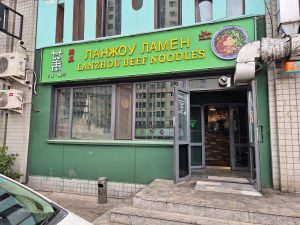
Chongqing noodle culture ranges from tiny, neighborhood hole-in-the-wall spots with plastic stools on the pavement to organized modern chain restaurants.
Ordering and Payment: In modern shops, you will scan a QR code at your table via smartphone to order and pay digitally. For a seamless experience handling local transactions, consult the Alipay and WeChat Pay hub. If you encounter an older vendor or a technical glitch, carrying physical currency is helpful; check the details on why cash is still needed in certain local scenarios.
Seating and Queuing: Small shops can get chaotic during peak lunch and dinner rushes. Observe polite queue etiquette for foreigners by waiting patiently or sharing tables (pinyin: ping zuo) with strangers, which is completely normal and expected in busy urban noodle houses.
Pickup: At smaller traditional stalls, you pay at the counter, receive a small plastic token or receipt, and wait near the noodle-boiling station. When your bowl is ready, call out or wave to the server if needed, carry your bowl to a table, and grab a pair of disposable chopsticks and a paper napkin from the communal box.
FAQ
How do I mix my noodles properly?
As soon as your bowl arrives, use your chopsticks to thoroughly mix the noodles from the bottom up. Because the concentrated chili oil, sesame paste, and spices settle at the bottom of the bowl, failing to mix means your first bites will be plain and your last bites will be overwhelmingly salty and spicy.
Are the peanuts and cilantro always included?
Yes, roasted peanuts and chopped scallions or cilantro are standard garnishes. If you have a peanut allergy or simply dislike cilantro (xiangcai), you must inform the staff beforehand by showing a translation card or saying phrases like “bu yao huasheng” (no peanuts) or “bu yao xiangcai” (no cilantro).
Is it acceptable to slurp the noodles?
Slurping is entirely acceptable and culturally normal when eating noodles in China. It helps cool down hot noodles as you inhale them and aerates the flavors, allowing you to fully experience the complex aromas of the chili oil and Sichuan pepper.
What should I drink to handle the spice?
Related Lovely China reading
For payments, start with Alipay and WeChat Pay hub and WeChat Pay vs Alipay for tourists. For trains, keep high-speed rail first-timers guide and 12306 passport signup for foreigners handy. City hubs: Beijing first-visit guide, Shanghai first-visit guide. Connectivity: roaming vs local SIM honest guide, pocket Wi-Fi vs eSIM for China, offline maps for foreigners. Bookmark China travel tools page.
Practical checklist
- Confirm official rules on the relevant government, park, airline, or bank page near your travel week
- Screenshot bookings, tickets, and QR codes while you still have stable Wi-Fi
- Save hotel and attraction names in Chinese characters in your phone notes
- Carry passport, a backup payment method, and a small cash float (why cash is still needed)
- Test one small mobile payment before you rely on wallets at a gate or taxi
- Keep the China travel tools page page bookmarked for related Lovely China hubs
FAQ
Is this food advice official?
No. Lovely China orients travellers. Verify live rules on official pages, apps, and counters near your travel week.
Will every city behave the same?
No. Airports, stations, parks, and markets differ. Use local signage and staff instructions when they conflict with a general guide.
What should I screenshot before I lose Wi-Fi?
Bookings, tickets, hotel Chinese address, pickup pins, and payment success screens.
Notes for late 2026 travellers
November and early December bring cooler mornings, earlier sunsets, and comfortable walking weather across much of eastern and central China. Pack layers and leave extra time on clear weekends at popular sights.
This article does not invent ticket prices, opening hours, processing times, consular fees, or official statistics. When a number matters, verify it on the official site, app screen, or ticket board near your travel week.
If an official rule page disagrees with this guide, follow the official page. Lovely China orients English-speaking travellers; we are not an immigration, banking, or medical authority.