Navigating China’s expanding visa-free travel framework is one of the most liberating ways to explore the country, especially with policies active through late 2026. However, calendar math can catch travellers off guard if they misinterpret how days are tallied at the border. Whether you are planning a late-year trip through November and December 2026 or mapping out an extended expat-hosted itinerary, understanding the official counting mechanics is crucial to avoiding overstay penalties. Always verify specific requirements directly with the National Immigration Administration (NIA) or your airline before your travel week.
The 30-Day Calendar Rule: How the Clock Actually Starts
The most common point of confusion for visitors utilizing China’s 30-day visa-free entry is when the physical countdown officially begins. Under official guidelines provided by authorities like the Ministry of Foreign Affairs and the National Immigration Administration, the permitted 30 natural days do not start ticking the exact minute your wheels touch down.
Instead, the calculation starts at 00:00 on the day after your entry day. For example, if you clear immigration and enter China on November 10, your arrival day is treated as a bonus window, and day one of your official 30-day stay begins at midnight on November 11. Your final legal day to exit will stretch through the end of that 30-day block (in this case, concluding on December 10).
The Arrival Day Bonus: Landing early in the morning on November 10 gives you almost a full extra day of exploration before the formal 30-day clock starts ticking at midnight.
Calendar Days vs. 24-Hour Blocks: China immigration counts in calendar days, not rolling 24-hour periods. No matter what time you leave on your departure date, as long as you clear exit border control before midnight of your final permitted day, you are compliant.
Common Exit Timing Myths and Why Buffers Matter
When dealing with international travel, relying on tight timelines is a recipe for stress. Several persistent myths surround departure days, and believing them can lead to accidental overstays.
One major myth is that “airlines control the exit grace period.” In reality, airline check-in policies, sudden flight delays, or local transit disruptions do not extend your legal immigration status. If a typhoon grounds flights out of Shanghai or heavy fog delays your bullet train connection to the airport on your final day, Chinese border control evaluates your exit strictly by the calendar stamp in your passport.
To protect yourself against unexpected hiccups, smart travellers always build in safety buffers.
The 48-Hour Rule: Avoid scheduling your final exit flight on Day 30. Aim to wrap up your travels and position yourself in your departure hub at least 1 to 2 days early.
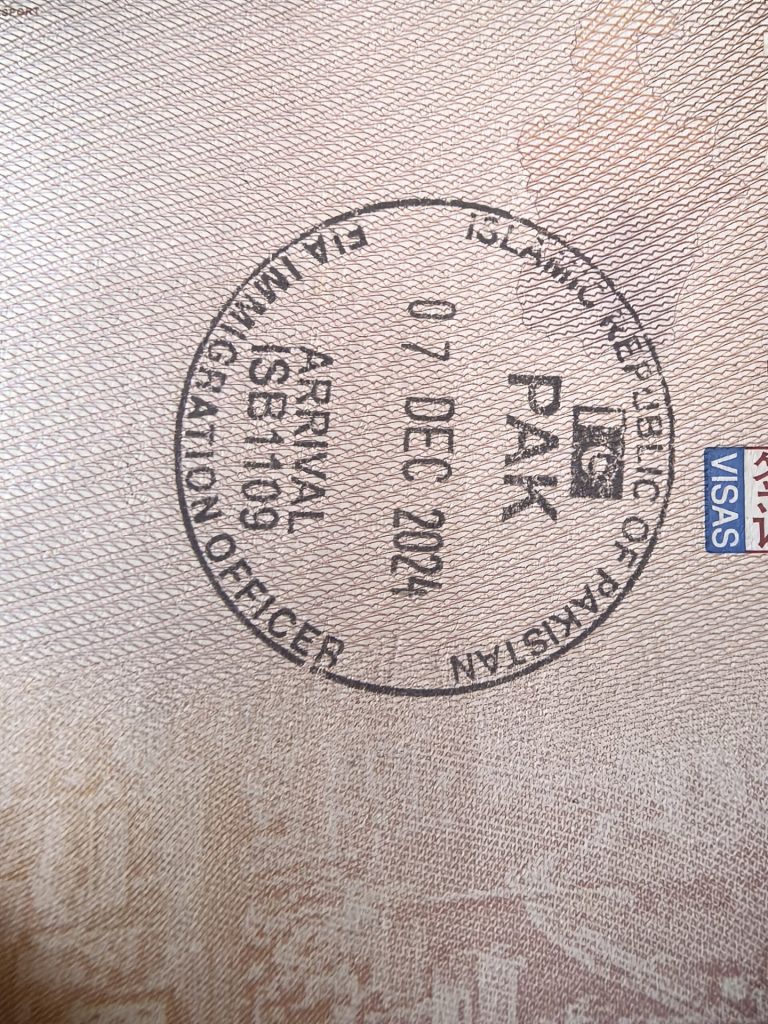
Check Passport Stamps Immediately: When the border officer hands your passport back, check the entry stamp. Ensure the date is clear and matches your expectations. If you need clarity on your eligibility or passport grouping, review details on 30-day visa-free countries before booking flights.
Addressing Policy Realities: Extensions and Re-Entry
Expats and long-term visitors often wonder what happens if they fall in love with a region and want to stay longer. Under standard unilateral visa-free entry terms, you cannot simply treat the policy as an open-ended ticket.
If your plans change, you must understand the limitations regarding extensions. Review the nuances surrounding 30-day visa-free cannot-extend myths to understand why local Public Security Bureau (PSB) offices generally will not convert a visa-free entry into an extended stay barring severe medical emergencies. If you require an official appointment for alternative visa categories, consult official guidelines for a PSB extension appointment. Attempting to “border hop” via a quick trip to Hong Kong and immediately re-entering is legally possible for some itineraries, but frequent back-and-forth re-entries will draw intense scrutiny from immigration officers evaluating your true intent.
Concrete Checklist for Your Visa-Free Journey
Before heading to the airport for your late 2026 departure, run through this practical verification checklist:
Verify Passport Validity: Ensure your ordinary passport has at least 6 months of validity remaining from your planned entry date.
Confirm Current Status: Check official portals like the National Immigration Administration (NIA) or call your carrier to ensure your nationality’s policy status remains unchanged.
Map Your Calendar: Mark your exact arrival date, calculate Day 1 starting the following midnight, and circle your mandatory departure date at least 48 hours prior to your actual flight.
Prepare Digital and Paper Backups: Keep hotel booking confirmations, rough travel itineraries, and onward ticket proofs accessible on your phone or printed out, as border officials reserve the right to request them.
FAQ
Does my arrival day count as one of the 30 days?
No. Under National Immigration Administration and Ministry of Foreign Affairs guidelines, the 30-day stay officially begins at 00:00 on the calendar day after you clear entry border control. Your arrival day acts as an uncounted grace period.
What happens if my flight is delayed past midnight on my final day?
Overstaying your permitted duration—even by a few hours due to a delayed flight—is a serious legal violation under China’s Exit and Entry Administration Law. It can result in daily fines, administrative detention, and future entry bans. This is why building a 1-to-2-day buffer before your departure deadline is essential.
Can I extend my 30-day stay-free period at a local police station or PSB?
Generally, no. Standard visa-free entries cannot be extended from within China unless you experience an extreme, documented emergency (such as sudden hospitalization). If you intend to stay longer than 30 days, you should apply for a conventional visa through official channels ahead of time.
Are multiple entries allowed under the 30-day policy?
Related Lovely China reading
For payments, start with Alipay and WeChat Pay hub and WeChat Pay vs Alipay for tourists. For trains, keep high-speed rail first-timers guide and 12306 passport signup for foreigners handy. City hubs: Beijing first-visit guide, Shanghai first-visit guide. Connectivity: roaming vs local SIM honest guide, pocket Wi-Fi vs eSIM for China, offline maps for foreigners. Bookmark China travel tools page.
Practical checklist
- Confirm official rules on the relevant government, park, airline, or bank page near your travel week
- Screenshot bookings, tickets, and QR codes while you still have stable Wi-Fi
- Save hotel and attraction names in Chinese characters in your phone notes
- Carry passport, a backup payment method, and a small cash float (why cash is still needed)
- Test one small mobile payment before you rely on wallets at a gate or taxi
- Keep the China travel tools page page bookmarked for related Lovely China hubs
FAQ
Is this travel advice official?
No. Lovely China orients travellers. Verify live rules on official pages, apps, and counters near your travel week.
Will every city behave the same?
No. Airports, stations, parks, and markets differ. Use local signage and staff instructions when they conflict with a general guide.
What should I screenshot before I lose Wi-Fi?
Bookings, tickets, hotel Chinese address, pickup pins, and payment success screens.
Notes for late 2026 travellers
November and early December bring cooler mornings, earlier sunsets, and comfortable walking weather across much of eastern and central China. Pack layers and leave extra time on clear weekends at popular sights.
This article does not invent ticket prices, opening hours, processing times, consular fees, or official statistics. When a number matters, verify it on the official site, app screen, or ticket board near your travel week.
If an official rule page disagrees with this guide, follow the official page. Lovely China orients English-speaking travellers; we are not an immigration, banking, or medical authority.