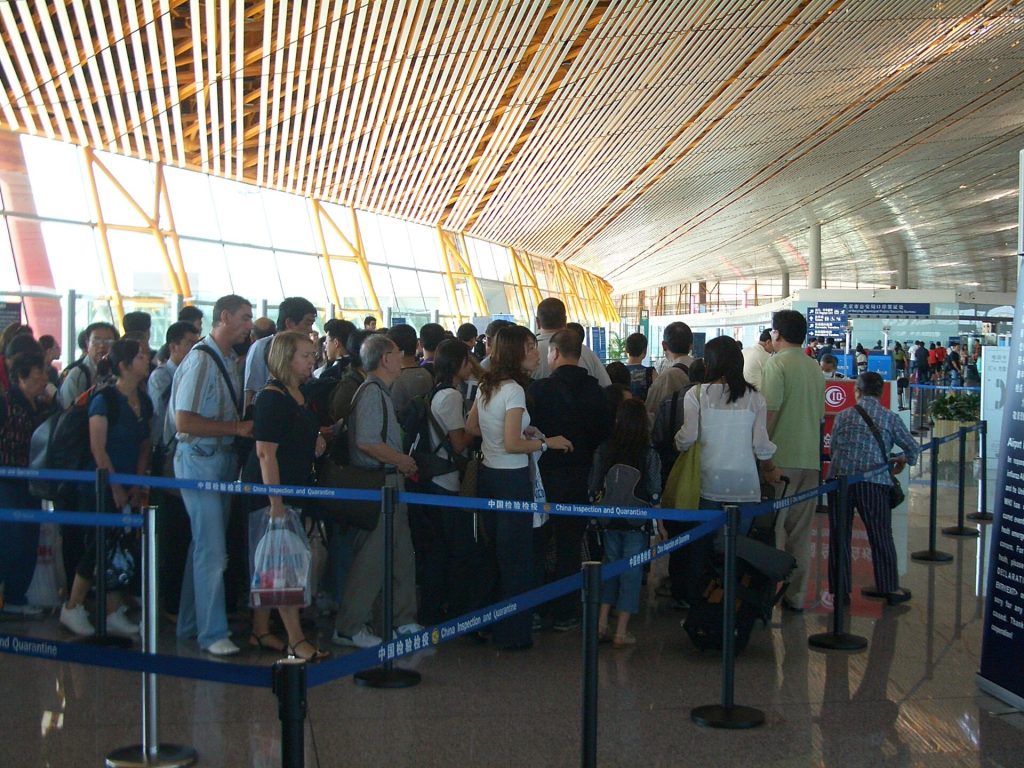
Claiming China’s 240-hour visa-free transit is a smooth experience when your paperwork is neatly organized before you step up to immigration. Because approval happens on arrival via border inspection rather than at an embassy beforehand, your physical documents and travel proofs must speak for themselves. Avoiding last-minute confusion comes down to assembling the right items, verifying official notices from the National Immigration Administration (NIA), and understanding what immigration officers expect to see at the desk.
Passport Validity and Core Identity Mindset
Your passport is your primary credential, and its condition matters greatly under immigration scrutiny.
Validity Period: Ensure your passport remains valid for at least three months from your planned date of entry. Border control will turn away passports nearing expiration, even if they technically cover your 10-day stay window.
Blank Pages: Confirm you have at least one clean, completely blank visa page for the temporary entry stamp.
Nationality Check: Verify that your passport country is on the active transit-eligible list managed by the NIA. Never rely on third-party blog lists or outdated forum posts; always check official Chinese embassy or NIA bulletins near your travel week.
If you are coordinating a broader journey that involves multiple entry rules, it is helpful to look at how this framework compares to alternative entry options, detailed further in our guide on 144 vs 240-hour transit.
Onward Ticket and Third-Country Proof
The cornerstone of the transit-without-visa policy is proof that you are moving onward to a third country or region. A round-trip ticket that brings you right back to your departure point does not qualify.
The Third-Country Rule: Your itinerary must follow a strict progression, such as Country A to China to Country B, where Country B is different from Country A. Remember that Hong Kong, Macau, and Taiwan count as separate regions for this purpose.
Confirmed Booking Reference: Have a printed copy or a readily accessible digital e-ticket showing a confirmed seat and a departure date strictly within 240 hours of your scheduled arrival. Avoid flexible placeholder bookings or unconfirmed reservations, as immigration officers check booking locator codes in real time.
For inspiration on structuring your route efficiently within these rules, review our curated 240-hour multi-city itineraries.
Accommodation and Address Plan
Immigration officers or local registration systems will require a clear accounting of where you plan to sleep during your stay.
Hotel Confirmations: Keep English and Chinese confirmation printouts for every hotel or accommodation booked along your route.
Private Stays: If you are staying with friends or family, have their precise local address, phone number, and a copy of their local ID or residence permit ready. Keep in mind that travelers staying in private homes must complete local accommodation registration.
Digital Integration: For general arrivals where digital registration is requested, you may also need to fill out an arrival registration card either via digital kiosks at the port or via paper forms provided on your flight.
Calm Answers and Professional Presentation at the Desk
When you reach the designated visa-free transit counter at immigration, maintaining a calm, cooperative demeanor sets a welcoming tone.
Organized Folder: Hand over your passport, completed arrival card, and printed onward ticket together in a clean stack. Do not wait until the officer asks to begin digging through bags.
Direct Answers: If the officer asks about your travel purpose, answer concisely (e.g., “Tourism, heading to Tokyo next”). Keep your itinerary overview clear and simple.
Airline Check-in Sync: Remember that your document check begins long before China immigration—your departing airline’s ground staff will inspect these exact documents to ensure you meet entry criteria before issuing your boarding pass.
FAQ
Does the 240-hour clock start the minute I land in China?
No. The authorized 10-day stay calculation begins at 12:00 a.m. (midnight) on the day after you clear immigration. For example, if you land and clear border control on a Tuesday afternoon, your 240-hour countdown officially starts at midnight going into Wednesday.
Can I change my onward flight date after I clear immigration?
You must depart within the original 240-hour window granted on your entry stamp. If an unexpected flight cancellation or delay forces your departure past your deadline, you must report to the local Public Security Bureau (PSB) entry-exit administration office immediately to apply for a temporary stay extension.
Do I need to print my documents, or can I show everything on my phone?
While digital PDFs and screenshots are generally accepted by most modern ports, printing paper copies of your passport data page, your confirmed onward ticket, and your hotel bookings is strongly recommended. Paper backups protect you against dead phone batteries, poor airport Wi-Fi, or specific officer preferences.
Related Lovely China reading
For payments, start with Alipay and WeChat Pay hub and WeChat Pay vs Alipay for tourists. For trains, keep high-speed rail first-timers guide and 12306 passport signup for foreigners handy. City hubs: Beijing first-visit guide, Shanghai first-visit guide. Connectivity: roaming vs local SIM honest guide, pocket Wi-Fi vs eSIM for China, offline maps for foreigners. Bookmark China travel tools page.
Practical checklist
- Confirm official rules on the relevant government, park, airline, or bank page near your travel week
- Screenshot bookings, tickets, and QR codes while you still have stable Wi-Fi
- Save hotel and attraction names in Chinese characters in your phone notes
- Carry passport, a backup payment method, and a small cash float (why cash is still needed)
- Test one small mobile payment before you rely on wallets at a gate or taxi
- Keep the China travel tools page page bookmarked for related Lovely China hubs
FAQ
Is this travel advice official?
No. Lovely China orients travellers. Verify live rules on official pages, apps, and counters near your travel week.
Will every city behave the same?
No. Airports, stations, parks, and markets differ. Use local signage and staff instructions when they conflict with a general guide.
What should I screenshot before I lose Wi-Fi?
Bookings, tickets, hotel Chinese address, pickup pins, and payment success screens.
Notes for late 2026 travellers
November and early December bring cooler mornings, earlier sunsets, and comfortable walking weather across much of eastern and central China. Pack layers and leave extra time on clear weekends at popular sights.
This article does not invent ticket prices, opening hours, processing times, consular fees, or official statistics. When a number matters, verify it on the official site, app screen, or ticket board near your travel week.
If an official rule page disagrees with this guide, follow the official page. Lovely China orients English-speaking travellers; we are not an immigration, banking, or medical authority.