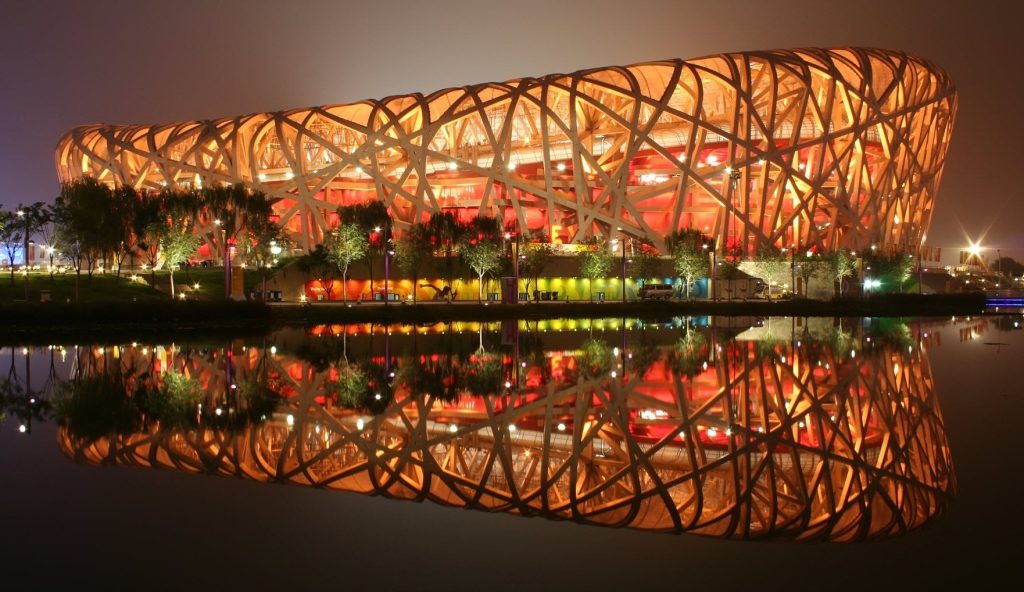
Visiting Beijing’s modern architectural core offers a sharp, striking contrast to the ancient imperial temples and narrow hutongs clustered in the city center. At the heart of the northern Chaoyang district lies the expansive Olympic Green, anchored by the iconic National Stadium—universally known as the Bird’s Nest—and the National Aquatics Centre (Water Cube). For international travellers and expats exploring Beijing, particularly during the brisk late-autumn months of November and December 2026, combining a structural tour with smart transit planning ensures a seamless day out. Before finalizing your schedule, always double-check live venue notices, operating hours, and security updates directly through official municipal or venue platforms near your travel week.
Outdoor Park Wandering vs. Interior Stadium Tours
One of the most important decisions you will make when planning your trip is whether you actually need to go inside the venues or if an exterior visit fits your travel style better.
The vast public esplanades, open plazas, and landscaped walkways of the Olympic Park are entirely free to access. You can walk the central axis, admire the interlocking grey steel lattice of the Bird’s Nest, and frame photographs of the translucent bubble-patterned Water Cube without purchasing a ticket. For many visitors short on time, taking an afternoon stroll to soak in the grand, monumental scale of 2008 and 2022 Olympic history is more than enough.
Conversely, stepping inside requires a deliberate ticketing mindset:
The Bird’s Nest Exterior & Plaza: Free. Ideal for casual sightseers, architecture lovers, and photographers looking for clean angles.
Standard Interior Admission: Grants access to the lower bowl and structural exhibits.
Rooftop Skywalk: A popular ticket upgrade that leads you along a railed walkway across the stadium’s steel roof lattice, offering unique elevated views of the northern axis and the Water Cube below.
If you are expanding your itinerary to include other major landmarks across the capital, reviewing a comprehensive Beijing first-visit guide can help you balance hyper-modern zones with historic sites like the Forbidden City.
Metro Access and Navigation
Navigating to the Olympic Green is straightforward thanks to Beijing’s efficient subway network, but the scale of the park means choosing the right station matters.
Line 8 (The Olympic Line): This is your primary transit artery. Line 8 intersects with major central lines and runs directly north-south through the city.
Key Stations: Depending on your walking preference, you can alight at Olympic Sports Center Station for a shorter walk straight to the southern approach of the Bird’s Nest, or Olympic Park Station (served by both Line 8 and Line 15) to access the northern end of the green and nearby museums.
Because Beijing’s transfer stations can involve extensive underground walking corridors, brushing up on local transit habits via a dedicated Beijing subway transfers breakdown will save you time and confusion. When exiting the metro, expect standard security check-points as you transition from the station concourse into the open public park zones. Keep your original passport handy, as foreign visitors may be asked to present identification for real-name verification at venue gates or ticket counters.
Photo Etiquette and November–December Weather Realities
Visiting the Olympic Park in November or December brings crisp, clear blue skies—often referred to as classic Beijing autumn and early winter weather—which provide phenomenal lighting for architectural photography. However, those clear weekends also draw local crowds, photography enthusiasts, and tour groups looking to capture the afternoon golden hour.
Timing Your Photos: Arrive around mid-to-late afternoon (approximately 2:00 PM to 3:30 PM) to catch sharp daytime angles of the steel framework. Stick around past sunset as the stadium lighting systems illuminate the structure in a deep, glowing red, creating a striking nighttime silhouette.
Weather Preparedness: Late-autumn temperatures in Beijing drop sharply once the sun goes down. Wind funnels freely across the wide-open concrete plazas, so bundle up with layers, windbreakers, gloves, and warm headwear if you plan to stay into the evening hours.
Crowd Mindfulness: Be courteous of fellow travelers and local families on busy weekend afternoons. Avoid blocking main thoroughfares or transit hubs with tripod setups, and always respect restricted zones where event staging or maintenance is underway.
To dive deeper into seasonal packing and what to expect from the climate during these months, take a look at our specialized overview of Beijing in November.
FAQ
Is it necessary to buy a ticket to enter the Olympic Park?
No. The vast open spaces, central plazas, and exterior viewing areas of the Olympic Park—including the immediate grounds surrounding the Bird’s Nest and Water Cube—are completely free to walk around. You only need to purchase a ticket if you intend to go inside the stadiums, access the rooftop skywalk, or visit specific indoor museums and exhibition halls.
Which subway line is best for reaching the Bird’s Nest?
Subway Line 8 is the most direct and convenient route for reaching the area. You can get off at Olympic Sports Center Station for the quickest walk to the National Stadium, or use Olympic Park Station if you are arriving via Line 8 or Line 15 to explore the broader park grounds.
Do I need to bring my passport when visiting the stadiums?
Yes. Foreign visitors should always carry their physical passport. If you purchase tickets in advance for interior tours, rooftop walkways, or exhibitions, your booking will be tied to your passport details, and security personnel or ticket checkers may request to scan or verify your document at the entrance.
Can the Bird’s Nest close unexpectedly to visitors?
Yes. Because the National Stadium remains an active venue hosting large-scale athletic matches, public sporting events, and major music concerts, it periodically closes its interior sightseeing operations to the general public. Always check official announcements or trusted local notices before planning your specific indoor tour day.
Related Lovely China reading
For payments, start with Alipay and WeChat Pay hub and WeChat Pay vs Alipay for tourists. For trains, keep high-speed rail first-timers guide and 12306 passport signup for foreigners handy. City hubs: Beijing first-visit guide, Shanghai first-visit guide. Connectivity: roaming vs local SIM honest guide, pocket Wi-Fi vs eSIM for China, offline maps for foreigners. Bookmark China travel tools page.
Practical checklist
- Confirm official rules on the relevant government, park, airline, or bank page near your travel week
- Screenshot bookings, tickets, and QR codes while you still have stable Wi-Fi
- Save hotel and attraction names in Chinese characters in your phone notes
- Carry passport, a backup payment method, and a small cash float (why cash is still needed)
- Test one small mobile payment before you rely on wallets at a gate or taxi
- Keep the China travel tools page page bookmarked for related Lovely China hubs
FAQ
Is this travel advice official?
No. Lovely China orients travellers. Verify live rules on official pages, apps, and counters near your travel week.
Will every city behave the same?
No. Airports, stations, parks, and markets differ. Use local signage and staff instructions when they conflict with a general guide.
What should I screenshot before I lose Wi-Fi?
Bookings, tickets, hotel Chinese address, pickup pins, and payment success screens.
Notes for late 2026 travellers
November and early December bring cooler mornings, earlier sunsets, and comfortable walking weather across much of eastern and central China. Pack layers and leave extra time on clear weekends at popular sights.
This article does not invent ticket prices, opening hours, processing times, consular fees, or official statistics. When a number matters, verify it on the official site, app screen, or ticket board near your travel week.
If an official rule page disagrees with this guide, follow the official page. Lovely China orients English-speaking travellers; we are not an immigration, banking, or medical authority.