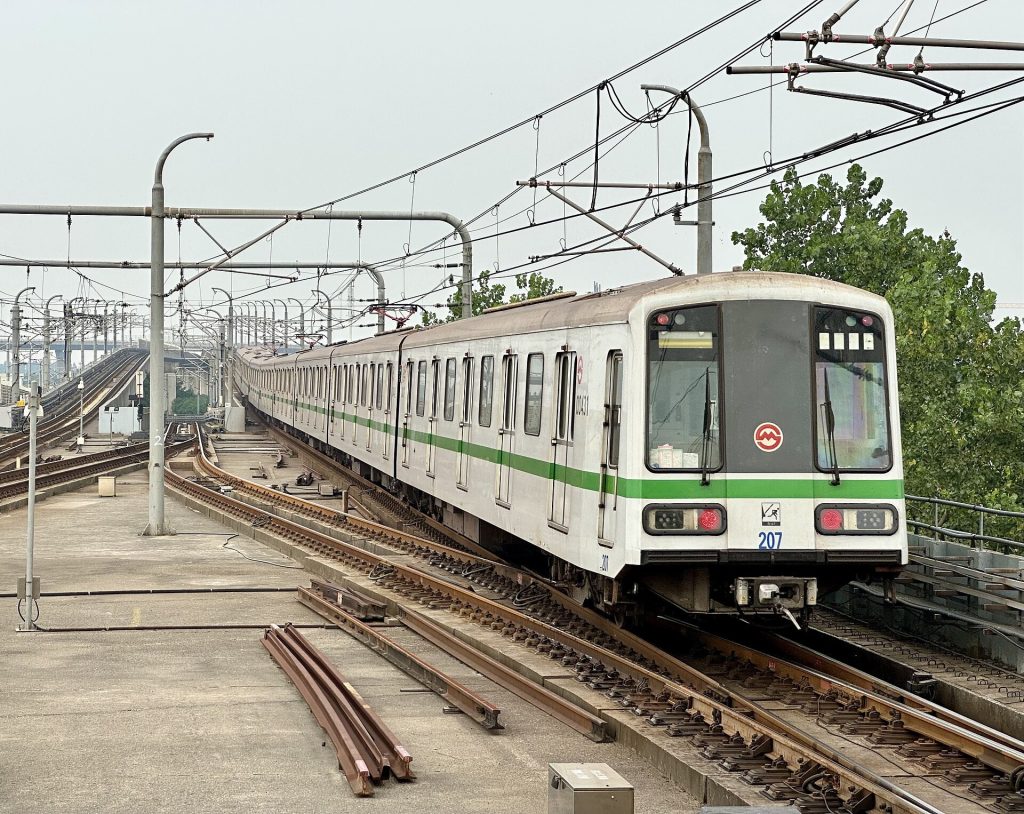
Navigating the Shanghai Metro as a foreign first-timer in late 2026 is remarkably efficient once you understand how local transit apps and digital wallets mesh together. With an extensive network spanning over 800 stations, mastering the digital turnstiles saves you from standing in ticket queues after a long flight. For comprehensive background before you arrive, read our guide on Shanghai Metro first-timers. Whether you prefer scanning directly through major super-apps or keeping traditional backups handy, a smooth subterranean journey comes down to proper setup.
Alipay and WeChat Paths for Ride Codes
The backbone of modern transit in Shanghai revolves around mobile QR codes. Rather than navigating standalone local apps that require complicated registration, most international travellers leverage their everyday digital wallets.
The Alipay Route: Open your Alipay app (which should already be linked to an international Visa, Mastercard, or other supported card) and search for the Shanghai Metro service or transit mini-program. Follow the prompts to activate your travel code.
The WeChat Route: Within WeChat, you can access the official Metro Daduhui (大都会) mini-program or look for local transit features. This generates a dynamic QR code that refreshes every few minutes.
At the Turnstile: Tap your phone’s generated QR code against the yellow optical scanner on the gate. Ensure your screen brightness is turned up high. You must scan to enter and scan again to exit so the system can calculate the correct distance-based fare.
If you are weighing mobile pay against physical transit alternatives, check out our comparison on tourist metro cards vs mobile pay. For a deeper dive into setting up your digital wallets before landing, review the Alipay/WeChat Pay hub.
Single-Journey Tickets and Physical Backups
Digital systems are exceptionally reliable, but smartphone batteries die and network glitches happen. It is always wise to keep a backup plan ready.
Ticket Vending Machines (TVMs): If your app fails or your phone runs out of power, walk up to a station TVM. Modern machines across the network accept digital payment options via screen QR scans or foreign bank cards at station service desks.
Cash Backup: Always carry a small amount of Chinese Yuan (RMB) cash. Station service windows can often break larger bills or assist foreign visitors in purchasing single-journey paper or token tickets manually.
Important Rule for Single Tickets: Unlike app-based QR rides that calculate fares dynamically upon exit, traditional single-journey tickets must be fed back into the exit slot at your destination station, where they are collected by the turnstile.
Security, Baggage, and Station Etiquette
Every single station on the Shanghai Metro network requires a mandatory security screening for passengers and their belongings.
Bag Checks: When entering the station concourse, place all backpacks, handbags, and luggage onto the automated X-ray conveyor belt. Walk through the metal detector archway while security personnel monitor the screen.
Fluids and Prohibited Items: Bottled water or beverages in your hand may occasionally require a quick security test where you take a sip in front of the guard. Aerosols, sharp objects, and flammable liquids are strictly prohibited.
Platform Discipline: Stand behind the yellow safety lines on the platform screen doors. Priority seating areas near train doors should be left open for elderly or mobility-impaired passengers.
FAQ
Do I need a Chinese bank account to use Shanghai Metro QR codes?
No. Foreign visitors can link international credit and debit cards (such as Visa, Mastercard, American Express, or JCB) directly inside Alipay or WeChat Pay before traveling. The apps handle currency conversion automatically when fares are deducted.
Why is my metro QR code failing to scan at the gate?
The most common reasons are low screen brightness or an expired code. Dynamic transit QR codes refresh every few minutes for security. Close the code, reopen your mini-program right at the turnstile, turn your phone brightness up to maximum, and hold your screen flat against the scanner pad.
Can I use the same QR code to transfer between metro lines?
Yes. When transferring within the network, you do not need to exit the system. Your continuous journey is tracked automatically. You only scan once to enter at your origin station and once to exit at your final destination.
What should I do if my digital wallet fails to deduct the fare?
If a network error prevents an automatic deduction, the app will typically flag your account and restrict future gate entries until the unsettled balance is cleared. Open your transit mini-program, check your trip history, and settle the pending payment manually through your bound foreign card.
Related Lovely China reading
For payments, start with Alipay and WeChat Pay hub and WeChat Pay vs Alipay for tourists. For trains, keep high-speed rail first-timers guide and 12306 passport signup for foreigners handy. City hubs: Beijing first-visit guide, Shanghai first-visit guide. Connectivity: roaming vs local SIM honest guide, pocket Wi-Fi vs eSIM for China, offline maps for foreigners. Bookmark China travel tools page.
Practical checklist
- Confirm official rules on the relevant government, park, airline, or bank page near your travel week
- Screenshot bookings, tickets, and QR codes while you still have stable Wi-Fi
- Save hotel and attraction names in Chinese characters in your phone notes
- Carry passport, a backup payment method, and a small cash float (why cash is still needed)
- Test one small mobile payment before you rely on wallets at a gate or taxi
- Keep the China travel tools page page bookmarked for related Lovely China hubs
FAQ
Is this travel advice official?
No. Lovely China orients travellers. Verify live rules on official pages, apps, and counters near your travel week.
Will every city behave the same?
No. Airports, stations, parks, and markets differ. Use local signage and staff instructions when they conflict with a general guide.
What should I screenshot before I lose Wi-Fi?
Bookings, tickets, hotel Chinese address, pickup pins, and payment success screens.
Notes for late 2026 travellers
November and early December bring cooler mornings, earlier sunsets, and comfortable walking weather across much of eastern and central China. Pack layers and leave extra time on clear weekends at popular sights.
This article does not invent ticket prices, opening hours, processing times, consular fees, or official statistics. When a number matters, verify it on the official site, app screen, or ticket board near your travel week.
If an official rule page disagrees with this guide, follow the official page. Lovely China orients English-speaking travellers; we are not an immigration, banking, or medical authority.