Visiting historic temples and Buddhist monasteries across China offers a profound glimpse into the country’s living spiritual traditions. From the sprawling courtyards of Beijing’s Yonghegong to mist-veiled mountain sanctuaries in the south, these sites welcome millions of domestic and international visitors each year. However, navigating a sacred space as a foreign traveller involves more than just admiring the ancient architecture. Knowing where you can lift your camera—and where you should respectfully keep it in your bag—ensures a smooth, culturally sensitive experience. This guide covers everything you need to know about temple photo etiquette in China, helping you capture memorable moments while honoring the monks, worshippers, and sacred environments around you.
Why Temple Photography Rules Matter
Chinese temples are active places of worship, communal gathering, and historic preservation rather than static museums. While tourism is widely accommodated, the primary purpose of these sites remains religious observance. When monks chant sutras or local families offer prayers, cameras can inadvertently disrupt a deeply personal or sacred moment.
Furthermore, many historic halls house centuries-old statues, delicate murals, and priceless relics vulnerable to light and physical disturbance. Respecting local guidelines protects these cultural treasures for future generations and fosters goodwill between international visitors and the local community. As travel patterns shift toward late autumn and early winter—such as peaceful November and December visits when temple grounds are less crowded—having clear boundaries makes your photography much more mindful and rewarding.
Where Photography is Welcome: Courtyards and Open Spaces
As a general rule of thumb, Chinese temples follow an outdoor-friendly, indoor-restricted photography policy.
Courtyards and Architectural Exteriors
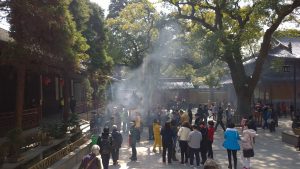
Open Spaces: Panoramic shots of multi-tiered eaves, dramatic tiled roofs, stone pathways, and ancient ginkgo or pine trees in temple courtyards are almost always permitted and encouraged.
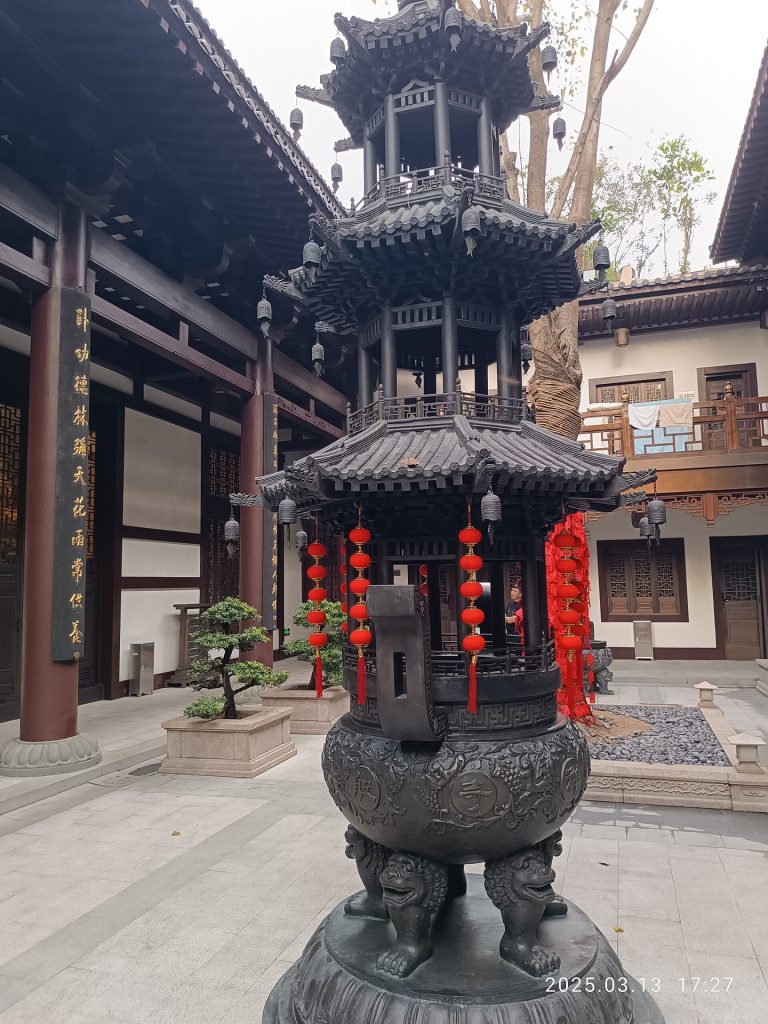
Incense Burners: Large bronze cauldrons and open-air incense yards make for striking focal points. If you are learning the proper ways to offer incense, refer to our guide on temple incense etiquette before setting up your shot.
Garden Landscapes: Natural features, ponds, stone bridges, and drum towers are generally fair game for outdoor landscape and architectural photography.
Capturing the Details
Focusing your lens on architectural textures, stone carvings, guardian lions, and ornate door knockers is a great way to document your trip without intruding on spiritual spaces. If you are planning a winter excursion to the capital, check out our Lama Temple visit tips for specific site layouts and seasonal lighting advice.
Red Zones: Where Cameras Must Stop
Stepping indoors or approaching specific ritual objects requires a shift in awareness. Crossing these invisible boundaries can lead to uncomfortable interactions with temple staff or security guards.
Main Worship Halls (Daodian)
Interior Statues: Photography is almost universally banned inside main prayer halls housing large Buddha statues or Bodhisattvas. Signs featuring a crossed-out camera icon are typically posted at the entrance.
Flash Photography Ban: Even in areas where casual photography is permitted, never use a flash. Sudden bursts of intense light can degrade ancient pigments on murals, thangkas, and wooden pillars over time.
Monks and Worshippers: Photographing monks during active rituals, private meditation, or without explicit permission is considered highly disrespectful. Always ask before taking portraits of individuals, and be prepared for a polite refusal.
Drones and Aerial Equipment
Strict Drone Bans: Flying unmanned aerial vehicles (drones) over Chinese temple grounds is strictly prohibited due to security, privacy, and safety regulations. Leave your drone securely packed in your accommodation.
Practical Checklist for Mindful Temple Photography
Before you raise your camera or smartphone inside a Chinese monastery, run through this quick checklist to ensure your actions align with local courtesy:
Look for Signage: Scan entry gates and hall doors for clear symbols indicating photography restrictions.
Turn Off Sound Effects: Disable shutter clicks and focus beeps on your camera or phone to maintain the quiet atmosphere of the sanctuary.
Mind the Flow: Do not block narrow walkways, doorways, or steps to frame the perfect shot. If you need to wait for a clear angle, step to the side and respect personal space, keeping general queue etiquette in mind when crowds gather around popular shrines.
Put the Device Away During Rituals: If a ceremony begins, lower your camera, step back, and observe quietly rather than treating the ritual purely as a photo opportunity.
FAQ
Can I take selfies with monks if they smile and agree?
Yes, if you ask politely first and they give clear, verbal or non-verbal consent. However, many monks—especially in stricter monastic orders—prefer not to be featured in casual tourist selfies. Always respect a shake of the head or a polite decline without pressing further.
Are smartphones treated differently than professional cameras?
Generally, temple rules apply to the act of photographing rather than the equipment used. While security staff may be more forgiving of a quick smartphone snap in semi-restricted transition zones, whip-out tripods, large zoom lenses, and professional lighting setups will immediately draw attention and are often restricted without prior administrative permits.
Is photography permitted during winter temple fairs or festivals?
Special seasonal events draw large crowds, and while outdoor festival activities, lion dances, and festive decorations are usually very photogenic, indoor restrictions inside main halls remain firmly in place. Expect tighter security and heavier foot traffic during cultural celebrations, making patience and spatial awareness essential.
Related Lovely China reading
For payments, start with Alipay and WeChat Pay hub and WeChat Pay vs Alipay for tourists. For trains, keep high-speed rail first-timers guide and 12306 passport signup for foreigners handy. City hubs: Beijing first-visit guide, Shanghai first-visit guide. Connectivity: roaming vs local SIM honest guide, pocket Wi-Fi vs eSIM for China, offline maps for foreigners. Bookmark China travel tools page.
Practical checklist
- Confirm official rules on the relevant government, park, airline, or bank page near your travel week
- Screenshot bookings, tickets, and QR codes while you still have stable Wi-Fi
- Save hotel and attraction names in Chinese characters in your phone notes
- Carry passport, a backup payment method, and a small cash float (why cash is still needed)
- Test one small mobile payment before you rely on wallets at a gate or taxi
- Keep the China travel tools page page bookmarked for related Lovely China hubs
FAQ
Is this culture advice official?
No. Lovely China orients travellers. Verify live rules on official pages, apps, and counters near your travel week.
Will every city behave the same?
No. Airports, stations, parks, and markets differ. Use local signage and staff instructions when they conflict with a general guide.
What should I screenshot before I lose Wi-Fi?
Bookings, tickets, hotel Chinese address, pickup pins, and payment success screens.
Notes for late 2026 travellers
November and early December bring cooler mornings, earlier sunsets, and comfortable walking weather across much of eastern and central China. Pack layers and leave extra time on clear weekends at popular sights.
This article does not invent ticket prices, opening hours, processing times, consular fees, or official statistics. When a number matters, verify it on the official site, app screen, or ticket board near your travel week.
If an official rule page disagrees with this guide, follow the official page. Lovely China orients English-speaking travellers; we are not an immigration, banking, or medical authority.