What chuan’r actually is
Chuan’r (串儿 / 烤串, chuàn’r) are Chinese barbecue skewers: bite-size pieces of meat or vegetables threaded on sticks, grilled over charcoal or gas, and finished with cumin, chili, and salt. The most iconic version is lamb skewer—羊肉串 (yángròu chuàn)—associated with Xinjiang-style seasoning and northern night markets, then copied and localized across China.
You will see chuan’r at outdoor stalls, basement food courts, dedicated grill restaurants with exhaust hoods, and late-night alleys after the subway slows down. Some places are stick-by-stick street counters; others are sit-down grill houses where you mark a paper menu or tap a tablet. The flavor idea stays similar: high heat, fragrant spice, and a rhythm of ordering “a few more” until you are done.
This guide is for first-timers who want practical ordering, spice control without bravado, and a clean exit before your clothes smell like a chimney.
Why skewers are a good first street meal
Skewers are modular. You can try three sticks of lamb, two of chicken, one vegetable, and stop. There is no giant shared pot commitment. Portions are visible. Heat is adjustable by asking for less chili dust. If you already like kebabs, satay, or yakitori, the jump is seasoning and queue culture—not a new eating technology.
They also pair well with a night walk. For pacing a first evening market without getting overwhelmed, see our first Chinese night-market walk. Keep Alipay and WeChat Pay ready; many stalls are cash-optional but phone-pay preferred.
Lamb, chicken, and everything else on a stick
Lamb (羊肉串)
The classic. Cubes or thin slices, often with a bit of fat for juiciness. Cumin (孜然, zīrán) and chili flakes are the signature dust. Good lamb smells fragrant, not gamey-harsh. If a stall’s lamb looks gray and dry under heat lamps, walk on.
Chicken / chicken wing / chicken heart
Safer for people who do not eat lamb. Wings take longer; small cubes cook fast. Organ skewers (heart, tendon) are common—try one if curious, skip without guilt if not.
Beef, pork, and seafood
Beef appears widely; pork depends on the stall’s style and neighborhood. Squid, shrimp, and fish balls show up at coastal and mixed night markets. Ask if unsure about pork: 有猪肉吗? / 我不吃猪肉.
Bread, gluten, and vegetables
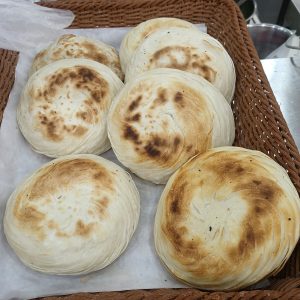
Roasted steamed-bread pieces, cauliflower, eggplant, potato, green pepper, and mushroom skewers fill gaps and cool the spice load. A starch stick between meat rounds helps.
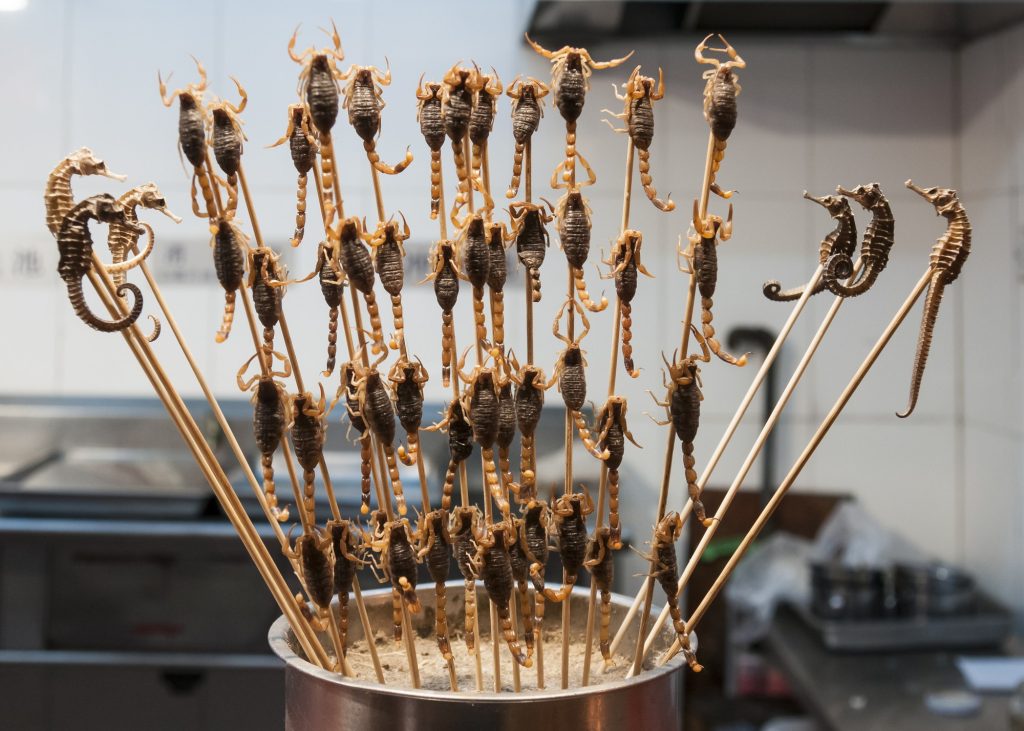
“Mystery” skewers
If you cannot identify it, point and ask 这是什么? (zhè shì shénme?) or skip. First night is a bad time for surprise offal challenges unless you are excited about them.
Spice and heat without fake scales
Chuan’r heat usually comes from dry chili flakes and chili powder tossed at the end, not from a long mala broth. Cumin is aromatic more than hot. A stall may ask:
- 辣不辣? (là bu là? — spicy or not?)
- Or offer levels: 不辣 / 微辣 / 中辣
First-timer move: start 微辣 or 不辣 on the first three sticks. You can add heat on the next round. Once chili dust is on, you cannot take it off.
Practical heat ladder: no visible red dust → light speckles → even red coat → “I need a cold drink and a pause.” If you are chili-sensitive, say 少放辣椒 (shǎo fàng làjiāo — less chili) and 多放孜然 if you still want cumin aroma.
Sichuan peppercorn numbing is less central here than in hotpot, though some stalls blend it in. If your tongue tingles, that is seasoning, not spoilage.
How stall flow usually works
1. Watch one full order cycle before you commit—see how people point, how sticks are counted, and where to stand.
2. Catch the grill cook’s eye; hold up fingers or say numbers.
3. Call the item: 羊肉串 / 鸡肉串 / 蔬菜.
4. Add spice preference immediately.
5. Pay when asked—sometimes before, sometimes after. Follow the local line.
6. Eat while hot; skewers wait poorly.
At paper-menu grill restaurants, tick quantities in the boxes, hand the sheet over, and wait for waves of sticks. Exhaust fans will still perfume your jacket—wear something you can wash.
Counting tips:
- 五个 (wǔ ge) = five
- 十个 (shí ge) = ten
- Many locals order lamb in batches of five or ten.
Two hungry adults often start with 10–20 mixed sticks plus a vegetable and bread, then reorder. Look at stick thickness: tiny cubes mean you need more sticks; huge wing skewers mean fewer.
Sauces, sides, and drinks
Some stalls serve only dry spice. Others offer garlic sauce, sesame paste, or chili oil on the side. Cold noodles, edamame, or roasted corn sometimes appear as neighbors on the same street—useful buffers.
Beer is common with chuan’r; non-drinkers can ask for soda, sour plum drink, or herbal tea if available. Hydrate. Salt-plus-chili makes you thirstier than you expect.
If you want a calmer indoor chili experience another day, malatang uses a different spice logic (broth-based, choose-your-own ingredients). Skewers are drier, smokier, and faster.
Hygiene and “is this stall okay?”
Busy stalls with high turnover are usually your friend. Prefer meat that goes from raw tray to grill in front of you. Avoid trays of pre-cooked skewers sitting lukewarm in soft plastic for unknown hours—especially in hot weather.
Charcoal aroma is normal; harsh chemical smells are not. If the grill is next to heavy scooter exhaust and uncovered trays, use judgment. Sit-down grill shops with visible refrigeration trade some “street romance” for more control—fine for a first try.
Wash or wipe hands before eating. Skewer ends can be awkward; many people eat off the stick directly. Do not double-dip a half-eaten stick into a shared sauce cup.
Regional accents you will taste
Northern cities (Beijing, Tianjin, many northeast towns) lean hard into lamb + cumin night culture. Xinjiang-style restaurants may add naan, baked buns, and more pronounced cumin-chili profiles. Southwest cities may sell mala-leaning skewers or cold-pot-adjacent sticks—ask what style you are getting. Coastal markets mix seafood skewers into the same walk.
None of these require you to finish a mountain of sticks. The skill is stopping while it still tastes good.
Ordering script you can reuse
1. 老板,羊肉串十个,微辣 — Boss, ten lamb skewers, mild spice.
2. 再来五个鸡肉,不辣 — Five more chicken, no chili.
3. 少放辣椒,多放孜然 — Less chili, more cumin.
4. 有蔬菜串吗? — Do you have vegetable skewers?
5. 打包 — Takeaway (if you must; best eaten fresh).
If English is on a LED sign, still use numbers and pointing. Noise is part of the sport.
Clothing, smell, and hotel etiquette
You will smell like smoke. That is not failure; that is chuan’r. Do not plan a fancy tea house immediately afterward. In hotels, hang the jacket near a vent or balcony if allowed, not on the bed. If you are sharing a room with someone who hates cumin, warn them.
Late-night skewers before a soft-sleeper train can be excellent—or messy. Leave twenty minutes to wash hands and face.
First-timer checklist
- Start with lamb or chicken, mild spice
- Order in fives, then reorder
- Add vegetables or bread as buffer
- Watch the stall’s rhythm before paying
- Phone pay ready; small cash as backup where useful
- Expect smoke on clothes
- Stop before “just ten more” becomes regret
Chuan’r is China night food at its most modular: fragrant, social, and easy to customize. Keep the first round mild, count with your fingers, and let the second round chase more chili only if you still want it.