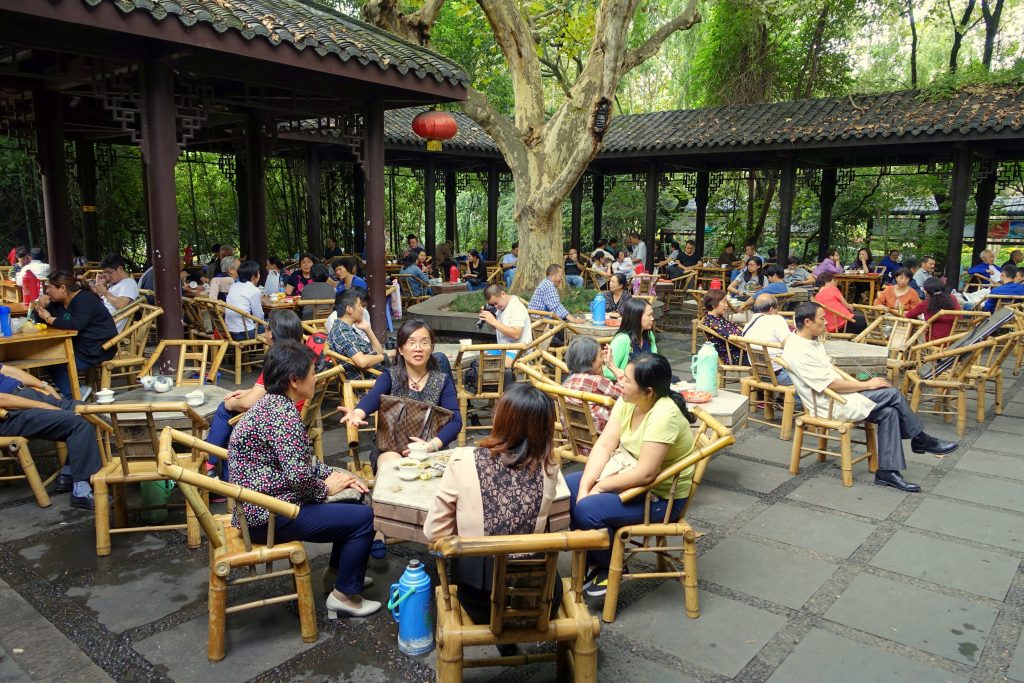
Why a tea house visit feels different from a café stop
A Chinese tea house is not a coffee chain with leaf tea on the side menu. It is a place built for lingering: hot water topped up, conversation stretched, and time measured in cups rather than takeaway lids. For first-time visitors, the room can feel full of unspoken rules — who pours first, where to sit, whether you should tip, and how loud to talk. Most of those worries shrink once you know a few calm habits.
This guide is about everyday teahouse etiquette in mainland cities, not a ceremonial exam. You will meet park teahouses with bamboo chairs, modern tea rooms with tasting flights, and tourist spots near gardens. The tone shifts by city and price level, but the visitor-friendly core stays similar: arrive patiently, order simply, pour for others before yourself, and leave when the table feels finished — not when the clock says you “should.”
If your China trip sits near Mid-Autumn or Golden Week, tea houses can get busier on holiday eves and cooler autumn weekends. Keep Golden Week 2026 vs Mid-Autumn in mind for crowd timing. For a landscape contrast — tea hills rather than indoor tables — Hangzhou first visit in early autumn pairs well with a city teahouse afternoon.
What kind of tea house you are walking into
Park and open-air teahouses
In cities like Chengdu, park teahouses are social living rooms. People read, play cards, chat, and sit for hours. Etiquette here is relaxed: keep your voice moderate, do not rearrange furniture dramatically, and treat the shared space as a long visit rather than a photo sprint. Staff may bring a thermos or keep refilling hot water; that refill culture is part of the experience.
Classic indoor tea rooms
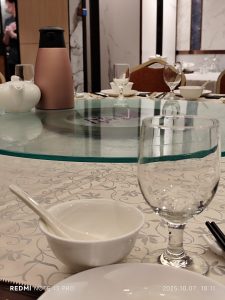
Indoor rooms often feel quieter and more formal. You may get a tray with teapot, fairness cup (gōngdào bēi), small cups, and snacks. Servers may demonstrate a pour once. Watch once, then follow the same rhythm. You do not need perfect Mandarin — pointing at a menu photo and saying the tea name slowly is enough.
Tourist garden tea spots
Near famous gardens or scenic areas, tea seats can be pricier and more photo-oriented. Expect clearer English menus in some places, and also expect queues on weekends. Etiquette still matters: do not block walkways for long selfie sessions, and do not treat the tea set as a free prop table for unrelated food.
Arriving, seating, and the first five minutes
Walk in, wait to be seated if someone is greeting guests, and avoid claiming a large empty table for one person when the room is busy. If you are a small group, a small table is polite. Bags go on an empty chair or under the table — not on the tea tray.
Phones are fine for translations and photos, but keep flash off near other guests and do not film strangers without consent. A quick photo of your own cups is normal; circling the room for content is not.
If the menu looks long, start with one tea for the table rather than five unfamiliar names. Popular first-timer lanes include green tea (绿茶), oolong (乌龙), jasmine (茉莉花茶), and pu’er (普洱). Ask whether the listed price is per person, per pot, or per session of unlimited water — that single question prevents most bill surprises.
Payment habits follow the rest of China: mobile pay is common. If you still need setup help, keep your Alipay or WeChat Pay flow ready before peak holiday weeks.
Pouring, tasting, and small gestures that read as courtesy
Pour for others first
A simple rule travels well: when you hold the pot or fairness cup, fill other people’s cups before your own. Keep pours modest so cups do not overflow. If someone pours for you, a soft “thank you” or a light finger-tap on the table (a common thanks gesture in some tea settings) is enough — you do not need a speech.
Smell, sip, and pace
Tea houses reward slow tasting. Smell the aroma, take a small sip, and notice temperature changes across steepings. It is normal to leave a little in the cup rather than draining every drop in one gulp. If the tea tastes too strong or too light, say so calmly; many places adjust the next steep.
Snacks and shared plates
Many teahouses offer nuts, sweets, or light snacks. Share from common plates with serving chopsticks or the clean ends of utensils when provided. Do not dig personal chopsticks into a shared snack bowl if the table has serving tools.
Water top-ups
Unlimited hot water is common with a pot. That is hospitality, not a signal to rush. If you are finished, close the experience politely: make eye contact with staff, ask for the bill, and stack cups neatly if that is how nearby tables leave things.
What not to do (the short “please don’t” list)
- Do not wash your hands in the tea rinse bowl or drink the rinse water by accident — watch one steeping cycle first.
- Do not insist on ice water for traditional leaf tea; ask for a separate cold drink if you need one.
- Do not tip loudly in cash if the room has no tip culture — most Chinese teahouses do not expect Western-style tipping. Round up only if a place clearly invites it, or simply pay the bill as shown.
- Do not rearrange other people’s cups “to teach” unless they ask.
- Do not treat staff demonstrations as a free private class that blocks other tables.
These are courtesy lines, not sacred law. Local friends may break them casually; as a guest, matching the quietest polite table nearby is always safe.
Talking, volume, and group dynamics
Tea houses are conversation spaces, but volume still matters. Keep phone calls short or step outside. Business meetings happen here often — if you overhear negotiations, give privacy. If children are at your table, keep movement away from hot kettles.
For group payments, decide early whether one person pays or you split. Splitting mid-bill at a busy counter creates friction; settling among yourselves after mobile pay is smoother.
How Mid-Autumn week changes the teahouse mood
Around Mid-Autumn Festival 2026 (Friday 25 September, short holiday roughly 25–27 September), some teahouses sell seasonal mooncake sets, osmanthus snacks, or gift tins. That is product marketing, not a requirement that you buy gifts for every acquaintance. If you are navigating workplace gifts separately, use Mid-Autumn office gift etiquette for foreign colleagues rather than improvising at the tea counter.
Lantern events and park crowds can spill into nearby tea seats on festival nights. For calmer festival atmosphere planning, Mid-Autumn lantern markets in China 2026 helps you choose timing. A tea house afternoon before the evening crowds is often the gentler plan.
A simple first-timer script
1. Enter and wait to be seated.
2. Ask whether pricing is per pot or per person.
3. Order one tea and one small snack to share.
4. Watch the first pour, then pour for others first.
5. Sit longer than you would in a takeaway café.
6. Ask for the bill when conversation naturally closes.
7. Pay by mobile, thank the staff, and leave the table tidy.
That sequence covers almost every ordinary visit.
Regional flavour without overthinking it
Chengdu park tea culture leans long and social. Jiangnan cities may feel softer and more garden-linked. Cantonese yum cha is a different meal rhythm (dim sum plus tea) — do not force teahouse rules onto a busy morning tea restaurant, and vice versa. When unsure, watch the nearest local table for thirty seconds and copy their pace.
After the tea: linking the day without rushing
A teahouse stop pairs well with a slow city walk, a museum morning, or a recovery break after spicy food. It is also a good place to draft messages home when you want to explain festival season without sounding like a brochure — for family context later, explaining Mid-Autumn Festival to family abroad can help you translate what you just felt.
You do not need to master every tea name on the first visit. You need one calm session where the water stays hot, the conversation unspools, and the room teaches you that “doing nothing urgently” is the point.
Bottom line for first-timers
Chinese tea house etiquette is mostly consideration: sit where you fit, order clearly, pour for others first, keep noise kind, and stay long enough to let the tea change. Skip performative perfection. A respectful first visit looks ordinary from the outside — and that ordinariness is exactly how locals use the space.