Qiufen is a solar term — not a national holiday
If you are planning China travel in late September 2026, two autumn markers sit close together and are easy to confuse. Qiufen (秋分), the Autumn Equinox solar term, falls around Wednesday 23 September 2026. Mid-Autumn Festival falls on Friday 25 September 2026, with a short public holiday window roughly 25–27 September.
Qiufen is one of the twenty-four solar terms (èrshísì jiéqì) that traditionally organised farming and seasonal life. It marks the astronomical equinox period when day and night are nearly equal, and after which nights grow longer in the Northern Hemisphere. It is not a statutory national holiday on its own. Offices do not automatically close for Qiufen the way they do for Mid-Autumn or National Day. Visitors notice Qiufen as weather, food, park mood, and cultural framing — not as a passport-stamp day off.
Treat this guide as a visitor lens: what changes in the streets, menus, and outdoor plans around the equinox week, and how to keep Mid-Autumn and Golden Week logistics separate.
2026 calendar anchors (keep them distinct)
Use these dates carefully:
- Qiufen (Autumn Equinox solar term): around 23 September 2026 (often cited near morning China Standard Time on that date)
- Makeup workday before Mid-Autumn: Sunday 20 September 2026
- Mid-Autumn Festival day: Friday 25 September 2026 (holiday roughly 25–27 September)
- National Day Golden Week: roughly 1–7 October 2026
- Makeup workday after Golden Week: Saturday 10 October 2026 (State Council notice 国办发明电〔2025〕7号)
For holiday travel contrasts — not solar-term lore — keep Golden Week 2026 vs Mid-Autumn open. Qiufen sits in the quiet hinge between late summer heat and festival week, which is exactly why visitors feel it even when shops stay open.
What “equal day and night” feels like on the ground
You will not see a banner on every metro pillar announcing Qiufen. What you notice is subtler:
- Mornings feel cooler for outdoor walking earlier than in August.
- Light softens earlier in the evening; photo golden hour arrives sooner.
- Parks fill with people seeking osmanthus scent, chrysanthemum displays, or simply cooler air.
- Menus lean into autumn ingredients: crab in some coastal and Jiangnan cities, mushrooms, lotus root, and osmanthus desserts.
Southern cities may still feel warm at midday; northern cities can turn crisp after sunset. Pack a light layer even if your daytime forecast looks mild. Equinox week is a clothing-transition week more than a costume festival.
Osmanthus, parks, and the scent of late September
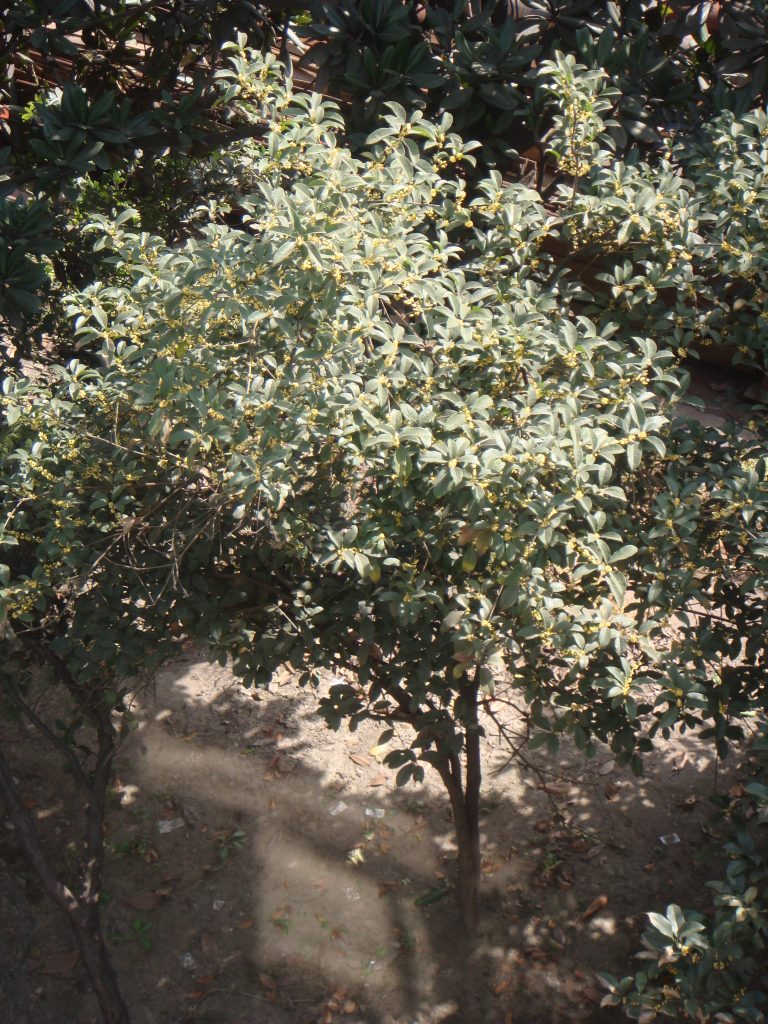
In many Chinese cities, late September is osmanthus (guìhuā) season. You may smell it before you see it — sweet, apricot-like fragrance near park paths and residential plantings. Some cafés and bakeries sell osmanthus cakes, jellies, or lattes as seasonal specials. This is cultural weather, not an entrance-ticket event.
Visitor etiquette in parks stays ordinary: stay on paths, do not strip branches for photos, and leave picnic spots clean. If a park runs a small seasonal fair, expect local families more than international pageantry.
If you want a calmer Mid-Autumn night plan two days later, pair park afternoons with Mid-Autumn moon viewing in Beijing and Shanghai rather than trying to “do” equinox and lantern peaks in one exhausted evening.
Food cues visitors actually encounter
Around Qiufen, food talk online and in markets often mentions “eating autumn” in a broad sense — nourishing soups, seasonal fruit, and less icy drinks. You may also hear about regional customs such as sticky rice or egg dishes in some areas. Treat local food tips as invitations to taste, not as mandatory rituals you must complete for cultural credit.
Practical visitor moves:
- Try one seasonal dessert or tea with osmanthus if you like floral flavours.
- Order autumn soups or vegetable dishes when spicy summer menus start to feel heavy.
- Do not invent “must-eat Qiufen banquets” for yourself if your stomach prefers simpler meals.
Teahouse afternoons fit this week especially well. For room manners rather than solar-term history, see Chinese tea house etiquette for first-timers.
How Qiufen differs from Mid-Autumn (so you do not double-book stress)
| Topic | Qiufen (solar term) | Mid-Autumn (festival holiday) |
| — | — | — |
| Official status | Seasonal marker, not a national holiday by itself | Public holiday festival day |
| Typical visitor cue | Weather, scent, seasonal food | Family reunion, mooncakes, lanterns, short leave |
| Crowds | Parks and scenic spots can be busy on weekends | Transport and attractions busier across the holiday window |
| What to plan | Layers, outdoor walks, seasonal menus | Leave, gifts, trains/hotels, reunion logistics |
Mid-Autumn still dominates gift shops and office conversations in the same week. If colleagues exchange boxes, that is festival etiquette — covered in Mid-Autumn office gift etiquette — not an equinox rule.
Lantern markets and night events cluster around Mid-Autumn itself; see Mid-Autumn lantern markets 2026. Qiufen is the quieter prelude.
Travel pacing in the equinox-to-festival corridor
A practical late-September pattern for visitors:
1. Around 23 September: use cooler mornings for parks, city walks, or tea.
2. 20 September makeup Sunday: treat it as a workday for offices and some services if locals are working; do not assume a “free Sunday city.”
3. 25–27 September: expect Mid-Autumn holiday rhythm — family travel, denser night spots, shifted restaurant hours.
4. Into early October: decide whether you stay put or move before Golden Week peaks.
If you are hosting relatives who arrive for the festival rather than the solar term, hosting family visitors for Mid-Autumn in China 2026 is the logistics guide. Qiufen simply improves the walking weather while you prepare.
Cultural framing without fake folklore
Solar terms appear in calendars, weather apps, school lessons, and food media. You may see Qiufen mentioned on phone widgets or café chalkboards. That visibility does not mean every city runs official Qiufen ceremonies for tourists. Avoid tour pitches that sell “secret equinox rituals” as if they were passport requirements.
Honest visitor framing sounds like this: “Late September is when autumn feels real in many Chinese cities — cooler air, osmanthus, and Mid-Autumn a few days later.” That sentence is accurate enough to text home. For a fuller festival explanation to relatives abroad, use explaining Mid-Autumn Festival to family abroad and keep Qiufen as a seasonal footnote.
What to pack and book with equinox week in mind
- A light jacket or cardigan for evenings after 23 September
- Comfortable shoes for park paths that may still be humid after rain
- Flexible dinner plans if Mid-Autumn bookings tighten later in the week
- Screenshots of metro maps and hotel addresses before holiday data congestion
You do not need special equinox tickets. You need ordinary autumn common sense.
A one-day visitor template around Qiufen
Morning: park or riverside walk while air is cool; notice plantings and light.
Midday: simple seasonal lunch; avoid over-ordering because evenings still run long in late September.
Afternoon: museum, teahouse, or neighbourhood errands while the sun is kinder than midsummer.
Evening: early dinner and an unforced outdoor stroll — save the biggest festival night energy for Mid-Autumn if you are staying through the 25th.
Bottom line
Qiufen 2026 is the Autumn Equinox solar term around 23 September — a seasonal hinge visitors feel through weather, scent, and food, not a stand-alone national holiday. Keep it distinct from Mid-Autumn on 25 September and Golden Week in early October. Use the equinox days for calmer outdoor rhythm, then shift into festival logistics without pretending every autumn date is the same kind of “day off.”