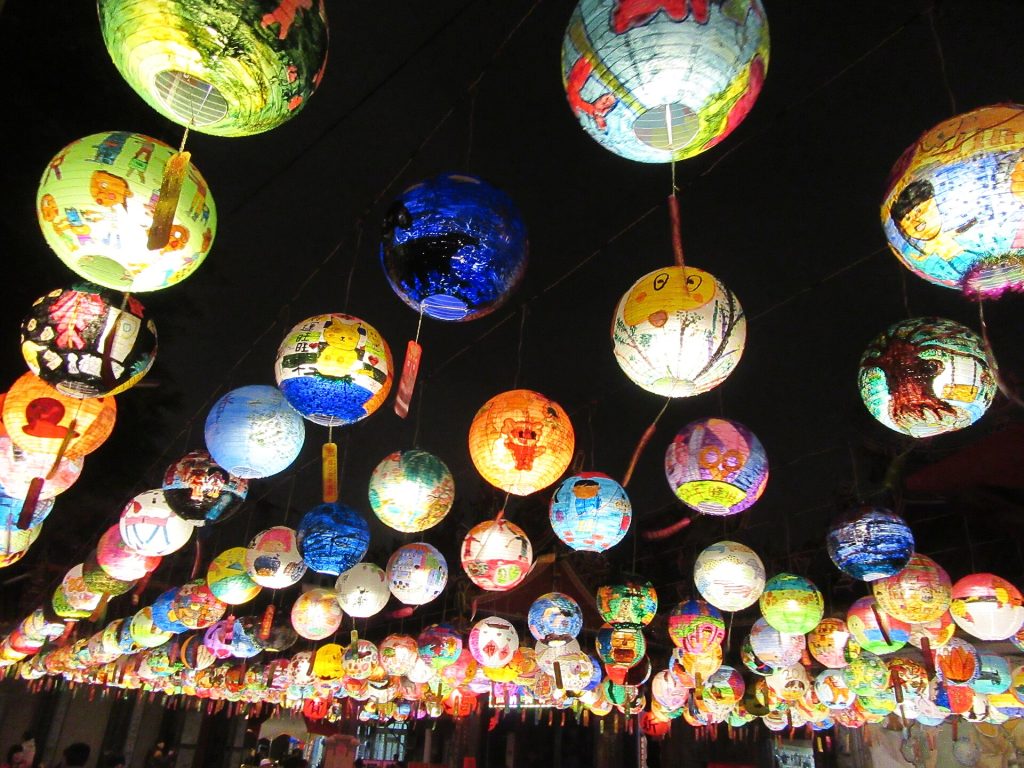
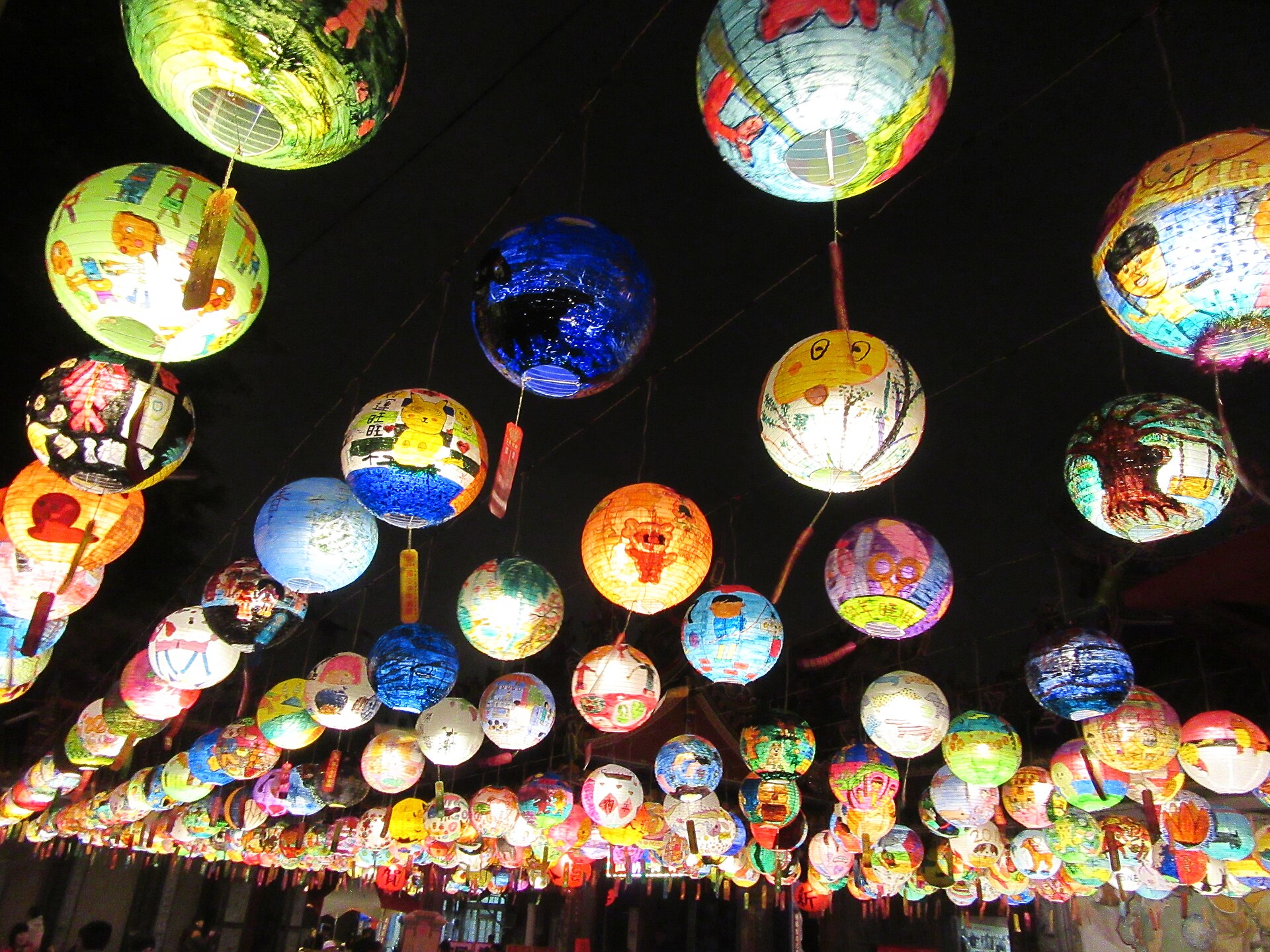
The air on Nanjing Road smells of caramelized sugar and cold steam. A vendor flips a wok of glutinous rice balls, the spheres bobbing in ginger syrup, while three generations of a Shanghainese family argue playfully over which lantern riddle to solve next. A toddler waves a plastic Pikachu lantern that plays a tinny melody; his grandmother cradles a hand-painted glass sphere lit by a real candle. It is the fifteenth night of the first lunar month, the moon is a white plate overhead, and the Spring Festival officially exhales its last breath.
When the moon decides the date
The Lantern Festival never falls on the same Gregorian day twice. It lands on the first full moon of the lunar new year — usually mid-February to early March. Public holidays do not extend for it, so city offices and banks run normal hours. The celebration is an evening affair: lantern displays switch on at dusk, riddle booths open around 7 p.m., and the crowds peak between 8 and 10. If you plan to travel between cities that weekend, book high-speed rail tickets the moment the 30-day window opens; the “return rush” after the festival is the second-largest migration spike of the season.
What arrives on the table
In the north they call them yuanxiao; in the south, tangyuan. Same white sphere, different birth. Northern cooks toss dry glutinous-rice flour over a damp filling — black sesame, red bean, peanut — rolling the ball in a bamboo sieve until the coat thickens. Southern hands knead wet dough, wrap it around the paste, and pinch the seam smooth. Boil either until they float, then ladle into the cooking water with a splash of rice wine, a few goji berries, and julienned ginger.
- Glutinous rice flour — 300 g
- Water — roughly 220 ml, added in stages
- Filling: toasted black sesame (100 g), powdered sugar (60 g), lard or coconut oil (50 g), chilled and cubed
- Ginger — 30 g, smashed
- Fermented rice wine (jiuniang) — optional, 2 tbsp per bowl
- Goji berries — a pinch per serving
Mix flour and water into a dough that feels like an earlobe — soft, no cracks. Divide into 18 portions. Flatten, center a cube of filling, seal, roll gently. Drop into a rolling boil; stir once so they don’t stick. When they bob to the surface, count thirty seconds, then scoop into bowls with broth. Eat hot; the skin turns gummy as it cools.
Restaurant ordering tip: ask for “xian tangyuan” if you want savory — pork, dried shrimp, scallion, cabbage in a clear chicken broth. Sweet versions arrive in ginger syrup or fermented rice wine. A bowl costs 18–35 yuan at a neighborhood shop; hotel buffets charge triple for smaller portions.
Lanterns: from candle to LED
Walk through Yu Garden in Shanghai or Confucius Temple in Nanjing and you will see three tiers of lantern culture. At the perimeter, hawkers sell wire-framed cartoons — Peppa Pig, Ultraman — powered by AA batteries. Step deeper into the courtyard and artisans display hand-painted glass cylinders, each scene a line from a Tang poem, lit by a single tea candle. The centerpiece is always a dragon or phoenix stretching twenty meters, built on a steel skeleton, skinned in silk, illuminated by programmable LEDs that chase in waves.
Locals still value the old ritual: write a wish on red paper, tie it to a helium balloon shaped like a lotus, release it at the riverbank. Police now restrict open flames in many downtown parks, so the balloons are tethered to weighted lines. If you buy a candle lantern, choose the bamboo-handled kind with a vented top; the cheap plastic globes melt onto your fingers within minutes.
Riddles: the pub quiz of the Song dynasty
Every lantern carries a slip of red paper. The riddle is a pun, a historical allusion, or a character deconstruction. Example: “Two people under the sun” — the answer is the character 昌. Solve it, tear the slip, hand it to the booth attendant, claim a packet of tissues or a keychain. Locals play in teams; one person reads aloud, another searches a mental database of idioms, a third types keywords into a phone. Foreigners are welcome to join, but the wordplay assumes fluent literacy. A practical workaround: download a “cai deng mi” app beforehand. It scans the riddle via camera and suggests answers. Use it discreetly; the fun is in the collective groan when the pun lands.
Temple fairs and dragon dances
In Beijing, the Ditan Park temple fair reopens for one night only. Stalls sell sugar paintings — dragons drizzled onto a marble slab, lifted on a bamboo stick — and “diabolo” yo-yos that whine like jet engines. In Chengdu, Culture Park hosts a fire dragon: a steel frame stuffed with incense sticks, carried by thirty bare-chested men through showers of sparks. The crowd presses close, phones raised, while elders shout warnings to keep children’s sleeves away from the embers. If you attend, wear cotton, not synthetic; a stray spark melts polyester into skin. Stand upwind of the dragon’s path. The smoke carries sulfur and camphor — good for warding off damp, bad for asthma.
What newcomers get wrong
- Arriving at 6 p.m. expecting space. The lanterns switch on at dusk, but the human tide arrives at 7:30. Go early for photos; stay late for atmosphere.
- Buying the first lantern offered. Walk the full market loop first. Prices drop 30 percent after 9 p.m. when vendors pack up.
- Eating five tangyuan in one sitting. The glutinous rice is dense; two is a portion, three is a stomachache.
- Assuming the festival ends at midnight. In villages, the “lantern stealing” game — teams snatching each other’s lanterns for luck — runs until dawn.
- Skipping the riddles because “my Chinese isn’t good enough.” Many booths now post English translations beside the Chinese. The puns still don’t translate, but the answer key does.
When the last LED dragon powers down and the subway fills with passengers clutching deflated Peppa Pigs, the lunar new year is truly done. You step onto the train, pockets sticky with sesame sugar, ears still ringing with firecracker echoes, and realize the city has already switched its focus to the next solar term. The lanterns were the punctuation mark; the sentence continues tomorrow.