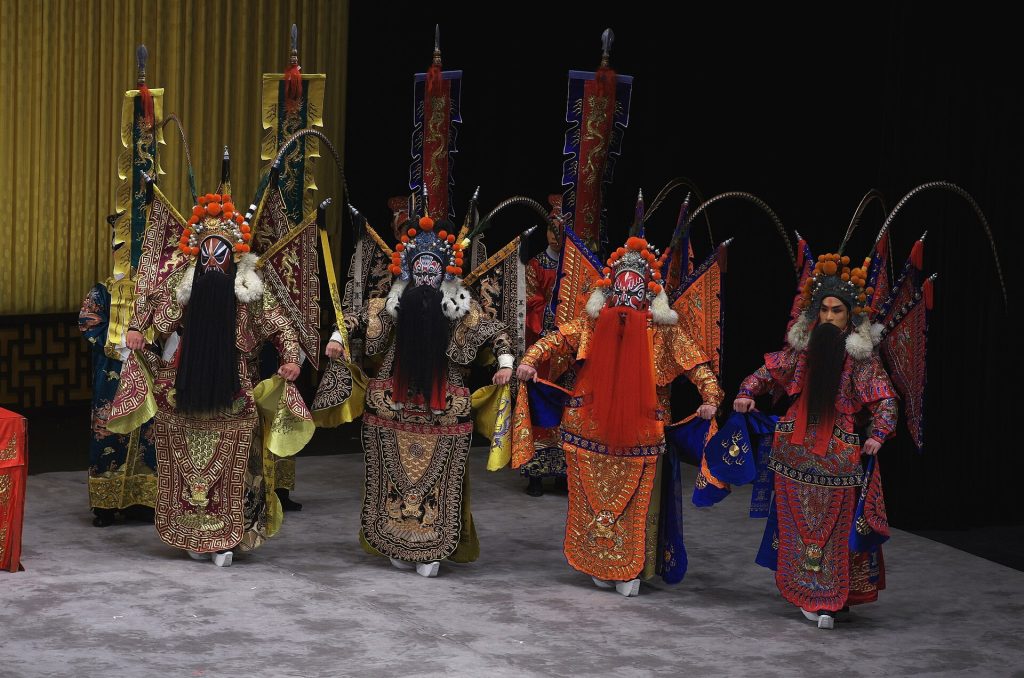
Peking Opera (Jingju) is often called the quintessence of traditional Chinese culture, blending high-pitched singing, intense acrobatics, elaborate martial arts, and dazzling face paint. For a first-time foreign visitor in Beijing, walking into a historic theatre can feel like stepping onto another planet—one filled with crashing gongs, flowing silk sleeves, and booming percussion. Traditional Peking Opera performances historically lasted for hours, featuring multi-act historical epics that could exhaust even the most enthusiastic traveler. Today, however, Beijing offers brilliant experiences tailored specifically for newcomers, striking a balance between authentic artistry and tourist-friendly accessibility. If you are planning an autumn evening out in the capital this October or November 2026, here is everything you need to know to decode the costumes, master theatre etiquette, and enjoy your first show like a pro.
Tourist-Friendly Shows vs. Traditional Full Operas
If you browse historical accounts, you will read about epic, all-day traditional Peking Opera marathons. In modern practice, however, these full-length traditional productions are typically reserved for hardcore local enthusiasts or academic festivals. For international visitors, the ideal introduction is a curated excerpt show.
* What to Expect: Instead of a single 4-hour plot, tourist-friendly venues (such as the Liyuan Theatre or Huguang Guild Hall) put together a 70-to-90-minute fast-paced variety showcase. You will get 15-to-20-minute “greatest hits” segments: a high-flying martial arts clash, a graceful romance scene, a comedic puppet-like vignette, and a dramatic facial makeup transformation.
* Why It Works: It removes the language barrier by focusing heavily on visual spectacle, acrobatics, and clear physical acting, ensuring you never get restless.
Decoding Costumes and Role Types in Plain English
Peking Opera relies heavily on stylized archetypes. Instead of deep psychological character studies, actors belong to four major role categories (Hangdang), each with distinct vocal styles, movements, and costumes:
1. Sheng (The Male Roles): Usually heroes, scholars, or statesmen. They can be divided into older bearded men (Lansheng) or young, handsome scholars (Xiaosheng).
2. Dan (The Female Roles): Traditionally played by men (most famously master Mei Lanfang), these characters range from virtuous aristocratic wives (Qingyi) to lively maidens and martial heroines (Wudan) who flip through the air with double-swords. Watch out for their iconic “water sleeves”—long white silk extensions that actors flick with liquid grace to express weeping, anger, or elegance.
3. Jing (The Painted-Face Roles): These are the loud, commanding villains, fierce generals, or gods. Their faces are painted with intricate, symmetrical geometric patterns. For example, red signifies loyalty and bravery; black represents integrity and roughness; white implies treachery or suspicion.
4. Chou (The Clowns): Instantly recognizable by the white square painted right across their nose, clowns provide comic relief, break the fourth wall, and often speak in colloquial prose rather than high-art singing.
Iconic Stories and Plot Tropes to Look For
Even without knowing fluent Mandarin, you will quickly notice recurring themes and legends adapted from classical Chinese literature. Understanding these narrative blueprints will make every scene instantly recognizable:
* **Military Clashes (Wuxi)**: Often drawn from historical battle epics like Romance of the Three Kingdoms, these scenes feature breathtaking acrobatics, spear fights, and actors flying across the stage using traditional wooden props to simulate horses and chariots.
Mythological Encounters: Stories featuring characters from Journey to the West* (like the Monkey King, Sun Wukong) are massive hits with international audiences due to their high-energy physical comedy, fierce staff combat, and vibrant primate makeup.
Romantic Entanglements: Folktales such as The Legend of the White Snake* offer a stark contrast with graceful choreography, emotional singing, and stunning costume changes that emphasize tragedy and supernatural loyalty.
Courtroom Dramas: Focused on upright officials (Qingguan*) dispensing justice against corrupt ministers, these feature rapid-fire dialogue, booming voice projection, and intense moral showdowns.
Where to Book Tickets in Beijing (Without Getting Scammed)
When looking for tickets, avoid sketchy street vendors outside major attractions. Instead, rely on official channels and trusted platforms:
* Official Theatres: Booking directly through venues like the Liyuan Theatre (located inside the Beijing Jianguo Garden Hotel / Qianmen Jianguo Hotel area) or the historic Huguang Guild Hall guarantees legitimate seating.
* Digital Concierges: Many high-end hotels can reserve seats for you. If you prefer booking independently, popular Chinese ticketing apps integrated into digital wallets make purchasing seamless. Before you head out for your evening show, make sure you have your digital finances and connectivity sorted out by setting up Alipay and WeChat Pay for Foreign Visitors in China 2026 and ensuring reliable data access via a China SIM and eSIM for Foreign Visitors in 2026.
* Navigating to the Theatre: Beijing traffic can be notoriously tricky during evening rush hours. Use local navigation tools to track your route in real-time by following our How to Use Amap (Gaode Maps) in China as a Foreigner: 2026 English Guide.
Comprehensive Theater Booking & Seating Guide
Securing the best seats in a historic Beijing opera house requires a bit of insider knowledge, as Western architectural layouts do not always map directly onto traditional guild halls and tea-house theatres.
Understanding Traditional Seating Layouts
* Box Seats vs. Main Floor (Stalls): In older venues like Huguang Guild Hall, the seating is often arranged around square tea tables rather than rows of isolated cinema chairs. Booking a table seat puts you right into the lively social atmosphere where tea and snacks are served throughout the acts. Upper-tier box seats offer a fantastic elevated perspective for appreciating the geometric formations of martial arts battle sequences and intricate choreography.
* Aisle and Central Positioning: Aim for seats in the central blocks, roughly rows 4 through 10. Sitting too close to the front row can occasionally strain your neck due to the raised stage height, while sitting too far back may cause you to miss the subtle micro-expressions on the actors’ painted faces.
Advanced Booking Timelines and Package Deals
* Peak Season vs. Off-Season Windows: During autumn tourist peaks (such as October Golden Week or weekend evenings throughout November), weekend performances sell out days in advance. It is advisable to book at least 3 to 5 days ahead through official hotel concierge desks or verified digital ticketing platforms.
* All-Inclusive Cultural Packages: Many top-tier ticket vendors offer combined packages that include backstage access, a dedicated English-speaking guide to brief you on the plot before curtain call, and traditional tea ceremony experiences. Investing in these bundled packages can vastly elevate your understanding of the performance, turning a confusing spectacle into an engaging cultural masterclass.
Deep-Dive Theater Etiquette and Cultural Nuances
Stepping into a traditional Chinese theatre involves understanding a unique blend of historical reverence and casual, social audience participation.
Navigating the Tea House Environment
* The Role of the Tea Master: In historic guild houses, servers frequently navigate the seating rows carrying long-spouted bronze kettles, refilling guests’ cups with jasmine or oolong tea without interrupting the performance. Knowing how to politely acknowledge the server—such as tapping two fingers gently on the table—shows cultural appreciation and keeps the flow uninterrupted.
* Snack Protocol: Light dry snacks like melon seeds or pastries are common accompaniments. Try to unwrap or consume them quietly during musical interludes or scene transitions rather than during quiet, emotional vocal solos.
Advanced Audience Interaction and Expressions
* The Art of Crying Out (“Hao!”): Western theatre conditioning teaches absolute silence until the final curtain call. Peking Opera turns this convention on its head. Spontaneous outbursts of encouragement are not only permitted; they are welcomed by the actors as a sign of deep engagement. When an acrobat lands an impossible multi-rotation aerial flip or a soprano sustains a breathtaking high pitch, feel free to join local connoisseurs in shouting “Hao!” (Good!) to energize the room.
* Understanding Curtain Calls and Departures: Unlike Western classical performances where audiences remain seated until house lights come up, Peking Opera crowds often begin moving toward the exits or visiting souvenir stalls immediately after the final grand tableau, as house staff swiftly prepare the hall for the next seating group.
Final Tips for an Unforgettable Evening
* Arrive Early: Many tourist-friendly theatres allow visitors to enter backstage 30 to 45 minutes before curtain call. This is your golden opportunity to watch performers glue on heavy headpieces, paint their faces stroke-by-stroke, and warm up their vocal cords.
* Look for English Subtitles: Modern tourist venues usually feature electronic LED screens flanking the stage with bilingual translations. While you don’t need to follow every poetic nuance of the plot, glancing at the English summary will help you appreciate the drama on stage.
Settle into your seat, sip your tea, let the piercing cymbals wash over you, and enjoy one of Beijing’s most timeless cultural traditions!
Frequently Asked Questions (FAQ)
Do I need to speak Mandarin to understand Peking Opera?
Not at all! While understanding the language adds depth, tourist-centric excerpt shows rely so heavily on visual spectacle, acrobatics, facial expressions, and bilingual subtitles that language barriers practically vanish.
How long do tourist Peking Opera shows typically last?
Unlike traditional 4-hour epics, tourist-focused excerpt shows are streamlined to run between 70 to 90 minutes, making them the perfect length for an evening out after sightseeing.
Can I take children to a Peking Opera performance?
Yes. Children usually love the high-flying martial arts, bright face paint, and energetic percussion. The shorter excerpt format keeps kids engaged without overwhelming them.