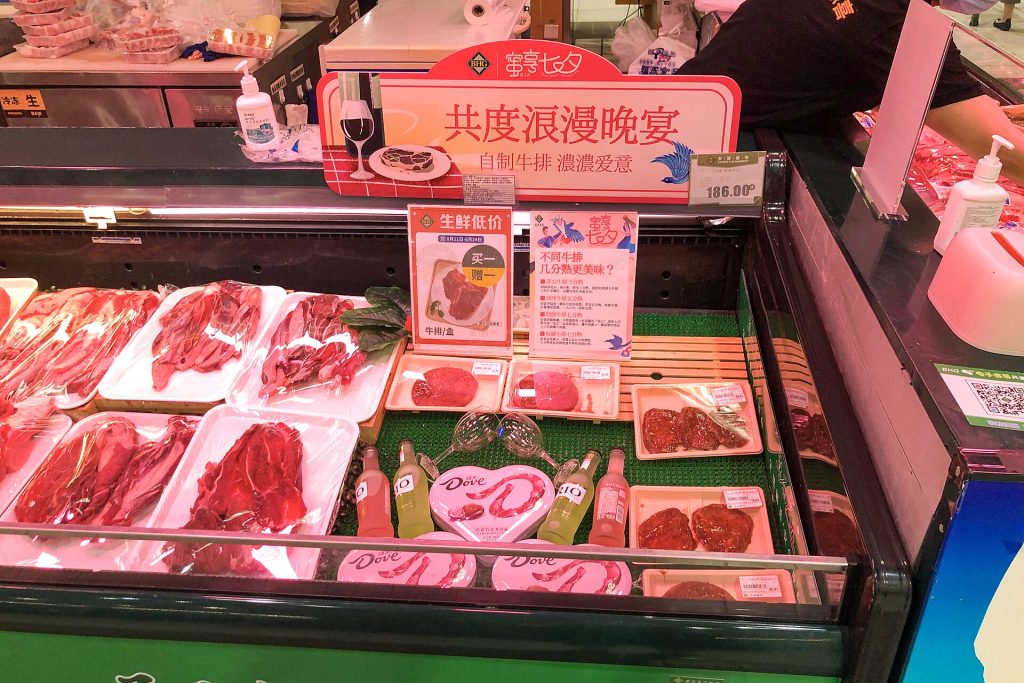
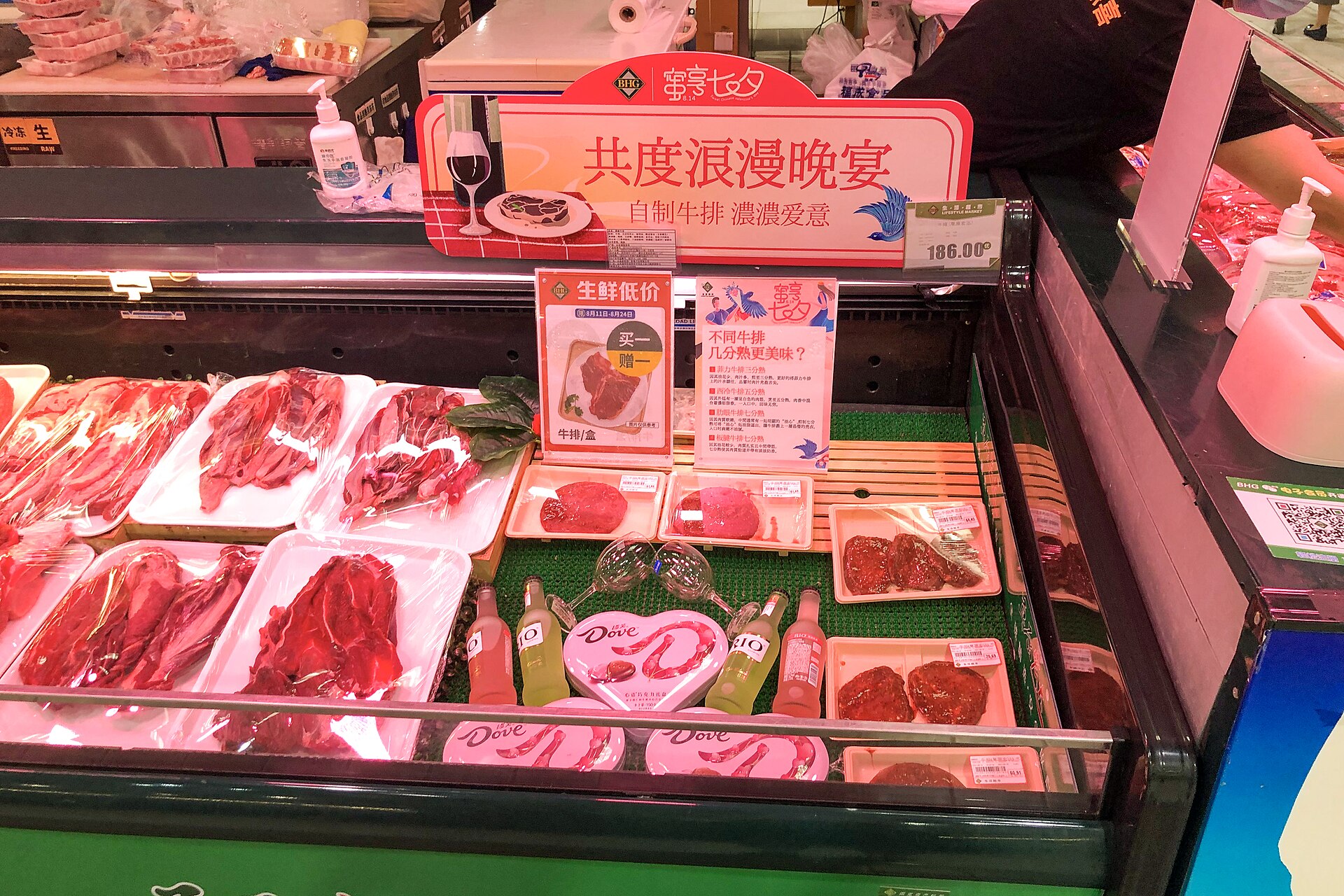
The cicadas in the plane trees along Huaihai Road were already loud by nine in the morning, a steady hiss that rises every July in Shanghai. I was standing in front of a bakery window watching a woman in a silk cheongsam point at a heart‑shaped box of qiaoguo — those fried dough twists dusted with sesame and sugar — while her husband tapped his phone, checking the lunar calendar. That detail matters because it turns a weekday into a three‑day window for couples who still treat the seventh night of the seventh month as their own private anniversary.
What the night actually looks like
Forget the lantern parades you see in tourism brochures. In most neighborhoods the celebration happens on balconies, in courtyard lanes, or at the corner noodle shop that stays open past midnight. Couples order a bowl of cold sesame noodles, share a plate of steamed dumplings, and argue playfully over who gets the last qiaoguo. The air smells of fried oil, star anise, and the faint metallic tang of summer rain on hot asphalt. Young women used to thread needles under moonlight to prove their needlework skill — qiqiao, “beseeching craftsmanship” — but now the ritual has migrated to phone screens: a timed selfie with the Milky Way backdrop filter, a voice note sent at exactly 11:07 p.m., a red‑packet transfer of 5.20 yuan (wǔ èr líng, “I love you”) followed by 13.14 yuan (yī sān yī sì, “forever”).
The legend people still tell
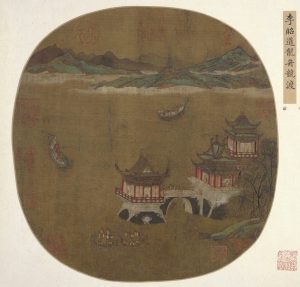
Niulang the cowherd and Zhinü the weaver girl meet once a year on a bridge of magpies across the Silver River. My neighbor Lao Chen, who runs the key‑cutting stall beside the metro entrance, tells the story while he files a duplicate key: the Jade Emperor separated them because a mortal and a fairy could not stay together; their tears became the stars Vega and Altair. He points upward — “Look there, the two bright ones flanking the Milky Way.” On Qixi night, if you stand on the Bund and squint past the LED billboards, you can still pick them out. The tale is old — Han dynasty poems already mention it — but the telling changes. Last year a university student recited a rap version in Mandarin and Shanghainese, and the crowd around the Nanjing Road pedestrian zone clapped like it was a concert.
Food that shows up on the table
Every family has a slightly different menu, but three items appear almost everywhere:
- Qiaoguo (巧果) — crisp fried dough twists, sometimes shaped like tiny bridges, sometimes like flowers. Sweet versions carry sesame and sugar; savory ones hide minced pork and scallion inside.
- Cold sesame noodles (麻酱凉面) — wheat noodles rinsed in ice water, tossed with tahini, soy sauce, vinegar, chili oil, and julienned cucumber. The sauce should cling, not drown.
- Steamed dumplings (蒸饺) — pleated half‑moons filled with pork, shrimp, and water chestnut. A dipping bowl of black vinegar, ginger threads, and a drop of chili oil sits beside the bamboo steamer.
Home method for qiaoguo
- Mix 200 g all‑purpose flour, 1 g salt, 15 g sugar, 30 ml water, and 10 ml vegetable oil into a stiff dough. Rest 30 minutes under a damp towel.
- Roll to 2 mm thickness. Cut into 4 cm strips. Twist each strip three times and pinch the ends to form a loop.
- Heat oil to 160 °C. Fry in small batches until golden, about 45 seconds. Drain on a wire rack.
- While warm, toss in a bowl with 2 tbsp toasted sesame seeds and 1 tbsp powdered sugar. Cool completely before storing in a tin — they stay crisp for three days.
Restaurant ordering tip: Book a table for 7 p.m. at a Shanghainese place like Lao Zheng Xing or a Sichuan hot‑pot spot with private booths. Ask for the “Qixi set menu” — most mid‑range restaurants print a one‑page insert that week. Order the cold noodles first; they arrive fast and cool the palate before the richer dishes. Skip the imported chocolate fondue dessert; the house‑made osmanthus jelly is lighter and fits the season.
Beginner mistakes: Buying pre‑packaged qiaoguo from a convenience store — they taste of stale oil. Assuming every restaurant has a special menu; many small shops don’t. Forgetting cash — some older owners still prefer red‑packet handoffs over QR codes. And showing up at 8 p.m. without a reservation; the good tables vanish by 6:30.
What locals expect from you
If you’re invited to a Chinese friend’s home, bring a small gift: a box of fresh fruit (lychee or longan in season), a tin of good tea, or a handwritten card with a line from the classic poem “Far, far away, the Cowherd star / Bright, bright, the Weaver Girl.” Do not bring red roses — those belong to February 14. Do not joke about the festival being “fake Valentine’s.” The date follows the lunisolar calendar, not the Gregorian one, and that distinction is a point of cultural pride. When the host pours tea, tap two fingers on the table as thanks. Stay past midnight if you can; the belief is that wishes made after the magpie bridge forms carry extra weight.
What a newcomer gets wrong
First, treating Qixi as a single evening. The buildup starts a week early: flower markets on Yan’an Road pile up sunflowers and baby’s breath; jewelry stores engrave matching bands; streaming platforms push limited‑edition drama episodes. Second, thinking it’s only for young couples. Grandparents exchange qiaoguo, parents buy matching thermal underwear for each other, and single friends gather for “anti‑Qixi” hot‑pot where everyone wears black and complains about rent prices. Third, expecting public fireworks. Cities like Beijing and Shanghai banned consumer fireworks years ago; the only flashes come from phone screens capturing the magpie‑bridge AR filter. Finally, ignoring the weather. Late August in the Yangtze Delta means sudden downpours. Carry a compact umbrella — preferably red — and wear shoes that drain fast.
A scene to remember
Last year I stood on the Waibaidu Bridge at 11 p.m., the Huangpu River black except for the reflection of the Oriental Pearl Tower. A couple beside me, both in their seventies, shared a paper bag of warm qiaoguo. The man broke a twist in half, handed the larger piece to his wife, and said something in Shanghainese that made her laugh — a low, familiar sound. No phones, no filters, just the two stars above and the city humming behind them. That’s the festival: not the marketing, not the legend, but the quiet act of choosing each other again on the seventh night of the seventh month.