Navigating mobile connectivity during a trip or extended stay in mainland China requires understanding how data packages work, particularly when your initial data allowance runs low. For international travellers and expats exploring options in November and December 2026, managing a digital plan efficiently avoids unexpected disconnection.
Whether you are trying to extend your current data or looking for calm alternatives when a digital renewal encounters friction, knowing the distinction between tourist data profiles and domestic carrier structures keeps your journey smooth.
Understanding Tourist eSIM Types and Renewal Pathways
Most international visitors use short-term data profiles purchased through global online platforms before departure. These travel eSIMs provide data connectivity without requiring a local mainland phone number.
When you need more data, the renewal method depends entirely on how the profile was originally acquired:
In-App Top-Ups: If your profile was purchased through a major international travel app or online marketplace, you can usually log back into the same account, select a new data package, and apply it directly. The carrier profile remains embedded in your phone, meaning you do not need to rescan a new QR code. Your new data package simply queues or activates once processed.
New Plan Purchase: Some low-cost travel profiles are structured as single-use packages rather than reloadable subscriptions. If the provider’s platform does not support direct in-app renewals, the most seamless path is often purchasing a fresh secondary plan and switching active data lines in your device settings.
To ensure your phone remains fully functional for daily logistics, translation tools, and mapping, check out this guide on eSIM activate before departure to understand how pre-trip installation prevents arrival delays.
Passport Friction and Real-Name Verification Realities
A common point of confusion arises when travellers attempt to use domestic mainland carrier apps (such as China Unicom or China Mobile) to top up or alter data plans.
The Real-Name Mandate: Mainland telecommunications regulations enforce strict Know Your Customer (KYC) protocols. Domestic carrier applications and local direct-to-consumer digital lines require a domestic identity check linked to official credentials.
Foreign Passport Limitations: While major airport service counters or flagship carrier retail branches can register a foreign passport into the national database for a physical SIM card, doing so via foreign apps from a remote location often triggers system friction. Automated recognition software frequently struggles with non-standard international passport formats.
The Workaround: If you prefer avoiding carrier store queues or digital KYC rejections on local apps, stick to international travel eSIM platforms or online travel agencies for top-ups. If you eventually require a local number with voice capabilities, consult official resources on how to buy SIM passport store during your arrival week.
Managing Dual-SIM Setups and Calm Backups
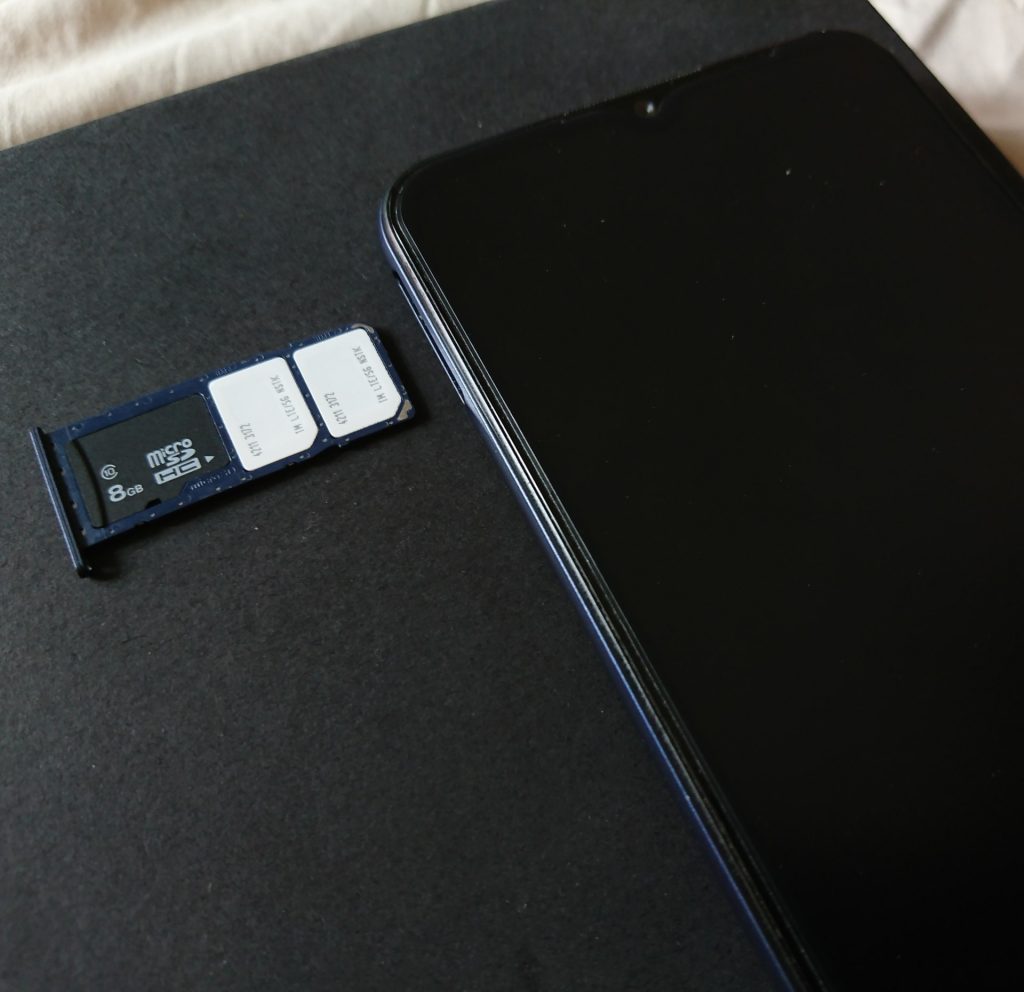
Many expats and long-term travellers maintain their home country SIM active alongside a data profile. This setup lets you receive essential banking SMS messages or emergency calls from home while relying on your travel profile for local data.
Dual-SIM Configuration: Keep your home carrier line active exclusively for incoming texts (verify roaming fees with your home provider first) while designating your travel eSIM as the primary source for mobile data.
Preventing Data Leaks: Ensure that automatic data-switching is turned off in your phone’s cellular settings so your device does not accidentally route traffic through an expensive home roaming line. For a deeper dive into balancing home connectivity with local data, review the advice on dual-SIM keep home number.
Backup Connectivity: If an online top-up fails because of a temporary payment gateway timeout or unstable hotel Wi-Fi, do not panic. Public spaces, major transit hubs, and airports across China offer widespread complimentary Wi-Fi networks that can be accessed to complete a replacement purchase through your travel app.
FAQ
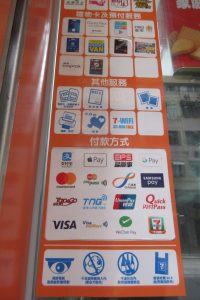
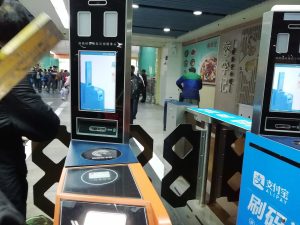
Can I top up my travel eSIM using a local Chinese payment app like Alipay or WeChat Pay?
Yes, if you have linked an international credit card to Alipay or WeChat Pay, you can use those payment methods on international travel platforms that accept them. However, trying to use those wallets inside restricted domestic carrier apps for a tourist eSIM often requires a fully verified Chinese bank account and mainland ID, so sticking to international travel websites is usually more reliable.
What should I do if my data runs out and my app top-up fails?
If an in-app renewal fails due to a network glitch or payment decline, connect to stable Wi-Fi at your accommodation or a nearby transport hub. Open your original booking platform or choose a secondary provider to purchase a fresh digital data package. Because modern smartphones allow multiple profiles, you can install the new plan immediately without losing your device settings.
Do I need to scan a new QR code every time I add more data?
Usually, no. If you are topping up the exact same profile through an app that supports direct reloads, the data is pushed to your existing profile over the air. You only need to install a new profile via QR code if you purchase a completely separate plan from a different provider.
Are tourist data profiles subject to speed throttling after a certain limit?
It depends on the specific package you select. Fixed-data allowances (such as 10 GB or 20 GB for a set period) run at maximum available network speeds until the data is exhausted. Daily unlimited or fair-use plans typically provide a set amount of high-speed data per day before reducing speeds to a lower baseline until the next 24-hour cycle begins. Always check the fine print of your chosen package before checkout.
Related Lovely China reading
For payments, start with Alipay and WeChat Pay hub and WeChat Pay vs Alipay for tourists. For trains, keep high-speed rail first-timers guide and 12306 passport signup for foreigners handy. City hubs: Beijing first-visit guide, Shanghai first-visit guide. Connectivity: roaming vs local SIM honest guide, pocket Wi-Fi vs eSIM for China, offline maps for foreigners. Bookmark China travel tools page.
Practical checklist
- Confirm official rules on the relevant government, park, airline, or bank page near your travel week
- Screenshot bookings, tickets, and QR codes while you still have stable Wi-Fi
- Save hotel and attraction names in Chinese characters in your phone notes
- Carry passport, a backup payment method, and a small cash float (why cash is still needed)
- Test one small mobile payment before you rely on wallets at a gate or taxi
- Keep the China travel tools page page bookmarked for related Lovely China hubs
FAQ
Is this people advice official?
No. Lovely China orients travellers. Verify live rules on official pages, apps, and counters near your travel week.
Will every city behave the same?
No. Airports, stations, parks, and markets differ. Use local signage and staff instructions when they conflict with a general guide.
What should I screenshot before I lose Wi-Fi?
Bookings, tickets, hotel Chinese address, pickup pins, and payment success screens.
Notes for late 2026 travellers
November and early December bring cooler mornings, earlier sunsets, and comfortable walking weather across much of eastern and central China. Pack layers and leave extra time on clear weekends at popular sights.
This article does not invent ticket prices, opening hours, processing times, consular fees, or official statistics. When a number matters, verify it on the official site, app screen, or ticket board near your travel week.
If an official rule page disagrees with this guide, follow the official page. Lovely China orients English-speaking travellers; we are not an immigration, banking, or medical authority.