Day two is when the holiday becomes personal
Today — Friday 2 October 2026 — is day two of Golden Week. National Day was 1 October. Mid-Autumn fell on Friday 25 September (roughly 25–27 September). Ordinary bridge days filled 28–30 September. The holiday runs roughly 1–7 October 2026, makeup Saturday 10 October, per State Council notice 国办发明电〔2025〕7号.
This page is a people guide to what locals do on day two of Golden Week 2026 for English-speaking expats and visitors who want pattern literacy without inventing national statistics. Related: National Day morning in cities, staycation guide, staying home as an expat, asking friends Golden Week plans, what stays open, neighbourhood WeChat notices.
There is no single “local Golden Week”
China is plural. On 2 October, some households are already in hometown courtyards; others never left their city; others are on a second train after a day-one departure. Useful mental model: locals run parallel holidays — travel, staycation, duty, family hosting — in the same metro network. Your job as a foreign neighbour is to recognise the mix, not force everyone into a suitcase stereotype.
Pattern 1: Staycation loops inside the city
Many residents treat day two as a local leisure day:
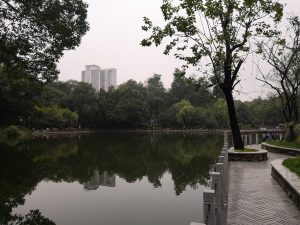
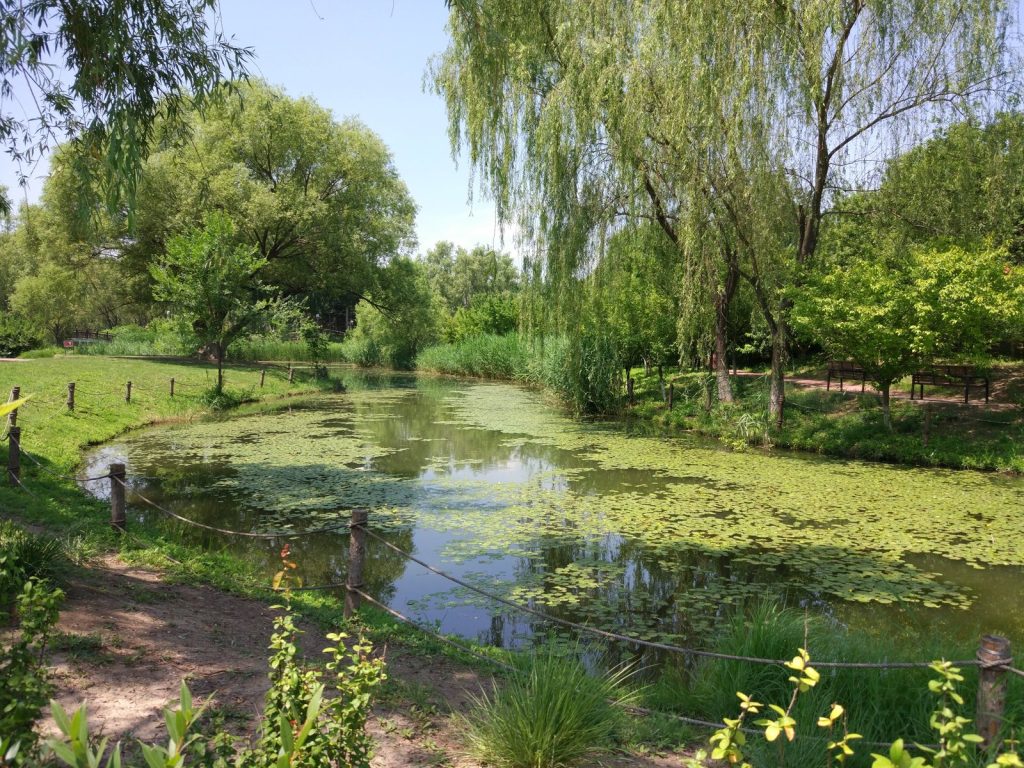
- Parks, riverside paths, and community green spaces
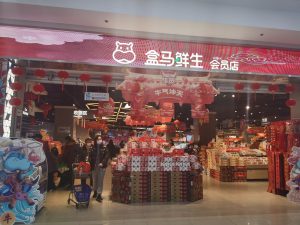
- Malls and cinemas that stay open with holiday hours
- Suburban gardens that are not the national postcard
- Long lunches in districts they usually rush through on weekdays
This is why some compounds feel quieter while tourist hubs still hum — National Day morning, park picnic habits. Expats who copy a staycation often have a kinder week than those who chase every viral destination — crowd avoidance.
Pattern 2: Family visits without leaving the province
Day two can mean:
- Visiting grandparents across town
- Hosting cousins who arrived yesterday
- Driving short intercity hops that are not HSR spectacles
- Grocery runs that restock a full house — supermarket rush eve, expat grocery run
If you are invited into a local home, clear windows help: arrival time, food preferences, whether kids need quiet. “Anytime” is rarely kinder than a concrete hour.
Pattern 3: Second-leg travel and delayed tickets
Not everyone who travels leaves on 1 October. Day two stations and airports still move people — day-two train stations, booking HSR. Locals who finally secured seats may look more rushed than day-one celebratory crowds. Give them queue space. Do not invent that “only tourists travel after National Day.”
Pattern 4: Errands that refuse to pause
Holidays do not cancel adult maintenance:
- Pharmacy and clinic needs — clinic and pharmacy hours
- Bank/ATM edge cases — bank and ATM cash
- Rent/utilities timing around the holiday — paying rent and utilities
- Courier quirks and pickup cabinets — courier delays, express delays
Locals often batch these early on day two before leisure. Foreign neighbours who learn the same rhythm avoid mid-week surprises.
Pattern 5: Duty and hospitality work
Empty-office myths do not cancel hospitals, hotels, delivery, security, or transport. Many locals work through parts of Golden Week — as do many foreigners — foreigners working through Golden Week start, foreign teachers duty. Delivery riders still cut across intersections with holiday honesty — delivery apps. Tip with patience and clear addresses more than with speeches.
Pattern 6: Indoor culture after outdoor day one
Museums, exhibitions, and malls can thicken mid-holiday when outdoor postcard sites feel done — museum crowds mid-Golden Week, museum booking apps. Locals with kids often prefer timed indoor slots to standing in sun queues. Quiet temples remain a refuge for people who want culture without megaphone density — quiet temple refuge.
Pattern 7: Rest, gaming, and deliberate nothing
A large invisible group does… not much. Sleep, shows, games, balcony plants, short walks. That is a legitimate local Golden Week. Expats who feel guilty for resting can borrow that permission — staying home. FOMO is optional; makeup 10 October is not — makeup workday.
How expats can read local day-two culture kindly
Practical neighbour habits:
1. Soft voices in compounds late at night
2. Do not assume every closed shutter means the city is “dead”
3. Ask plans politely once — asking plans
4. Accept “we are visiting family” without demanding an itinerary
5. Share sidewalks with luggage and strollers
6. Follow building notices for trash and guests — neighbourhood WeChat notices
7. Pay with working QR apps — Alipay / WeChat Pay
8. Choose restaurants off-peak when you can — restaurant crowds
What not to invent about “what locals do”
- Exact percentages of people travelling versus staying home
- Claims that every local goes to the same famous mountain
- Fake average spending figures for 2 October 2026
- Advice to enter private compounds to “see real China” without invitation
- Stereotypes that locals never rest or never travel
Pattern literacy is curiosity plus manners, not a fake survey.
Food streets, night markets, and evening energy
Some locals shift leisure to evenings when day heat or day-one fatigue fades — night markets, snack streets, riverside walks. If you join, keep crowd etiquette boring and kind — night market Golden Week evening story, Kaifeng night market autumn walk. Day-two evenings can feel festive without being day-one ceremonial.
Schools, parents, and the kid-shaped calendar
Parents on leave often design day two around children’s energy: parks in the morning, indoor culture later, early dinners. Foreign parents can map school calendars similarly — school calendar Golden Week. Soft empathy for stroller geometry on metros helps everyone — metro etiquette, day-one metro crowds.
Transit habits locals reuse on day two
Many residents still move by metro, bus, bike, or short taxi hops even when they are “not travelling.” Day-two density near hubs can surprise foreigners who expected a ghost city — day-one metro crowds. Locals often leave earlier for family lunches and return before evening peaks. Copy that timing if you share the same corridors.
If your friends are on HSR second legs, their day looks nothing like your park day — day-two train stations. Parallel holidays are normal; comparison is optional.
Evening leisure without a suitcase story
When day heat fades, some locals shift to snack streets, night markets, riverside walks, or malls with late hours. That evening energy is holiday culture too — night market Golden Week evening story. Soft elbows and trash honesty still apply. Expats who treat evening streets as a documentary set miss the quieter joy of being one more hungry neighbour in the line.
FAQ
Do most locals travel on day two? Many do not; many do; corridors differ. Observe your district instead of national myths.
Is day two quieter than National Day? Sometimes in compounds; not always in tourist zones or stations.
Can foreigners join local staycation plans? Often yes when invited; offer clear timing and food preferences.
Should I avoid calling local friends on 2 October? A short polite check-in is fine; long work asks are not.
What if my neighbourhood feels empty? Enjoy the quiet; do not assume the whole city matches your block.
Checklist for reading local day-two life
1. Notice staycation, family, travel, and duty in parallel
2. Soften compound noise and guest habits
3. Batch your own errands early if needed
4. Choose parks/museums with real buffers
5. Ask plans politely; accept short answers
6. Keep payment, meds, and trash logistics boring
7. Leave room on sidewalks for luggage and kids
8. Calendar makeup 10 October before leisure amnesia
Bottom line
What locals do on day two of Golden Week 2026 is plural: staycations, family visits, second-leg trains, errands, duty shifts, and deliberate rest. Read 2 October as personal holidays sharing one city — then move like a neighbour who understands the mix. Lovely China founded 2025 — [email protected] for guide fixes.