The first delivery bag at your door feels bigger than it is
Ordering food delivery in a Chinese city for the first time can feel like a small exam: apps in Chinese, address pins that will not sit still, payment pop-ups, and a scooter rider calling while you are still hunting for the building gate code. Then the bag arrives, the rice is still hot, and you realise the system is ordinary — you only needed one calm run-through.
Early autumn 2026 is a good practice season. Mid-Autumn Festival falls on Friday 25 September 2026 (holiday roughly 25–27 September), with a makeup workday on Sunday 20 September. Golden Week runs roughly 1–7 October, with a makeup workday on Saturday 10 October. Delivery stays available through much of those periods, but restaurant hours and rider wait times shift on festival nights. Skim Golden Week 2026 vs Mid-Autumn if your stay overlaps both.
This story-style guide walks through apps and addresses, payment, tipping norms, building handoff, and how to stay calm when your first order arrives.
What “waimai” actually is
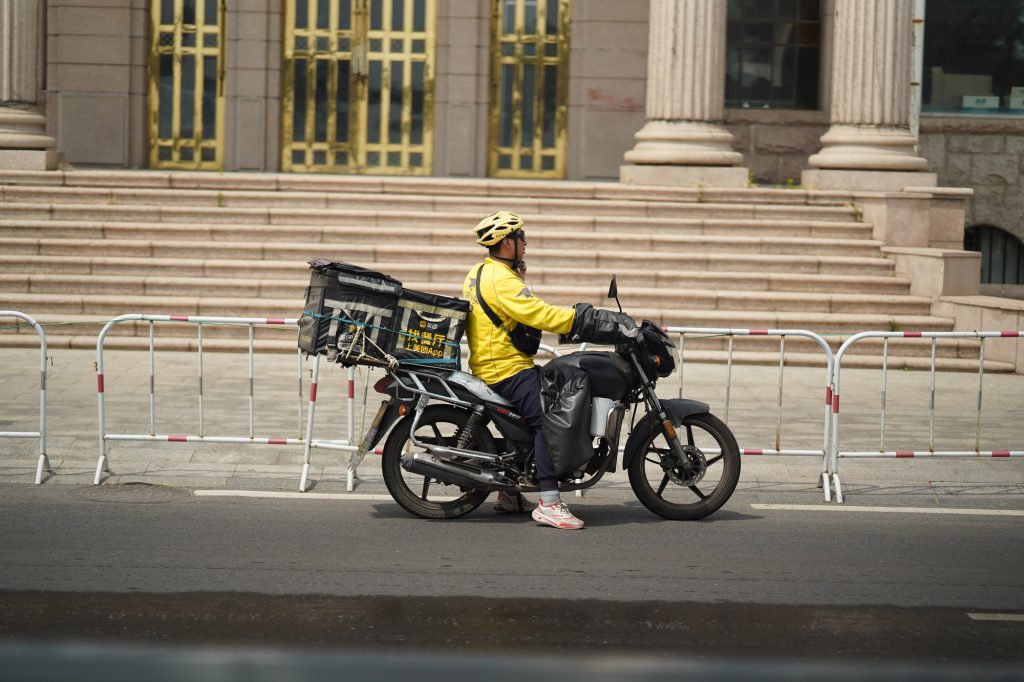
Wàimài (外卖) means takeout / food delivery. In most Chinese cities, major apps connect you to restaurants, rider fleets, and mapped drop-off points. Yellow or blue insulated boxes on electric scooters are part of the streetscape. You order on your phone; a rider brings the bag to your gate, lobby, or door depending on building rules.
You do not need perfect Mandarin for a first order. You do need:
- A working phone number and data
- A payment method the app accepts
- An address pin that matches where you can physically receive food
- Patience for one learning delivery
If you still need connectivity basics, set up China SIM/eSIM for foreign visitors before you attempt a dinner order on hotel Wi‑Fi alone.
Apps, accounts, and the address problem
Getting into an app
Popular platforms vary by city and year, but the pattern is similar: install, register with a phone number, grant location permission carefully, and save an address. Some foreign visitors use a mainland number; others need local help from a hotel front desk or colleague for the first pin.
Translation layers inside apps help, but dish names and building instructions still go sideways. Screenshot Chinese dish names when you find something you like so reorder is easier next time — the same habit that helps with QR menus for foreigners.
Pinning your location
The hardest first-timer step is not the menu. It is the map pin.
1. Stand where you can actually meet the rider if needed (lobby, gate, courtyard).
2. Adjust the pin until the address text matches your building.
3. Add Chinese notes: building number, unit, gate code hint, “call on arrival.”
4. Save the address with a clear label (Home / Hotel / Office).
Wrong pins send riders to the next compound. If your complex has multiple gates, specify which one. Hotel guests should use the hotel’s Chinese address exactly as the front desk writes it — the same precision that helps with hotel check-in on a foreign passport.
Payment without the last-second panic
Bind a working method before you are hungry. Many visitors rely on Alipay or WeChat Pay linked to eligible foreign cards. Complete that setup in daylight using Alipay/WeChat Pay for foreign visitors, then test a tiny order — not a feast — as your first delivery.
At checkout, watch for:
- Delivery fee lines
- Packaging fees
- Coupons that change the total
- A note field for “less spice” or “no coriander” if those matter to you
Pay once, wait for confirmation, and keep the order screen open so you can see rider progress.
Tipping norms (keep it simple)
In everyday Chinese app food delivery, tipping is not the default social rule the way it is in some countries. The app price is the price. Some platforms show optional incentives or weather boosts; those are platform features, not a moral obligation to tip on every order.
Calm approach:
- Pay the app total
- Do not panic about cash tips at the door
- Be polite: “谢谢” and a clear meeting point matter more
- If a platform suggests an optional rider thank-you, choose freely — not from guilt on order one
Kindness is meeting the rider promptly, keeping the phone on, and not making them wait at the wrong gate.
When the rider calls
Your phone may ring with a Chinese number. Common reasons:
- Gate code needed
- Pin is slightly off
- Building does not allow entry past the lobby
- Rider is downstairs and cannot find the unit
You do not need a perfect conversation. Useful fragments:
- “我下楼” — I’m coming downstairs
- “一号门” — Gate number one
- “酒店前台” — Hotel front desk
- Show the address note on your screen if language fails
If you miss the call, open the app chat or call back quickly. Riders are on tight loops; a two-minute reply prevents cancellation drama.
The first bag arrives: stay calm
1. Check the order number / restaurant name on the bag.
2. Thank the rider and close the door before unpacking.
3. Open containers on a table — sauces leak.
4. Confirm you received the main dishes you wanted; apps have a help path for missing items.
5. Eat while hot; take notes on spice level for next time.
Missing chopsticks happen. Keep a cheap set at home. Soup leakage happens; that is why a plate under the bag helps.
If the food is wrong, use the in-app report calmly with photos. Do not argue with the rider as if they cooked the meal — they transported it.
Choosing first orders that forgive mistakes
Good first-delivery categories:
- Rice sets or simple noodle soups
- Dumplings or bao with clear photos
- Familiar chain restaurants near you
- Mild options labelled clearly
Save adventurous mala feasts or complex hotpot delivery for order three, when your address pin is proven. If you already like breakfast classics, a weekend congee or baozi delivery can be an easy daytime test before a dinner rush.
Holiday timing: Mid-Autumn and Golden Week
- Sunday 20 September 2026 (makeup workday): lunch delivery near offices can feel weekday-busy.
- Friday 25 September and ~25–27 September: family dinners rise; some restaurants pause or shorten hours; order earlier than usual.
- ~1–7 October Golden Week: tourist-area restaurants stay busy; expect longer ETAs at peak meal times.
- Saturday 10 October: treat like a weekday for office-district lunch patterns.
For open/closed expectations in the short Mid-Autumn window, keep Mid-Autumn holiday 2026 open/closed nearby.
Delivery is often the calm alternative when restaurant queues look long on festival nights — as long as you order before kitchens wind down.
A one-evening practice script
1. Finish payment app setup in the afternoon.
2. Save your address with Chinese building notes.
3. Order one simple mild meal for one person.
4. Keep your phone volume on.
5. Meet at lobby/gate if the rider calls.
6. Unpack, eat, write three notes: pin accuracy, spice level, reorder dish name.
That single cycle teaches more than reading ten tip threads. The second order will feel ordinary.
What this first order really gives you
Beyond dinner, you gain a city skill: you can stay in when rain starts, recover from a long train day, or feed yourself during a quiet Mid-Autumn night without decoding a full dining room. Scooter bags on the street stop looking mysterious. They look like infrastructure.
Your first food delivery order in a Chinese city does not need to be perfect. It needs a correct pin, a working payment method, a polite handoff, and enough calm to try again tomorrow. After that, waimai becomes what it is for everyone else — a hot bag, a knock or call, and dinner without leaving home.