The minibus from Dandong shudders to a halt beside a row of steamed-bun vendors, steam curling into the crisp morning air. A handful of hikers in lightweight jackets step off, adjusting packs while an elderly woman waves a hand-painted sign for “Phoenix Cave — ten minutes.” The ticket window is a simple booth painted park-green, and within seconds I am holding a crisp receipt for the main gate and a smaller slip for the cave. No turnstiles, no crowds, just a wide gravel path disappearing into a forest of pine and maple.
Getting There
Fengcheng sits about forty kilometers north of Dandong, and the connection is seamless. City buses marked for Fengcheng leave the Dandong long-distance station every ten to fifteen minutes from dawn until dusk; the ride takes roughly fifty minutes and costs pocket change. Get off at the Fengcheng bus terminal, cross the square, and you will see the park’s shuttle minibuses idling near a cluster of noodle shops. They run directly to the main entrance every twenty minutes. If you are driving, the G11 expressway drops you at the Fengcheng exit; follow the brown scenic-area signs for five kilometers up a winding two-lane road to the parking lot at the gate.
Tickets and Transport Inside
The main entrance fee is modest, and the cave requires a separate ticket purchased at the same window. Keep both stubs; rangers check the cave slip at the stairway entrance. Once inside, a fleet of green park shuttles links the gate, the mid-mountain plaza, and the upper cable-car station. A single segment costs roughly the price of a bottled water. The cable car climbs the steepest face in a glass-sided gondola — about fifty yuan one way — and spits you out near the summit ridge. I took the shuttle up, walked the ridge, and rode the cable car down to save my knees for the cave stairs.
Trail Logistics: What to Walk, What to Ride
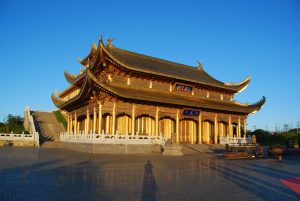
The park spreads across a series of ridges crowned with temples and pagodas. The most efficient loop for a day trip: shuttle to the mid-mountain plaza, visit the cluster of halls there, then follow the stone-flagged ridge trail toward the summit. The path is wide, fitted with iron handrails on exposed sections, and dotted with pavilions every fifteen minutes. From the summit platform the view opens across the Liaodong Peninsula — farmland patchwork, the Yalu River glinting, and on clear days the outline of North Korean hills. A short spur leads to the glass-bottom bridge; the surcharge is small, but the queue builds after ten in the morning. If you prefer solitude, skip the bridge and continue along the ridge to the rear temple, where incense smoke drifts through ancient ginkgo trees.
Phoenix Cave: Lights, Stairs, and Cool Air
The cave entrance sits halfway down the mountain, marked by a red lantern arch. Inside, the temperature drops instantly — bring a light layer. The walkway is metal grating bolted into the rock, lit by colored LEDs that cycle through red, blue, and green, painting the stalactites in surreal hues. It feels more like a stage set than a natural cavern, but the formations themselves are genuine: curtains, columns, and a few massive shields. The circuit takes twenty minutes at a slow pace. Watch your head on the low passages near the exit; the lighting makes depth perception tricky.
Food on the Mountain
The mid-mountain plaza, right beside the cable-car station, hosts a row of open-air stalls. The smell of charcoal-grilled corn on the cob hits you before you see the carts — kernels blackened at the tips, brushed with soy-chili glaze. Vendors also steam buns stuffed with pork and pickled mustard greens, and sell vacuum-packed mountain herbs to take home. There is no full restaurant; bring water and a packet of nuts if you plan a long ridge walk. Trash bins are scarce past the plaza, so pack out wrappers.
Seasonal Rhythm and the Temple Fair
Spring and autumn are the sweet spots. In the third lunar month the hillsides blush with azalea and wild peach; the air is cool, the trails dry. The Mountain Temple Fair arrives in the fourth lunar month — usually April on the solar calendar — when pilgrims and locals flood the main halls, burning paper money, tying red ribbons to the ancient pines, and watching folk opera on a temporary stage. The park swells, shuttle queues stretch, and the cave line can hit an hour. If you want the fair atmosphere, go early and accept the crush. For quiet hiking, aim for late autumn when maple leaves turn the ridges scarlet and the tourist buses thin out. Winter is bitter; ice slicks the stone steps and the cable car sometimes halts for high wind.
Common Missteps
- Buying only the gate ticket and realizing at the cave stairs that the separate slip is required — cash only at the cave kiosk, no mobile pay.
- Wearing smooth-soled sneakers; the stone flags are polished slick by millions of feet, and the cave grating is sharp on thin soles.
- Assuming the summit cable car runs all day; the last down-car departs around four thirty in winter, five in summer. Miss it and you face a steep ninety-minute descent in fading light.
- Skipping the rear ridge temples because the map marks them “minor.” They hold the oldest wood carvings in the park and almost zero foot traffic.
- Leaving trash on the trail. Rangers fine visibly, and the mountain monkeys have learned to unzip open backpack pockets.
One-Day Itinerary Sketch
- 07:30 — Catch the first Dandong–Fengcheng bus.
- 08:30 — Arrive park gate, buy both tickets, board shuttle to mid-mountain plaza.
- 08:45 — Snack on grilled corn, visit the mid-slope temple cluster.
- 09:30 — Hike the ridge trail toward summit (ninety minutes round-trip with photo stops).
- 11:30 — Optional glass bridge, then cable car down to cave entrance.
- 12:00 — Phoenix Cave circuit.
- 12:30 — Shuttle back to gate, grab a bowl of hand-pulled noodles in Fengcheng town.
- 13:30 — Return bus to Dandong.
Fenghuangshan rewards the traveler who treats it as a half-day hike with a cultural spine rather than a checklist of sights. The temples are active — monks chant in the morning, incense curls at noon — and the geology is genuine beneath the light show. Bring sturdy shoes, a wind layer, and a willingness to walk past the first pavilion. The mountain opens up the higher you go.