The minibus shuddered to a halt on a cracked concrete apron overlooking the strait. Salt spray hit the windshield before the wipers could clear it. Ahead, the ferry to Meizhou Island sat low in the water, its blue hull rust-streaked at the waterline. An old woman in a faded floral jacket shoved a woven sack of dried squid under the metal railing, muttering to the deckhand in a dialect that swallowed the ends of every word. I adjusted my backpack straps and followed the flow of flip-flops and rolling suitcases toward the gangway, the smell of diesel and brine thick in the morning air.
Getting There and Moving Around
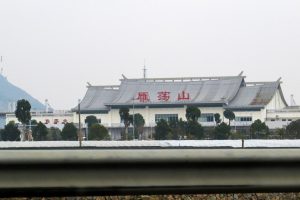
Putian sits on the Fujian coast, roughly halfway between Fuzhou and Xiamen. The high-speed rail station, Putian Station, is a clean, modern box on the northern edge of the city. Trains from Fuzhou take forty minutes; from Xiamen, just over an hour. Once you step onto the platform, the taxi queue is aggressive — drivers lean out windows shouting destinations before you clear the turnstiles. A ride to the city center costs about thirty yuan if you insist on the meter.
For the islands, you need the ferry terminals. The main one for Meizhou is at Wenjia Wharf, a twenty-minute drive from the station. Boats run roughly every half hour from dawn until dusk, more frequently during the third lunar month when the birthday pilgrimage swells the crowds. Buy the ticket at the window with your passport; the round-trip slip is a flimsy pink card you must not lose. On the island, electric carts wait at the dock. Negotiate a flat rate for a half-day loop before you climb in — eighty yuan usually covers the main temples and the lighthouse road.
Meizhou Island: The Mazu Circuit
The island is small enough to walk end to end in a day, but the heat and the stairs make the carts worth it. The Ancestral Temple sits at the foot of a stone staircase that climbs the hill behind the harbor. Incense coils hang from the eaves, burning slow and thick. Inside, the statue of Mazu faces the sea, her robes painted in lacquered red and gold. Pilgrims kneel on the polished stone, pressing foreheads to the floor in sets of three. A volunteer in a red vest hands out numbered tickets for the blessing ritual — wait times can stretch to two hours on festival weekends.
Further up the ridge, the Goose Tail Goddess Temple is newer, larger, and built for the tour groups. Its courtyard holds a bronze drum the size of a bathtub. Strike it once with the mallet provided; the vibration hums in your chest. The view from the platform takes in the wind farm on the far ridge, white blades turning slow against the grey-green water. Down the coast, the lighthouse road cuts through scrub pine and cactus. The lighthouse itself is a white cylinder with a red lantern room, closed to climbers, but the path beside it leads to a tide pool where hermit crabs scuttle over anemones.
Mainland Putian: Jiuli Lake and the Old Streets
Back on the mainland, Jiuli Lake sits in the hills thirty kilometers northwest of the city. The name means Nine Carp Lake, though you’ll see more plastic paddle boats than fish. The scenic area is a string of reservoirs linked by plank roads and stone bridges. Weekends bring families with picnic mats and portable gas burners; weekdays you might have a pavilion to yourself. The water is tea-brown from tannins, cold even in summer. A trail climbs past a waterfall that drops thirty meters into a fern-choked gorge — slippery moss on the steps, so wear shoes with grip.
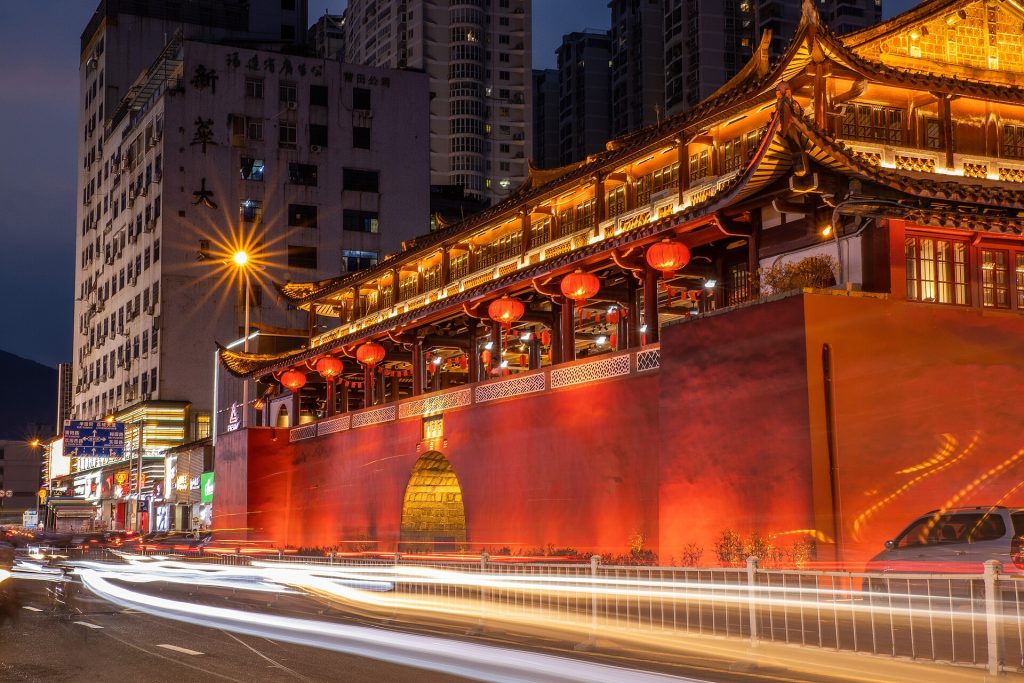
In the city center, the old lane behind the Confucian Temple has escaped the wrecking ball so far. Wooden shutters hang askew on two-story shophouses. An elderly tailor measures a bolt of blue cotton on a sidewalk table, his chalk line snapping sharp against the fabric. Next door, a woman steams bamboo tubes of glutinous rice wrapped in lotus leaf — the scent is nutty, sweet, steam curling into the alley. No English menus. Point, pay five yuan, eat standing at a plastic stool.
What to Eat: Sea, Starch, and Sugar
Putian cuisine leans on the strait: clams, oysters, razor shells, and the small silver fish called yinzi that are dried into brittle sheets. The signature dish is mianxian hu — wheat vermicelli in a milky broth boiled from pork bones and dried scallops. It arrives in a wide porcelain bowl, the noodles white and slick, topped with a spoonful of fried shallot oil and a scatter of cilantro. You eat it with a flat ceramic spoon and chopsticks, slurping the broth before the noodles soften into mush.
- Broth base: pork femur bones, dried scallops, dried shrimp, ginger slices, scallion knots — simmer four hours, skim grey foam.
- Noodles: thin wheat vermicelli (mianxian), soaked five minutes in warm water, drained.
- Toppings: fried shallot oil, chopped cilantro, white pepper, a dash of fish sauce.
- Method: ladle boiling broth over noodles in bowl, add toppings, serve immediately.
Another staple is bianrou, wontons with wrappers so thin they turn translucent in the soup. The filling is pork pounded to a paste with sweet potato starch, giving it a springy bite. Order a bowl “dry” (gan ban) and the kitchen tosses the cooked wontons in soy sauce, sesame oil, minced garlic, and chili oil — no broth. For a snack, look for caibing, a pan-fried turnover stuffed with chives, dried radish, and egg. The crust should blister black in spots; the inside steams hot enough to burn the roof of your mouth.
Dessert is guangbing, a sesame-crusted biscuit the size of a palm. Legend says Qi Jiguang’s soldiers baked them on their shields during the Ming dynasty. Today they come plain, with pork floss, or stuffed with red bean paste. Buy them warm from a street oven — the paper bag greases through at the bottom.
Festival Timing and Temple Etiquette
The third lunar month — usually April or May — is Mazu’s birthday. The island population triples. Ferries run all night. Hotels on Meizhou book out weeks ahead; mainland rooms double in price. If you come then, bring patience and a rain jacket. The procession winds through the harbor streets: palanquins borne on shoulders, firecrackers cracking underfoot, a brass band playing suona horns that sound like wounded geese. Locals set up altars on sidewalks with towers of fruit, roast pig, and pyramids of incense. Do not step over the offerings. Do not point at the deity statues. Photography is allowed outside the main halls; inside, keep the phone in your pocket.
Outside festival season, the temples are quiet by mid-morning. The caretakers sweep ash from the braziers. You can light a stick of incense — three sticks, held between both palms, raised to forehead height, then planted in the sand. Bow three times. No one watches, but the rhythm matters.
Common Missteps
First-time visitors often treat Meizhou as a half-day trip. They catch the 9 a.m. ferry, rush the Ancestral Temple, eat a mediocre lunch at the dock restaurant, and catch the 2 p.m. return. They miss the tide pools, the wind farm ridge, the fisherman mending nets on the west pier at sunset. Stay the night in a family guesthouse — a clean room with a balcony overlooking the strait costs around 150 yuan. Wake early, walk the coastal path before the carts start their engines.
Another mistake: assuming the shoe markets are a tourist attraction. The wholesale centers on Chengxiang Road are vast, fluorescent-lit warehouses where buyers from Jakarta and Lagos argue over container loads. You can walk the aisles, but no one will sell you a single pair at wholesale price. If you want shoes, go to the retail mall near the high-speed rail station. The selection is the same; the prices are marked.
Finally, don’t ignore the dialect. Putianhua is mutually unintelligible with Mandarin. Taxi drivers, street vendors, and ferry staff may not understand standard Chinese numbers. Write your destination in characters. Carry a screenshot of your hotel address. Learn the hand gestures for one through ten — they differ from the Beijing set. A clenched fist with thumb extended means six here, not ten.