The minibus shudders to a halt on a hairpin above the Mekong, engine ticking in the thin air. Below, the river cuts a brown slash through cliffs dusted with early snow. A woman in a wool apron hands me a steaming tin mug of butter tea through the window — salt, yak butter, a pinch of tsampa — and waves me toward the town spread out on the river terrace. This is Qamdo, the old capital of Kham, where the road from Sichuan finally levels out and the real plateau begins.
Getting There: The Road Is the Destination
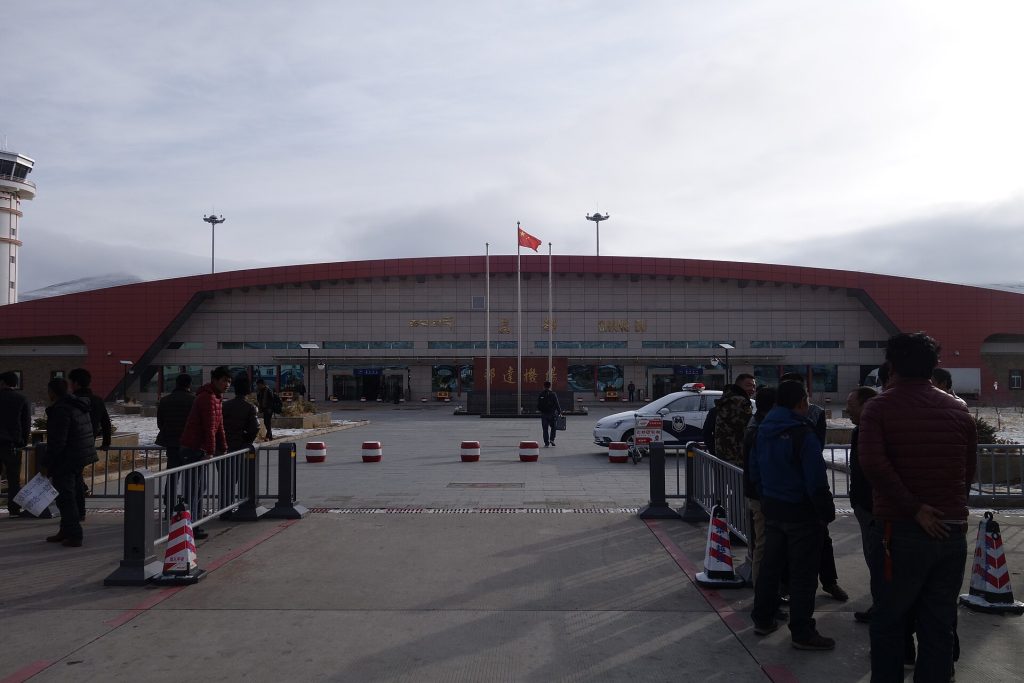
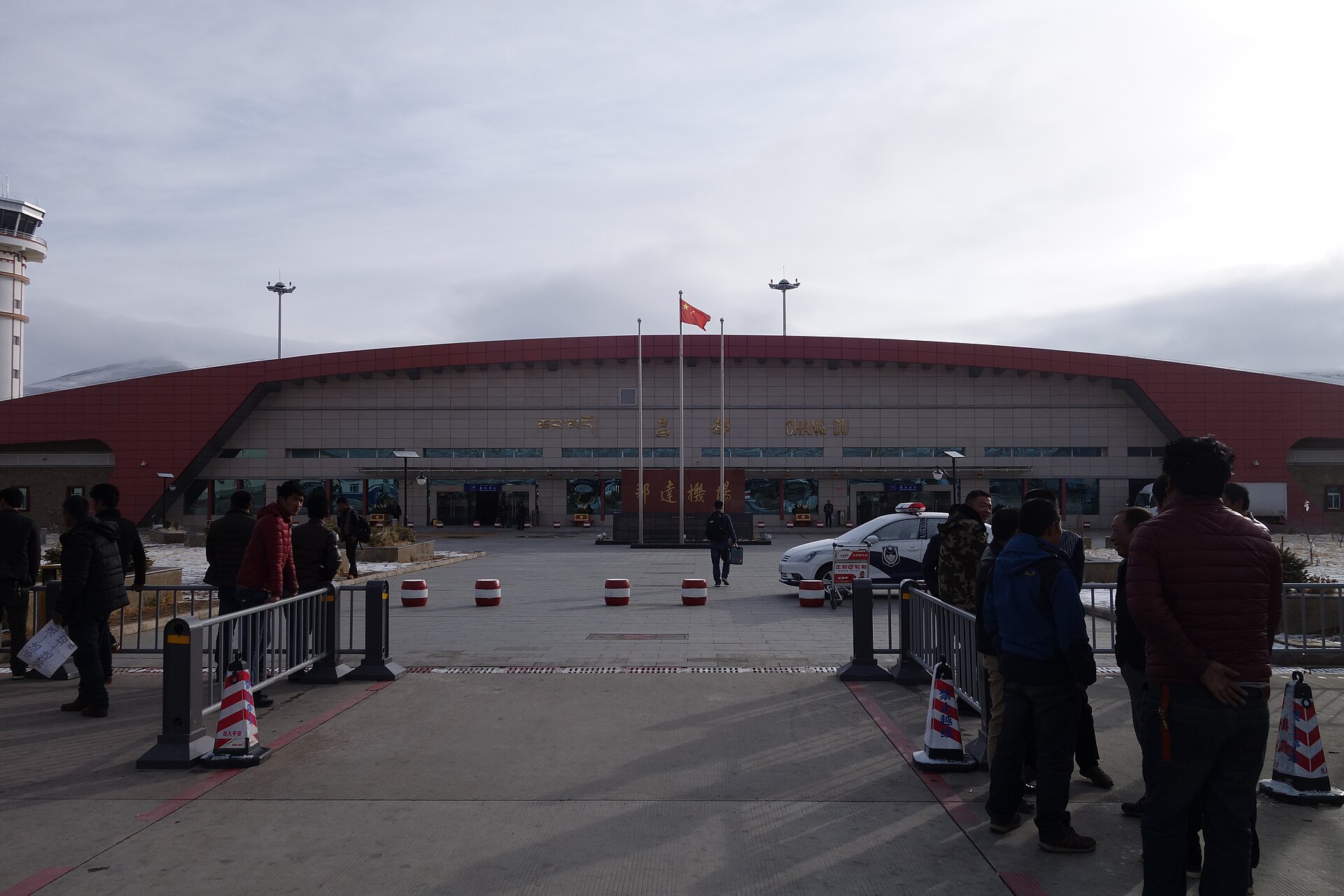
Most foreigners arrive overland from Chengdu or Kunming. The G318 Sichuan–Tibet Highway runs through the Hengduan Mountains, a sequence of passes that top 4,500 meters. In the dry season — late autumn through early spring — the pavement holds and the views open onto glacier caps and rhododendron forests. During the summer monsoon, landslides close stretches for days; buses stack up at army checkpoints while soldiers clear mud with shovels. Flights land at Bangda Airport, perched at 4,334 meters on a plateau an hour’s drive from town. The runway is one of the world’s highest, and the approach threads between peaks that scrape the clouds. Book the earliest morning slot; afternoon wind shear grounds half the inbound jets.
- Chengdu to Qamdo by bus: two nights, one day, tickets sold at Xinnanmen Station.
- Kunming to Qamdo: longer, flatter, fewer checkpoints.
- Bangda Airport shuttle: leaves the terminal when the flight lands, drops at the Transport Bureau compound in town.
Moving Around: Feet, Tractors, and Shared Vans
The old town clusters along the river’s north bank, narrow enough to cross in twenty minutes. Stone alleys climb to the monastery hill; motorbikes cannot make the sharp turns. For the outer monasteries — Jampaling, Karma Gon, Riwoche — shared vans leave from the square in front of the Transport Bureau when they fill. Drivers wait for eight passengers, then gun the engine up the valley. No schedule, no tickets. If you miss the last return van, a tractor hauling barley sacks will take you back for a few yuan and a thermos of tea. Taxis cluster near the main hotel; agree on the fare before the door shuts. Meters do not exist.
What to See: Monasteries That Remember Every Hand
Jampaling Monastery sits on the ridge above the confluence of the Mekong and the Ngom Chu. The assembly hall smells of juniper smoke and melted butter. Monks debate in the courtyard at 3 p.m., clapping hands to punctuate logic. The murals — mineral pigments on mud plaster — have not been restored; flakes fall when the wind rattles the windows. Karma Gon, farther up the valley, holds a sand mandala that takes three weeks to build and one ceremony to sweep away. Ask the keeper for the key to the upper chapel; he keeps it on a cord around his neck. Riwoche, three hours north, preserves a 13th-century bronze stupa said to contain a tooth of the Buddha. Pilgrims circle it prostrating, forehead to stone, counting circuits on mala beads.
- Jampaling: open sunrise to dusk, donation box at the gate.
- Karma Gon: request the mandala viewing time the day before.
- Riwoche: hire a driver for the round trip; the road climbs to 4,800 meters.
What to Do: Walk the River, Drink the Tea, Listen to the Radio
Follow the riverside path upstream past the suspension bridge. Herders graze dri — female yaks — on the floodplain; their bells mark the rhythm of the afternoon. Stop at a canvas tent where an old woman roasts barley over a dung fire. She grinds it between two stones, pours hot water, churns the mixture with a wooden plunger. The tea is thick, salty, warming. Sit on a log, watch the sediment settle. Locals carry portable radios tuned to the Tibetan service; the announcer’s voice rides the wind, reading weather for the high passes. In the evening, the square fills with dancers. No stage, no tickets — just a circle, a drum, and steps passed down from the winter festivals.
Eating and Sleeping: Yak, Noodles, and a Hard Bed
Breakfast is thukpa — hand‑pulled noodles in broth with shreds of dried yak meat, a spoonful of chili oil, and a handful of cilantro. Lunch: momos steamed in a tiered bamboo basket, served with a tomato‑garlic dip. Dinner often arrives as a communal hot pot — yak rib, potato, daikon, dried cheese curds — simmered over a charcoal brazier on the table. Vegetables come from the valley floor: spinach, turnip greens, wild onions. Alcohol is barley wine, served warm in ceramic bowls. Refuse the first pour; the host will insist, and the second bowl seals the gesture.
- Thukpa: boil noodles 90 seconds, ladle broth, top with meat and chili.
- Momos: fold dough around minced yak, onion, ginger; steam 12 minutes.
- Hot pot: layer ribs, root vegetables, cheese; simmer until meat falls off bone.
Guesthouses cluster near the Transport Bureau. Rooms have wooden floors, heavy quilts, a shared squat toilet down the hall. Hot water runs from a solar tank on the roof — use it before sunset. The owner will wake you at 5 a.m. with a thermos of tea if you ask the night before. No elevator, no Wi‑Fi in the rooms; the lobby has a single cable that works when the generator runs.
What Newcomers Get Wrong
They arrive in summer expecting green meadows and find mudslides blocking the road for a week. They drink the first bowl of barley wine in one gulp and spend the afternoon dizzy on the monastery steps. They photograph monks mid‑debate without asking; the abbot closes the courtyard gate. They pack light jackets and freeze when the temperature drops ten degrees after dark. They try to withdraw cash from the single ATM on the main street — it swallows cards during the lunar new year holiday. They assume the shared van leaves at the posted time; it leaves when the driver’s cousin finishes loading barley sacks.
Qamdo does not perform for visitors. It moves at the pace of the river, the barley harvest, the prayer wheel. Stay long enough to learn the rhythm — one more cup of butter tea, one more circuit of the stupa — and the town will let you in.