
The minibus hissed to a halt beside a concrete pier where the water smelled of pine and cold stone. Morning mist clung to the peaks of the nearest islands, turning them into gray silhouettes against a pale sky. A vendor in a blue apron was already scaling a fish the length of my forearm on a wooden board, the *thwack* of her cleaver sharp in the quiet. I had imagined a theme park — ticket gates, loudspeakers, queues. Instead, I found a working reservoir where the islands are just the tops of drowned mountains, and the people living on the shore still build their days around the water level.
Getting There Without the Hassle
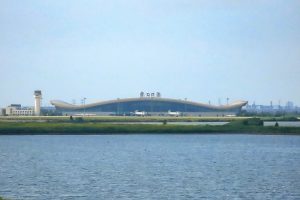
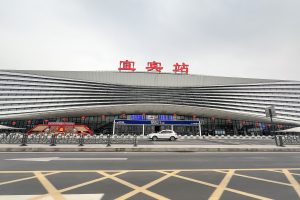
The bullet train from Hangzhou East deposits you at Qiandaohu Station in roughly sixty minutes. Exit the station and you will see a rank of taxis and a row of green public buses — the 201 and 202 lines — that run to the main tourist wharf at Shilin. A taxi takes twenty minutes and costs about the price of a decent lunch; the bus takes forty and costs pocket change. If you are driving from Hangzhou, the Hangxinjing Expressway cuts through tea hills and bamboo stands. The toll booths are electronic now, so keep a charged phone or an ETC tag handy. Weekend mornings in the autumn harvest season can back up at the Chun’an exit, so leave before the sun clears the ridgeline if you want to beat the convoy of tour buses.
Moving Between Islands
There is no single hop-on-hop-off ferry loop. The lake operates more like a scattered archipelago of private docks. Most visitors base themselves at one of three hubs: the central Shilin wharf for the big sightseeing boats, the quieter Qiandao Lake Town pier for speedboats to the outer islands, or the Nongfu Spring visitor center dock if you booked a package through the water company. Buy a two-day cruise pass at the Shilin ticket hall if you plan to hit Monkey Island, Snake Island, and the Lock Island viewpoint in one go. Single-ride tickets are sold per route, not per distance, so ask the window clerk for the “round-trip to Monkey Island” rather than a generic fare. Speedboats leave when full — usually eight to ten passengers — so you may wait twenty minutes at midday but forty at dusk. Bring a windbreaker; the wake on open water cuts through a cotton hoodie in minutes.
What to See: Animals, Views, and One Good Walk
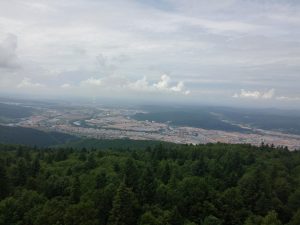
Monkey Island sounds like a gimmick until you watch a macaque unzip a tourist’s backpack and extract a packet of dried mango with surgical precision. The animals are fed at 10 a.m. and 3 p.m. near the main pavilion; arrive fifteen minutes early and stand behind the yellow rope. Keep sunglasses on your face, not your head. Snake Island is quieter — glass-fronted enclosures housing banded kraits and pit vipers behind thick glass. The real draw there is the observation tower: a spiral staircase up a concrete core to a platform where the lake fans out in fractal fingers. On a clear day you can count forty islands before the haze swallows the rest. For a stretch of legs, skip the cable car up Meifeng Peak. Take the stone steps from the back of the Meifeng parking lot — four hundred meters of uneven risers through camphor trees. At the summit, a tea vendor pours hot water over loose leaves in a glass cup. Drink it while the wind flattens the mist across the water.
Jiulong Brook Rafting: Wet, Cold, and Worth It
The put-in sits thirty minutes by minibus from the lake shore, up a valley where the stream drops over bedrock ledges. You change into a provided wetsuit, helmet, and life jacket in a tiled changing room that smells of chlorine and damp neoprene. The course runs two kilometers: Class II rapids, a few splash chutes, and one deliberate “washing machine” hole where the guide spins the raft three times. You will get soaked. The water comes off snowmelt in the high valleys; even in late spring it numbs fingertips in seconds. The outfitters sell dry bags at the counter, but a heavy-duty zip-lock from a supermarket works fine for a phone and wallet. At the take-out, a fleet of shuttle vans waits. Hot showers exist but the water pressure is a trickle. Pack a microfiber towel, a full change of clothes including socks, and a plastic supermarket bag for the wet wetsuit. Lunch afterward is usually a tray of fried river fish, garlic greens, and steamed buns at a canteen beside the parking lot — cash only, small bills.
Eating: Fish Head Soup and the Rest
The signature dish arrives in a wide clay pot the size of a steering wheel. The broth is milky white, thickened by collagen from the bighead carp skull simmered since dawn. Tofu skin knots, bamboo shoots, and pickled mustard greens float beneath a slick of ginger-scallion oil. You do not drink the broth first. Use the serving spoon to lift the cheek meat — tender, sweet, falling off the cartilage — onto your rice bowl. Sip the broth after. Restaurants along the Shilin promenade cater to tour groups; the portions are smaller and the broth thinner. Walk two blocks inland to the alley behind the Chun’an County Hotel. A row of family kitchens there serves the same soup with double the fish head for half the price. Order “yu tou tang” and point to the live tank if you want to verify the weight. Avoid the “whole fish steamed” special unless you see the gills bright red; frozen stock turns the flesh mushy.
- Home-style Fish Head Soup (serves 4)
- 1 bighead carp head, 1.5–2 kg, gills removed, split lengthwise
- 2 L water, brought to a rolling boil
- 30 g ginger, smashed; 2 scallions, knotted
- 150 g firm tofu, cut into triangles
- 100 g dried bamboo shoots, soaked overnight and sliced
- 50 g pickled mustard greens (xuelihong), rinsed
- 2 tbsp Shaoxing wine
- White pepper and salt to finish
- Step 1: Blanch the fish head in boiling water for 30 seconds. Rinse under cold tap to wash away blood foam.
- Step 2: Return to clean pot with fresh boiling water, ginger, scallion, wine. Simmer uncovered 40 minutes until broth turns opaque.
- Step 3: Add tofu, bamboo, pickles. Simmer 10 minutes. Season. Serve in pre-heated clay pot.
Sleeping: Lakeside Rooms and Island Cabins
The big resorts — InterContinental, Sheraton, and the local Tachee Island Holiday Hotel — sit on peninsulas with private docks. They charge a premium for the view and a breakfast buffet that includes both congee and croissants. If you want quiet, book a lakeside room facing west; the sunrise paints the islands gold, but the morning tour boats churn past at 8 a.m. sharp. For something smaller, take a speedboat to Meifeng Island or Huangshanjian Island. A handful of family-run guesthouses there rent rooms in converted farmhouses: tiled floors, mosquito nets, a shared courtyard where the host dries persimmons on bamboo trays. No elevator, no English menu, but the host will row you to the best crabbing rocks at low tide. Bring cash; WeChat Pay works but the signal drops in the coves. Book three weeks ahead for the Mid-Autumn Festival week — every bed within twenty kilometers fills up.
Mistakes That Waste a Day
First, assuming the lake is a circle you can drive around. The shoreline fractures into fingers and bays; a full loop by car takes six hours of hairpin turns with few pullouts. Pick one sector per day. Second, buying the “VIP cruise” ticket from a tout at the train station. It is the same boat the public ticket buys, just with a padded seat cushion. Buy at the official window. Third, wearing flip-flops on Monkey Island. The paths are steep concrete ramps slick with algae and monkey droppings. Closed shoes with grip. Fourth, expecting English signage on the outer islands. The maps at the docks are Chinese only. Screenshot the Chinese names of your target islands — 猴岛, 蛇岛, 梅峰, 锁岛 — before you leave the hotel Wi-Fi. Fifth, skipping the Nongfu Spring visitor center because it sounds like a factory tour. The exhibition hall explains the geology of the drowned valleys with a relief model that makes the island layout finally make sense. Plus, the tasting bar pours chilled mineral water from three different aquifer depths. The difference is startling.