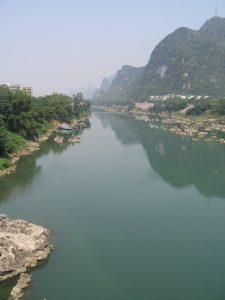
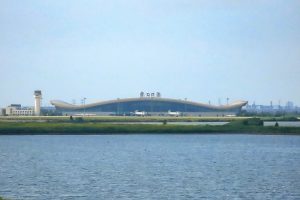
The train hisses to a halt at Qianjiang Railway Station just as a veil of mist lifts off the Wuling peaks. On the platform, a vendor lifts the lid of a bamboo steamer and the scent of smoked pork and rice flour rolls into the cool air. An elderly woman in a silver‑headdressed Tujia jacket adjusts her load of firewood and nods toward the exit. You step down onto the concrete, pull your pack tighter, and the city folds around you — narrow alleys, a river the color of jade, and mountains that seem to lean in to listen.
Getting There and Moving Around
Most travelers arrive on the high‑speed line that slices through the karst from Chongqing North. The ride lasts about two and a half hours; seats are comfortable, and the windows frame limestone cliffs that flash by like pages of a scroll. If you prefer wheels, long‑distance coaches leave from Chongqing’s Chenjiaping and Nanping stations every hour or so — expect a four‑hour journey on winding mountain highways. Once in Qianjiang, the downtown core is walkable, but the scenic spots sit 10 to 30 kilometers out. Taxis cluster near the station and the main square; a ride to Zhuoshui Ancient Town costs roughly 40 yuan. For full flexibility, rent a car in Chongqing and drive the G65 expressway — parking lots at the major sites are paved and free.
- High‑speed train: Chongqing North → Qianjiang, 2.5 hrs, frequent departures.
- Coach: Chenjiaping or Nanping bus station → Qianjiang, 4 hrs, hourly.
- Self‑drive: G65 expressway, 260 km, 3.5 hrs from central Chongqing.
- Local transport: taxis, ride‑hail apps, and a handful of public buses linking the district center to Zhuoshui, Xiaohe, and Apen.
When to Show Up
The district sits in a subtropical monsoon belt, so summers are warm and wet, winters crisp but rarely bitter. The sweet spot falls in the third and fourth lunar months — peach blossoms dust the hills pink and the river runs clear. Autumn, around the ninth lunar month, paints the maples scarlet and the air turns dry enough for long hikes. Late spring brings the Tujia “Sheba” festival; villages erupt in drum circles and bamboo‑pole dancing. Avoid the first lunar month if you dislike crowds — domestic tourists flood the ancient towns for the New Year holiday.
Where to Sleep
In the district center, a clutch of mid‑range hotels lines Renmin Road — clean rooms, reliable hot water, and English‑speaking front desks at the bigger chains. For atmosphere, book a courtyard guesthouse inside Zhuoshui Ancient Town: wooden lattices, stone courtyards, and the sound of the Apeng River lapping the steps. Rates climb during festival weeks, so reserve early. Budget travelers can find dorm beds in hostels near the railway station; they’re basic but safe, and the owners often share homemade pickles at breakfast.
Core Sights and How to Experience Them
Start with Zhuoshui Ancient Town. The main lane follows the river, flanked by stilt houses with overhanging balconies. Morning light gilds the upturned eaves; by noon the lane fills with the clatter of mahjong tiles and the aroma of chili oil. Climb the stone steps to the Bell Tower for a panorama of terracotta roofs stitched into the mountains. Allow two hours to wander, sip tea at a riverside teahouse, and watch a Tujia weaver shuttle indigo thread.
Next, head 18 kilometers southwest to Xiaohe Ancient Town. Smaller, quieter, and perched on a horseshoe bend of the river, it feels like a film set left behind. The highlight is the covered bridge — locals still cross it with baskets of greens. Walk the alley behind the bridge to find a workshop where artisans hammer silver into Miao‑style necklaces. You can try your hand at stamping a simple pattern; the master charges a modest fee for the lesson and the finished piece.
For raw nature, drive to Apen Karst Scenic Area. The road climbs through bamboo groves to a plateau where sinkholes yawn like forgotten wells. A wooden boardwalk descends into the largest, Tiankeng, where ferns cling to vertical walls and a subterranean stream echoes. The loop takes ninety minutes at a leisurely pace. Wear shoes with grip — limestone stays slick after rain. Pack water; the only vendor sits at the entrance selling instant noodles and soda.
- Zhuoshui Ancient Town: stilt houses, Bell Tower, riverside tea, Tujia weaving demo.
- Xiaohe Ancient Town: covered bridge, silver‑smith workshop, quiet alleys.
- Apen Karst: Tiankeng sinkhole boardwalk, bamboo forest drive, 1.5‑hr loop.
Food on the Ground
Every meal here starts with smoked pork — fatty strips cured over pine branches until the meat turns ruby and the fat translucent. It arrives sliced thin, stir‑fried with garlic shoots or steamed with glutinous rice flour. The second staple is sour fish soup: river fish simmered with pickled chilies, tomato, and wild peppercorn until the broth sings sour‑spicy. Order it in a clay pot at any family restaurant in Zhuoshui; the ceramic holds heat so the broth stays rolling at the table.
Breakfast means rice‑flour rolls stuffed with minced pork, pickled mustard greens, and a spoonful of chili oil. Vendors steam them in tiered bamboo baskets; grab a pair, dip in vinegar, and eat standing at the counter. For a snack, seek out “ciba” — pounded glutinous rice cakes grilled over charcoal, brushed with honey and sesame. They crackle on the outside, stretch like mochi within.
- Smoked pork: cure pork belly with salt, Sichuan pepper, and pine smoke for 7 days; slice and stir‑fry or steam with rice flour.
- Sour fish soup: simmer river fish, pickled chilies, tomato, wild peppercorn, ginger; serve in clay pot.
- Rice‑flour rolls: mix rice flour slurry, steam thin sheets, fill with minced pork, pickled greens, chili oil.
- Ciba: pound cooked glutinous rice, shape cakes, grill over charcoal, brush honey and sesame.
Culture, Etiquette, and Common Missteps
Qianjiang is a Tujia and Miao autonomous district. When you enter a village home, step over the threshold — never on it. If a host offers rice wine in a horn cup, accept with both hands, sip, and return the cup; refusing outright can seem rude. During festivals, you’ll see bronze drums carried in processions. Ask before photographing the drummers up close; some elders believe the camera steals the drum’s spirit. In markets, bargaining is expected for handicrafts but not for food. A smile and a few words of Tujia greeting — “Ya sai” for hello — open doors faster than Mandarin alone.
Newcomers often try to cram all three major sites into one day. The mountain roads demand patience; rush and you’ll miss the mist rising from the river at dawn, the sound of a loom in a back alley, the taste of broth that has simmered since midnight. Slow down. Stay a night in a stilt‑house guesthouse. Wake to roosters and the gurgle of the Apeng. That rhythm — not the checklist — is what stays with you after the train pulls away.