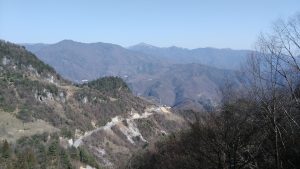
The minibus hissed to a halt on a gravel shoulder where the road curled around a ridge. Through the open door came the smell of pine needles and wet stone, cool after the heat of the Anshan plain. A vendor in a straw hat was already slicing watermelon into triangles, the pink flesh bright against green rind. I paid three yuan, wiped the juice from my wrist, and looked up at the first flight of stone steps disappearing into the canopy. This was the south gate of Qianshan, and the mountain was already humming with the sound of prayer wheels turning in the wind.
Getting There and First Steps
Most travelers base themselves in Anshan, a gritty industrial city about twenty kilometers northwest. From the Anshan West bus station, the 801 route runs every twenty minutes and drops you at the main tourist center in forty minutes. A taxi from the city center costs roughly eighty yuan and saves you the wait. If you arrive by high-speed rail at Anshan West, the station forecourt has a dedicated shuttle van that leaves when full — usually within half an hour.
At the ticket hall, you buy a park entry pass and then decide on the cable car. There are two lines: the east line climbs to the Five Buddha Summit, the west line stops near the Giant Buddha cliff. During the summer pilgrimage season, the queue for the east line can stretch past the lotus pond. I learned to arrive before the first car at seven thirty, when the mist still clings to the valleys and the only other passengers are monks in grey robes carrying aluminum thermoses.
Choosing Your Route
The park maps show a spiderweb of trails, but three loops cover the essentials. The central spine follows the ridge from the Five Buddha Summit south to the Giant Buddha, linking the major temples. A western spur drops into a gorge where a stream slides over smooth boulders — good for a quiet lunch. The eastern flank is steeper, threaded with iron chains bolted into the rock, and leads to a cluster of Taoist shrines that see far fewer visitors.
- Ridge Loop (four to five hours): Cable car up the east line, walk the ridge to the Giant Buddha viewing platform, descend via the west line.
- Gorge Detour (adds ninety minutes): From the midpoint pavilion, drop down the stone stairs to the waterfall pool, then climb back out on the same path.
- Pilgrim’s Ascent (full day, no cable car): Enter at the south gate, climb the 1,200 steps to the first temple, continue up the spine, and exit at the north gate where a minibus returns you to Anshan.
I have done the Ridge Loop twice and the Pilgrim’s Ascent once. The ascent is a test of knees; the steps are uneven, some worn smooth by centuries of sandals, others cracked by frost. Bring a hiking pole if you have one. The Ridge Loop gives you the views without the grind, but you miss the morning chant drifting from the lower halls.
Temples, Statues, and the Giant Buddha
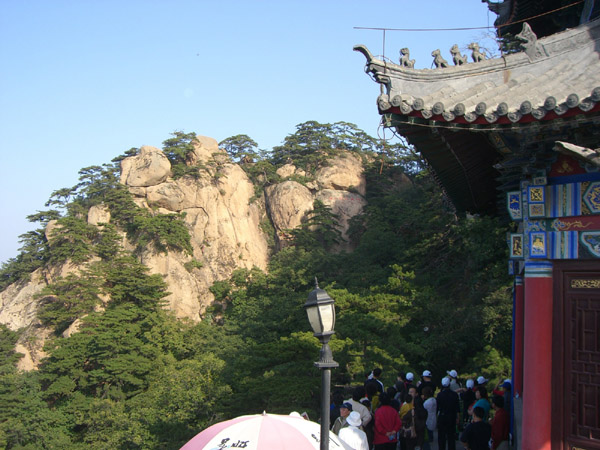
Qianshan holds over forty religious sites. The Buddhist halls tend to sit on the higher peaks, their yellow tiles catching the sun. Taoist shrines cling to lower cliffs, often fronted by incense burners blackened by decades of smoke. The standout is the naturally formed Giant Buddha — a seventy-meter silhouette of Maitreya visible from the western viewing deck. It is not carved; the rock face weathered into the shape of a seated figure. Locals say the goddess dropped a lotus petal here, and the stone folded itself into a Buddha to catch it.
At Xiangyan Temple, halfway up the ridge, an elderly nun sells handwritten sutra cards for ten yuan. She will stamp your palm with a red seal if you ask. At Wuliang Hall, the air is thick with sandalwood. Pilgrims prostrate themselves on the stone flags, forehead to floor, moving in a slow rhythm. Stand to the side, keep your voice low, and do not point your camera at faces during prayer. I once watched a tourist step onto a threshold to get a better angle; a monk gently tapped his shoulder and motioned him down. The man flushed and stepped back. That small moment stays with me more than any panorama.
Food on the Mountain
There are no full restaurants on the ridges, only supply shacks at major junctions. They sell instant noodles, boiled corn on the cob, roasted sweet potatoes, and plastic bottles of tea. Prices are double what you pay in town. If you want a real meal, eat before you enter or pack a lunch.
- Packable lunch: Steamed buns (baozi) from a stall near the Anshan bus station — pork and cabbage or red bean paste. Wrap them in foil; they stay warm for hours.
- Snacks: Roasted peanuts in the shell, dried hawthorn strips, a handful of walnuts.
- Water: Two liters per person. The mountain springs are marked on maps, but I have seen them dry by late summer.
- Waste: Carry a zip-lock bag for every wrapper and peel. There are no bins on the trails.
On my last hike, I shared a sweet potato with an older man resting on a stone ledge. He peeled it slowly, the steam rising between us. He told me he comes every autumn, when the maples turn the ridges red. “The mountain remembers your footsteps,” he said. I still have the peel buried in my pack pocket.
When to Go and What to Expect
Late spring and early autumn are the sweet spots. In the fourth lunar month, rhododendrons bloom in magenta clusters along the ridges. By the ninth month, the maples and ginkgos flame gold and crimson. Summer brings the Great Buddha Festival — three days of ceremonies, lanterns, and crowds that pack the cable cars shoulder to shoulder. Winter is quiet, sometimes icy; the west line cable car may close after heavy snow.
Weekends swell with day-trippers from Shenyang and Dalian. If you can, hike on a weekday. The temples hold morning chant at six; arrive at the first hall by five forty to hear it before the tour groups arrive. By ten, the main platforms are loud with selfie sticks and loudspeakers. The further you walk from the cable car stations, the thinner the crowd becomes.
Common Mistakes
- Wearing city sneakers: The stone steps are slick with moss after rain. Trail shoes with grip save ankles.
- Buying only a one-way cable car ticket: The descent on foot takes three hours and punishes knees. Buy round-trip unless you are committed to the full Pilgrim’s Ascent.
- Ignoring the weather board at the ticket hall: Fog can roll in fast, hiding the Giant Buddha and making the chain sections dangerous. If the red flag is flying, the upper trails are closed.
- Treating temples as photo ops: Step over thresholds, not on them. Remove hats. Do not pose with incense sticks unless you are offering them.
- Underestimating the altitude gain: The summit is only 708 meters, but the relentless steps feel like double that. Pace yourself; rest at every pavilion.
I made the sneaker mistake on my first visit. Halfway down the western stairs, my foot slipped on a wet slab and I went sideways, scraping my palm raw. A passerby handed me a bandage from her pack — a small square of gauze and tape. “The mountain teaches balance,” she said. She was right. The next time, I wore boots, carried poles, and moved like the pilgrims: steady, breathing with the slope. The views were the same, but the walk felt different. It felt earned.